Axios' Jim VandeHei & Mike Allen write: We're taking a break from the chaos of news and life in January of 2026, and stepping back — way back — to think about where America stands on the 250th anniversaries of both Thomas Paine's "Common Sense" manifesto (Saturday) and the signing of our Declaration of Independence (July 4).
Doom and gloom often light up our screens. But that shouldn't — and doesn't — define us. Never forget: This is a great country with exceptional promise.
Why it matters: We're the most perfect, imperfect experiment in self-governance, freedom and progress in the history of humanity.
Our founders fled royalty, fought wars, formed a republic and a democracy, against all odds, all logic, all hope. They built the most powerful, prosperous, promising nation known to man.
The days of quiet quitting are over. Gen Z is navigating today's tough job market with side gigs.
Why it matters: Over half of Gen Z (57%) now have a side gig, compared to 21% of boomers and older, according to The Harris Poll, which dubbed them "America's first true 'side hustle' generation."
OpenAI and Common Sense Media are joining forces for a California ballot initiative meant to protect kids from AI and chatbots.
Why it matters: AI companies are catching a lot of heat from regulators and parents who are demanding accountability for how chatbots are interacting with minors.
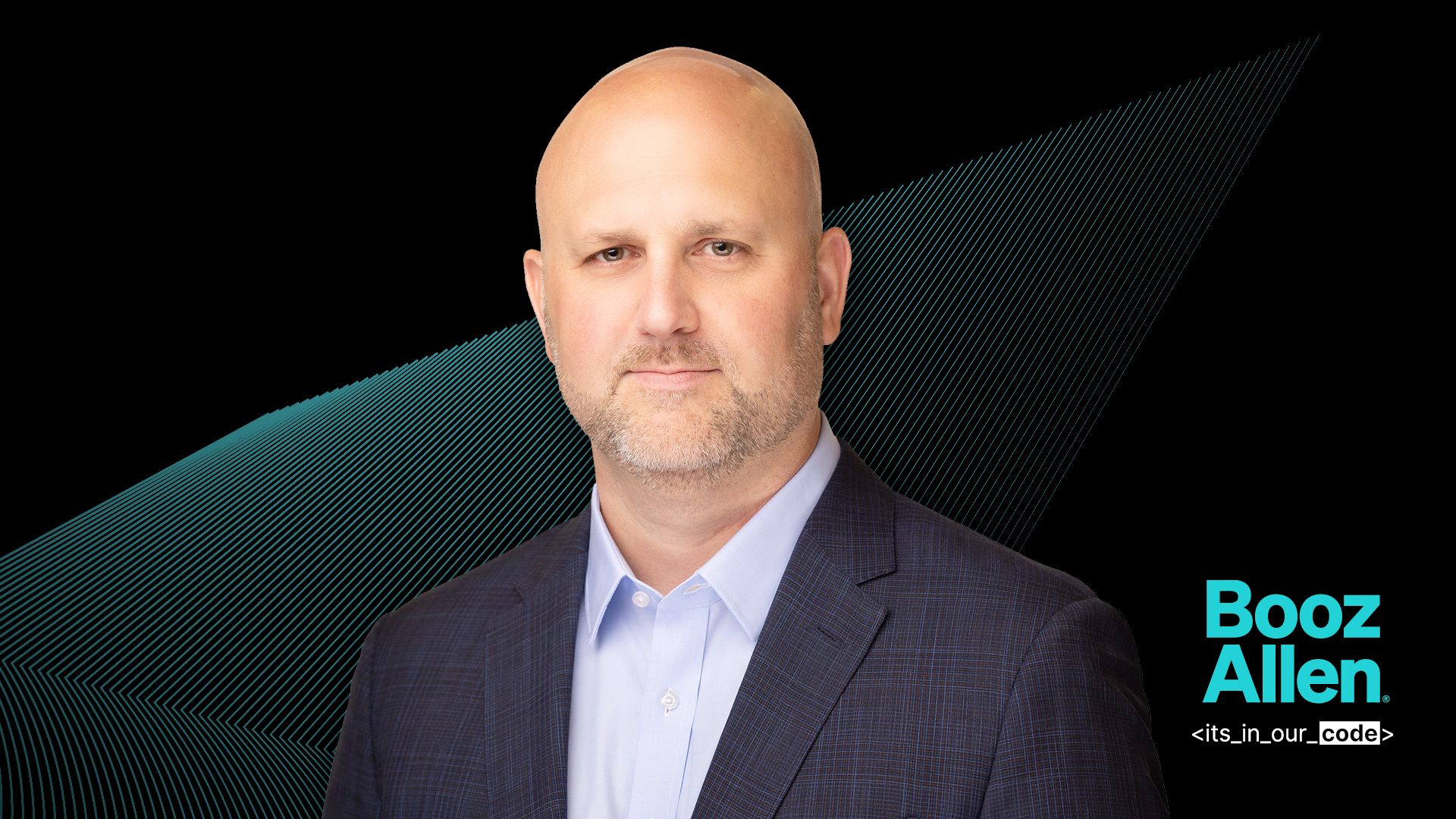
Steve Escaravage, president of the Defense Technology Group at Booz Allen, shares how the company builds defense technology, creating advantage for our warfighters.
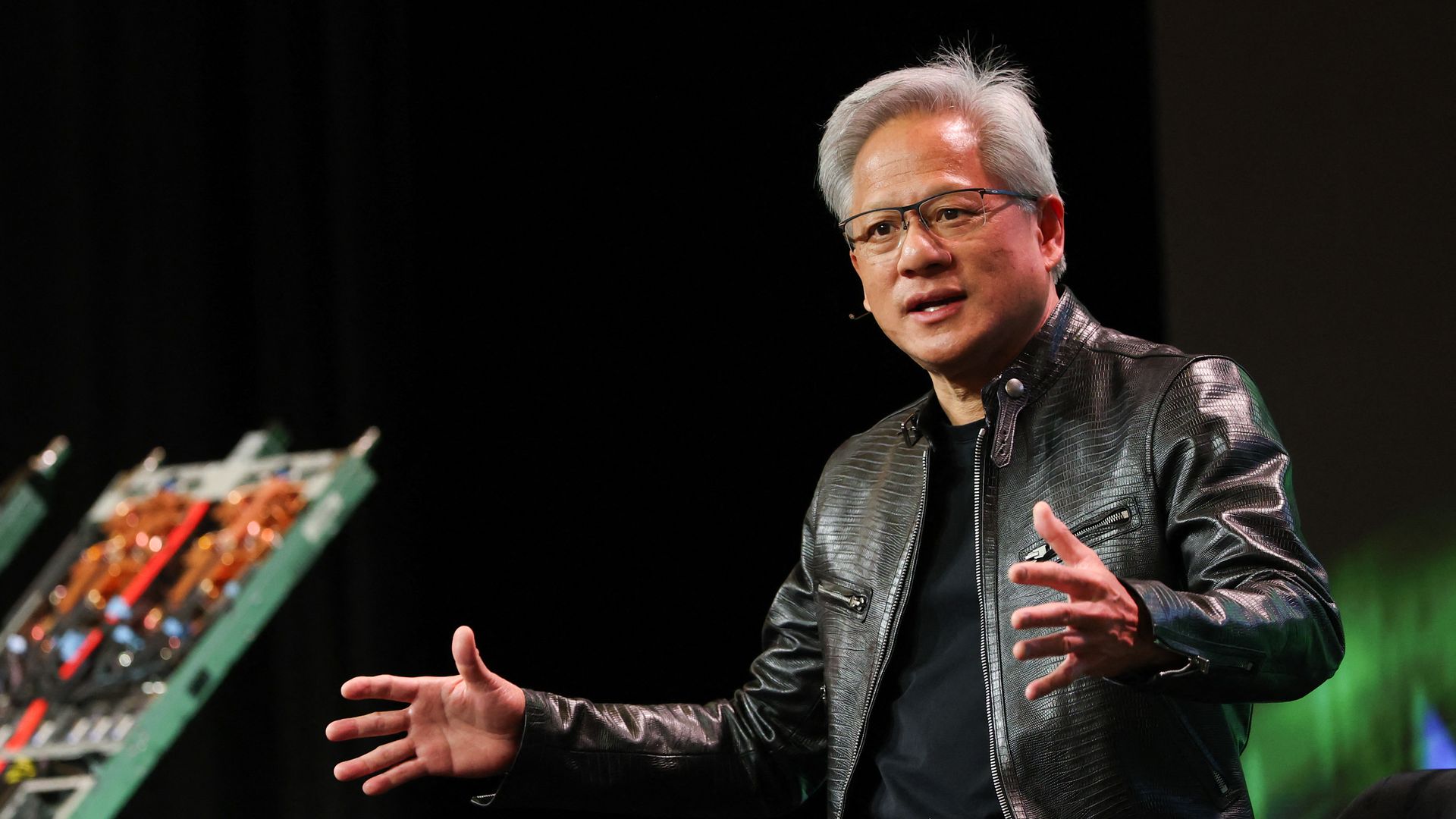
Every year, more than 140,000 people descend on Las Vegas for the Consumer Electronics Show to showcase new tech and discuss partnerships for the year ahead. Typically, the show is politically agnostic. But this year, leaders are leaning into President Trump's AI strategy.
Why it matters: The Biden era saw the White House pitted against Big Tech firms in an effort to rein in misinformation and monopolies. Trump's embrace of the AI industry has been a welcome reprieve for Silicon Valley.
Elon Musk's Grok is limiting some of its image generation capabilities following widespread outcry over users using the tool toremove clothing from photos of women and minors.
Why it matters: xAI, Musk's AI company, is under fire from the European Commission,which said Friday it will investigate the images, calling them "illegal," "appalling" and "disgusting."
The U.S. economy added 50,000 jobs in December, while the unemployment fell to 4.4%, the Labor Department said on Friday.
Why it matters: Last year ended with solid hiring and lower joblessness after months of weak job gains that raised fears about the health of the economy.
Venture capital firm Andreessen Horowitz, whose past investments included Airbnb and Coinbase, on Friday announced that it raised over $15 billion for a group of new funds.
Why it matters: This is a major boost to the U.S. venture capital market, which just experienced its weakest year for fundraising since 2017.
Higher productivity is often viewed as a synonym for fewer workers. Market strategists, however, say productivity gains driven by AI could actually lead to more jobs.
Why it matters: That would be a boon for the economy and could give the stock market enough steam to extend its rally.
Meta on Friday unveiled nuclear power deals with three firms — Vistra, TerraPower, and Oklo — to back large existing plants and help spur construction of advanced reactor designs.
Why it matters: It's the latest sign of big tech companies looking to nuclear as they seek electrons for building and using AI models.
New York officials are kicking off 2026 with new AI proposals and probes aimed at protecting consumers.
Why it matters: The action is coming shortly after New York Gov. Kathy Hochul (D) signed the RAISE Act, a major frontier AI model safety bill, into law late last year.
House China hawks are pressing ahead with efforts to prevent Beijing from accessing sensitive U.S. technology as the Trump administration green-lights chip sales.
Why it matters: Congress is looking to rein in President Trump on chip sales, even as most Republicans avoid public criticism.