Shengjia Zhao — formerly of OpenAI — is the new chief scientist at Meta's new Superintelligence Lab, Mark Zuckerberg announced on Threads on Friday.
Why it matters: The company is spending billions of dollars to hire key employees as it looks to jumpstart its effort and compete with Google, OpenAI and others.
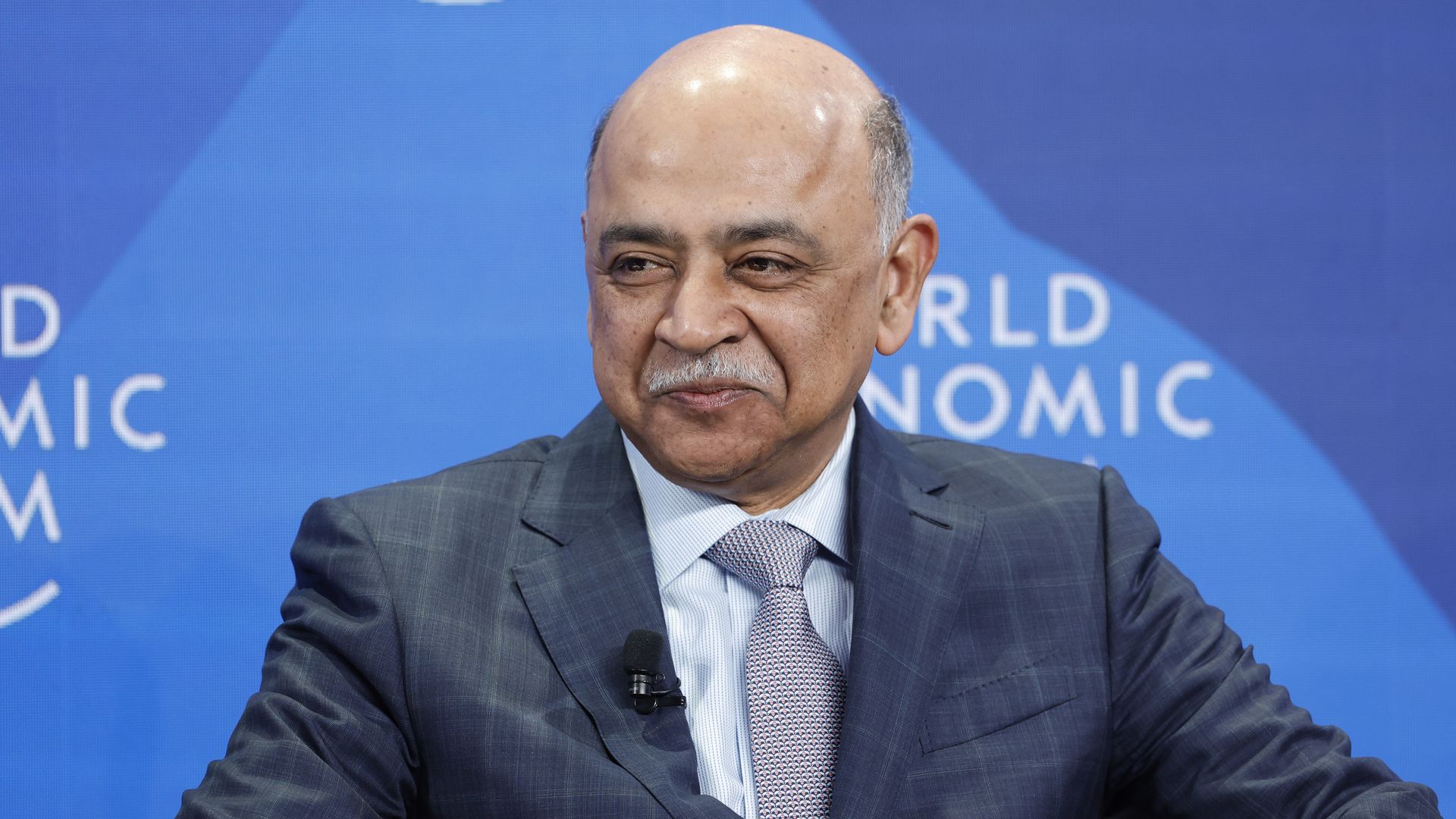
CHICAGO—IBM CEO Arvind Krishna said dire AI job warnings stem from a "reality distortion field" among industry leaders, arguing in an Axios interview that the employment picture is much more promising.
Why it matters: Anthropic CEO Dario Amodei sounded the alarm in May when he told Axios' Jim VandeHei and Mike Allen that AI could wipe out half of all entry-level white-collar jobs.
Investors are flocking to Europe, not for vacation, but for returns.
But without the market power of artificial intelligence companies, they may have to quickly come back to America.
Why it matters: Much of Europe's outperformance this year stems from a weakening dollar, not stronger fundamentals. Without the AI boom that is fueling the resurgence in U.S. stocks, the old world may struggle to keep up.
Meta on Friday said starting in October it will no longer accept political, election or social issue ads in the European Union, in response to new regulation that it says will cause "significant operational challenges and legal uncertainties."
Why it matters: Google already said it would pull ads in the EU for the same reason. Campaigns and cause and appeal organizations will have a significantly harder time placing ads online without the ability to run them on the EU's two biggest digital platforms.
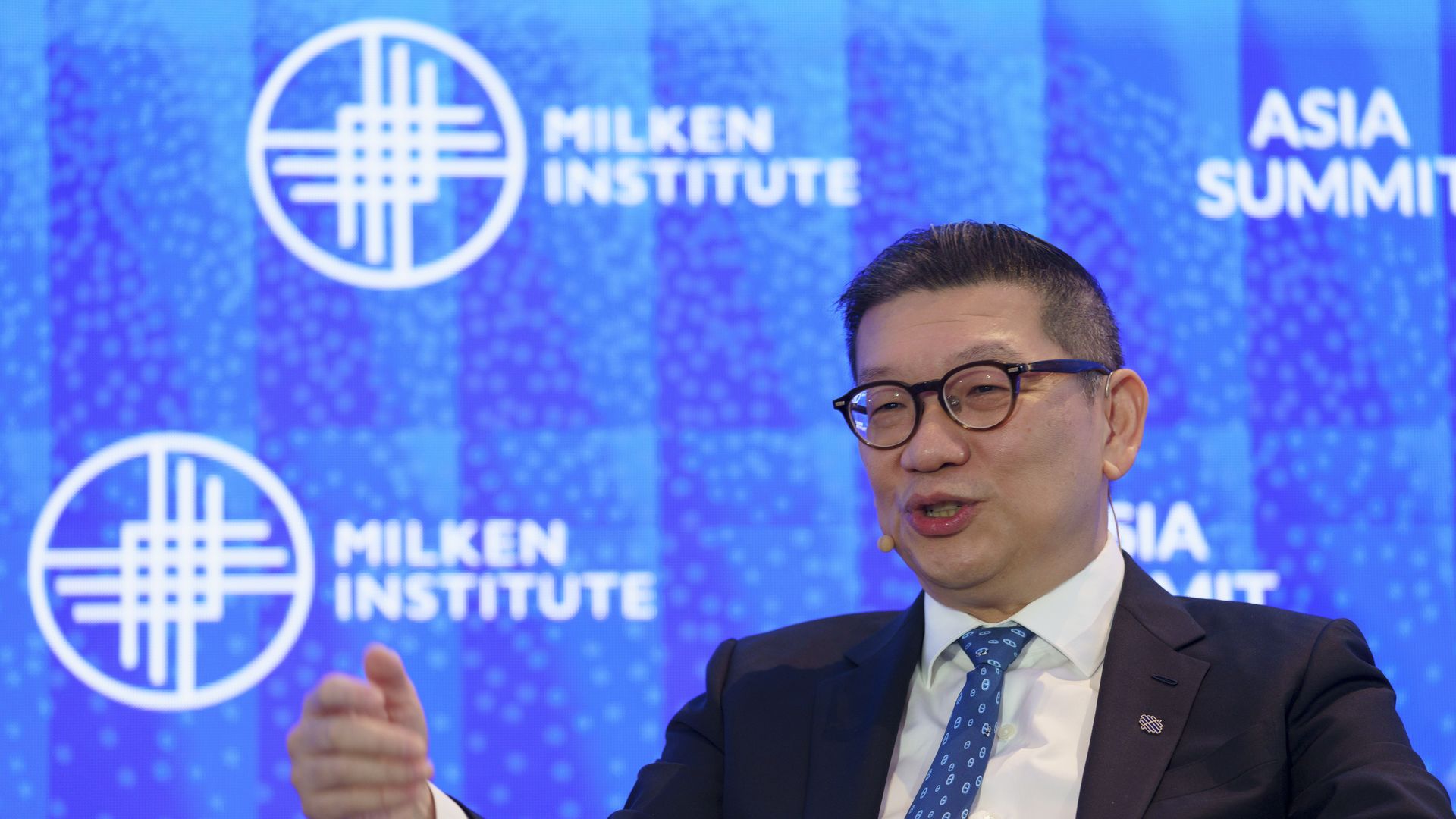
This year may turn out to be historic for investors, requiring high levels of discipline to avoid chasing unreasonable valuations, the CEO of Singapore's sovereign wealth fund GIC said Thursday.
Why it matters: GIC is one of the world's largest investors, with more than $800 billion under management, so its cautious view at a time of surging markets globally is noteworthy.
OpenAI is expected to release its next big model — GPT-5 — in August, Axios has learned.
Why it matters: The race to create the biggest and best AI models is accelerating as the Trump administration has said the U.S. must do "whatever it takes" to beat China.
Communication professionals are leveraging their expertise to help raise awareness for businesses in need or those impacted by natural disasters.
Driving the news: Following the recent wildfires in Los Angeles, several communication and PR firms united to form the LA Strong Comms Coalition to support small businesses that had been affected.
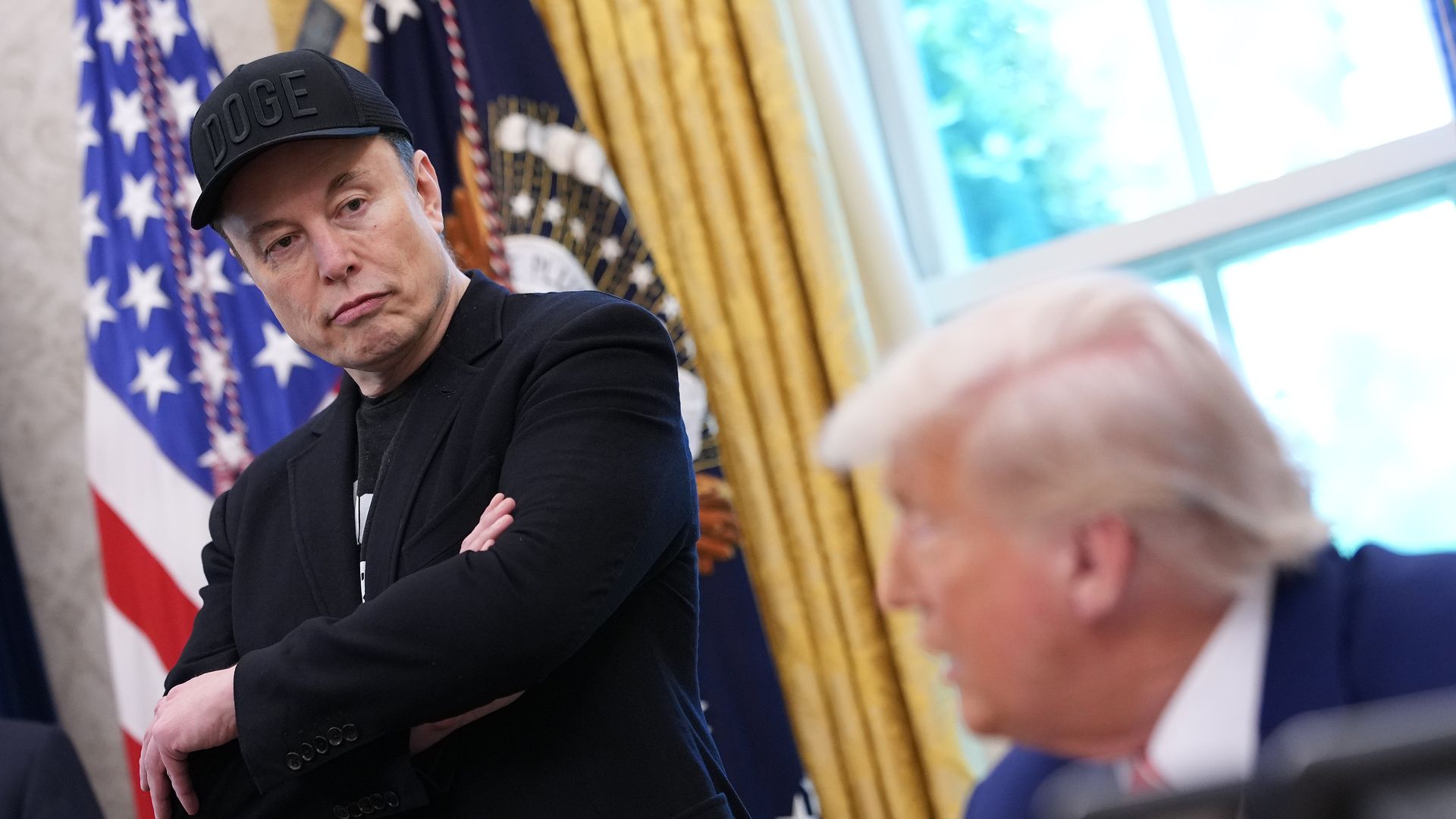
President Trump said on Thursday that he wanted to see Elon Musk's companies thrive, one day after the White House said he didn't want Musk's xAI to get government contracts.
Why it matters: Since the Trump-Musk relationship blew up last month, the rhetoric has run hot and cold in intermittent bursts, but Trump appears to be tamping the tension down again.
The rules of creativity and AI are being rewritten — but the ink isn't dry yet.
Generative AI is unlocking new ways to brainstorm, build and express ideas faster than ever. For creatives, that means more tools, more opportunity — and more reach.
ServiceNow isn't just selling AI-powered tools to customers. It's using the technology to shrink its own hiring plans, projecting $100 million in cost savings this year.
Why it matters: The automation software company is the latest tech player to show how AI can drive cost cuts, a boon for margins, but a potential red flag for future tech job seekers.
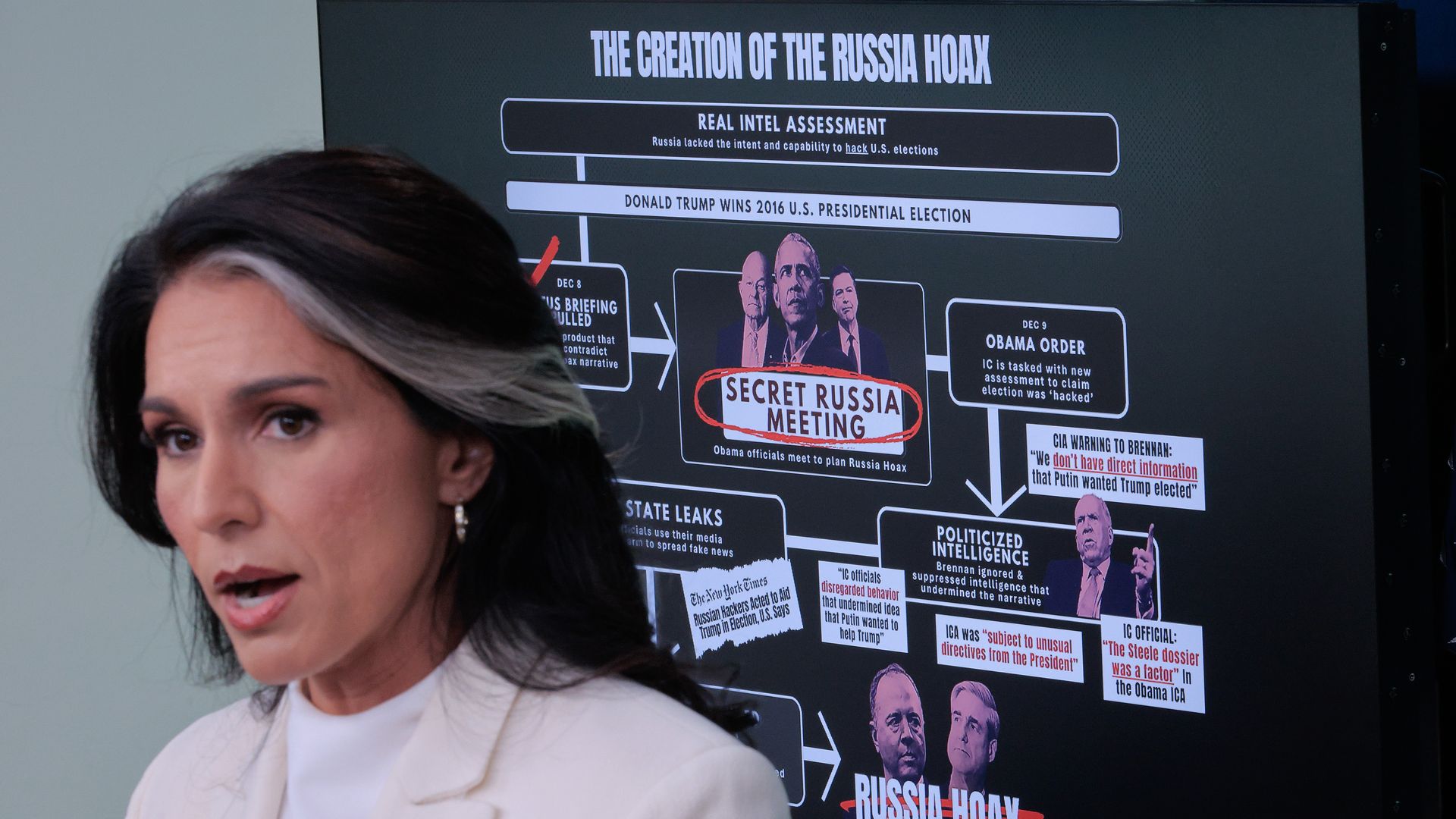
Why it matters: President Trump's war on his predecessor is dramatically escalating just as he faces new pressure over his handling of the Jeffrey Epstein files — with a steady stream of leaks extending the scandal, day by day.
The Trump administration's new AI Action Plan, which offers the industry much of what it says it needs to compete with China, also contains a time bomb for tech companies — an attempt to dictate how chatbots deal with contentious political issues.
The big picture: Trump's move could spark a broader wave of efforts by governments around the world to require AI systems to toe political lines, setting up endless conflicts between tech firms and rulers eager to promote agendas and quash dissent.