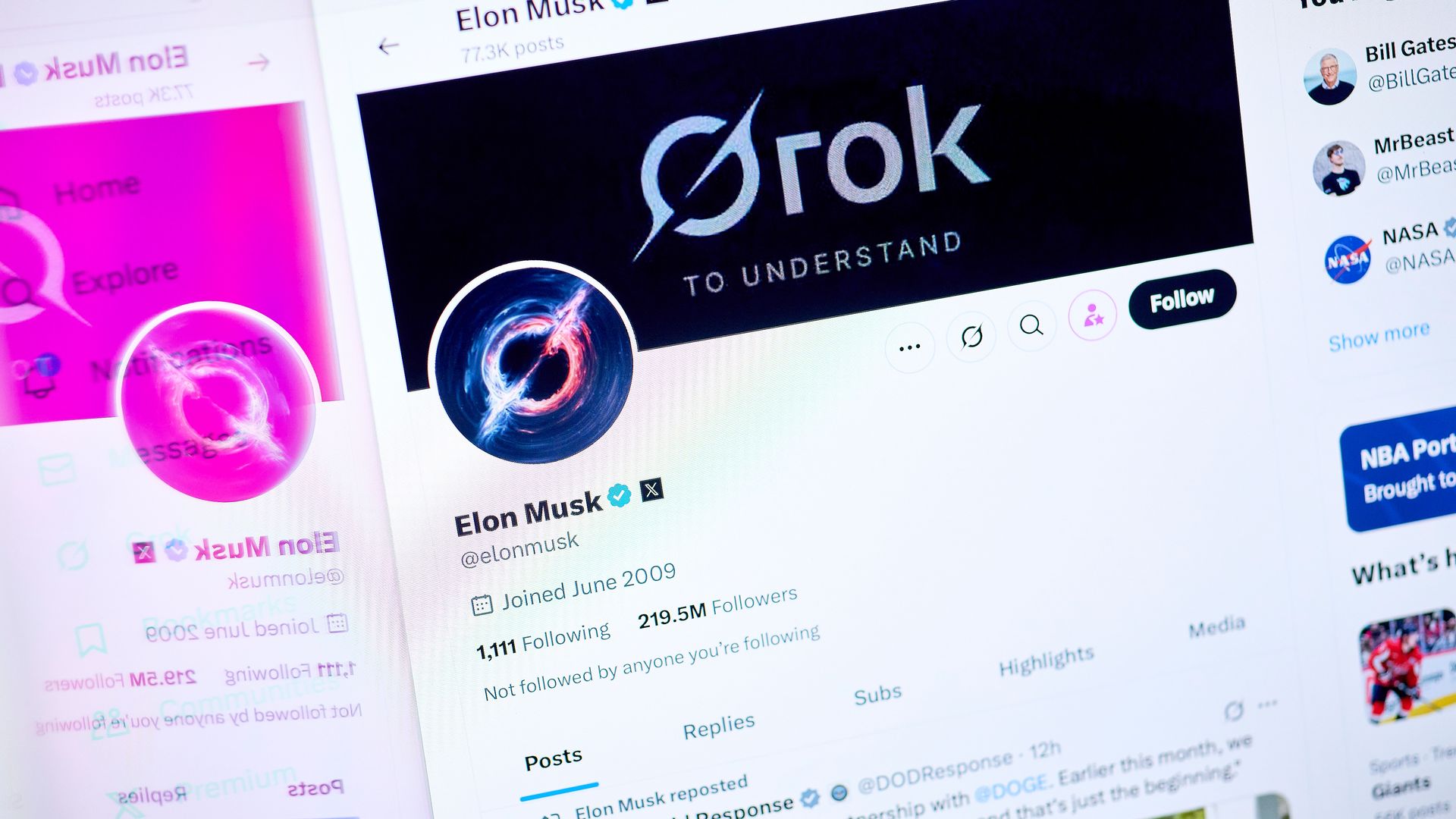
xAI blamed "an unauthorized modification" for its chatbot Grok giving users off-topic and false responses about "white genocide" in South Africa this week.
Why it matters: xAI owner Elon Musk, who is from South Africa, has also falsely accused the country of perpetuating "genocide" against white residents, a claim President Trump has also embraced.
Charter Communications has agreed to buy Cox Communications from privately held Cox Enterprises for approximately $34.5 billion, with Cox Enterprises to become Charter's largest shareholder, the companies announced on Friday.
Why it matters: The combined company would become America's largest cable TV and broadband provider by subscribers, leapfrogging Comcast.
President Trump announced multibillion-dollar AI deals between U.S. companies and Gulf countries this week even as many in Washington continue to fear that China could gain backdoor access to advanced AI chips and worry that critical AI infrastructure could end up based outside the U.S.
The big picture: The president loves big deals with big numbers. Tech interests close to Trump want to see U.S. AI firms win global business. But China hawks in both parties distrust the Gulf states, which have close trade ties with China.
Meta is pushing back plans for a public release of its largest Llama 4 AI model, known as "Behemoth," because of concerns that it may not be enough of an advance on previous models, per a new Wall Street Journal report.
Why it matters: It's another indicator that the AI industry's scaling strategy — "just make everything bigger" — could be hitting a wall.
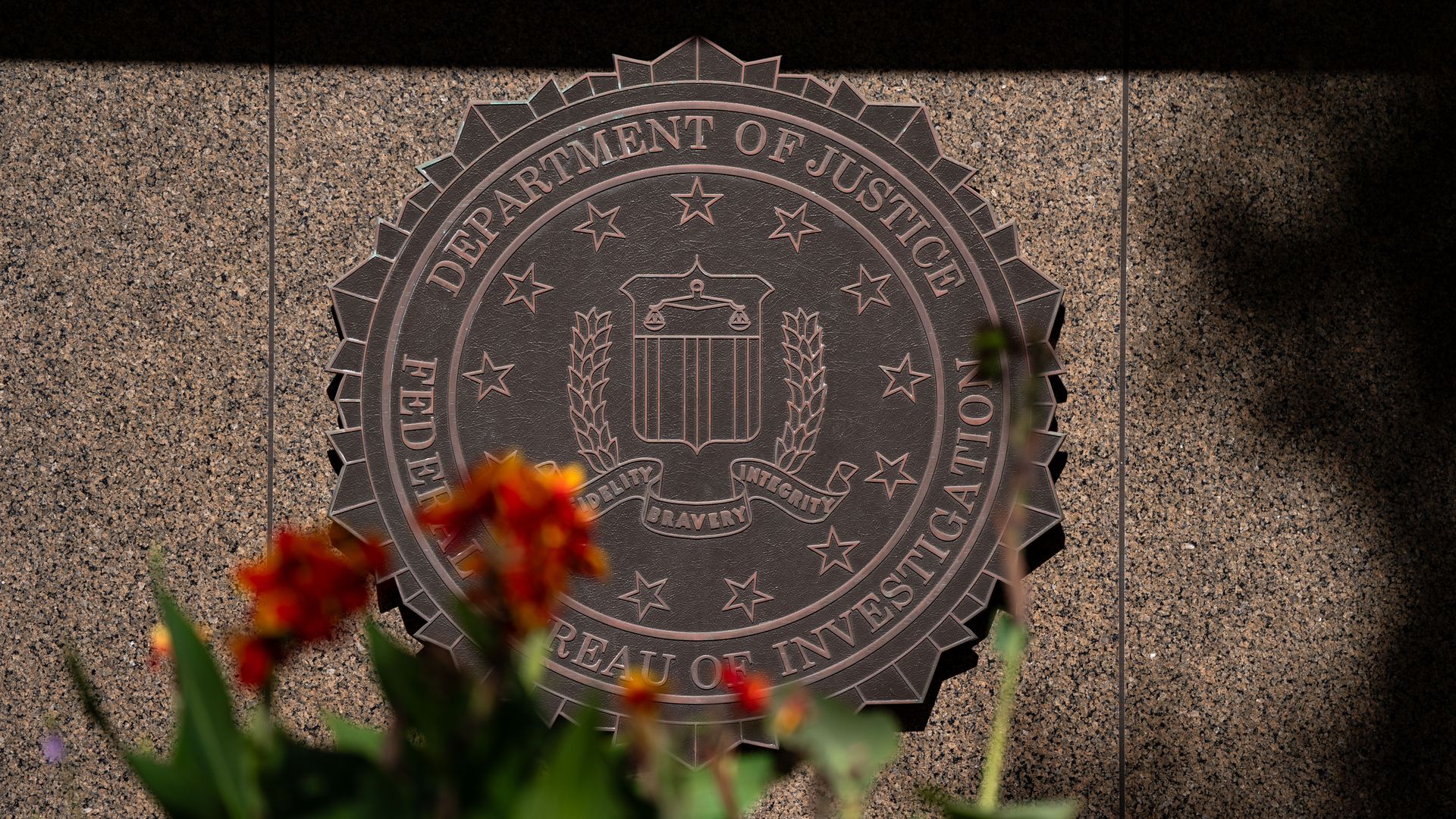
Scammers are using artificial intelligence to impersonate senior U.S. officials, the FBI warned Thursday.
Why it matters: The impersonations show how increasingly sophisticated scammers are becoming about using artificial intelligence to exploit their targets.
Databricks is one of the world's most valuable unicorns, fetching a $62 billion mark late last year. It's also become a top unicorn hunter, acquiring three startups for at least $1 billion.
Driving the news: The latest prize is database provisioning startup Neon, whose CEO Nikita Shamgunov has said that 80% of the databases created on Neon are created by AI agents instead of humans.
President Trump on Thursday revealed his wishes for bleeding-edge warplanes he dubbed F-22 Super and F-55.
Why it matters: Trump's comments during a stop in Qatar were the first time either potential aircraft has been publicly mentioned. Such major, multibillion-dollar endeavors are not pulled from thin air, suggesting some legwork may already be underway.
It's a boost for Lockheed Martin, which makes both the F-22 Raptor and the F-35 Lightning II, which the president suggested would be upgraded.
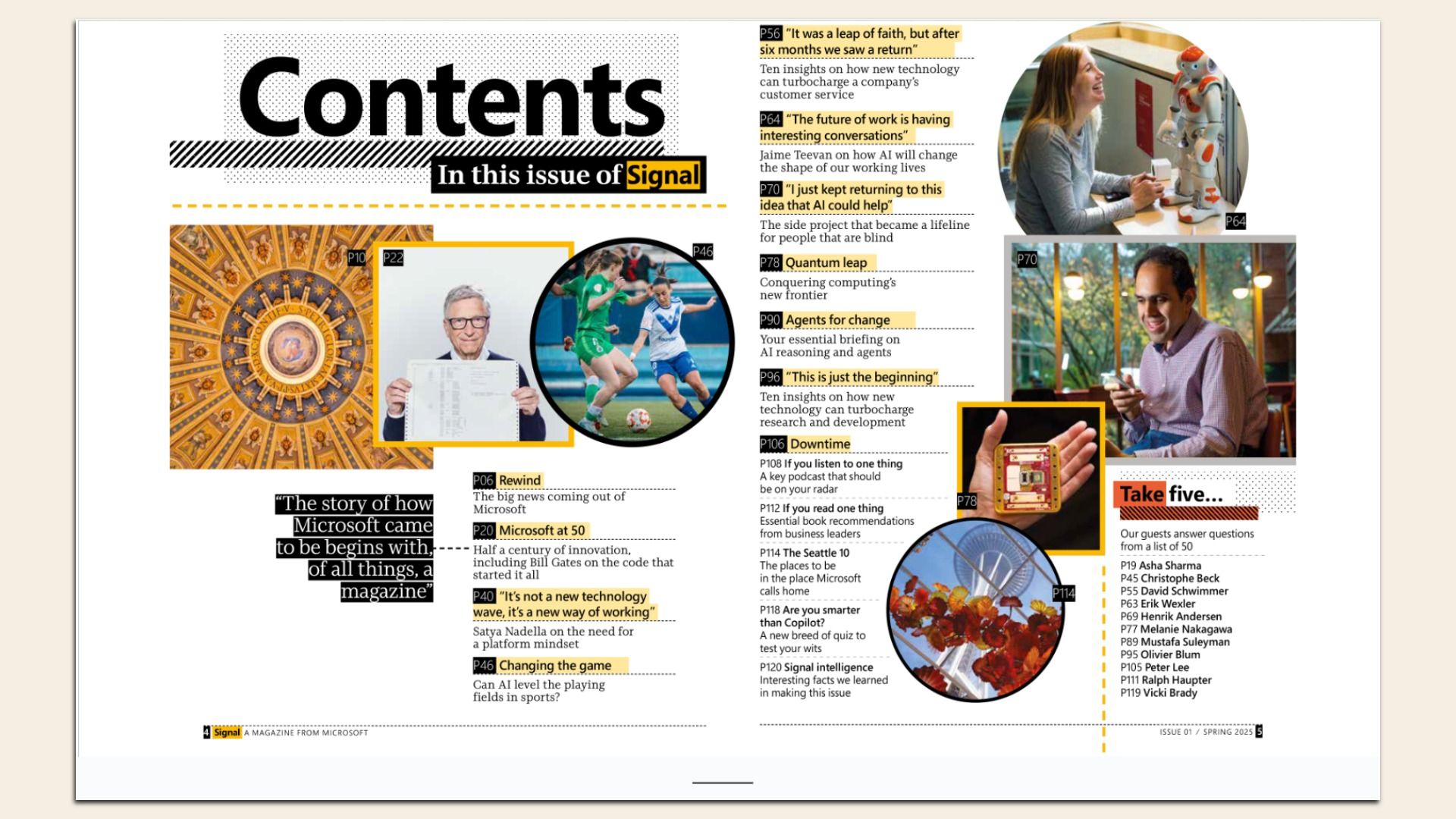
Major U.S. companies and brands are investing in printed publications but not in the way you might think.
Microsoft, Hinge and Costco have created their own print magazines to tell their corporate stories, enhance their reputation and engage with hard-to-reach audiences.
Why it matters: It's part marketing and part strategic storytelling, communication executives from these companies told Axios.
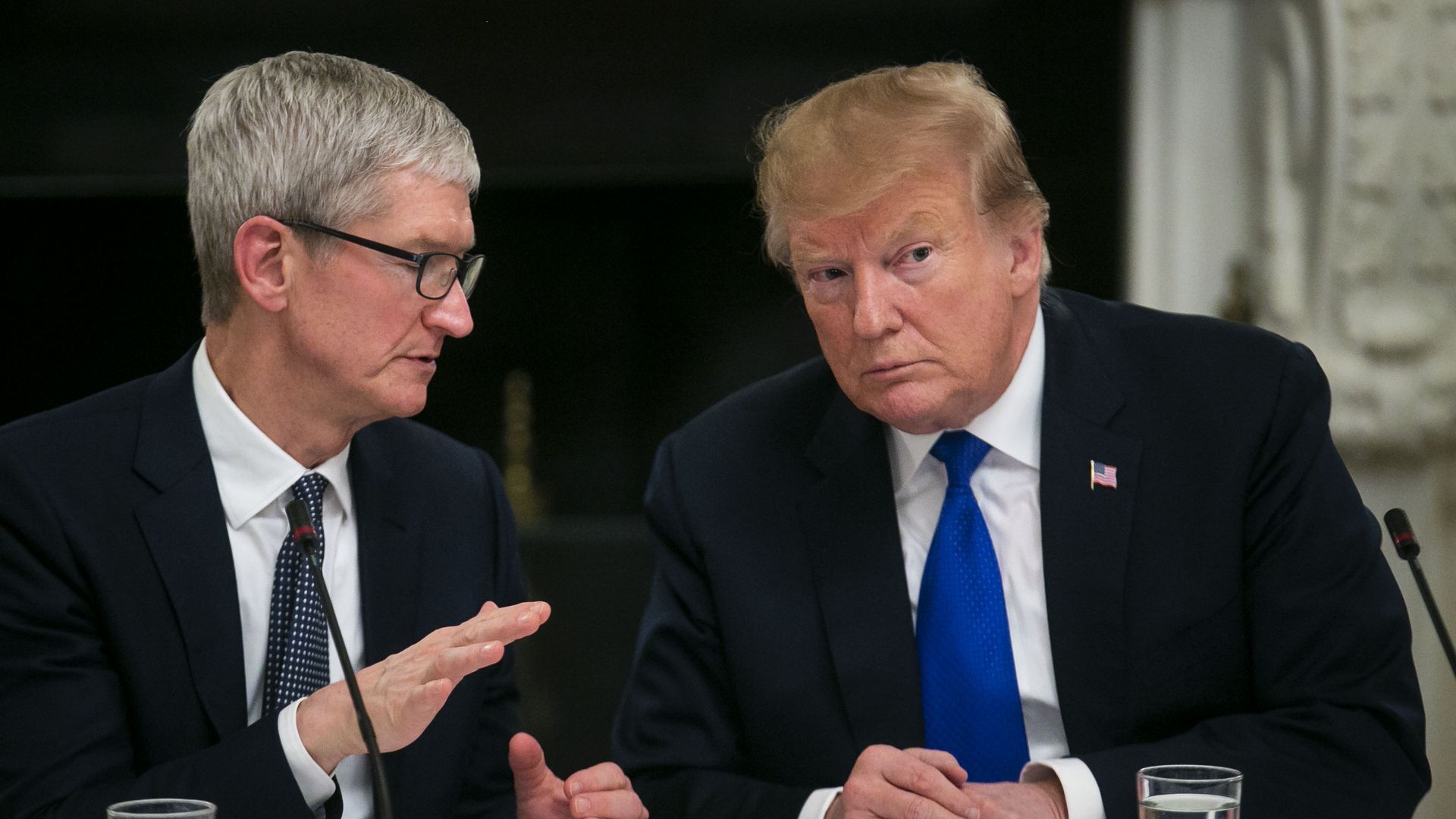
President Trump on Thursday said he told Apple not to expand iPhone production in India, while also indicating the possibility of a sweeping new trade deal with the country.
Why it matters: Apple was reportedly planning to massively expand phone manufacturing for the U.S. market in India, as a workaround for the ongoing trade war with China.
The creativity of teams around the NFL is on display each year when the upcoming season's schedule is made public.
The big picture: Whether it's by recreating The Sims or asking fans to guess each team based on logo alone, ball clubs take a shot at going viral during a time in which there aren't any games on.
Google has overtaken IBM to become the leader in generative AI-related patents and also leads in the emerging area of agentic AI, according to data from IFI Claims shared first with Axios.
Why it matters: Patent filings, though they're not a direct proxy for innovation, indicate areas of keen research interest — and generative AI patent applications in the U.S. have risen by more than 50% in recent months.






/2025/05/15/1747338117626.gif?w=3840)