Meta is pushing back plans for a public release of its largest Llama 4 AI model, known as "Behemoth," because of concerns that it may not be enough of an advance on previous models, per a new Wall Street Journal report.
Why it matters: It's another indicator that the AI industry's scaling strategy — "just make everything bigger" — could be hitting a wall.
Scammers are using artificial intelligence to impersonate senior U.S. officials, the FBI warned Thursday.
Why it matters: The impersonations show how increasingly sophisticated scammers are becoming about using artificial intelligence to exploit their targets.
Databricks is one of the world's most valuable unicorns, fetching a $62 billion mark late last year. It's also become a top unicorn hunter, acquiring three startups for at least $1 billion.
Driving the news: The latest prize is database provisioning startup Neon, whose CEO Nikita Shamgunov has said that 80% of the databases created on Neon are created by AI agents instead of humans.
President Trump on Thursday revealed his wishes for bleeding-edge warplanes he dubbed F-22 Super and F-55.
Why it matters: Trump's comments during a stop in Qatar were the first time either potential aircraft has been publicly mentioned. Such major, multibillion-dollar endeavors are not pulled from thin air, suggesting some legwork may already be underway.
It's a boost for Lockheed Martin, which makes both the F-22 Raptor and the F-35 Lightning II, which the president suggested would be upgraded.
Major U.S. companies and brands are investing in printed publications but not in the way you might think.
Microsoft, Hinge and Costco have created their own print magazines to tell their corporate stories, enhance their reputation and engage with hard-to-reach audiences.
Why it matters: It's part marketing and part strategic storytelling, communication executives from these companies told Axios.
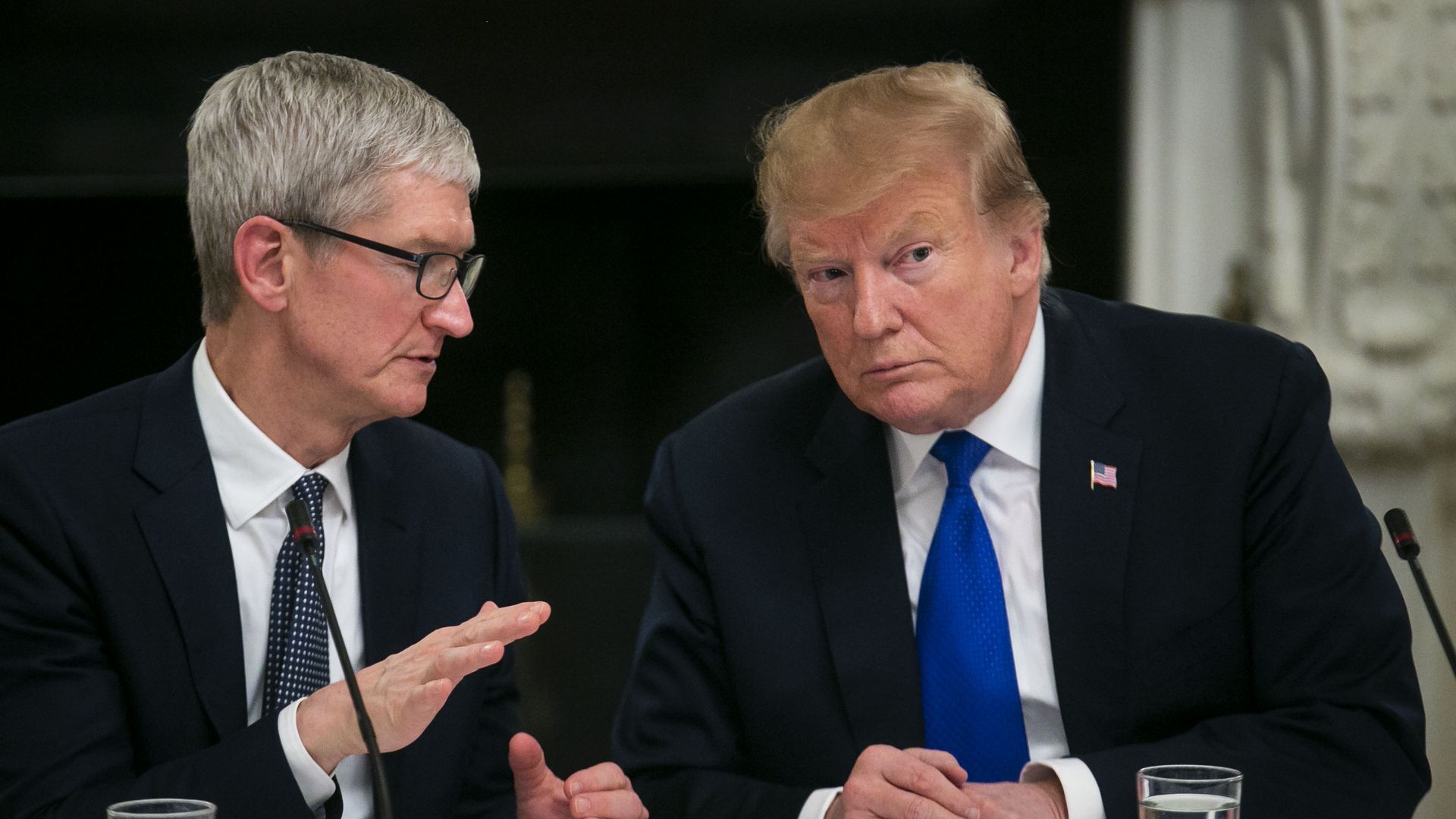
President Trump on Thursday said he told Apple not to expand iPhone production in India, while also indicating the possibility of a sweeping new trade deal with the country.
Why it matters: Apple was reportedly planning to massively expand phone manufacturing for the U.S. market in India, as a workaround for the ongoing trade war with China.
The creativity of teams around the NFL is on display each year when the upcoming season's schedule is made public.
The big picture: Whether it's by recreating The Sims or asking fans to guess each team based on logo alone, ball clubs take a shot at going viral during a time in which there aren't any games on.
Google has overtaken IBM to become the leader in generative AI-related patents and also leads in the emerging area of agentic AI, according to data from IFI Claims shared first with Axios.
Why it matters: Patent filings, though they're not a direct proxy for innovation, indicate areas of keen research interest — and generative AI patent applications in the U.S. have risen by more than 50% in recent months.
An AI chatbot integrated into X (formerly Twitter) has begun to respond to users with unrelated, misleading claims about violence against white people in South Africa, users noticed this week.
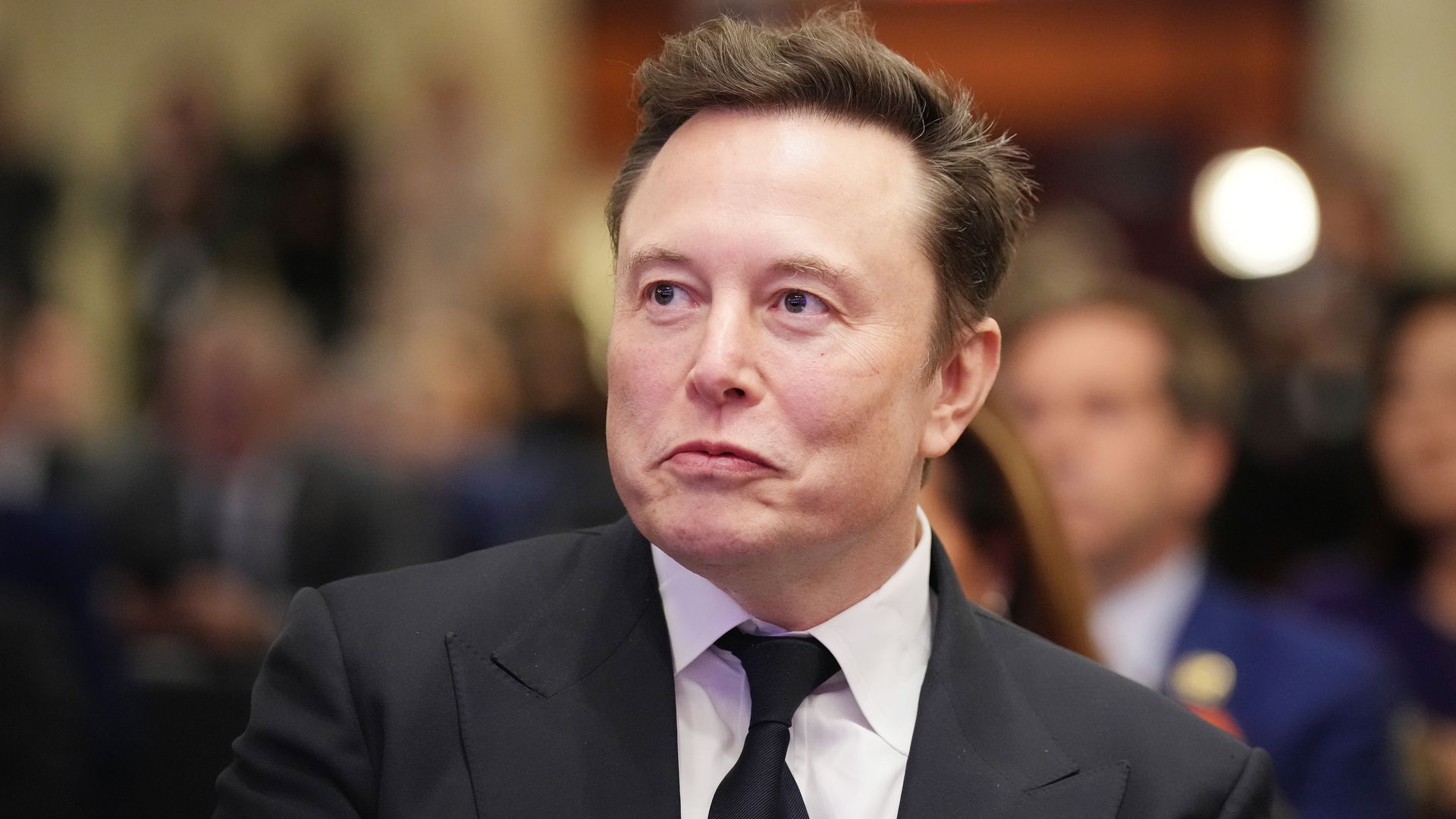
Why it matters: The findings about Grok come as President Trump welcomes white South Africans into the U.S. as refugees and as Elon Musk has slammed his home country for what he's called a "genocide of white farmers."
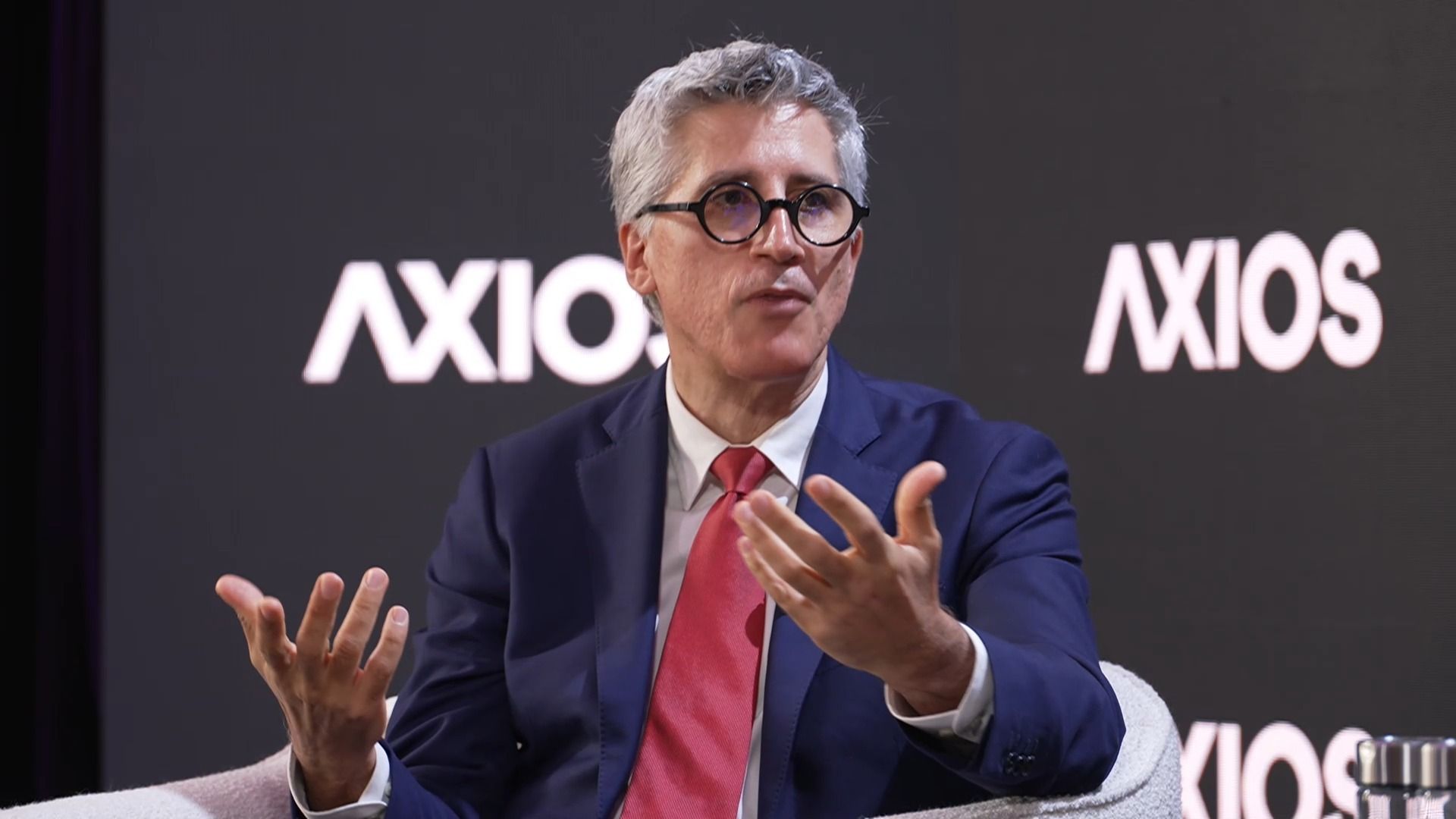
The next stage of medical technology could incorporate "superhuman" augmentative artificial intelligence, Zocdoc CEO and founder Oliver Kharraz said Wednesday at Axios' Future of Health Summit in D.C.
Why it matters: Artificial intelligence can replace or supplement many of the functions within medicine, AI proponents argue.
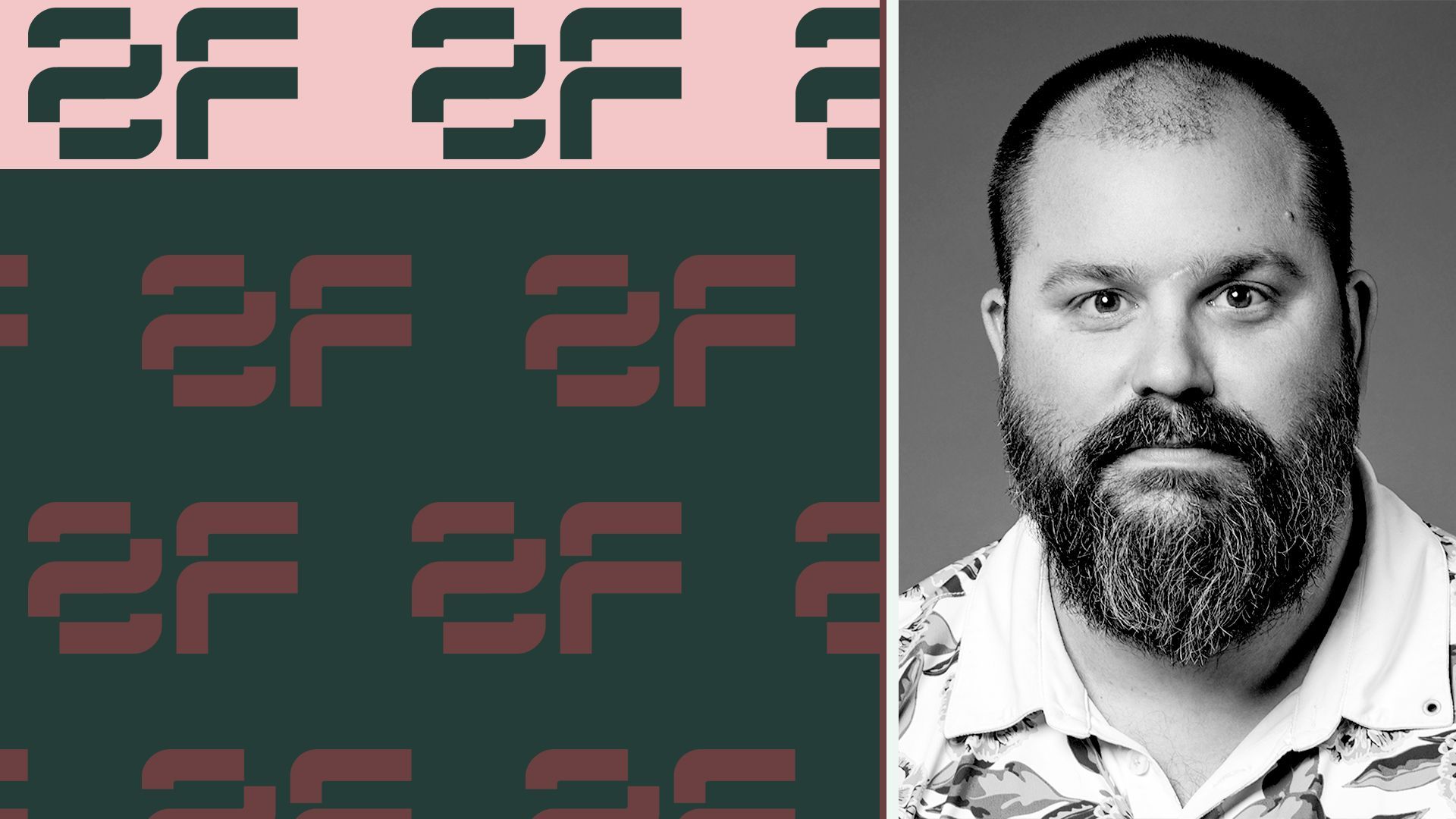
There is a clear need for "strong leadership" to unify the Department of Defense and its dozens of innovation shops with unorthodox technology companies and venture capitalists, according to Tyler Sweatt, the chief executive at Second Front.
With so many balkanized programs, offices, processes and preferences, he added, "it is a miracle that any nontraditionals want to work with the DOD."
Why he matters: Sweatt's a former U.S. Army officer. He previously helmed national security work at CalypsoAI.
Zeno Power secured $50 millionin its latest funding round. The nuclear-battery maker now plans to roughly double its workforce and do full-scale system demonstrations next year.
Why it matters: Energy is the chokepoint for so many national-security competitions. Persistent surveillance. Artificial intelligence. Troop wellbeing.
The U.K. launched StormShroud, drone wingmen designed to blind radars and draw fire away from far pricier, manned aircraft like the F-35 and Typhoon.
Why it matters: Human-machine innovation bounds ahead outside the U.S.
The Royal Air Force will for the first time "benefit from high-end electronic warfare without needing crew to man it," the defense ministry and prime minister's office said in a joint statement.
Software specialist TurbineOne plans to expand into the U.S. intelligence community and build an overseas footprint on the heels of a $36 million funding round, CEO Ian Kalin told Axios.
The big picture: The company is already working with the Army, Air Force, Navy and Marine Corps in the Indo-Pacific.
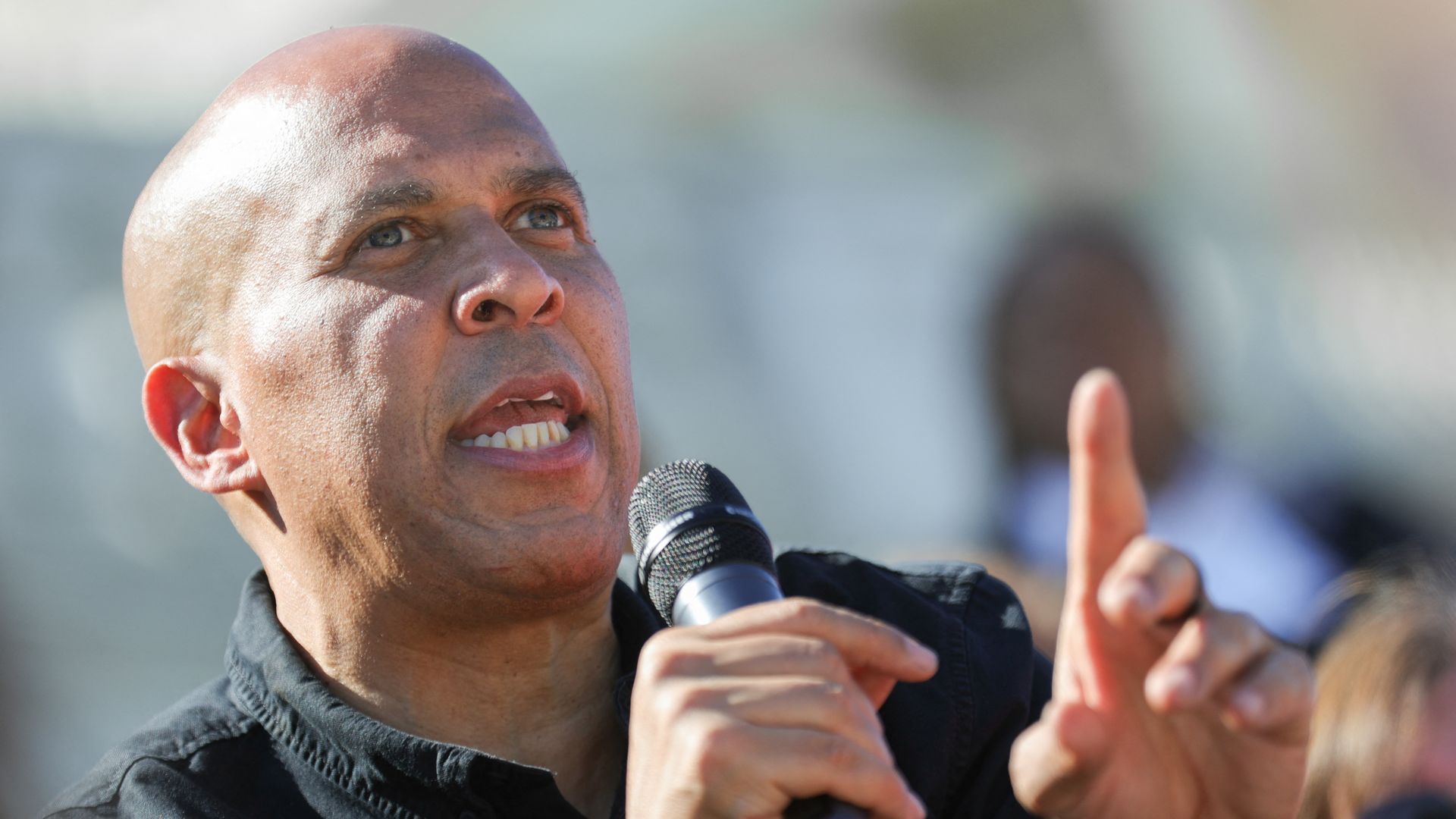
Top Senate Democrats are challenging their older colleagues to embrace Twitch and Snapchat, a potential shock to the media operations of a caucus in which nearly a third of the members are over 70.
Why it matters: Democrats are scrambling to reach younger voters after their tough losses last year. But they're making progress against Republicans in daily social media engagement, Sen. Cory Booker (D-N.J.) told them in a private briefing last week.

/2025/05/15/1747338117626.gif?w=3840)