Tuesday's technology stories

Dozens of attorneys general urge Congress to add social media warning labels

Bipartisan attorneys general in 42 states and D.C. support a federal effort to add a surgeon general warning to social media platforms for risks to youth wellbeing, they said in a letter on Tuesday.
Why it matters: This demand shows mounting support for U.S. Surgeon General Vivek Murthy's plea to Congress.

Biden admin condemns "dangerous" conspiracy about Haitian immigrants
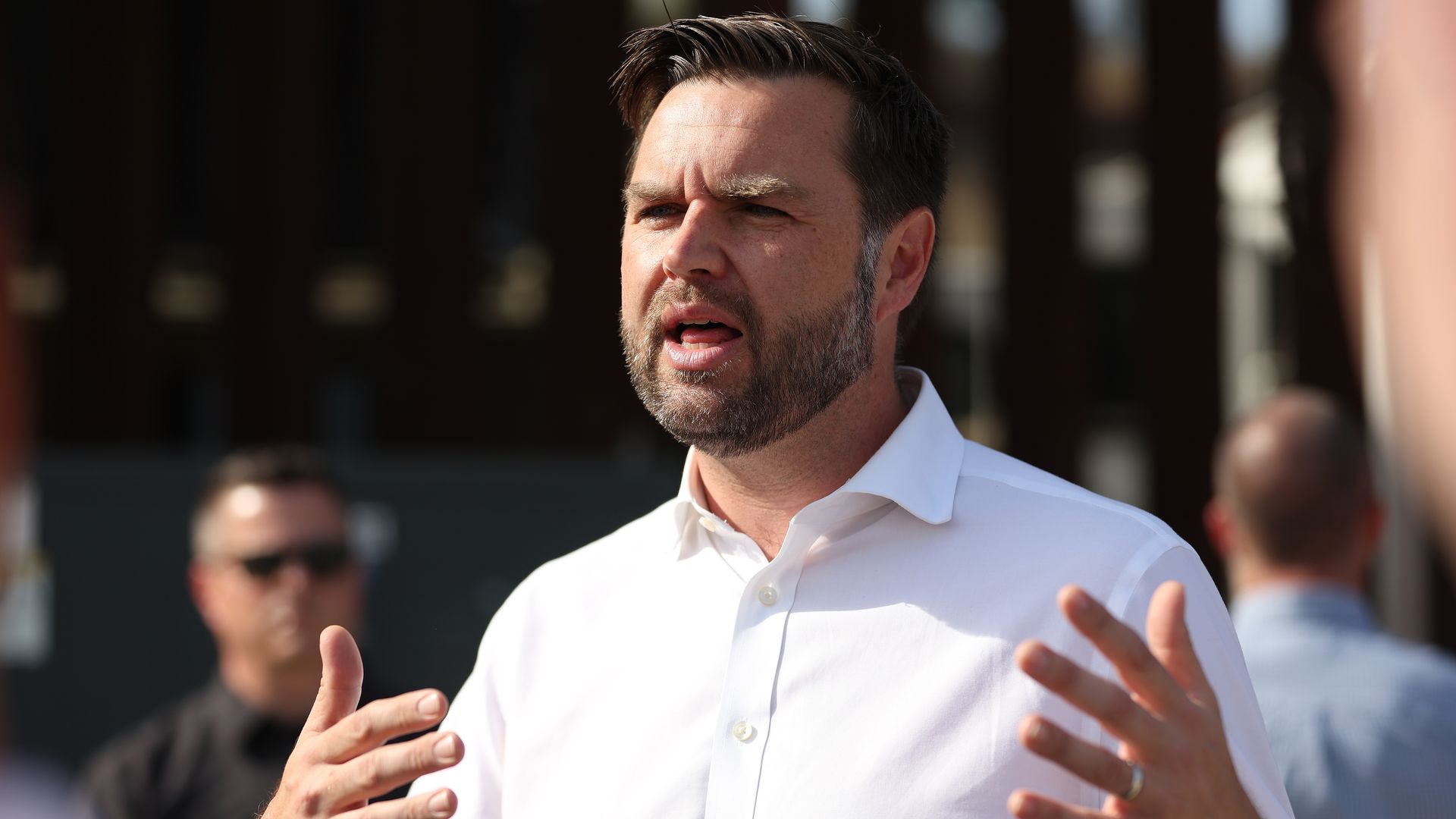
White House National Security spokesperson John Kirby condemned "dangerous" false claims shared by a number of Republican officials, including GOP nominee Sen. JD Vance (R-Ohio), that Haitian immigrants are killing and eating pets in an Ohio town.
The big picture: The rumors spread rampantly on social media — amplified by several lawmakers and public figures criticizing Vice President Kamala Harris' record on the border — but Springfield, Ohio, officials have said they received no credible reports substantiating the accounts.
Two Delta planes collide while taxiing at Atlanta airport
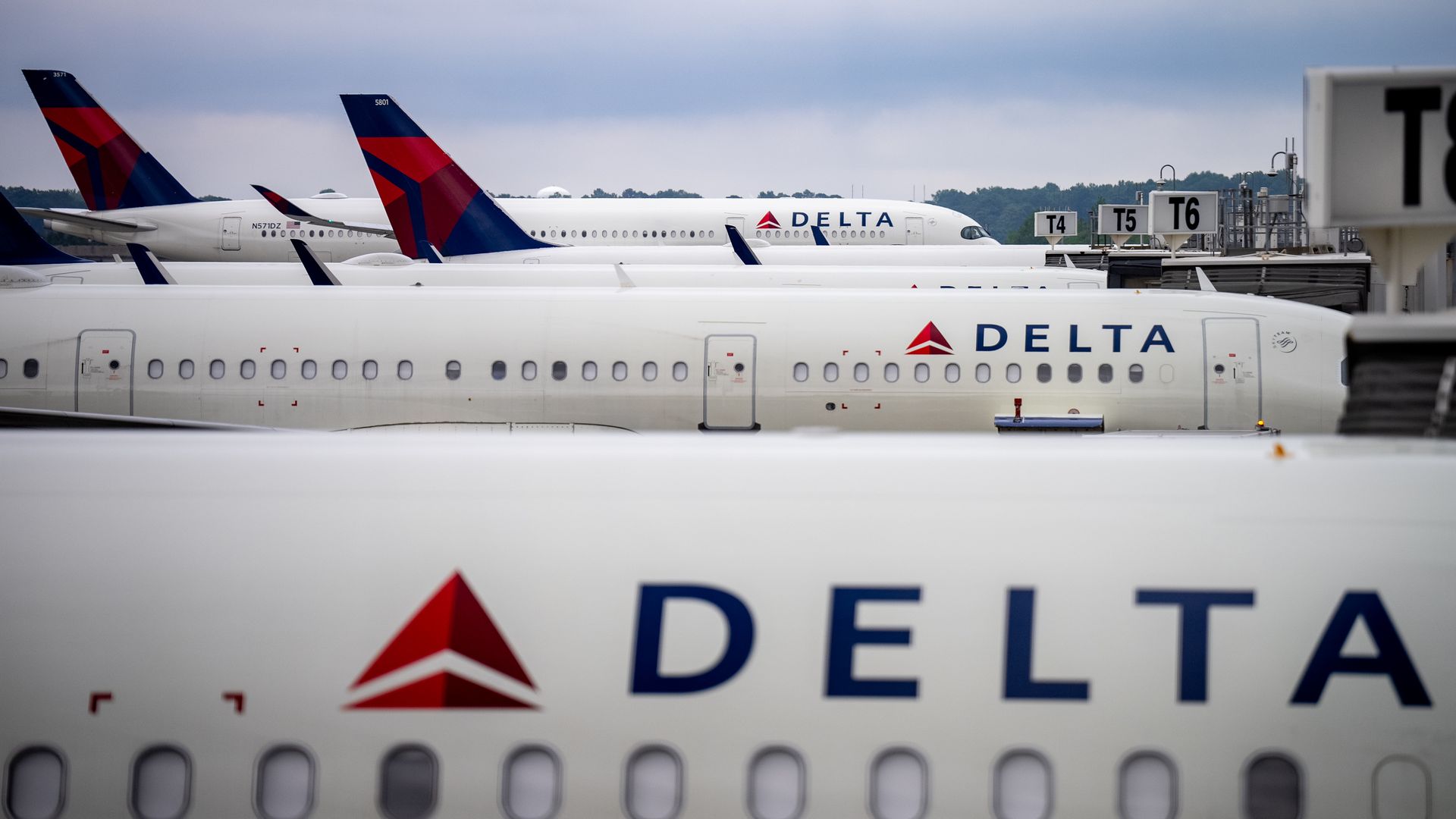
Two Delta airplanes collided while taxiing at Hartsfield-Jackson Atlanta International Airport on Tuesday.
The big picture: No injuries were reported after the wing of one plane "made contact" with the tail of another, Delta said.

Russian disinformation is now hiding in plain sight

Russian disinformation warfare is more calculated and intentional than ever — as it employs more strategies that require hefty financial investments and long-term planning.
Why it matters: These new tactics make it much harder to decipher between a legitimate U.S. influencer posting about the election and a Russian operative posing as an American pundit.

Axios Event: Biden AI advisor says U.S. is “most pessimistic” country about AI
WASHINGTON, D.C. – Much of the current conversation and concern about AI-driven job displacement has centered on the argument that the technology will automate specific tasks within jobs rather than entire jobs themselves. However, experts at an Axios event also noted that the scale of automation will vary for different jobs.
- Axios tech policy reporter Maria Curi and business reporter Nathan Bomey moderated conversations with White House special advisor for AI Ben Buchanan, Rep. Ted Lieu (D-Calif.) and IBM Consulting global managing partner Jill Goldstein at the event, which was sponsored by KPMG.
Why it matters: Many workers are nervous and skeptical about how AI will impact or replace them, all while companies are figuring out their use cases for AI at vastly different paces.
What they're saying: "It is interesting that in global surveys the country that is most pessimistic about AI is the United States," Buchanan noted, echoing the concerns of many workers that exist alongside declining public trust in the technology.
"All of us use automation as part of our jobs right now. And it doesn't automate the whole job, it automates tasks within it. Which is not to say that there won't be jobs that have more or less automation, but I think we try to focus on the task level more than the job level," Buchanan said.
- Goldstein argued that there will be "extremes at both ends" for certain roles but said that "most people are in the middle."
- "There will be some roles where most of the tasks become obsolete, and there will be some roles that are newly emerged because of new skills that are required as a result of artificial intelligence," she said. "It's people who work with AI will replace people who don't work with AI," she continued.
There are also major concerns about AI's ability to perpetuate bias and discrimination in hiring. Buchanan called mitigating such bias a "huge priority" for the Biden administration, which recently released a set of principles for AI in the workplace.
- "What we've tried to do is put out, as directed by the executive order, [is] a series of best practices and principles from the Department of Labor, basically saying this is what it looks like to integrate well AI into the workplace … And if you don't do it well, here are some of the harms that we feel like could result," Buchanan said.
While tech industry culture has long been to "move fast and break things," Goldstein emphasized the ethical difficulties of adhering to that mantra in the development of AI. She cited concerns about recruiting bias in the early days of AI as a lesson "that sometimes, you have to go slow to go fast in a responsible way."
- "What happened was as an industry, we were going fast. And as a result, we were disadvantaging people in the process. So I think we learned from that pretty readily," she said.
When asked whether Congress needs to pass new laws to prevent AI-based discrimination in hiring processes or if it is a matter of enforcing existing laws, co-chair of the bipartisan AI task force Rep. Lieu outlined two potential approaches.
- One is to "simply fit AI" into an existing body of law, and another is that "we could also have laws that say you cannot deploy this system if it doesn't meet certain checks or balances" to reduce harm, Lieu said.
- "I think it remains to be seen how different states or the federal government approaches that," he continued.
Yes, but: Lieu said there is a low chance of Congress passing expansive legislation regulating AI use cases this year, saying that "in a Republican-controlled Congress, we're just trying to keep the lights on."
What we're watching: What makes it into the report Congress' bipartisan AI task force is tasked with creating to inform policy in 2025, and whether it will include guidance on AI in the workplace.
- Lieu said the task force is going through which bills and areas should make it into that report this month and that the report is still on track to be finalized by the end of the year.
Sponsored content:
In a View From the Top sponsored segment, KPMG Washington, D.C. office managing partner and U.S. federal government practice leader Patrick Ryan noted that creating secure environments for cloud and cyber are two of his biggest concerns for companies deploying AI.
- "Having access to a secure cloud environment to be able to deploy AI is really, really important … It's only going to become more important, particularly as I think about in this community here in D.C., I am really excited about the startup community," Ryan said.
- "The startup community is going to have a hard time accessing some of these tools and technologies if we don't make a widely available secure cloud environment available to them at a reasonable cost. It's available to the really big companies right now," he continued.

Apple must pay $14 billion tax bill to Ireland, EU court rules
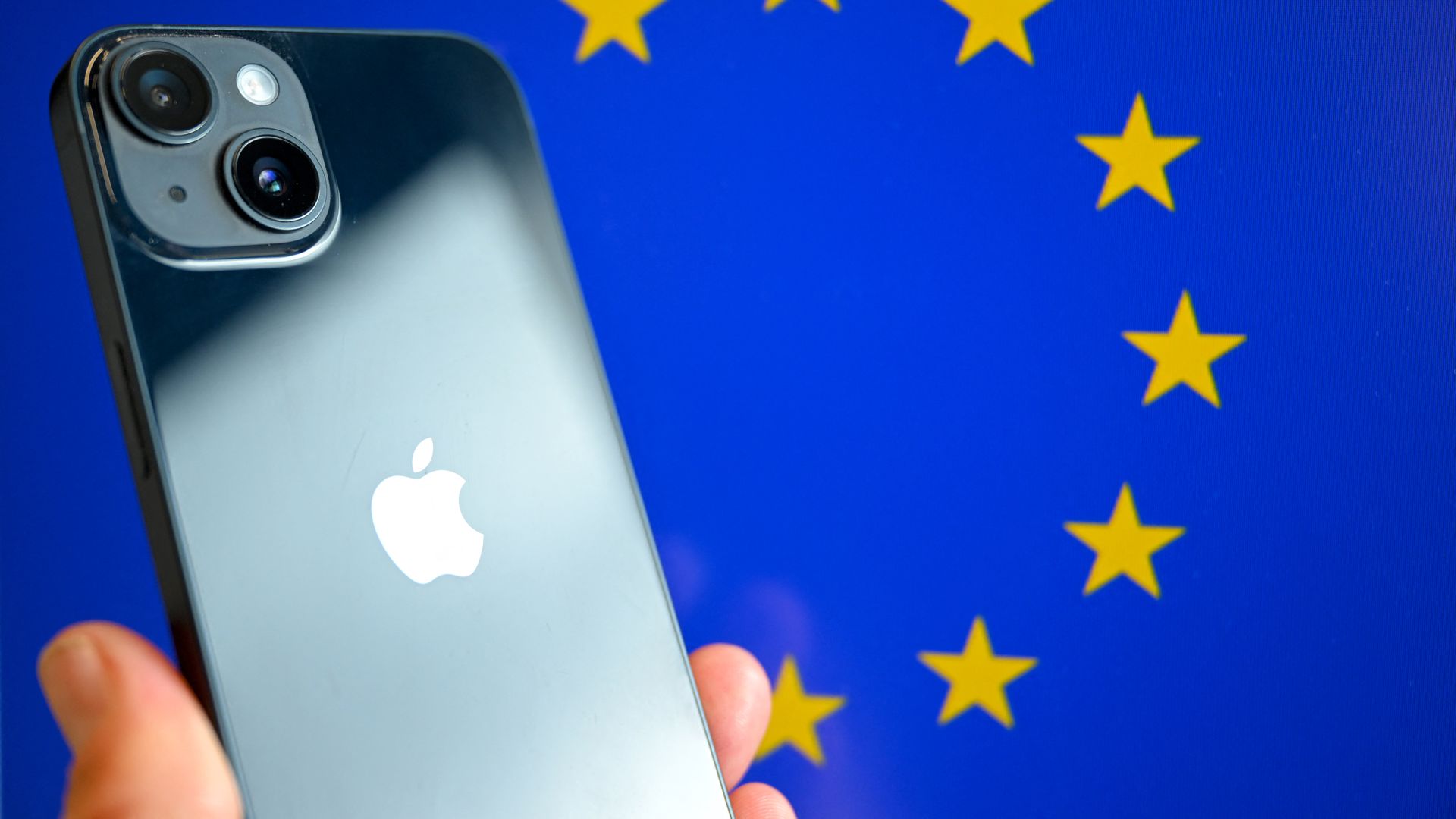
The European Union's top court ruled against Apple Tuesday in the tech company's protracted legal battle over contested back taxes in Ireland.
Why it matters: The ruling means Apple will be forced to pay Ireland up to €13 billion ($14.4 billion) in back taxes and represents the latest setback in Europe for the tech giant.

Google inks deal to hit carbon cost milestone

Google's got a counterintuitive plan for tackling the urgency of climate change with carbon removal: patience.
Why it matters: A deal with the startup Holocene targets much lower costs — $100 per ton of CO2 — than current direct air capture systems that are well into the hundreds of dollars per ton.
SpaceX crew to attempt first commercial spacewalk

SpaceX's Polaris Dawn mission launched aboard a Falcon 9 rocket from NASA's Kennedy Space Center in Florida early Tuesday morning for a historic, high-risk operation.
Why it matters: The four-member civilian crew's mission features an attempt at the first-ever commercial spacewalk — around 430 miles above Earth.


The first prediction markets election
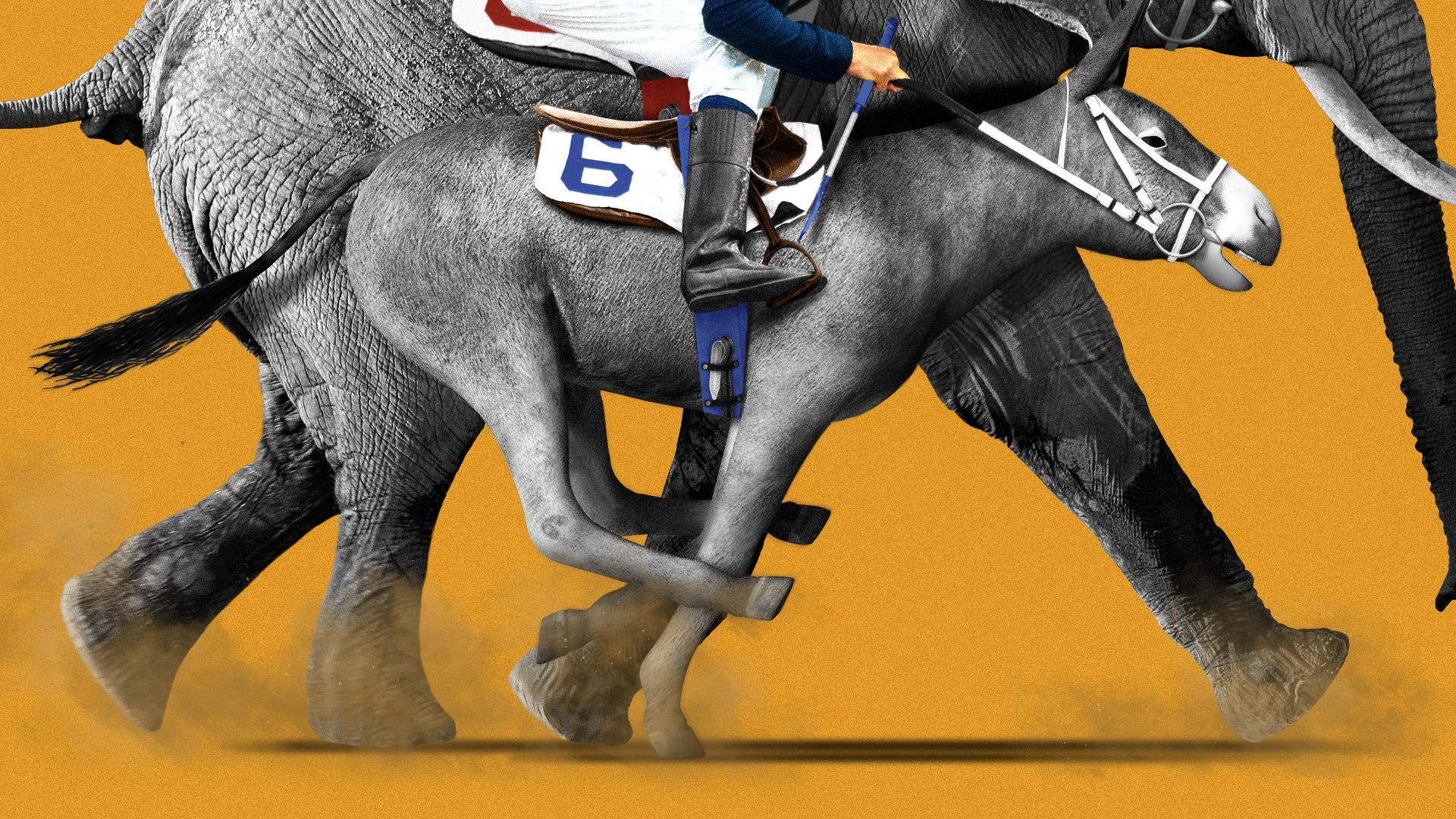
"Election markets are coming!" That was the message splashed across the prediction market Kalshi homepage on Monday, along with a note saying, "Election markets are now legal for the first time in 100 years."
Why it matters: At stake is the ability of the general public to profit from election outcomes — and, if you believe the U.S. government, the integrity of U.S. elections themselves.

Apple's slow AI rollout threatens iPhone upgrade cycle

Tim Cook touted the new iPhone 16 series Monday as the first phones designed for Apple Intelligence — but the company's slower-than-expected rollout of its AI services and features could put a damper on this year's upgrade cycle.
Why it matters: Apple counts on a regular wave of iPhone sales kicked off each autumn by its new-model phones. Smaller retailers, wireless carriers and component suppliers depend on that wave, too.
Which Apple AI features are coming when (and where)

Apple's generative AI features are coming in waves, with some arriving in October, others later this year and another set due sometime before the middle of next year.
Why it matters: Those considering buying an iPhone 16 for the AI features will want to be clear-eyed about Apple's timeline, which also varies by region and language.

"Dragon drones" are spitting fire in the Russia-Ukraine war

Fire rains down on Russian positions in clips shared by the Ukrainian military, showcasing yet another drone-borne concoction in Eastern Europe.
Why it matters: Innovation is the name of the game in the Russia-Ukraine war — and this is among the latest and most terrifying weapons.