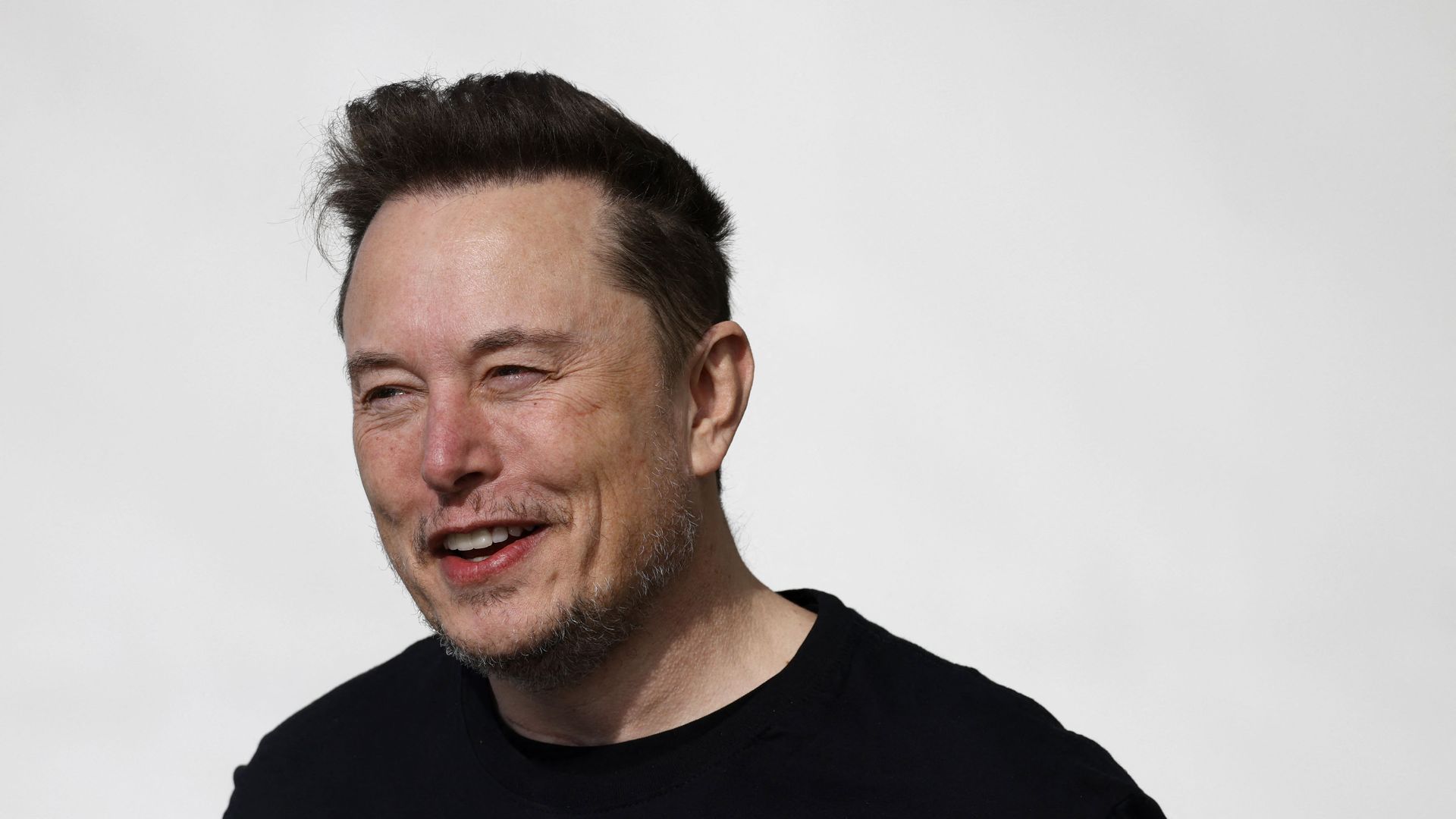
Why it matters: Between his loyal base of followers and outsized influence in major industries, Musk's endorsement would likely carry some weight ahead of what is expected to be a close presidential race.
Michael Lynch on Monday goes on trial in San Francisco for allegedly defrauding Hewlett-Packard during the $11.7 billion sale of Autonomy, an enterprise software company he co-founded and led as CEO.
Why it matters: This is the highest-profile Silicon Valley fraud case since Elizabeth Holmes and Theranos, and much larger in terms of dollars lost.
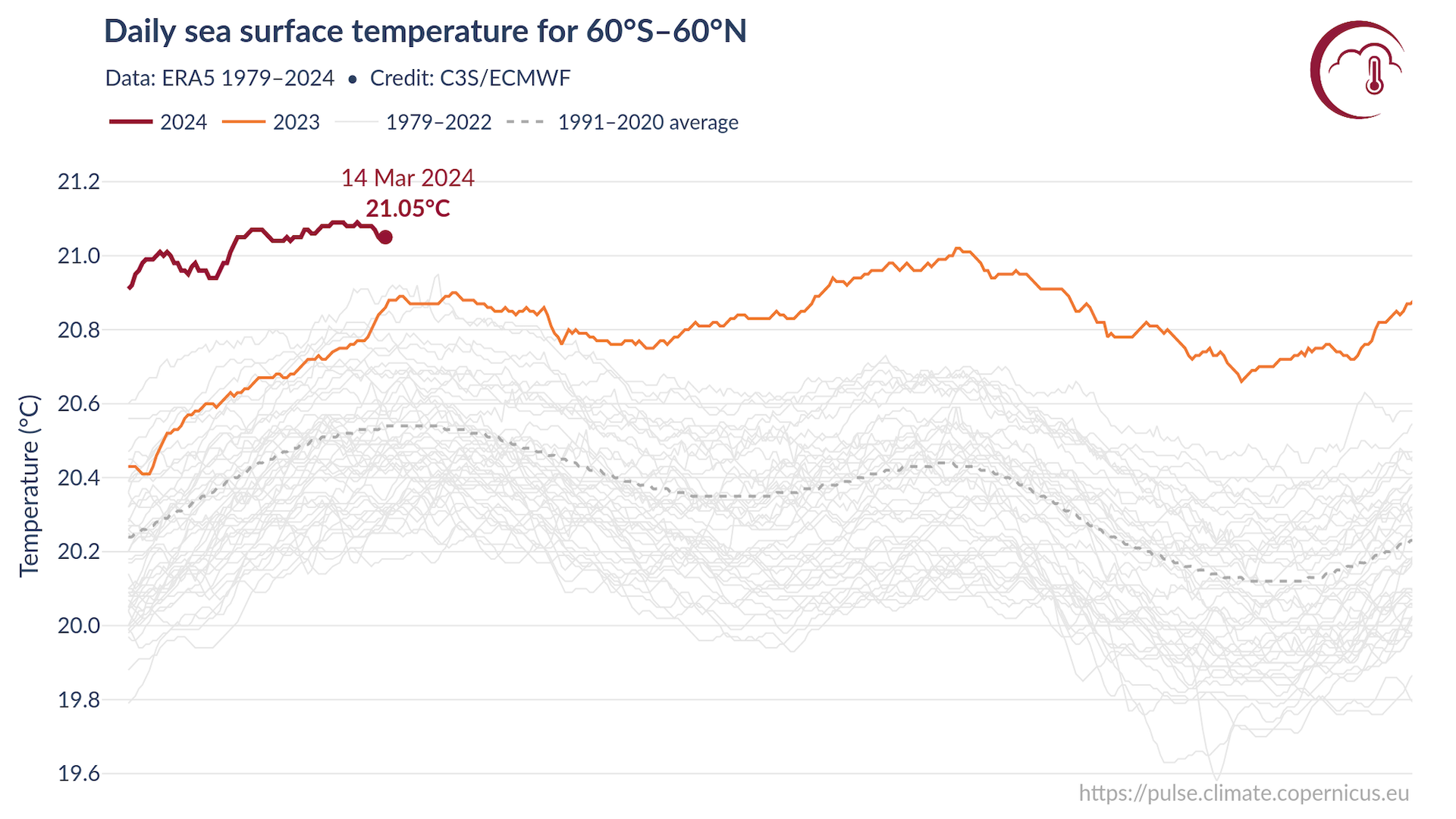
The Copernicus Climate Change Service has an intriguing new tool for tracking global average temperatures.
Why it matters: The aptly named "Climate Pulse" allows the public to keep tabs on global air temperature trends and anomalies, as well as ocean temperatures.
Locked cases, security turnstiles, AI-equipped cameras, receipt scanners, off-duty cops, license plate recognition — retailers are piling on anti-theft technologies as shoppers grit their teeth.
Why it matters: Striking the right "convenience vs. security" balance is critical for retailers, who need to thwart shoplifting without turning off legit customers.
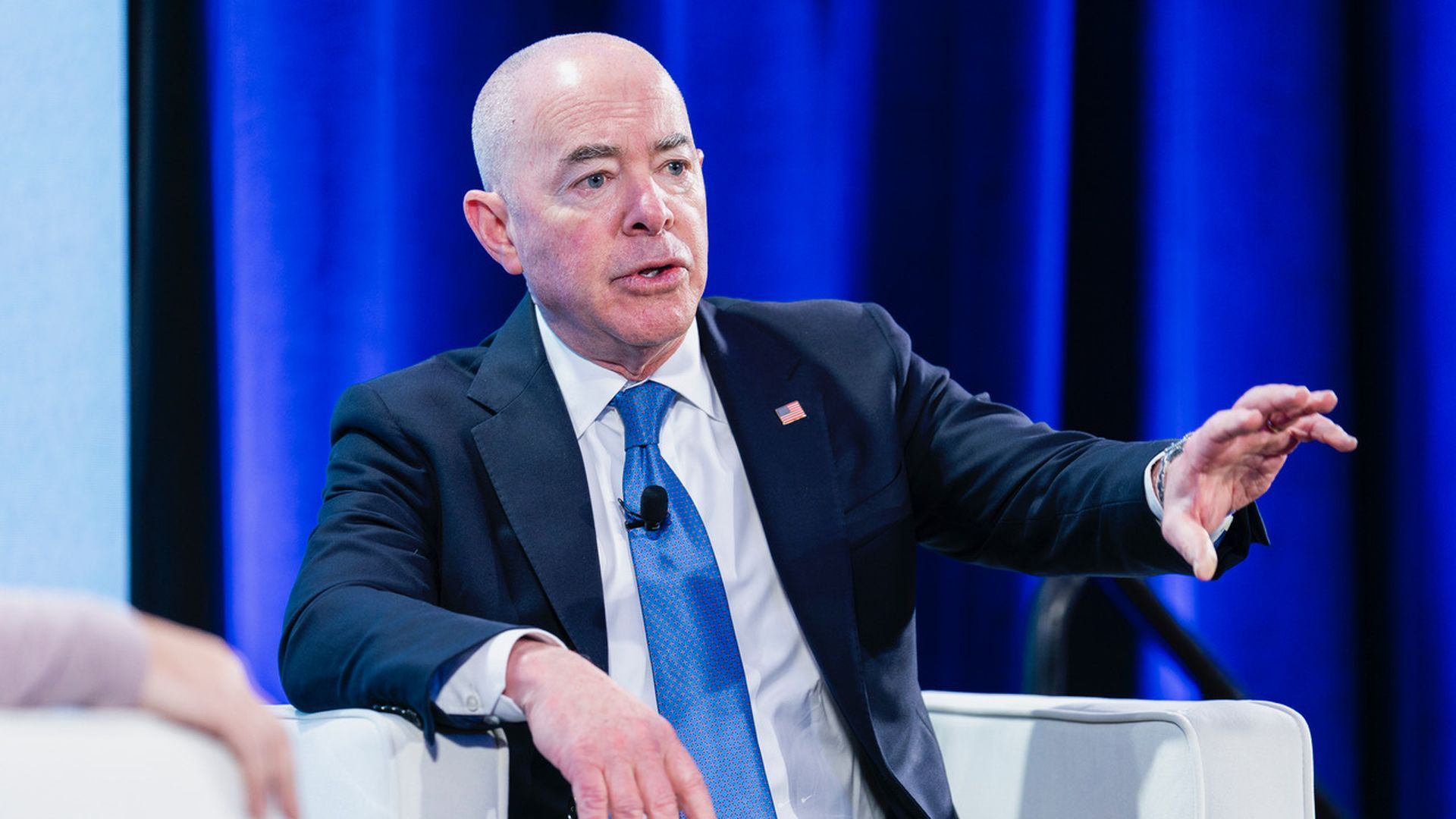
The Department of Homeland Security announced Monday that it's expanding its use of generative artificial intelligence with a trio of new pilot projects.
Why it matters: Like many government agencies, DHS is trying to figure out where it can harness generative AI despite risks related to accuracy, bias and other issues.
Reddit's plan to start selling shares to the public later this week is dropping the popular discussion site into the center of a sprawling struggle between AI companies and content creators over rights and compensation.
Why it matters: Every post and photo that humans have added to the internet over the last 30 years is now potentially fodder for training AI, but the conflict over who should pay for what has only just started.








/2024/03/17/1710714938821.gif?w=3840)