In a future where AI can create realistic videos of anyone saying anything, the only way to stave off chaos might be to make sure individuals own the rights to their identities and likenesses.
What they're saying: Tom Graham — CEO of Metaphysic, a company that has turned heads with its AI-generated celebrity videos, like Deep Tom Cruise — made that case in an interview with Axios' Ina Fried at the AI+ Summit in Washington, D.C. Tuesday.
OpenAI's recent board drama shows regulators need to set rules of the road on artificial intelligence, Sen. Amy Klobuchar told Axios Pro's Ashley Gold during the Axios AI+ Summit Tuesday.
Why it matters: Few lawmakers have weighed in on what instability at the maker of the hugely popular ChatGPT means for the responsible and safe development of AI.
Corporate cybersecurity teams are now more likely to get support from their boards than to lose their jobs after a cyberattack, according to new data from cyber company Trellix first shared with Axios.
Why it matters: Cybersecurity professionals have long feared they would be fired and made the scapegoat for their organization after a company data breach or cyberattack.
Several hospitals across the country are diverting ambulances from their emergency rooms and rescheduling operations following a ransomware attack.
Driving the news: Ardent Health Services, which operates 30 hospitals across six states, said in a statement Monday that a ransomware attack had led it to proactively take its networks offline on Thanksgiving.
Consulting firm Accenture has swapped out insecure, phrase-based passwords for PINs and biometric-based online logins across the vast majority of its global workforce.
Why it matters: Most people struggle to come up with complex passwords that are easy to remember but difficult for hackers to guess.
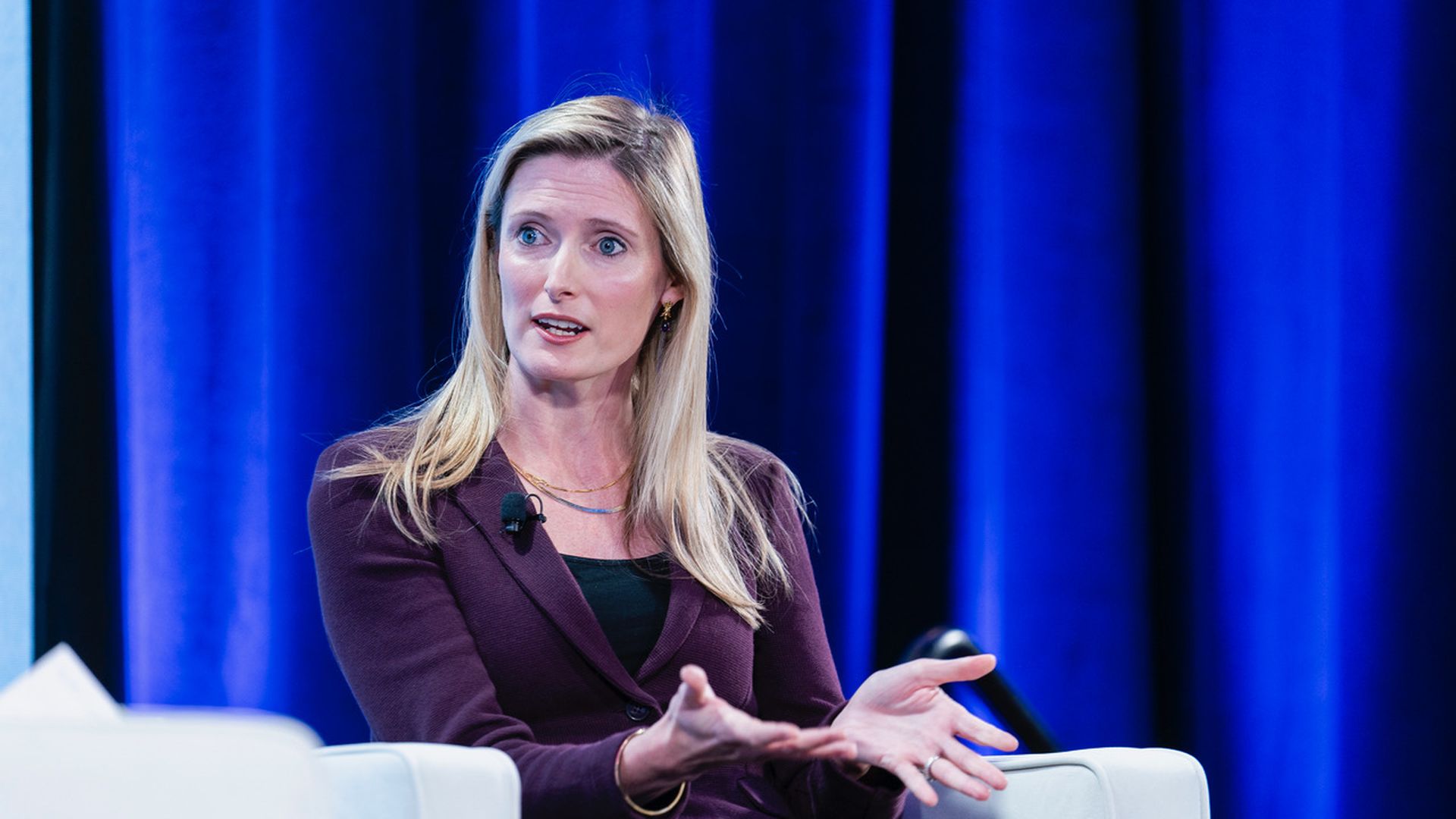
Alexandra Reeve Givens, president and CEO of the Center for Democracy & Technology, on Tuesday called for companies and election officials "to start acting right now" to counter threats from AI before voters around the world head to the ballot box in 2024.
Driving the news: Reeve Givens, who spoke with Axios Pro's Maria Curi at the Axios AI+ Summit in Washington, D.C., warned that the U.S. can't wait for lawmakers to pass legislation to protect elections from AI.
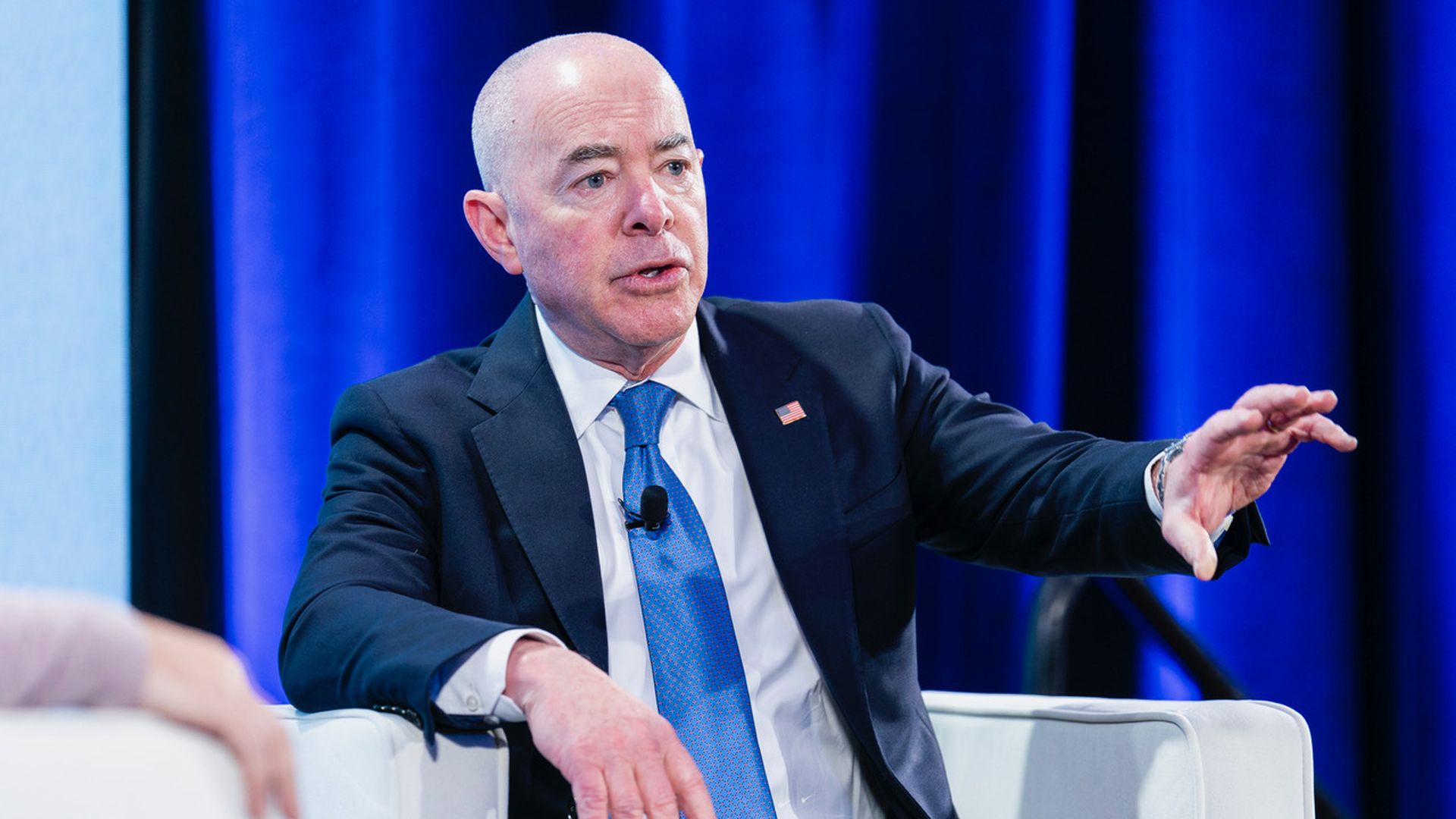
The Department of Homeland Security's work on AI has gone into "hyper-drive" as hackers start leaning more on generative AI in their attacks, Secretary Alejandro Mayorkas said Tuesday at Axios AI+ Summit in D.C.
Driving the news: During an interview with Axios' Ina Fried, Mayorkas said DHS is juggling several AI priorities — including implementing AI tools in its own criminal investigations and defending against the cyber threats AI is bound to accelerate.
Advances in AI are imperiled by our failure to build the new technology with ethical care, says Rumman Chowdhury, scholar and co-founder of the AI non-profit Humane Intelligence.
Why it matters: While the media and policymakers are transfixed by warnings about long-term existential risks AI might pose, they are ignoring hard evidence of real harms happening today, Chowdhury told Axios' Ina Fried Tuesday at Axios' AI+ Summit in Washington, D.C.
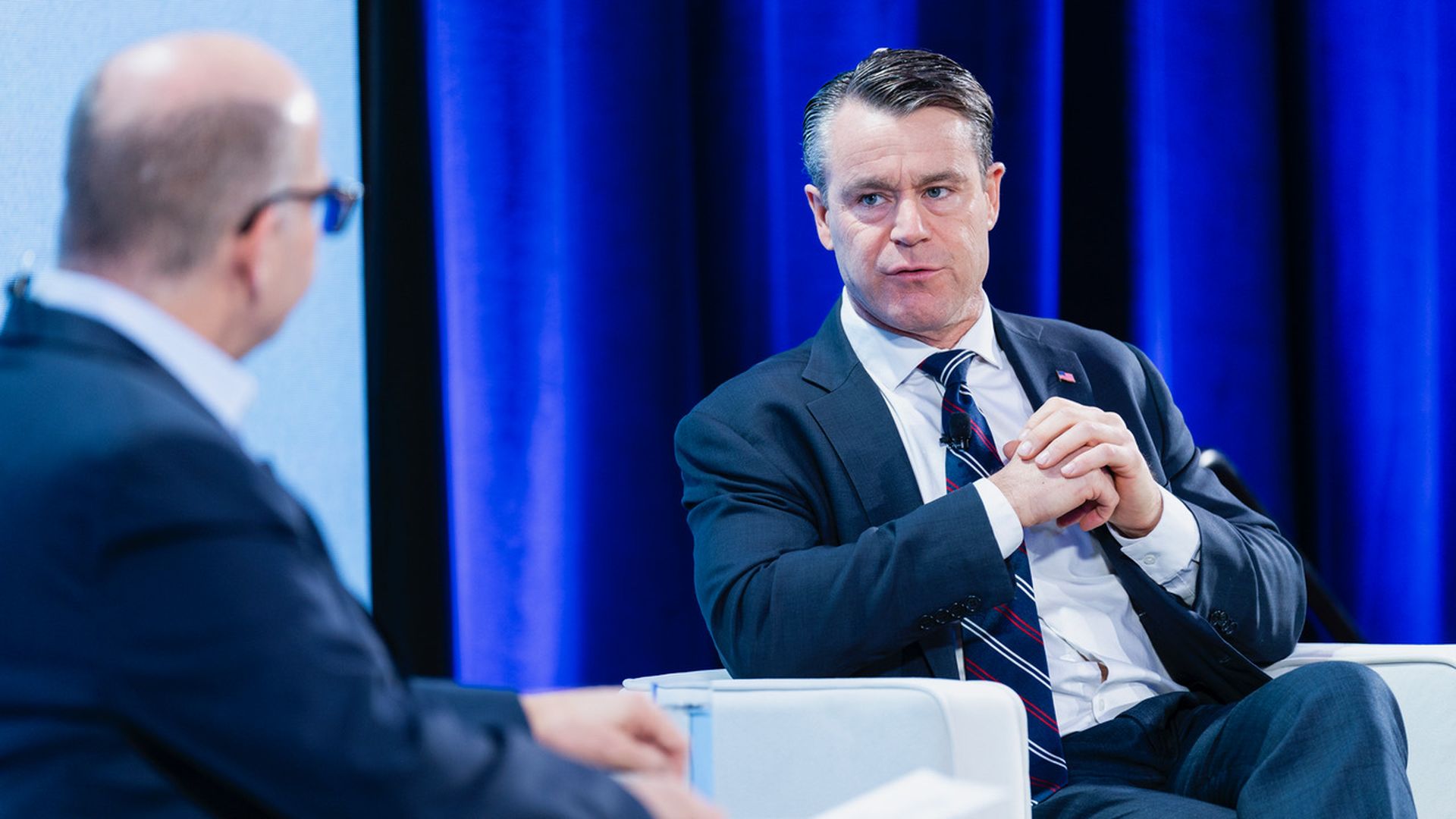
The debates at the Senate-organized AI Insight Forums in D.C. have been surprisingly non-partisan, Sen. Todd Young (R-Ind.) told Axios' Mike Allen at Axios' AI+ Summit in Washington, D.C. Tuesday.
Driving the news: Young is one of the hosts of Senate Majority Leader Chuck Schumer's series of discussions about AI including key political and industry figures. The next forum will be held on Wednesday, Nov. 29, and will cover copyright.
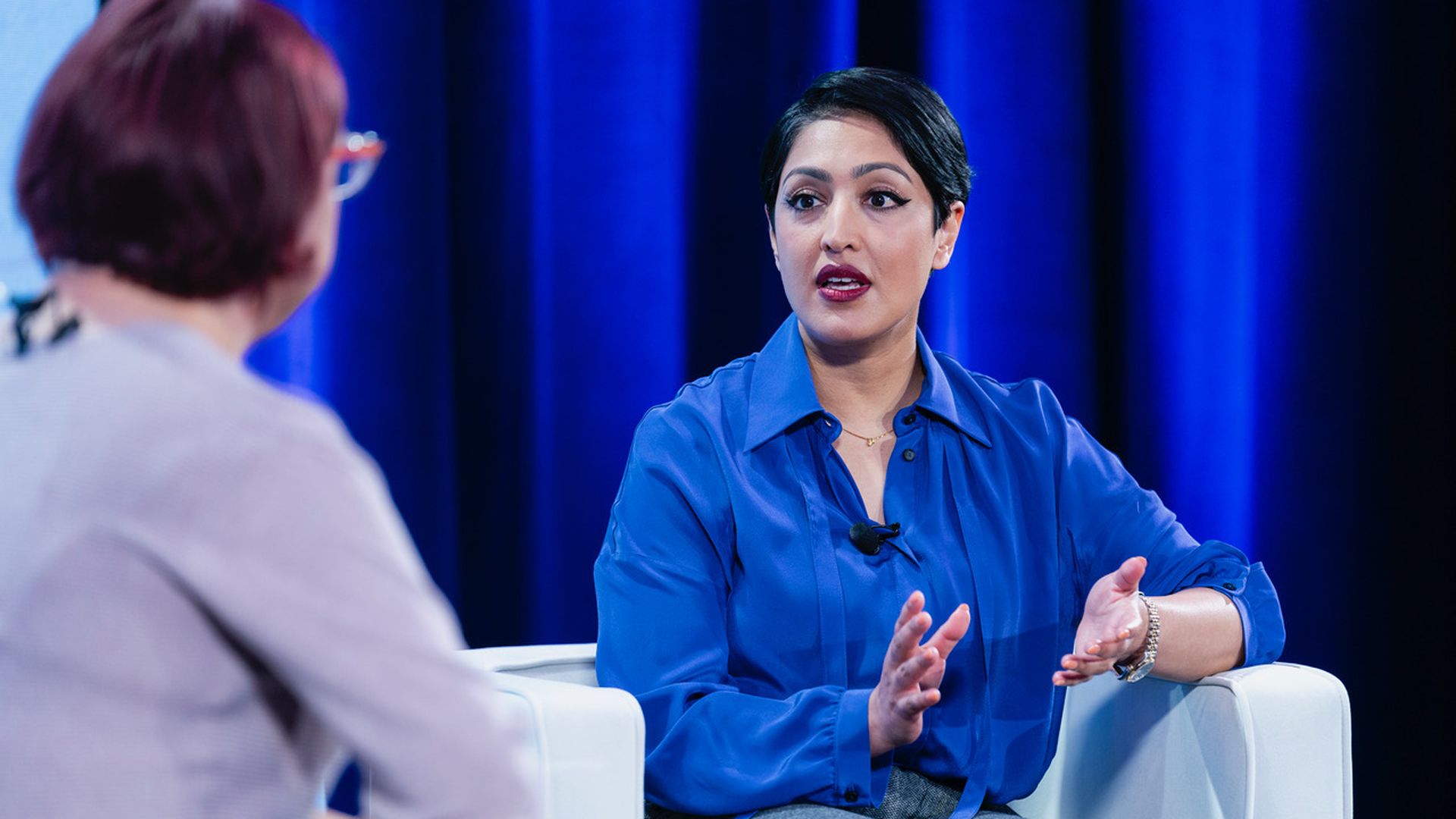
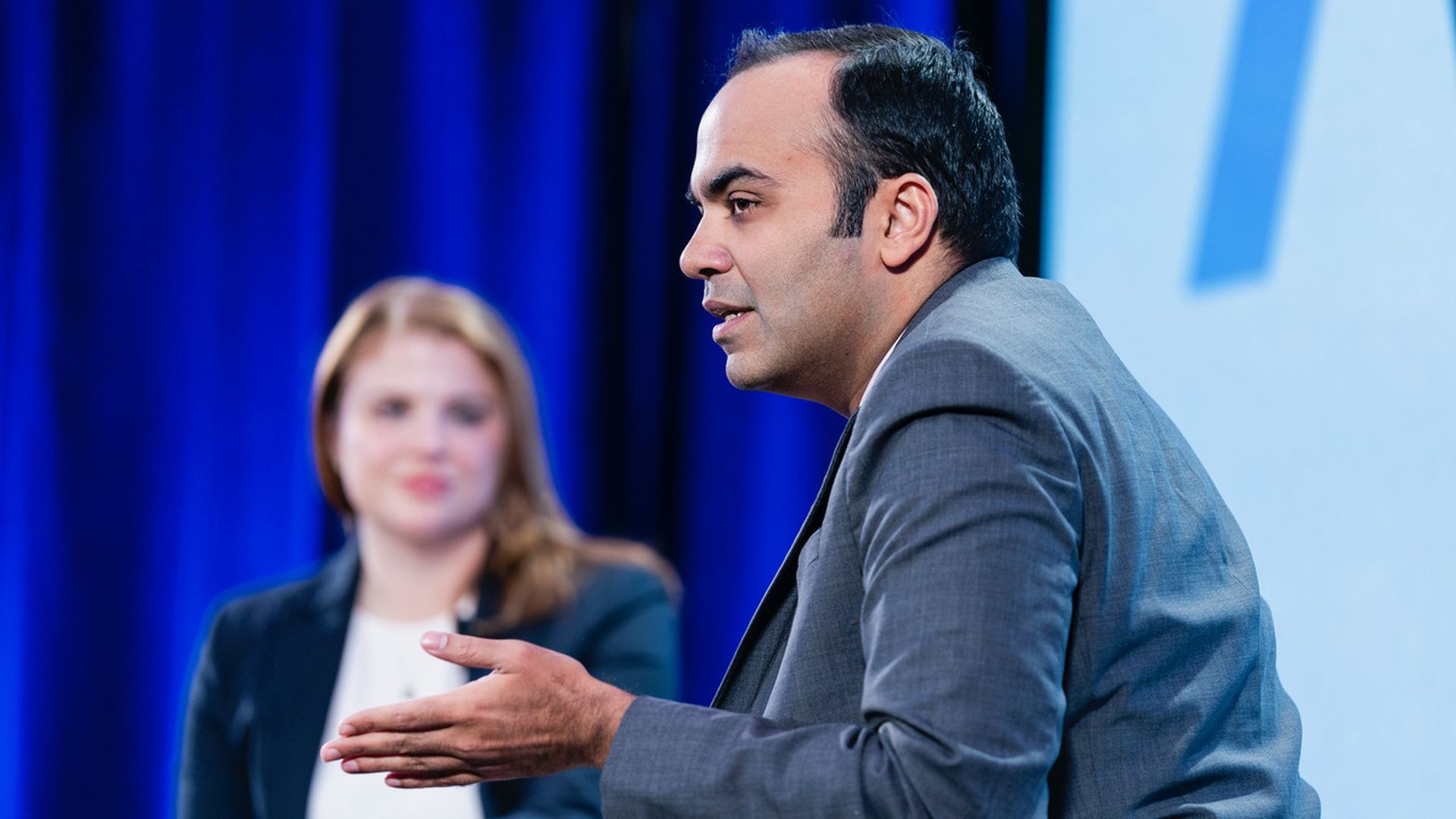
Consumer Financial Protection Bureau director Rohit Chopra on Tuesday said he's concerned that a handful of firms and individuals could wield "enormous control over decisions made throughout the world" with advances in artificial intelligence.
Driving the news: Chopra spoke with Axios Pro's Ashley Gold at the Axios AI+ Summit in Washington, D.C., highlighting the way the massive aggregation of consumer data will alter the economy and impact Americans.
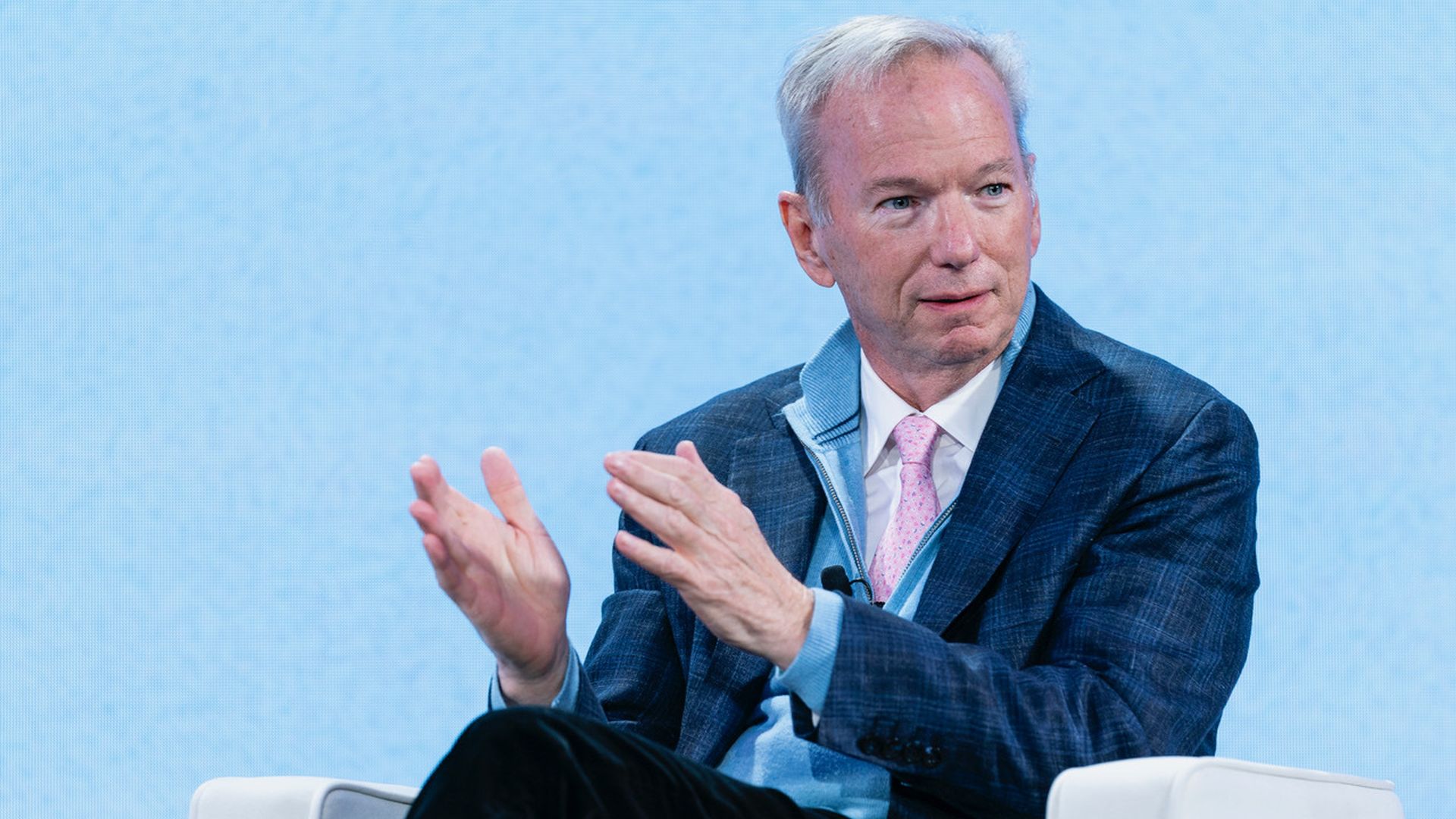
Guardrails AI companies add to their products to prevent them from causing harm "aren't enough" to control AI capabilities that could endanger humanity within five to ten years, former Google CEO Eric Schmidt told Axios' Mike Allen on Tuesday.
The big picture: Interviewed at Axios' AI+ Summit in Washington, D.C., Schmidt compared the development of AI to the introduction of nuclear weapons at the end of the Second World War.
Somewhere over the Atlantic Ocean a Boeing 787 Dreamliner is mid flight — but this is no ordinary voyage.
Driving the news: The Virgin Atlantic trip on Tuesday will be the first commercial widebodyairliner crossing 100% powered by "sustainable aviation fuels."
It's been only a year since OpenAI released ChatGPT, but the technology has evolved at such a rapid pace that the original now seems almost quaint.
Why it matters: Many in the tech field were surprised by the technology a year ago and have been astonished at just how fast generative AI is improving.
The lay of the Big Tech landscape has profoundly shifted in the year since OpenAI released ChatGPT on Nov. 30, 2022.
Why it matters: Tech's own innovation — rather than government or any other external force — has once again driven a massive transformation of the industry.
Google will start deleting inactive Gmail accounts this week.
The big picture: The search giant is making the move in order to reduce the risk of forgotten or unattended accounts being compromised as they are often vulnerable and have fewer security checks.






/2023/11/22/1700668085494.gif?w=3840)