A recent reportfrom the Anti-Defamation League about the rise of extremism in online game communities has stirred a response from members of Congress.
Driving the news: Seven Democratic members, including Reps. Lori Trahan of Massachusetts, Katie Porter of California and Sen. Ron Wyden of Oregon, are co-signing a letter that will be sent to top game companies tomorrow, requesting information about how they deal with reports of extremism.
Netflix's current transformation has drawn raised eyebrows from analysts and industry insiders — but that's right on brand for a company that's made Hollywood uncomfortable for decades.
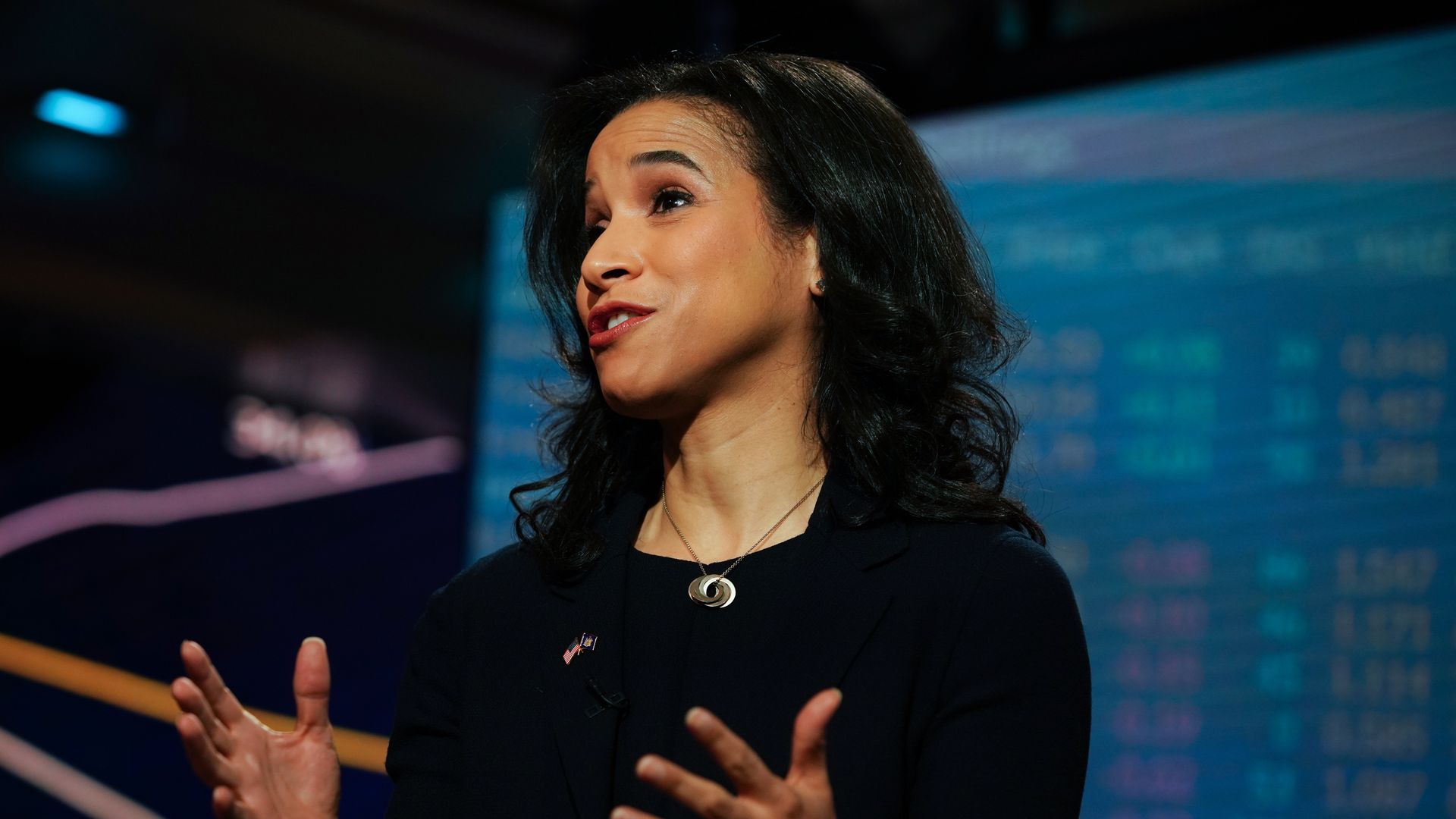
What they're saying: "A lot of people in entertainment are perpetually mad at Netflix because they came and they changed the way of life for this sort of cozy, clubby way that people have done business in Hollywood for a long time," industry insider Janice Min, CEO and founder of The Ankler, told Axios Wednesday night.
Context: Min has been covering Hollywood as a journalist, editor, and media executive for about three decades.
In many ways, what Min did at Us Weekly — bringing a sense of "competition ... and a culture of winning" as she put it — is what Netflix has done.
Case in point: Netflix bragged about the popularity of its show "Dahmer" in its third-quarter earnings report by publishing a Google Trends chart showing how many people were interested in watching it versus HBO tentpole "House of the Dragon" and Amazon's big-budget "Lord of the Rings" series.
The big picture: Netflix brought the "Silicon Valley ethos into an entrenched system" and has been unafraid to pivot and even eat its words on strategy.
While Netflix had long said that advertising would not be its model, the company has now launched a version of its streaming service supported by ads.
And with the release of "Glass Onion: A Knives Out Mystery" in theaters, the streamer is showing how it plans to test different distribution strategies.
The bottom line: "They apologize for nothing," said Min.
Banks licensed in New York were handed a checklist of submission requirements for the state's regulator if they want to do business in crypto.
What's happening: The New York State Department of Financial Services (NYDFS) on Thursday clarified guidelines for regulated banks that wish to start any crypto operations, asking them to submit a business plan to the regulator at least 90 days prior.
Researchers in Mexico are developing an AI program to identify patterns and clues that humans cannot in the search for forcibly disappeared people.
Why it matters: Over 108,000 people have been reported missing or disappeared in Mexico since 1964, according to official counts. A third of the cases have been reported in the last four years.
The crypto industry needs to break from its tendency to serve and eat its own cooking.
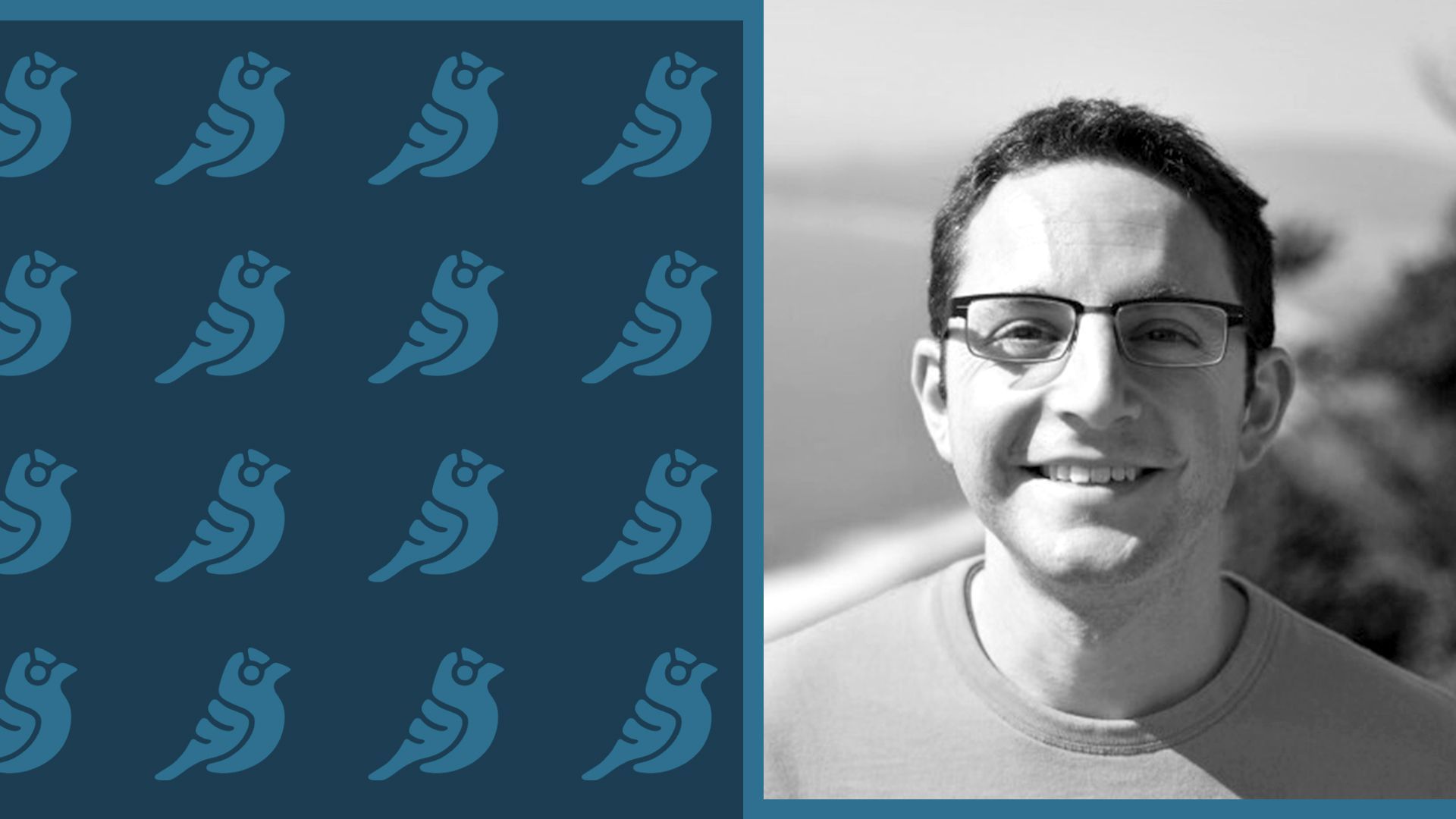
The big picture: "'Financial inclusion' might be a buzz word, but [decentralized finance, or DeFi] has the ability to do this," Mike Sall, co-founder and chief of decentralized credit protocol Goldfinch, tells Axios.
In one of its boldest steps yet into the big-budget video game industry, Amazon announced today that it will publish the next game in the renowned Tomb Raider franchise.
Why it matters: Amazon is still chasing success in an industry where other corporate giants such as Google have poked around and failed.
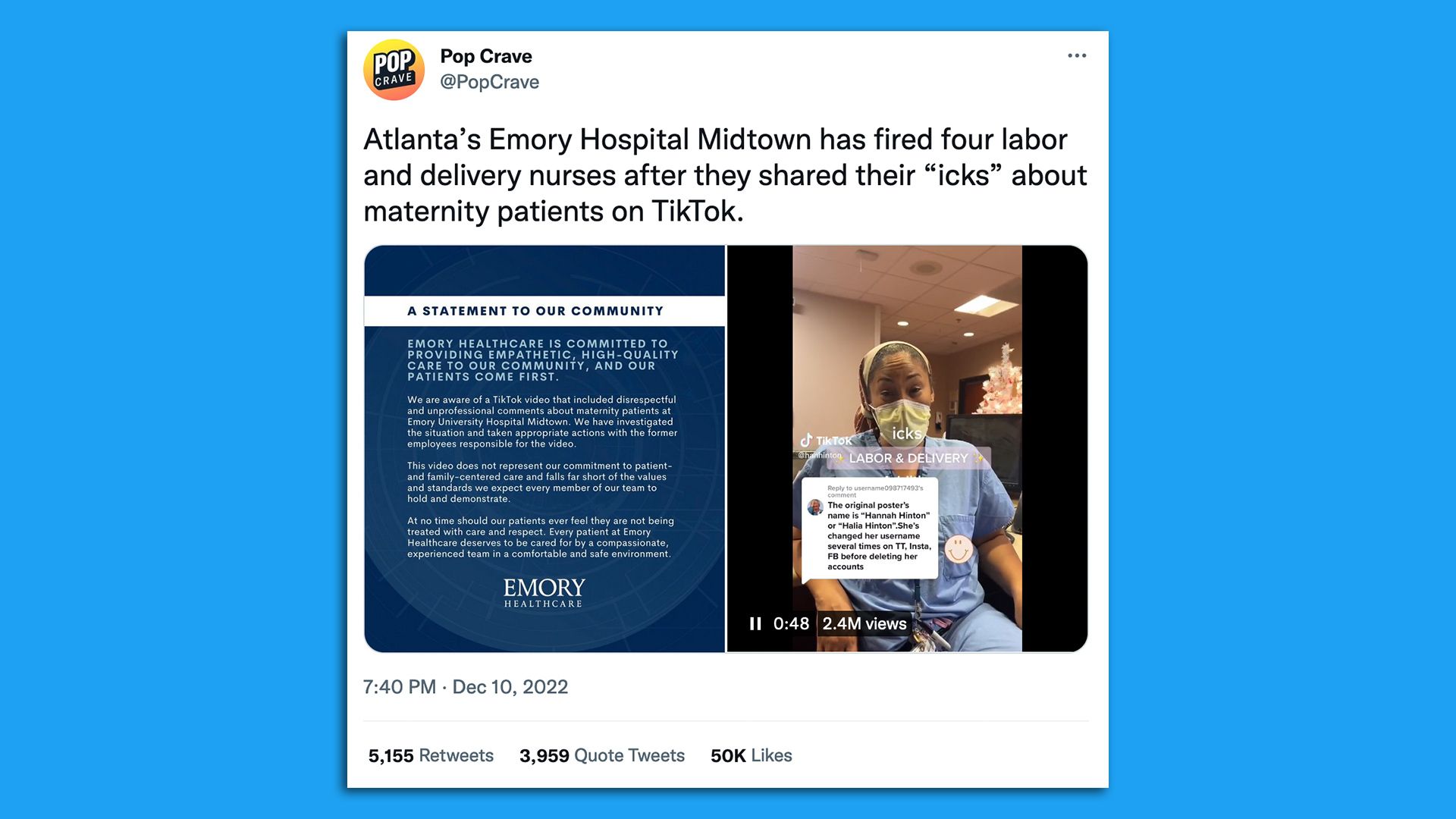
A viral TikTok video of Emory University Hospital Midtown labor and delivery nurses sharing their "icks" about patient behavior sparked outrage this week, prompting many to raise concerns about racial disparities in health care, worker exhaustion and hospital management.
Why it matters: The video struck a nerve with women, particularly Black women, who are up to three times more likely to die during childbirth than their white counterparts across the country.
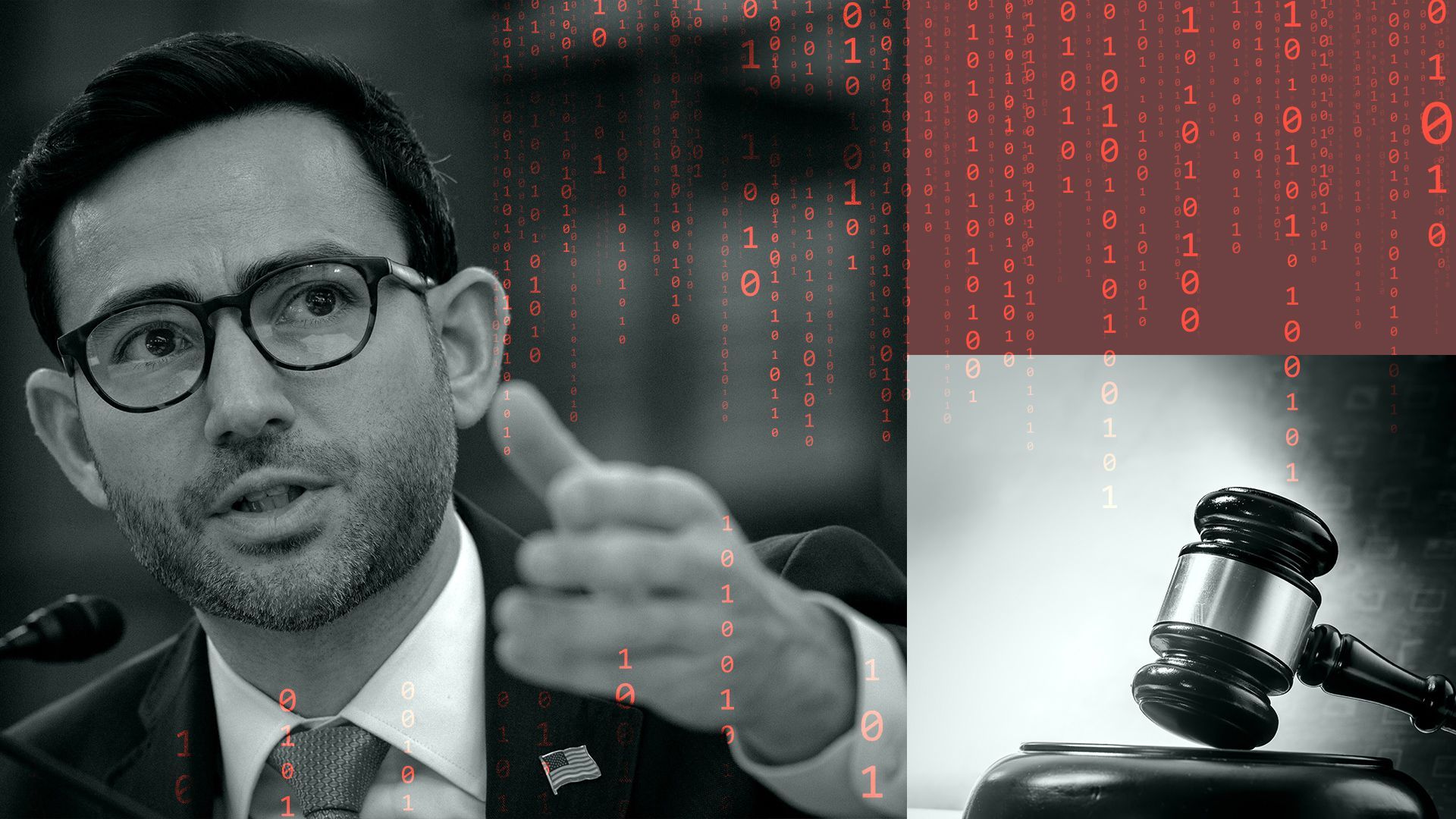
A top Federal Trade Commission official told Axios the agency won't hesitate to sue companies that play fast and loose with customers' data.
In a rare interview, Samuel Levine, director of the Federal Trade Commission's bureau of consumer protection, also warned companies that operate under FTC consent decrees — which includes Twitter — that "there's no pause button" on such agreements.
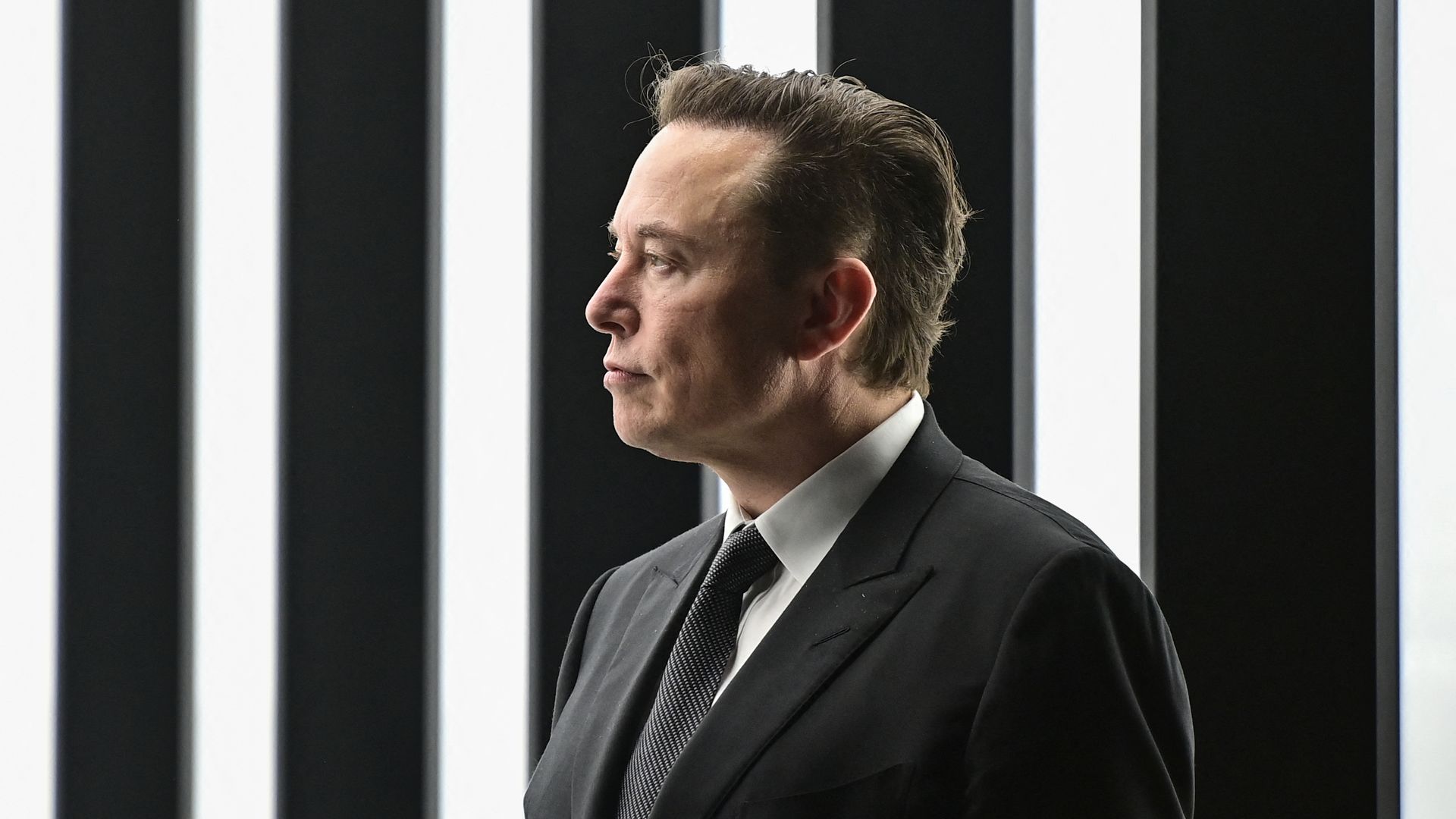
Elon Musk has sold some 22 million Tesla shares worth $3.58 billion, according to filings with the Securities and Exchange Commission Wednesday.
The big picture: The Tesla CEO publicly stated twice this year that he didn't plan to sell any more shares in the electric vehicle maker. However, filings last month showed he sold at least $3.95 billion worth of Tesla stock after completing his $44 billion takeover of Twitter.