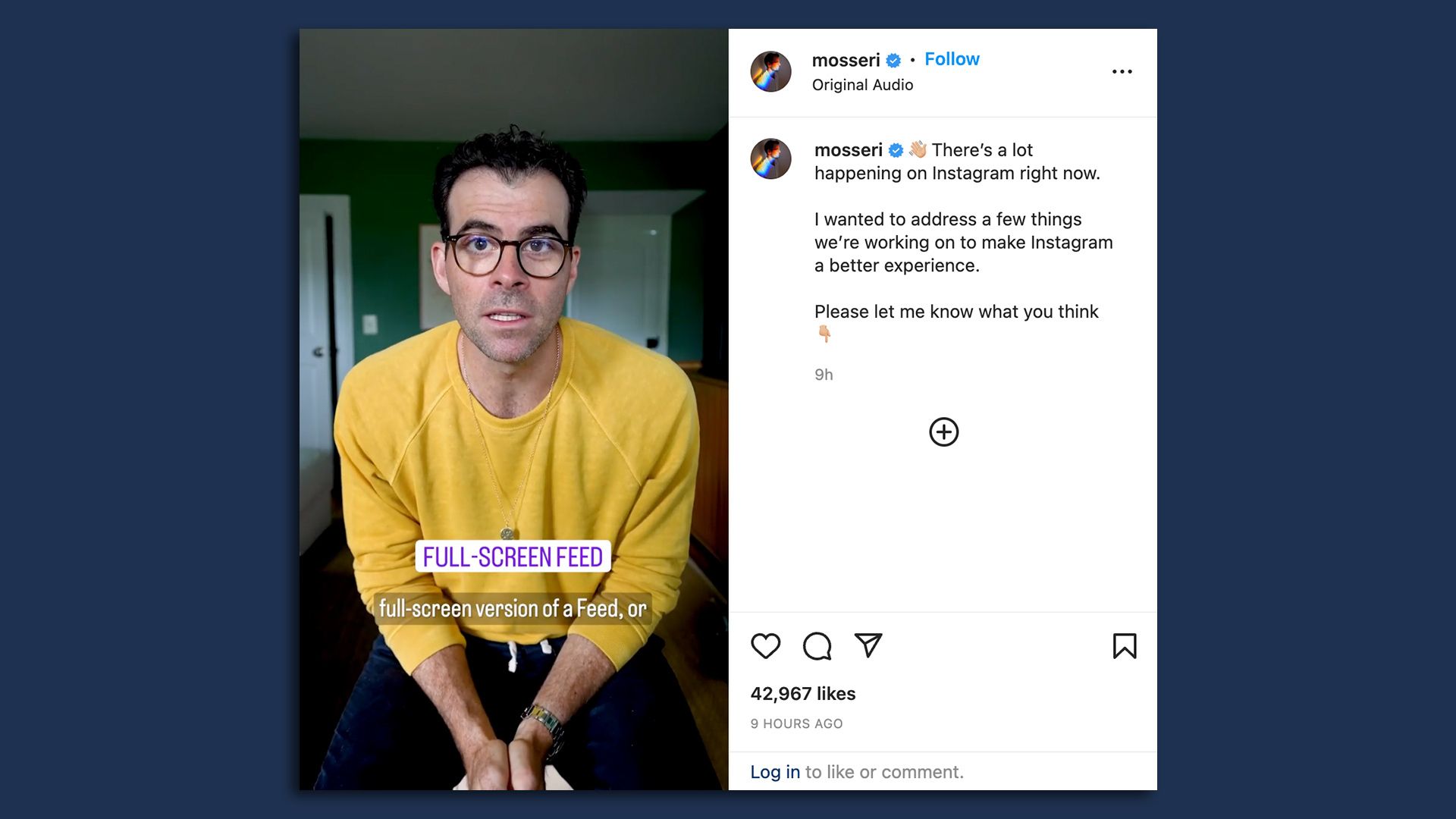
Instagram‘s top boss Adam Mosseri responded to a slew of criticisms Tuesday from some of the app's top celebrity users, including Kim Kardashian, Kylie Jenner, and Chrissy Teigen, about experiments the company is undertaking to make the social media platform more video-focused.
Why it matters: For many in Instagram's community, the pivot to video feels like an abandonment of its roots as an artistic photo-sharing app.
Google parent Alphabet narrowly missed revenue and earnings expectations in earnings reported Tuesday.
What's happening: Shares were up 2% in after-hours trading Tuesday. Investors had braced for the worst after weak earnings reports from Snapchat and Twitter suggested a slowing ad market.
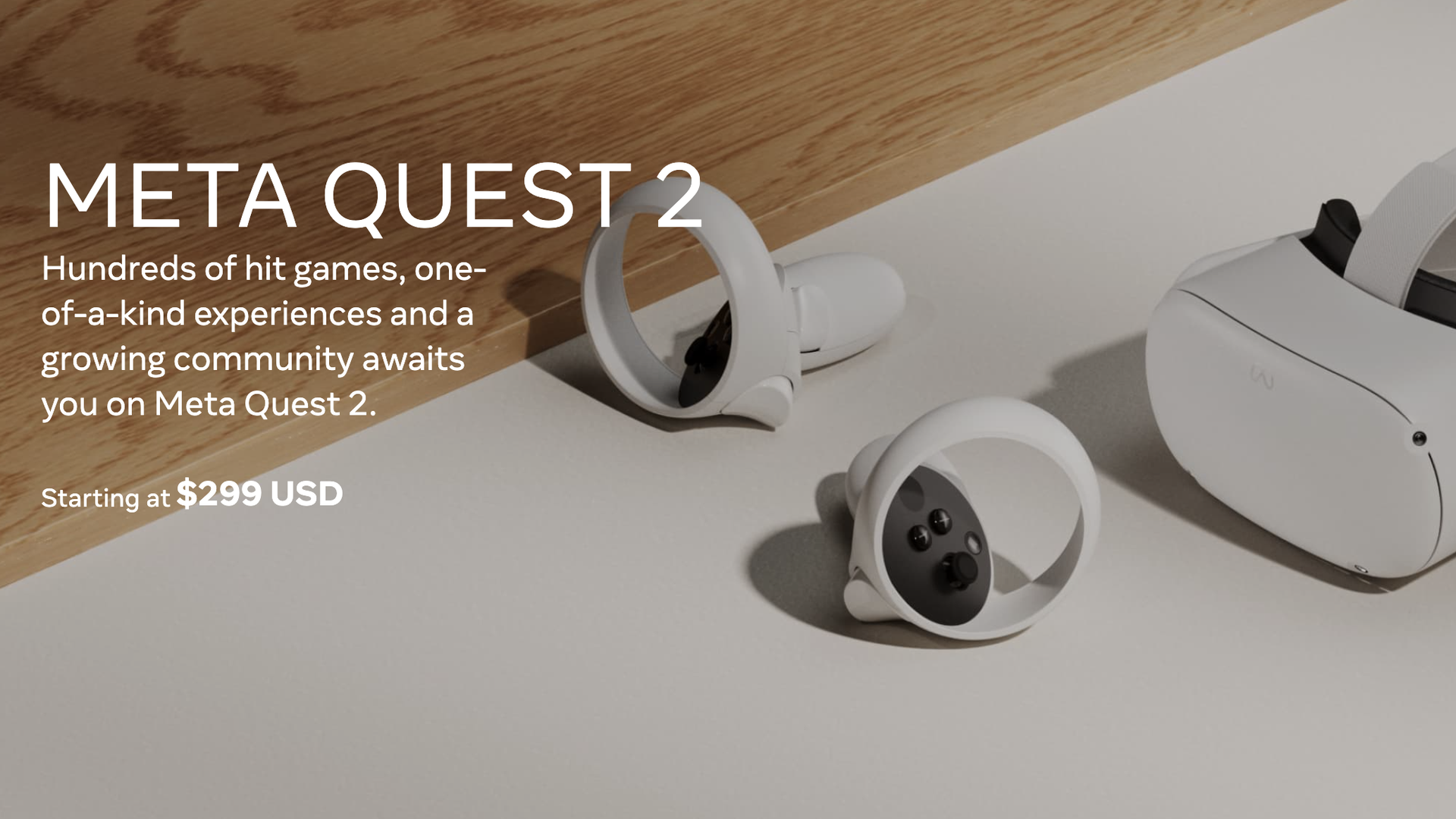
Meta announced Tuesday that it would raise the price of both models of its core virtual reality product, the Quest 2 headset, by $100 effective August 1.
Why it matters: Tech hardware prices almost always go down over time, or customers get more for the same price. But Meta is betting it can raise prices even as it's trying to push the entire market towards its metaverse promised land.
The Senate voted 64-32 Tuesday to advance a roughly $280 billion package to boost funding for domestic chip production, a priority for the Biden administration and companies like Intel and IBM.
Why it matters: The bill is meant to entice companies to expand chip manufacturing in the U.S., reducing the risk of the supply chain disruptions that hampered production of everything from cars to appliances and helping the U.S. compete overseas, particularly with China.
Analysts have begun cutting projections for advertising growth this year, sending shockwaves through the media and tech industries.
Why it matters: Macroeconomic factors, such as supply chain issues and inflation, are causing a deceleration in ad growth at a level most companies hadn't anticipated when forecasting for the second quarter.
As the Senate finally moves this week toward a likely vote on funding domestic chip manufacturing in the U.S., the rest of the semiconductor world is charging ahead with big new deals and initiatives.
Driving the news: On Monday, Intel said that it has a deal to manufacture chips for Taiwanese smartphone-chip designer MediaTek. That marks Intel's first big customer for its effort to open up its factories to make chips based on others' designs.
A new generation is dramatically reshaping the internet — rejecting and rebuking the social networks they grew up with, which barely resemble themselves anymore.
Why it matters: The social hierarchies created by decades of public "like" counts, and the noise level generated by clickbait posts and engagement lures, have worn on Gen Z. And constant pivots by social media giants have eroded younger users' trust.
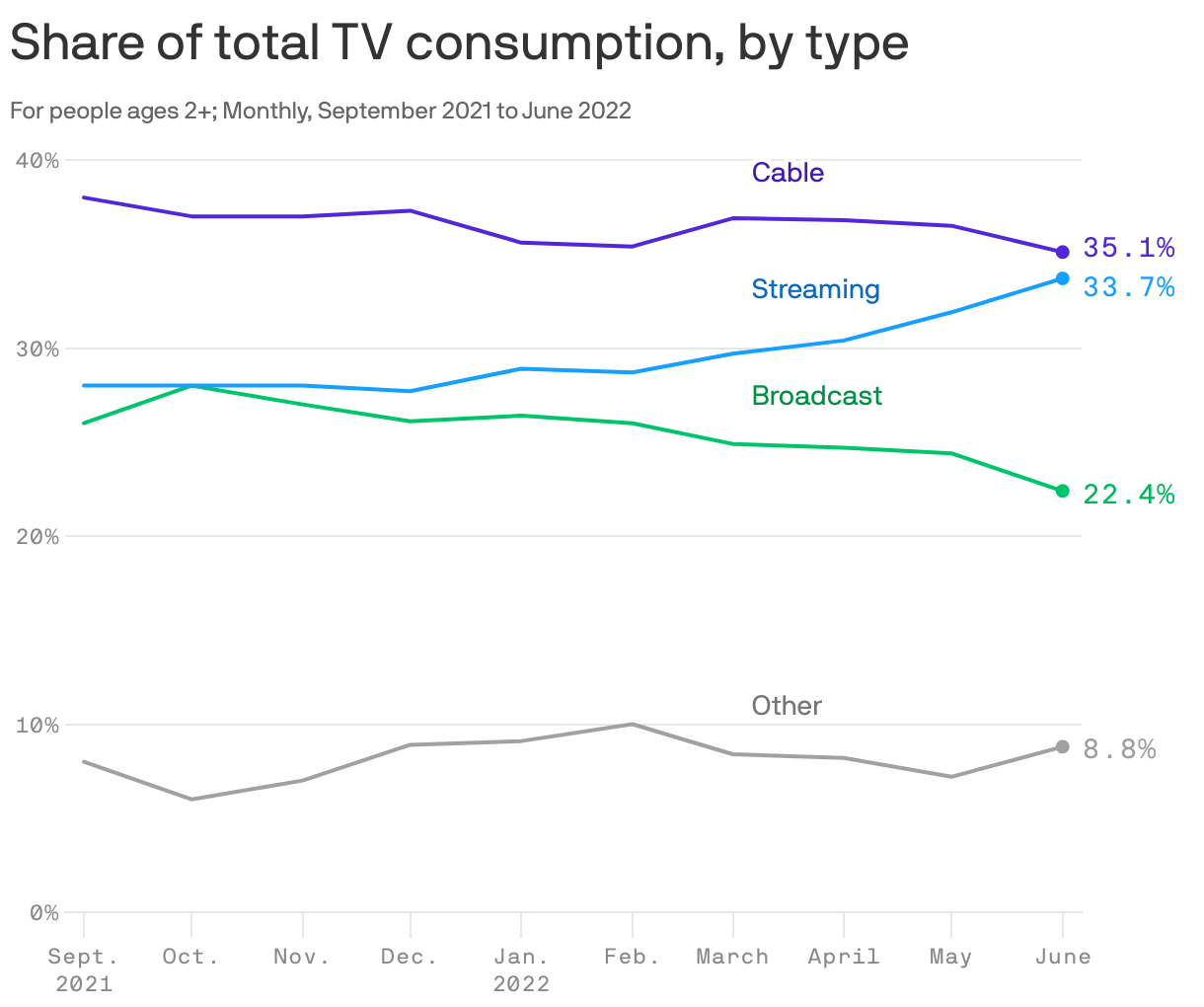
Streaming made up one-third of television consumption among people in the U.S. last month, per Nielsen, the highest percentage since the media measurement firm began its monthly report in June 2021.
Why it matters: Cable and broadcast saw their lowest-ever share of the television audience, although they still collectively make up the vast majority of TV viewing in the U.S., for now.
Facebook said Monday it's created a new music revenue sharing program that will allow creators to make money on videos that use licensed music.
Why it matters: The move will help Facebook and its parent company Meta better compete with TikTok for creators' time and attention. Previously, creators couldn't monetize videos with licensed music on Meta.
The White House’s Office of the National Cyber Director has named Google executive Camille Stewart Gloster as a deputy national cyber director focused on workforce programs and supply chain security issues, according to an administration official familiar with the hire.
The big picture: Stewart Gloster’s hire comes as the one-year-old National Cyber Director’s office continues to fill out its roughly 50-person staff. In May, CNN reported that the office had hired a former Microsoft executive, a CIA official and a National Security Council member to deputy director positions.
Mark last week as the end of the social networking era, which began with the rise of Friendster in 2003, shaped two decades of internet growth, and now closes with Facebook's rollout of a sweeping TikTok-like redesign.
The big picture: Under the social network model, which piggybacked on the rise of smartphones to mold billions of users' digital experiences, keeping up with your friends' posts served as the hub for everything you might aim to do online.