Leaders of the crypto industry, whether discussing roiling markets or the future of [name anything], encouraged enthusiasts and skeptics alike to see the value of crypto as tech.
Driving the news: Thousands flocked to Austin, Texas as Digital Currency Group subsidiary CoinDesk kicked off their crypto conference yesterday.
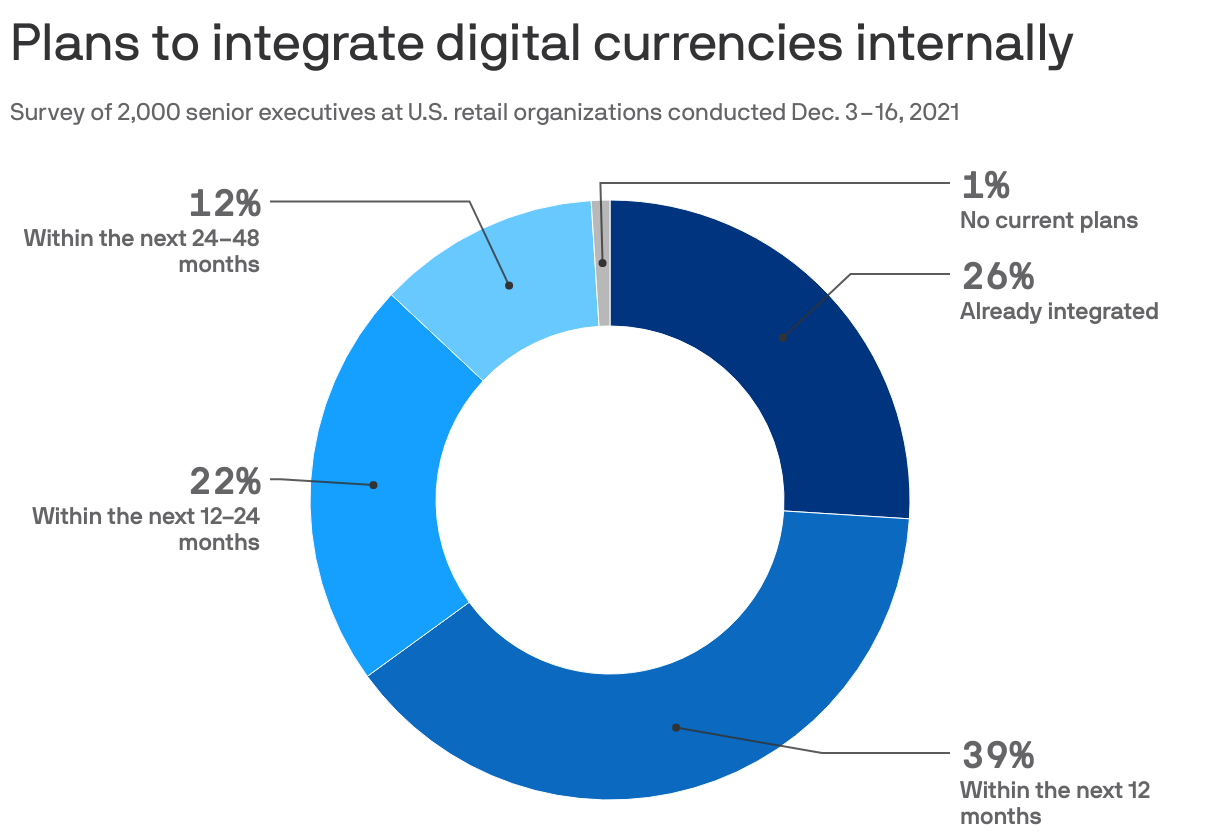
Driving the news: That's according to a fresh report from Deloitte. They surveyed over 2,000 executives in retail organizations, and 65% of respondents said that their company either has already enabled crypto payments or should do so within a year.
Activision Blizzard will announce Friday that it is opening collective bargaining negotiations with workers in the gaming giant’s Raven Software unit who recently voted to join a union, Axios has learned.
Why it matters: Activision is in the middle of trying to get regulatory approval for its $68.7 billion acquisition by Microsoft.
The inaugural class of the U.S. Digital Corps will join the Biden administration this month, working on technology-intensive projects in immigration, healthcare, cybersecurity and other sectors.
Why it matters: The new program is meant to boost the administration's roster of tech-savvy workers to more efficiently deliver government services — and tempt early career technologists into joining the federal workforce.
Right now, Apple's system for connecting your iPhone to your auto, CarPlay, merely takes over a car's entertainment functions — but soon Apple intends to provide a pervasive interface controlling everything from the dashboard and the temperature controls to mapping and music.
Driving the news: The sneak peek at the future of CarPlay occupied less than three minutes of Apple's keynote on Monday — but it was arguably the most significant reveal of this year's developer conference.
Once far-fetched dreams for the future of transportation — delivery drones! driverless trucks! air taxis! — are starting to become reality, thanks in part to huge capital investments and technology advancements.
Why it matters: We're still in the very early stages of a historic transformation in the movement of people and goods. But some of the pioneers in that climate-driven revolution are notching unmistakable progress in their quest to reinvent mobility.
TikTok is adding more ways for people to take a break from scrolling endlessly, the app announced today.
Why it matters: Tech platforms are responding to a growing wave of criticism that their services are addictive and harmful. TikTok's personalized streams of short videos are known for hooking users.
Microsoft’s plans to offer Xbox gaming without the need of an Xbox console are advancing this month with the rollout of a streaming app for new Samsung TVs.
Why it matters: Microsoft is trying to break down barriers in the games industry, where owning a specific, expensive device has often been a prerequisite to playing high-end video games.
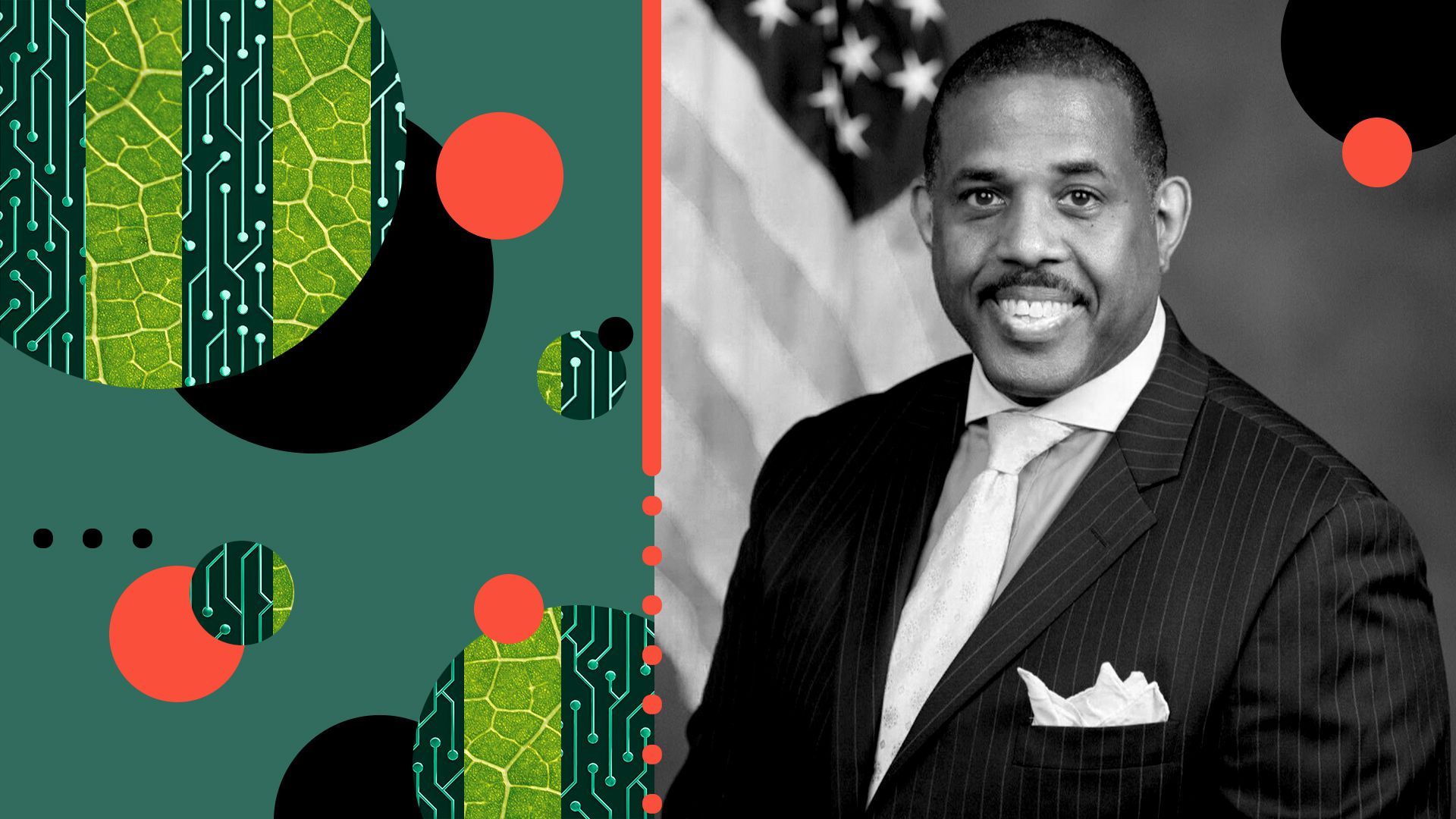
New York Senator Kevin Parker is the sponsor behind a bill that the crypto industry has broadly panned as being bad for business in the state, but his stance on the industry itself may surprise you.
Why it matters: Crypto shops have long criticized the state for imposing what they consider the most onerous regulations on the industry levied in the country, if not the world. But to Parker, the bill is not about crypto — it's about the power plants involved and making sure they adhere to climate goals the state set in 2019.
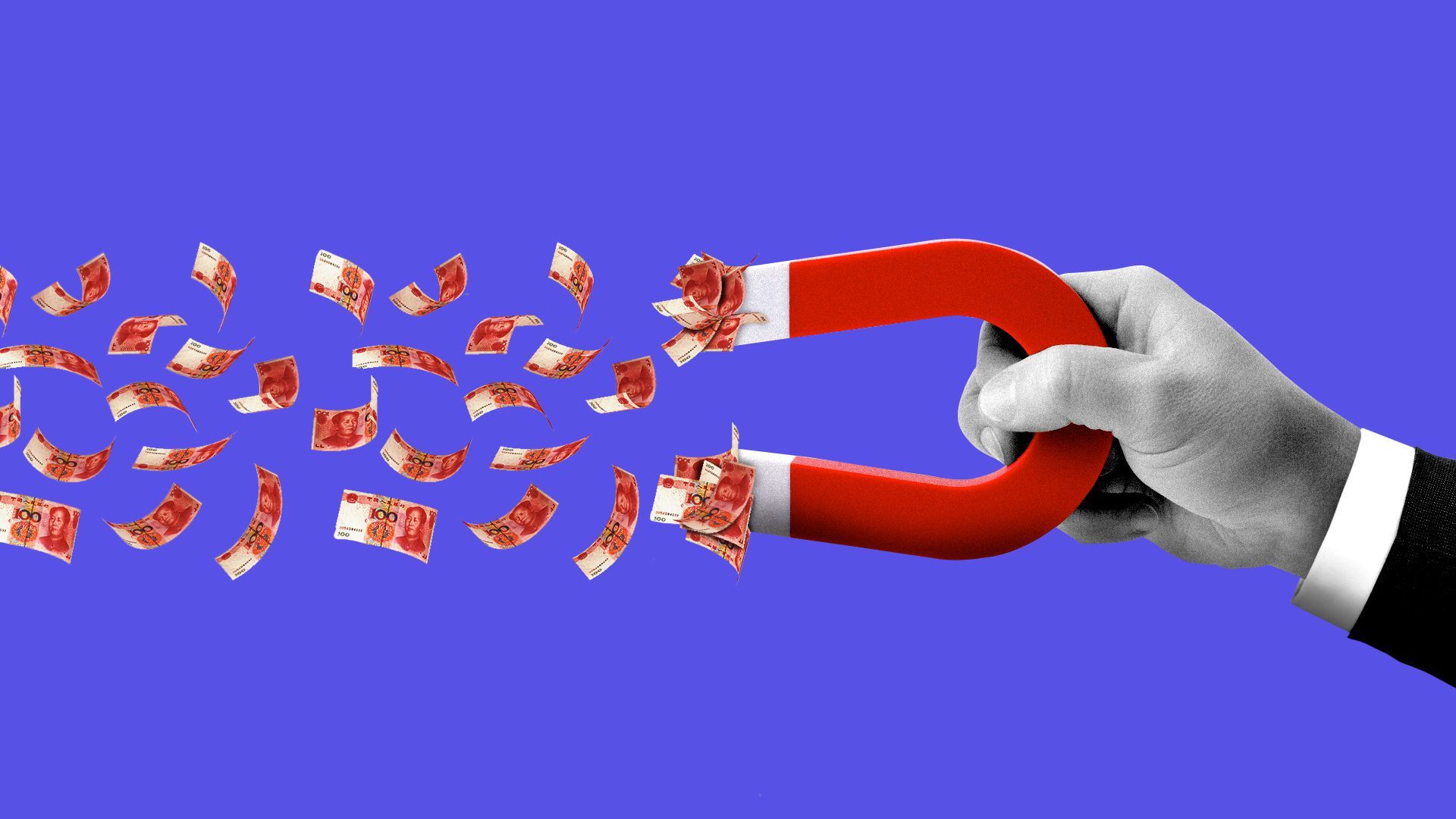
China's financial regulators have begun early talks about allowing Ant Group to revive its IPO, which would occur in both Shanghai and Hong Kong, per multiple reports.
Why it matters: First, because Ant Group had expected to price the largest global IPO of all time, before being pulled in late 2020.
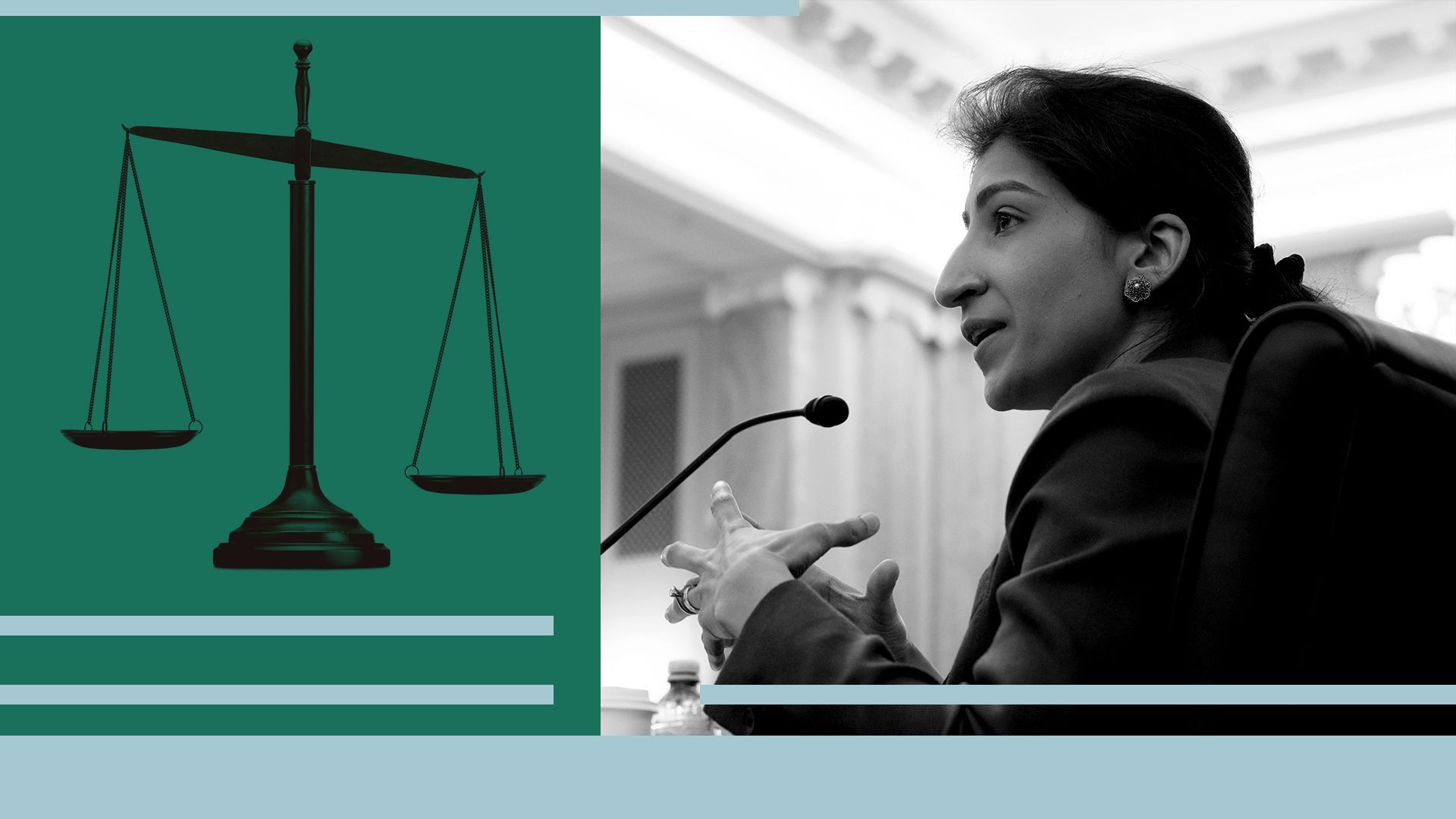
FTC Chair Lina Khan has a warning for Big Tech companies and other would-be dealmakers: she'll sue to stop anticompetitive mergers rather than negotiate settlements with companies.
Why it matters: This approach will likely change the strategy for companies pursuing mergers and acquisitions. They'll have to work out for themselves in advance whether they need to sell or spin off parts of their business to win regulators' approval.
/2022/06/10/1654894406968.gif?w=3840)