Companies such as Nike have been rushing to digitize their products (sneakers, burgers, beer, clothing, tweets) in the form of NFTs, or non-fungible tokens, and add-ons for virtual spaces — or the metaverse.
Why it matters: Popularity can be monetized in more ways than ever. But with that comes a whole new set of threats to brand protection.
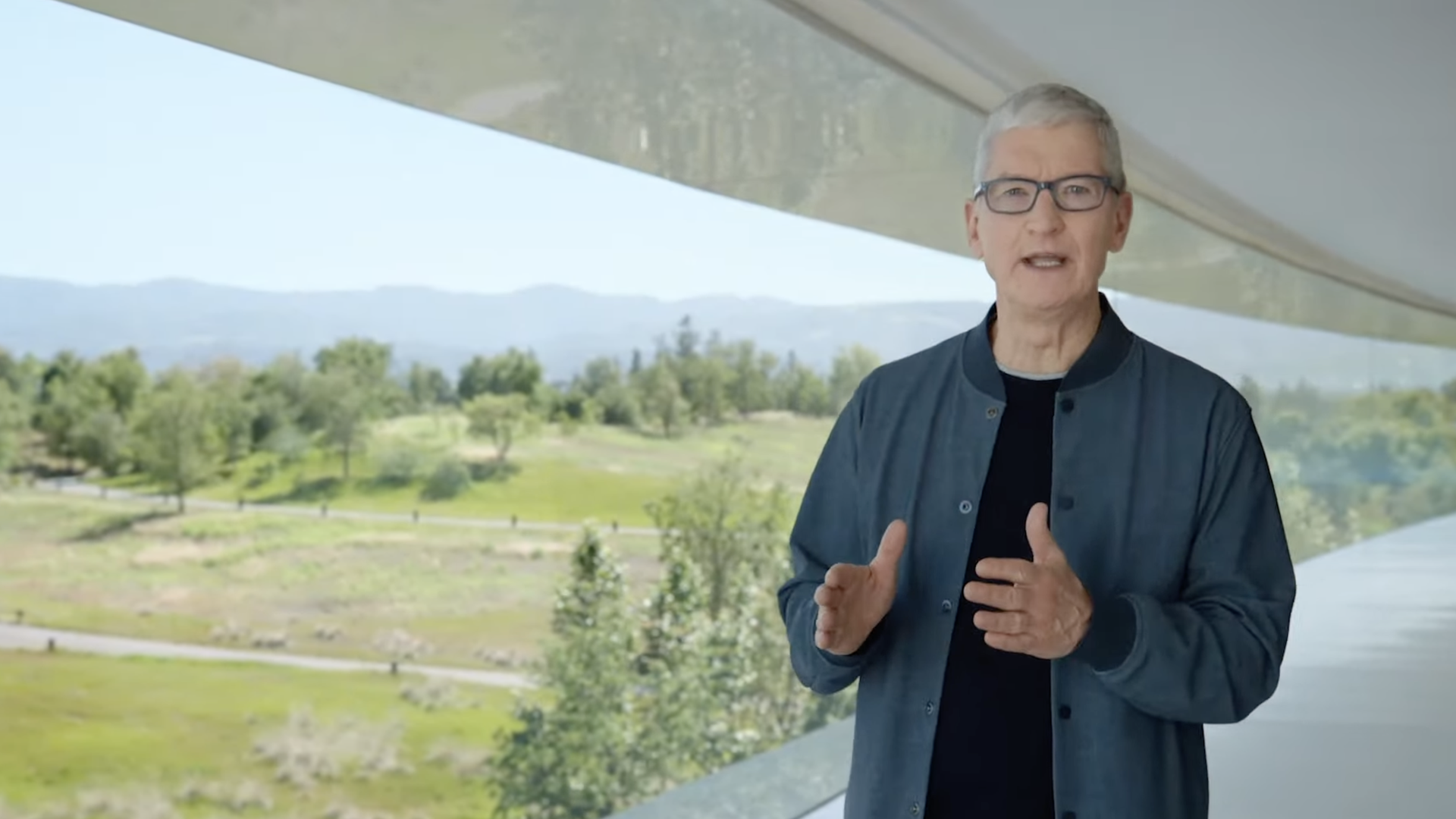
Apple on Monday unveiled its new iPhone operating system, iOS 16, which now includes a "Safety Check" feature that enables users to quickly limit who has access to their personal information.
Why it matters: Many "smart" devices can be double-edged swords that enable domestic abusers to exert further control over their family members.
Nintendo described the sentencing of a hacker earlier this year as a “unique opportunity” to send a message to all gamers about video game piracy.
Why it matters: A newly released transcript of the Feb. 10 sentencing of Gary Bowser provides rare insight, directly from Nintendo, about the company’s grievances.
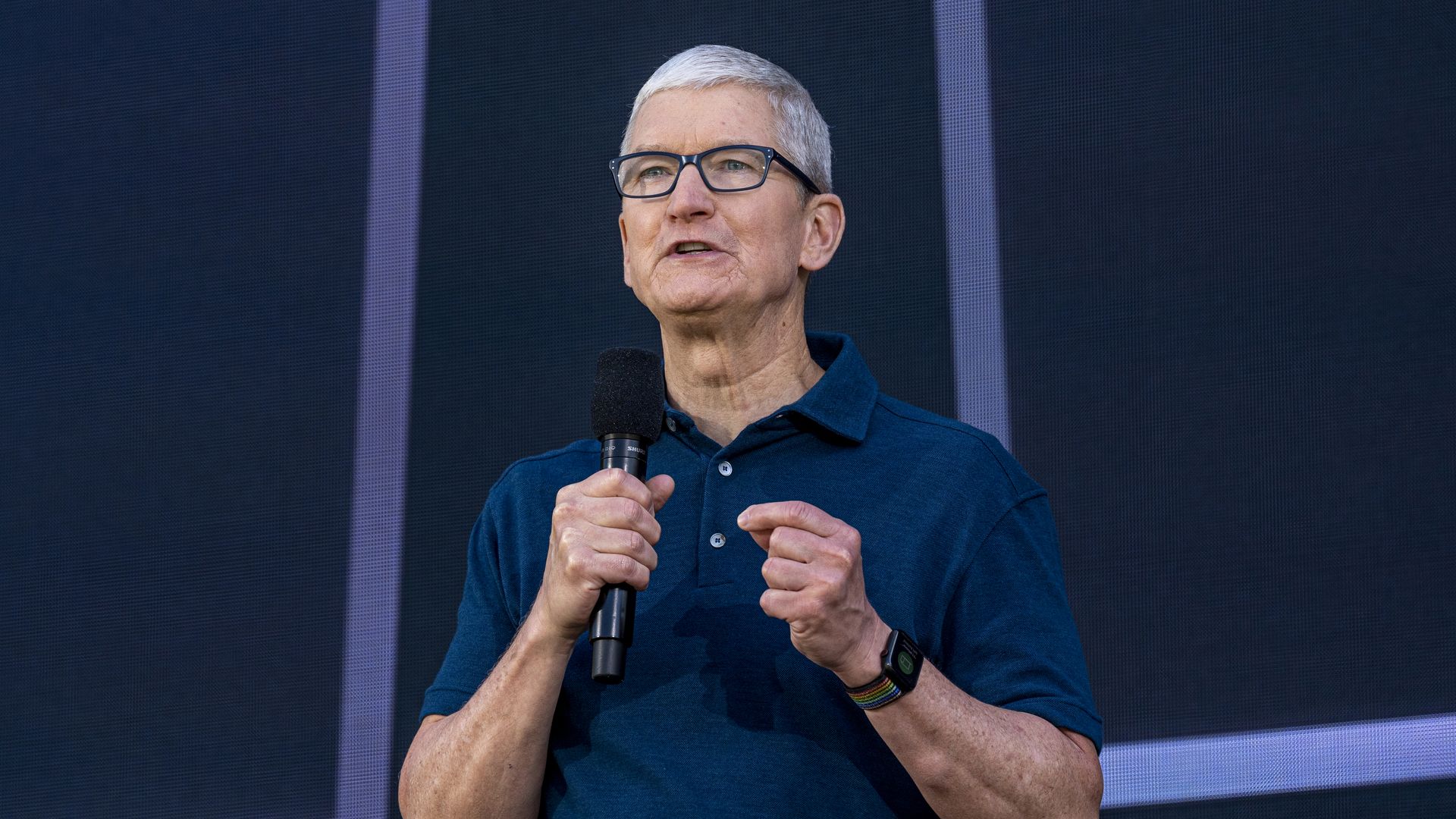
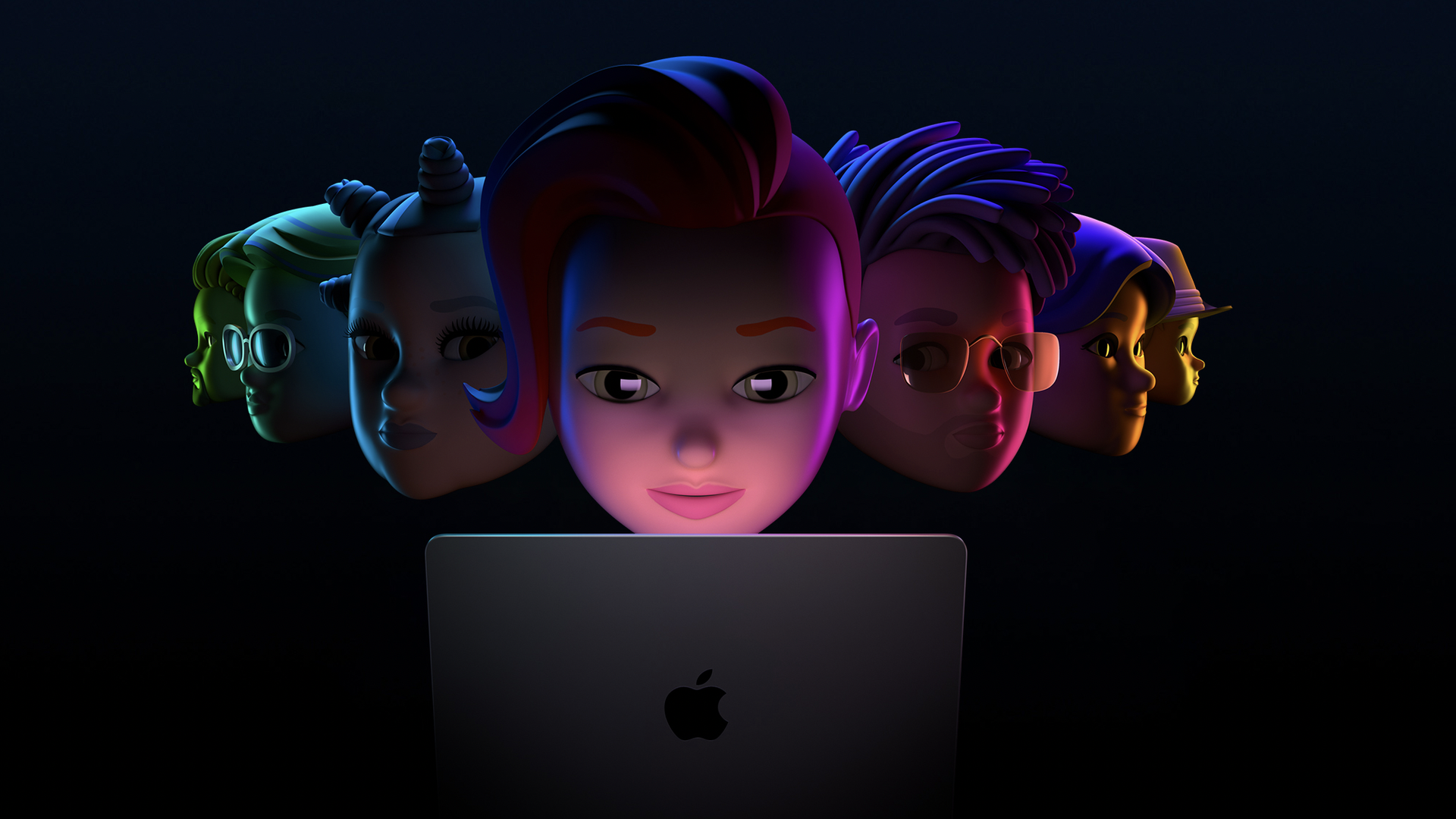
Apple used its annual developer conference on Monday to debut a new MacBook Air powered by an updated M2 chip. It also detailed iOS 16, the next iPhone operating system, as well as updates coming to CarPlay, Apple Watch and Apple Pay.
Why it matters: Apple uses its developer conference to lay out where it is headed with its key products, largely by detailing coming changes to the underlying operating systems for the iPhone, iPad, Mac and other products.
"Over the three days from May 7 through May 9, Terra’s UST stablecoin deviated from its $1 peg in a sudden turn of events," a blog post last week from Jump Crypto begins.
Driving the news: Jump Crypto is a major market maker, meaning its business is taking the other side of as many trades as it possibly can. Its research team sat down to look at why the stablecoin terraUSD (UST) fell apart in early May.
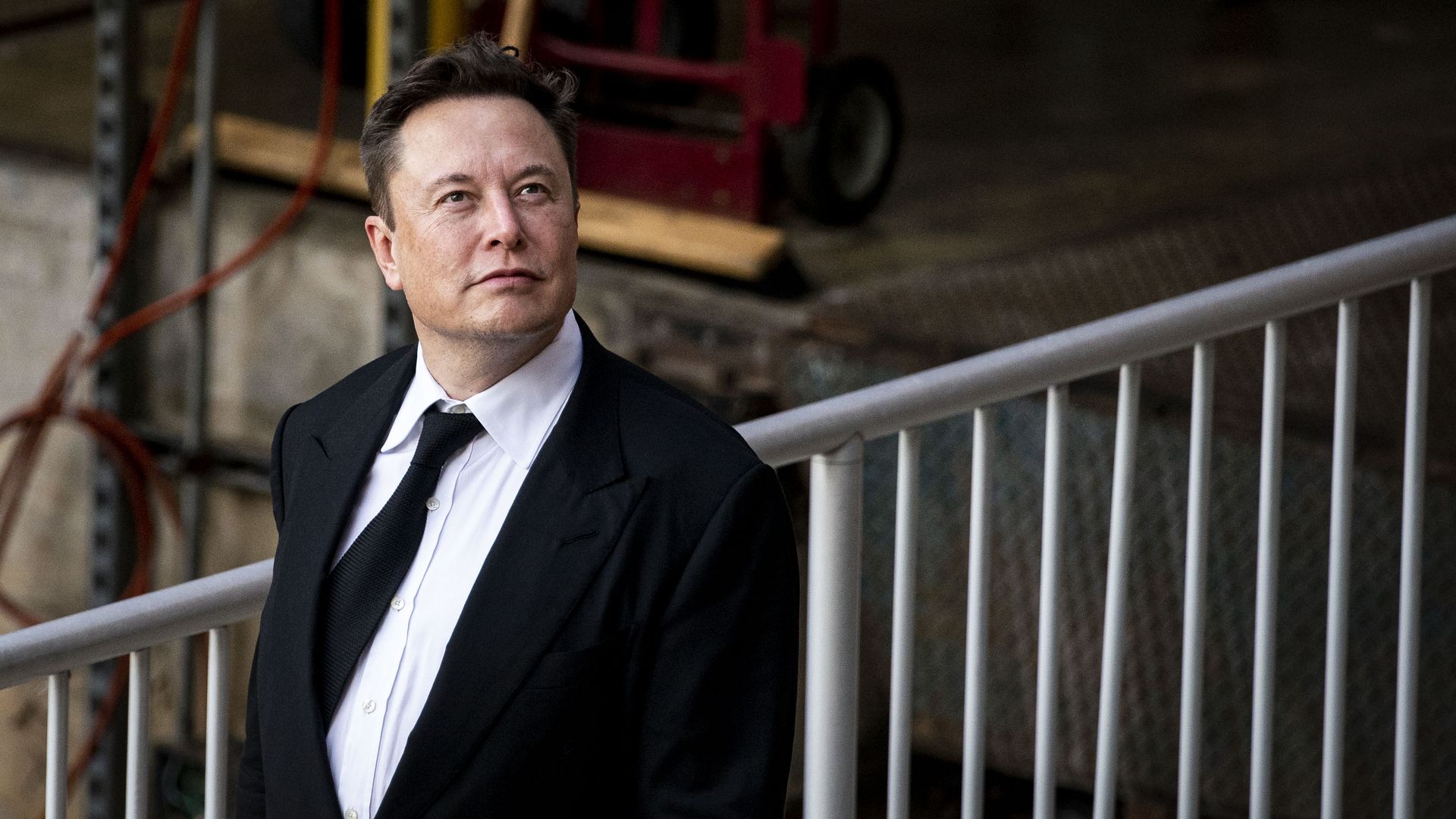
Elon Musk has a "right not to consummate" his acquisition of Twitter and a "right to terminate the merger agreement," according to a letter from his lawyers to the Twitter general counsel Vijaya Gadde sent Monday morning.
Why it matters: While Musk has been tweeting about the deal being "on hold" for a while, this is his first formal, legal suggestion that his agreement to buy Twitter is anything other than legally watertight.
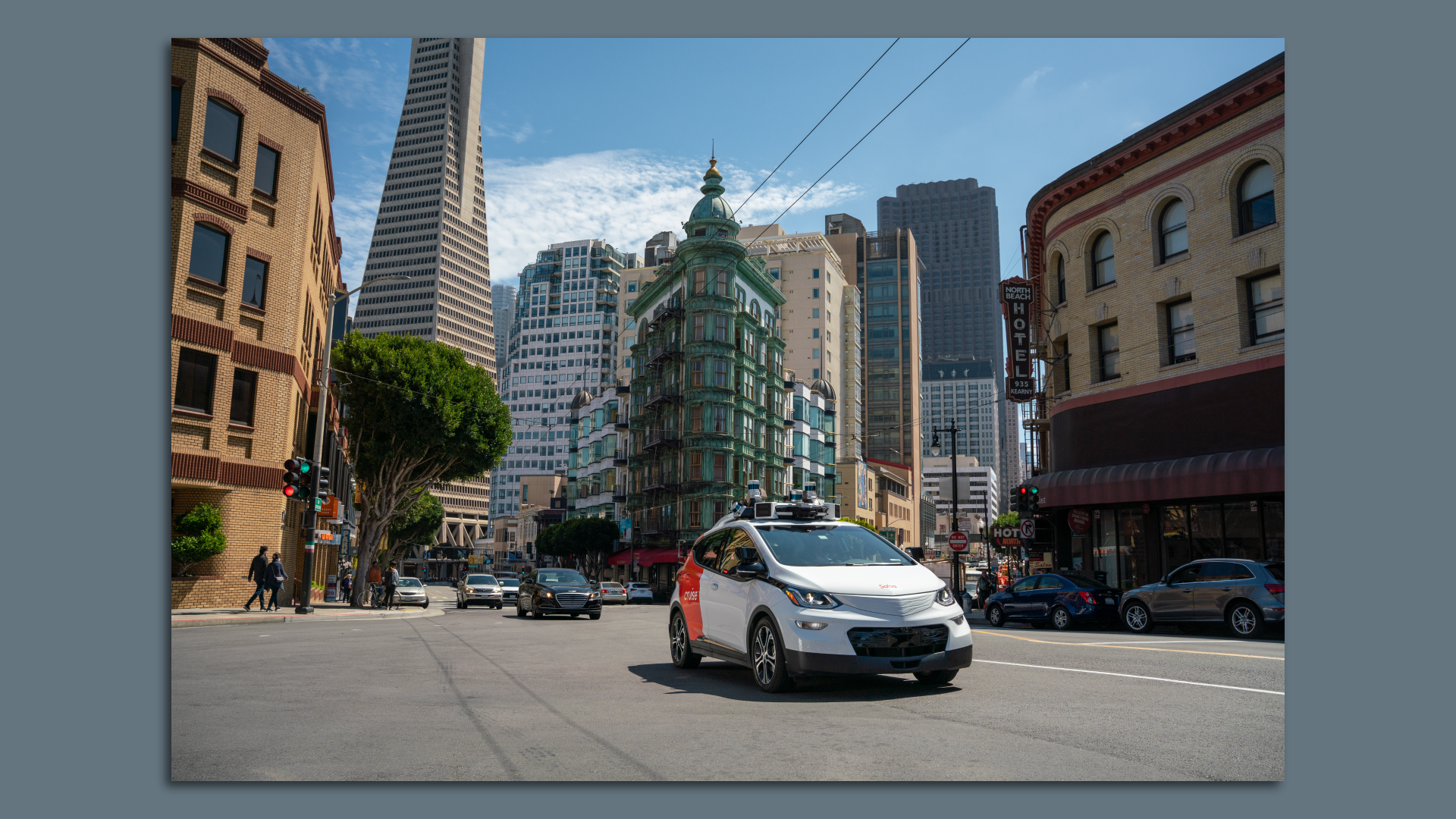
General Motors-backed Cruise got the green light from California regulators last week to operate a commercial robotaxi service in San Francisco, marking a watershed moment in the autonomous vehicle rollout.
Why it matters: AV developers have spent tens of billions of dollars trying to develop and commercialize self-driving technology. While Cruise is still a fledgling business, its for-pay driverless taxi service will be the first in a densely populated U.S. city when it launches within the next couple of weeks.
Of note: Alphabet's Waymo has been running a robotaxi service in suburban neighborhoods outside Phoenix for a year and a half. It too is pursuing a robotaxi license in San Francisco's busier — and thus more challenging — environs.
Details: A California Public Utilities Commission permit was Cruise's final hurdle to commercial deployment in the state.
It allows Cruise to offer driverless passenger service using a fleet of up to 30 Chevrolet Bolt electric vehicles, without a safety driver present.
The catch: The paid service is limited to about one-third of the city — and downtown is off-limits.
Cars can't go above 30 miles per hour, and the operation is limited to 10pm to 6am, when traffic is lighter.
Cruise vehicles won't be allowed on highways, and they must avoid active highway-rail crossings and lanes with light rail transit.
They won't operate in heavy rain, fog or smoke, either, per the company's own rules.
Yes, but: Despite the limitations on fared rides, Cruise will continue other operations throughout the entire city to prepare for expansion.
The big picture: Being able to charge fares is an important milestone for Cruise. But the business — which isn't yet making money — has a long way to go to reach GM's target of $50 billion in revenue by 2030.
By challenging Uber and Lyft in ride-hailing, GM believes Cruise can help the automaker double its revenue by the end of the decade.
GM says Cruise's ride-hailing profit margins could eventually hit 40% — well above those of its core car-making business.
What to watch: For now, Cruise's AV fleet consists of electric Chevrolet Bolts, but the company hopes to soon deploy its purpose-built Cruise Origin van as well.
The boxy electric vehicle can shuttle people or goods, but because it has no steering wheel or pedals, it doesn't comply with current federal motor vehicle safety standards and therefore needs approval from the National Highway Traffic Safety Administration.
Apple-watchers will be scanning today's announcements for clues to the company's long-awaited entrance into the evolving fight among tech giants to own the mixed-reality future.
The big picture: Apple's annual developer conference, opening today, always offers a preview of the next versions of Apple's software for Macs, iPhones and iPads and this year should be no exception. It's what comes on top of those announcements, though, that usually gets the most buzz, especially when it comes to new hardware.