Twitter says its automated technology made an "error" in suspending Rep. Marjorie Taylor Greene's (R-Ga.) account for 12 hours, which began around 1 a.m. Friday morning, according to her office.
Why it matters: Greene's office on Friday alleged that Twitter gave "no explanation" as to why the account had been suspended. A Twitter spokesperson told Axios on Friday that our automated systems took enforcement action on the account referenced in error," adding, "This action has been reversed, and access to the account has been reinstated."
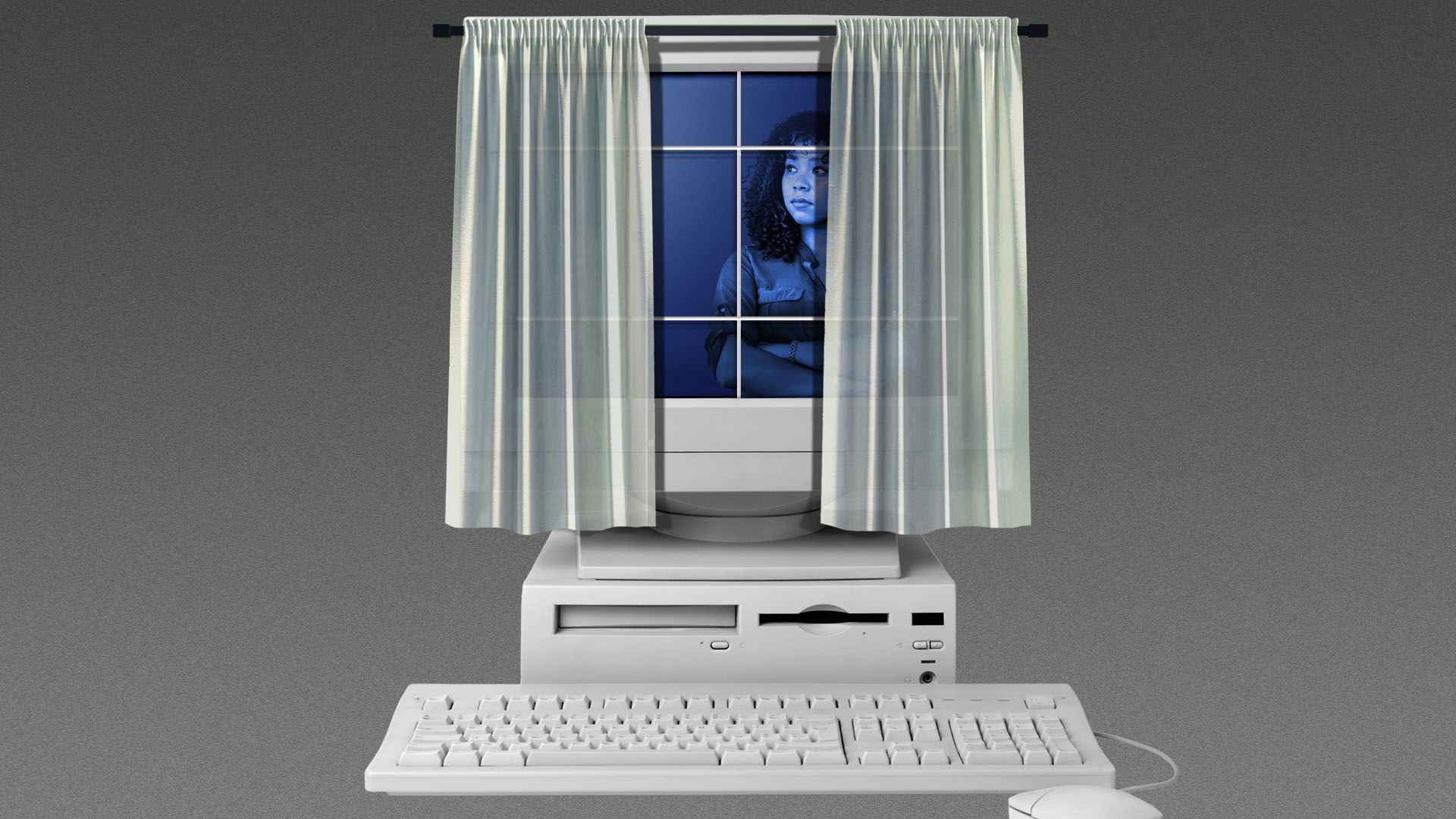
Americans' rush to move all aspects of their lives online during the pandemic — classes, meetings, legal proceedings, shopping and more — left many vulnerable to exposure, exploitation and fraud.
Why it matters: The digital environment wasn't always ready to deal with newcomers' privacy and security needs. And the people responsible for managing these activities couldn't foresee all the pitfalls of moving online.
A year after warning startups that the pandemic will be a "Black Swan" event that upends everything, Sequoia Capital is nudging them to prepare for an economic comeback in the second half, according to a memo sent to its portfolio on Thursday.
Why it matters: While the pandemic ground certain sectors to a halt, much of the technology realm flourished as consumers had to dramatically shift much of their lives online. And despite a short adjustment early in the pandemic, venture capital has been backing startups at record levels.
Coinbase is opting for a question-and-answer session on online forum Reddit lasting through Friday evening and a series of explainer videos ahead of its public debut, in lieu of a more traditional roadshow or live-streamed presentations for investors.
Why it matters: Much about Coinbase's public listing is already unusual—it'll be the Nasdaq's first major direct listing, and it will be the first U.S. cryptocurrency company to become publicly-traded. It's also a nod to the cryptocurrency industry's roots in online forums and where many of its biggest enthusiasts still convene.
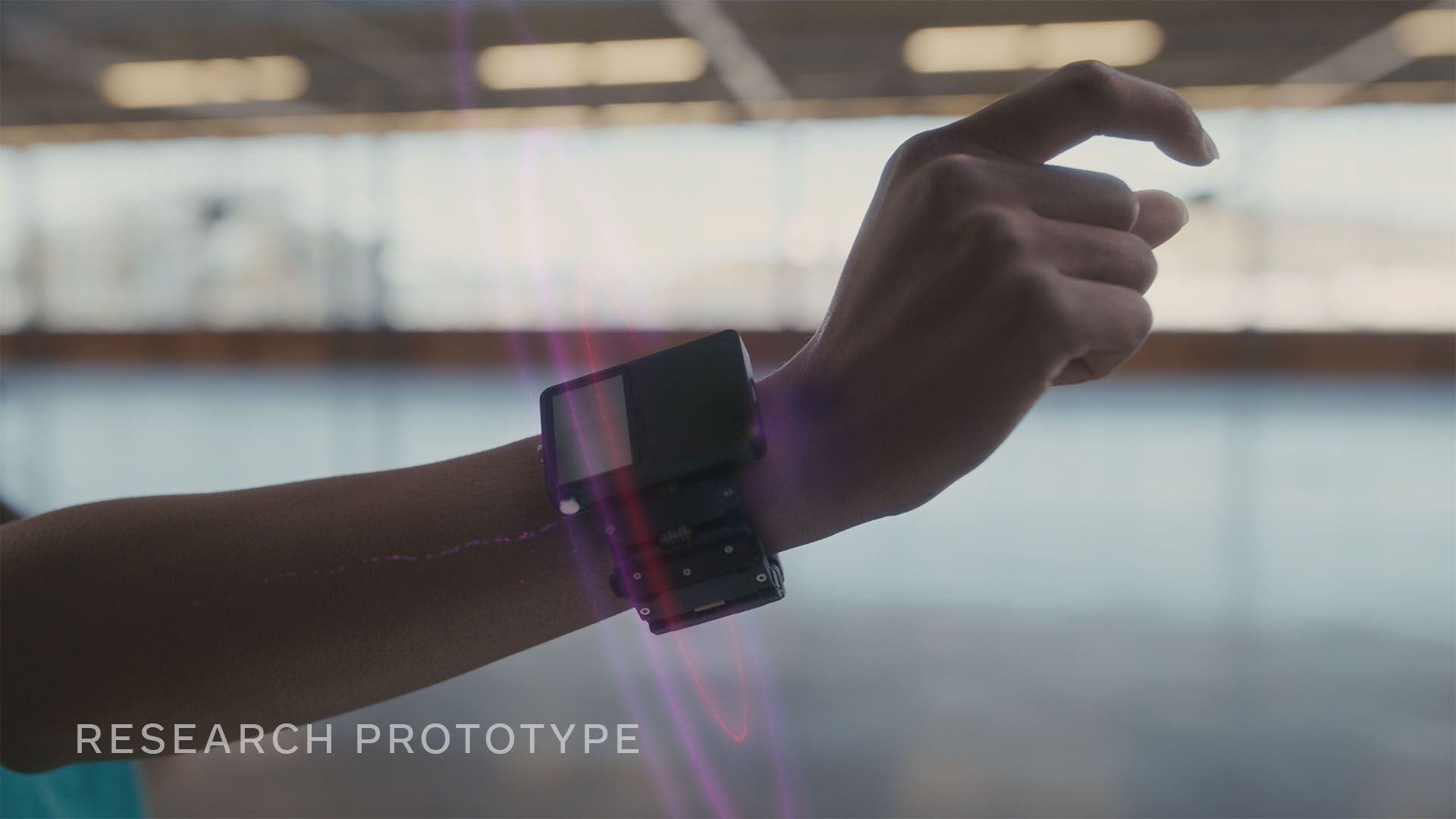
Facebook researchers are rapidly learning how to replace mouse clicks and screen taps with finger twitches. They're doing it by putting a band on your wrist that reads nerve impulses sent by your brain to your hand.
The big picture: Tech insiders widely expect the next generation of computing after the smart phone will be built around some combination of glasses, headphones and other worn devices. The challenge is figuring out how users navigate information and make choices in such a world.