Scientists are working on a way to use AI to create quantitative measurements for chronic pain.
Why it matters: Chronic pain is an epidemic in the U.S., but doctors can't measure discomfort as they can other vital signs. Building methods that can objectively measure pain can help ensure that the millions in need of palliative care aren't left to suffer.
Sen. Josh Hawley (R-Mo.) on Wednesday proposed legislation that would create a "preemptive prohibition" on acquisitions by Big Tech companies, including Amazon and Google.
Why it matters: Hawley's idea mirrors a recommendation made last fall by Democrats on the House antitrust subcommittee, suggesting there could be bipartisan support. But it's unclear if Senate leadership will take it up, particularly given that Hawley structured it as an amendment to Congress' proposed budget resolution.
Government and private-sector investigators are racing to run forensics and damage assessments on the SolarWinds breach, but they keep turning up new unknowns, even as the strategic motivations and real impact remain obscure.
Why it matters: The more we learn about SolarWinds, the less we seem to know.
Suspected Chinese state hackers compromised the Department of Agriculture’s National Finance Center (NFC) last year using a second “software flaw” used on the SolarWinds platform, reports Reuters.
Why it matters: The Chinese-authored breach could represent a potentially catastrophic leak of sensitive personal information of U.S. government officials — information that China’s spy services will be keen to exploit for counterintelligence purposes.
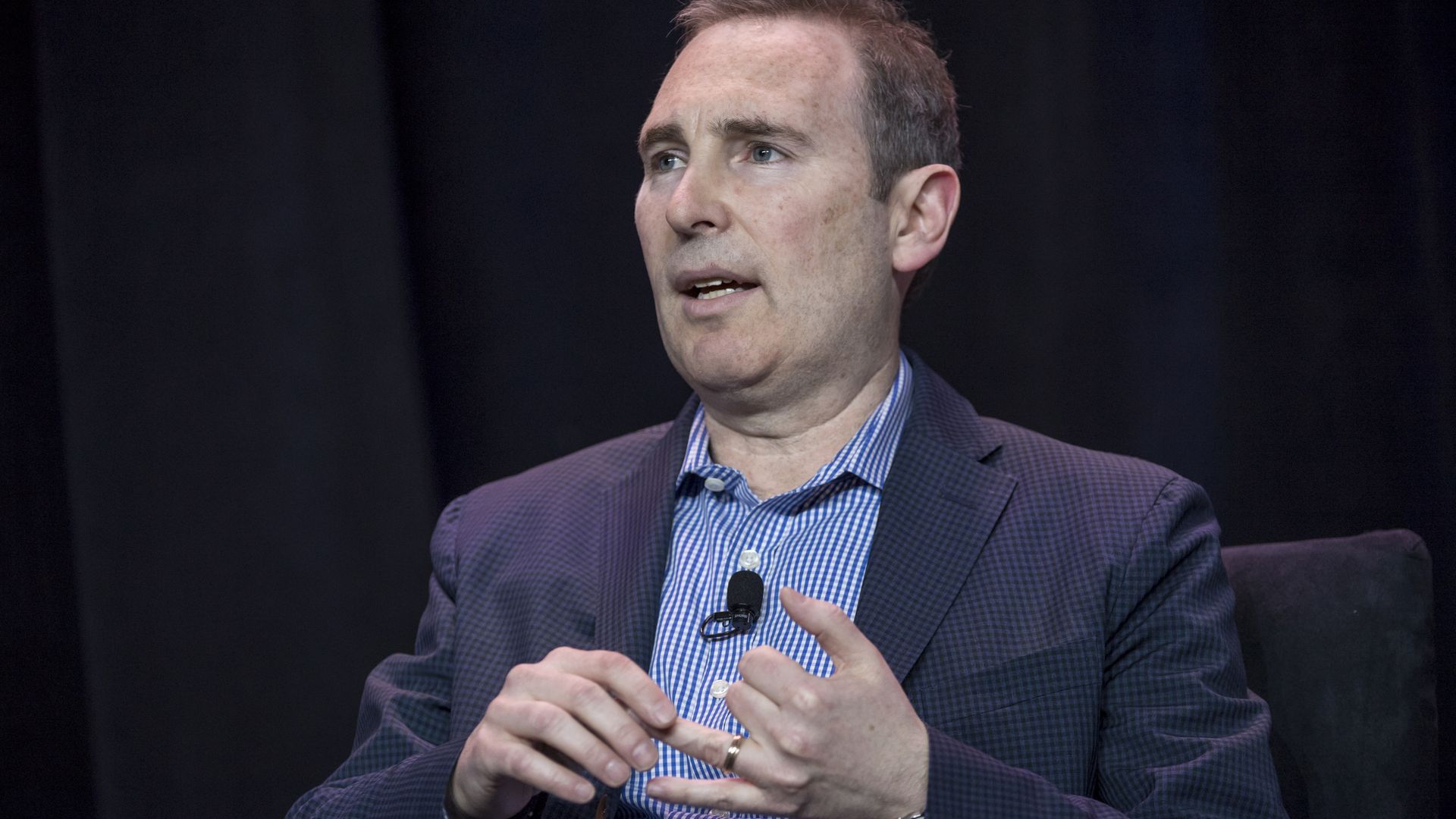
Amazon's next CEO is hardly a household name, but Andy Jassy has built Amazon Web Services into a $50 billion-a-year business.
The big picture: He's seen by colleagues, former colleagues and rivals as someone who combines an unassuming presence with a keen analytical mind and fierce competitive streak.
Google has been spending heavily to win business away from Amazon Web Services, as evidenced by both companies' latest quarterly results, which were announced Tuesday.
The big picture: Google may be the leader in search, but when it comes to cloud services, it is still chasing after Amazon and Microsoft's Azure.
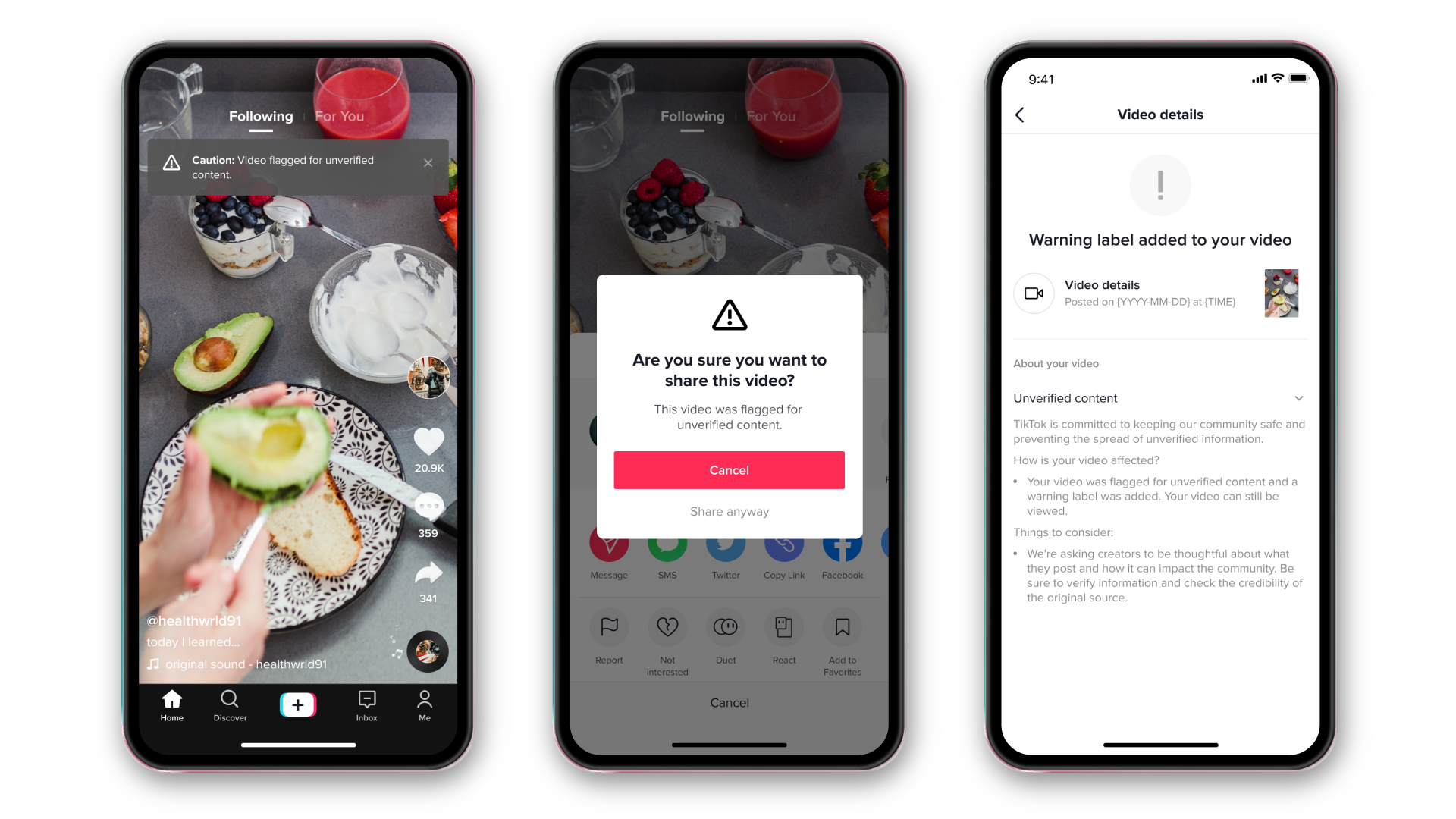
TikTok will begin asking users to seek credible information about a topic if they try to share a video that carries a misleading information label, the company announced Wednesday.
Why it matters: It's one of the most dramatic steps TikTok has taken to reduce the spread of misinformation on its platform.
As big as Amazon looks at any given time, it is always bigger than anyone outside the company can see, and a new CEO won’t change that.
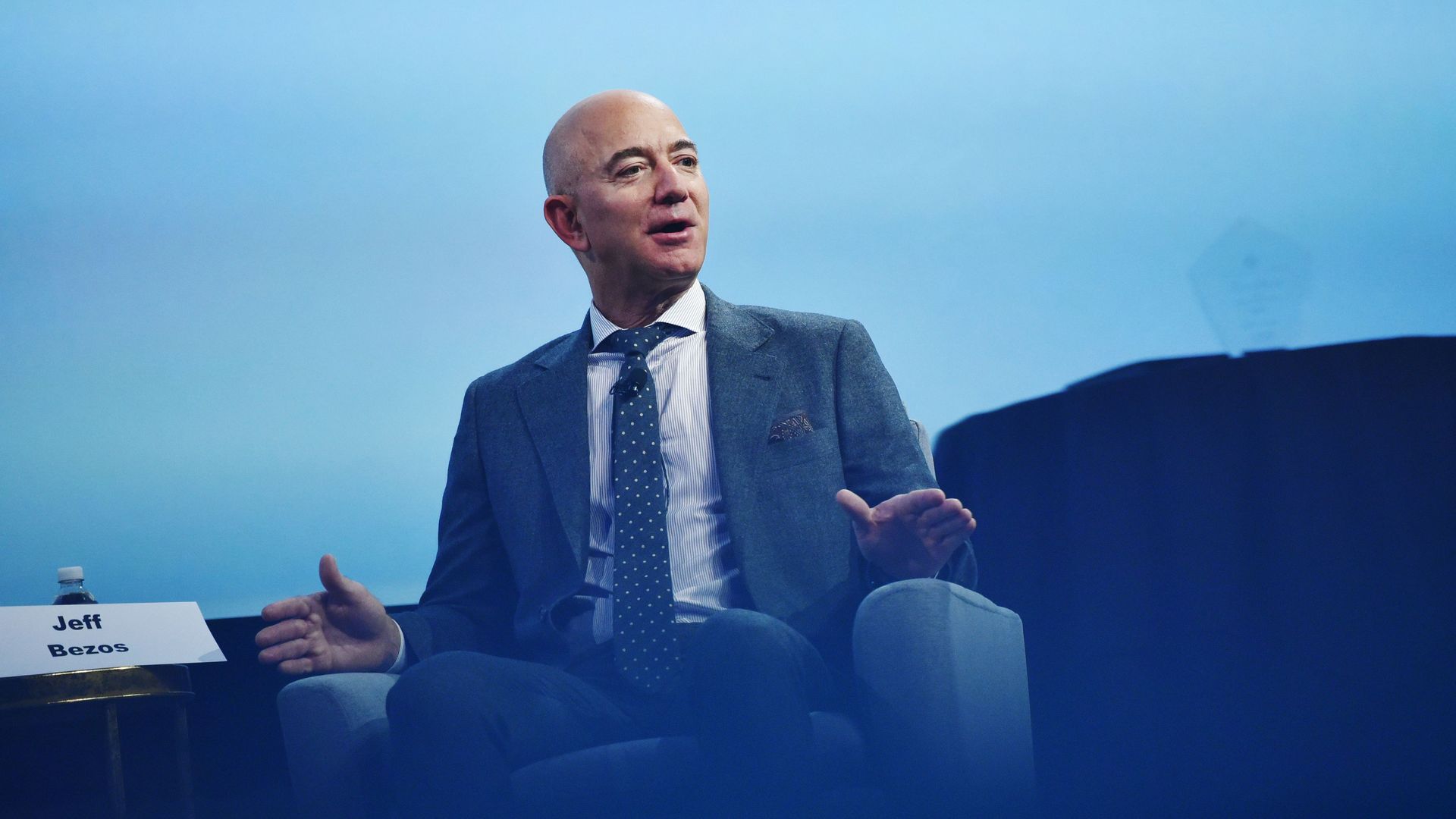
Between the lines: In choosing top lieutenant Andy Jassy as his successor but staying on as executive chairman, Jeff Bezos is guaranteeing that the culture he built, powered by ambitions that exceed the public's imagination, will live on.
Amazon announced on Tuesday that founder Jeff Bezos will step down as CEO in the third quarter of this year and transition to executive chair of the company's board.
The big picture: Bezos will be replaced by Amazon Web Services chief Andy Jassy, who heads the booming cloud business division.
The House Financial Services Committee on Feb. 18 will hold a hearing titled “Game Stopped? Who Wins and Loses When Short Sellers, Social Media, and Retail Investors Collide." Among those expected to testify is Vlad Tenev, CEO of stock trading app Robinhood.
Axios Re:Cap speaks with Rep. Patrick McHenry (R-N.C.), the committee's ranking Republican, on what he hopes to learn and what legislation or regulation might follow.
Amazon on Tuesday unveiled new design details for its second headquarters, in Arlington, Virginia.
Details: The headquarters will include 2.8 million square feet of office space spread across three 22-story buildings. At the center will be "The Helix," a tree-covered office building that the company said "will feature two walkable paths of landscaped terrain that will spiral up the outside of the building."
Amazon will pay more than $61.7 million to settle charges from the Federal Trade Commission that it did not pay drivers in the Amazon Flex delivery service their full share of tips over a two and a half year period.
The big picture: Amazon faces a rising chorus of accusations that it underpays and overworks its warehouse workers and delivery drivers.
Integrated Media Company (IMC), the digital media investment arm of private equity giant TPG, has acquired the majority stake in StackCommerce, an e-commerce platform that connects publishers with brands to sell products through content.
Why it matters: "TPG is an investor in a lot of media companies," says Josh Payne, Founder and CEO of StackCommerce. "Those connections are incredibly valuable."
Transgender health needs, long neglected by the medical establishment, could get a needed assist from tech, as a pair of startups that focus on hormone treatment and other services today announce fresh venture funding.
Why it matters: Transgender and non-binary people can face enormous barriers to health care, from a scarcity of facilities that provide gender-affirming care to insurance company denials and outright discrimination.
Where there’s a coup, there will probably be an internet outage.
Why it matters: Internet disruptions in Myanmar early Monday morning coincided with reports that top politicians, including the country’s de facto leader Aung San Suu Kyi, were being rounded up by the military. That’s no surprise: Internet blackouts are now common around the world when power hangs in the balance.
Google has agreed to pay more than $3.8 million to settle Labor Department allegations that the search giant discriminated in hiring and pay against women and people of Asian descent.
The big picture: The deal ends the Labor Department case but the broader issues of discrimination at Google and other tech giants are far from settled.















/2021/02/02/1612251507788.gif?w=3840)

/2021/02/02/1612227940799.gif?w=3840)