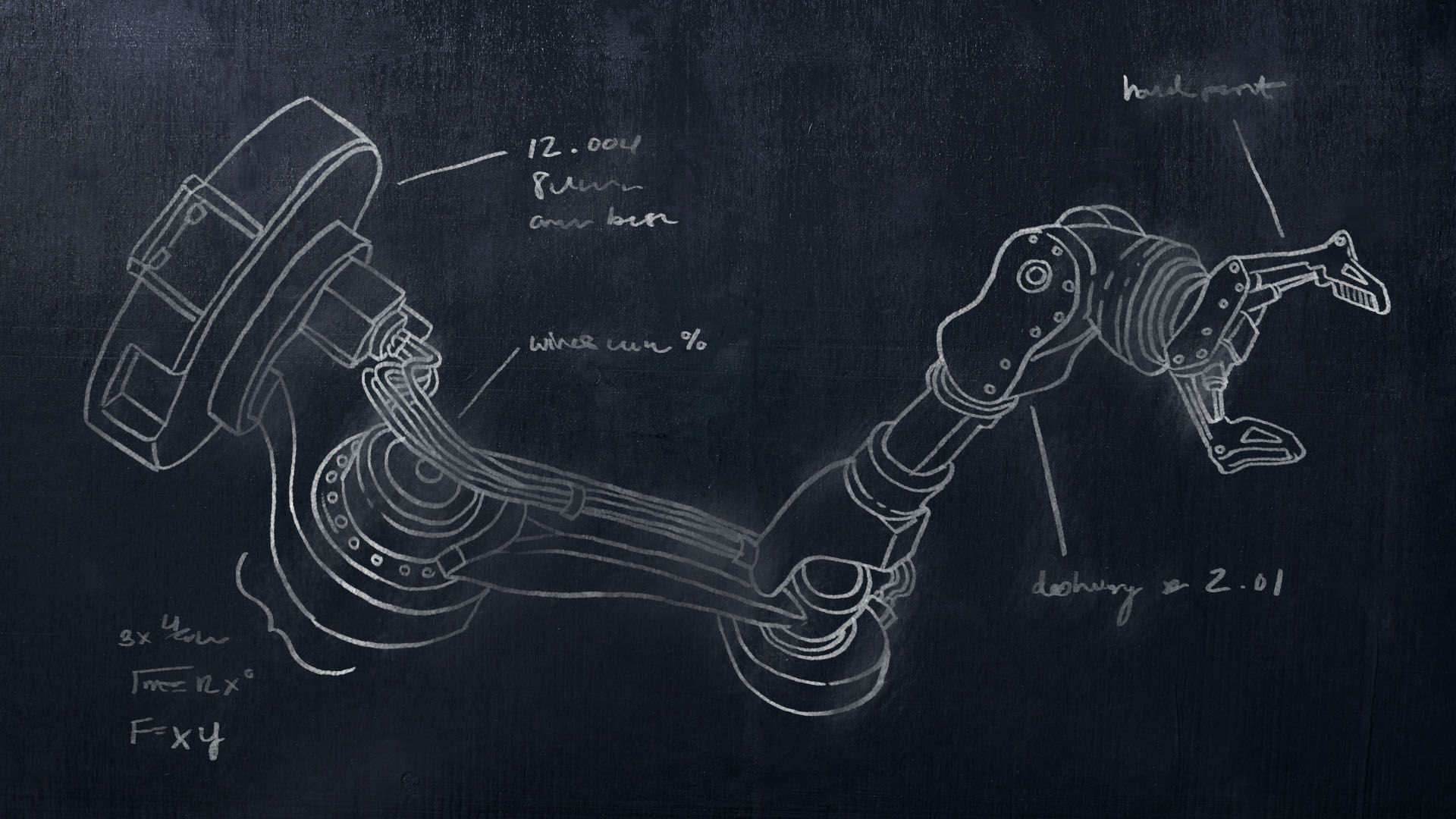
A pioneering AI scientist and entrepreneur argues that technology needs to be specialized to work effectively in manufacturing.
Why it matters: AI has been slower to make a difference in many forms of business because it still takes expertise and investment to use it effectively. For now, that means models will need to be trained individually to be effective on the factory floor.
A sprawling new report makes the case that automation and AI won't lead to widespread job destruction anytime soon.
Why it matters: Technological advances in AI and automation will have an enormous impact on the workforce, but it may take decades for those effects to be fully felt. That gives business leaders and politicians a last chance to change labor and education policies that have left too many workers locked in low-quality, low-paying jobs.
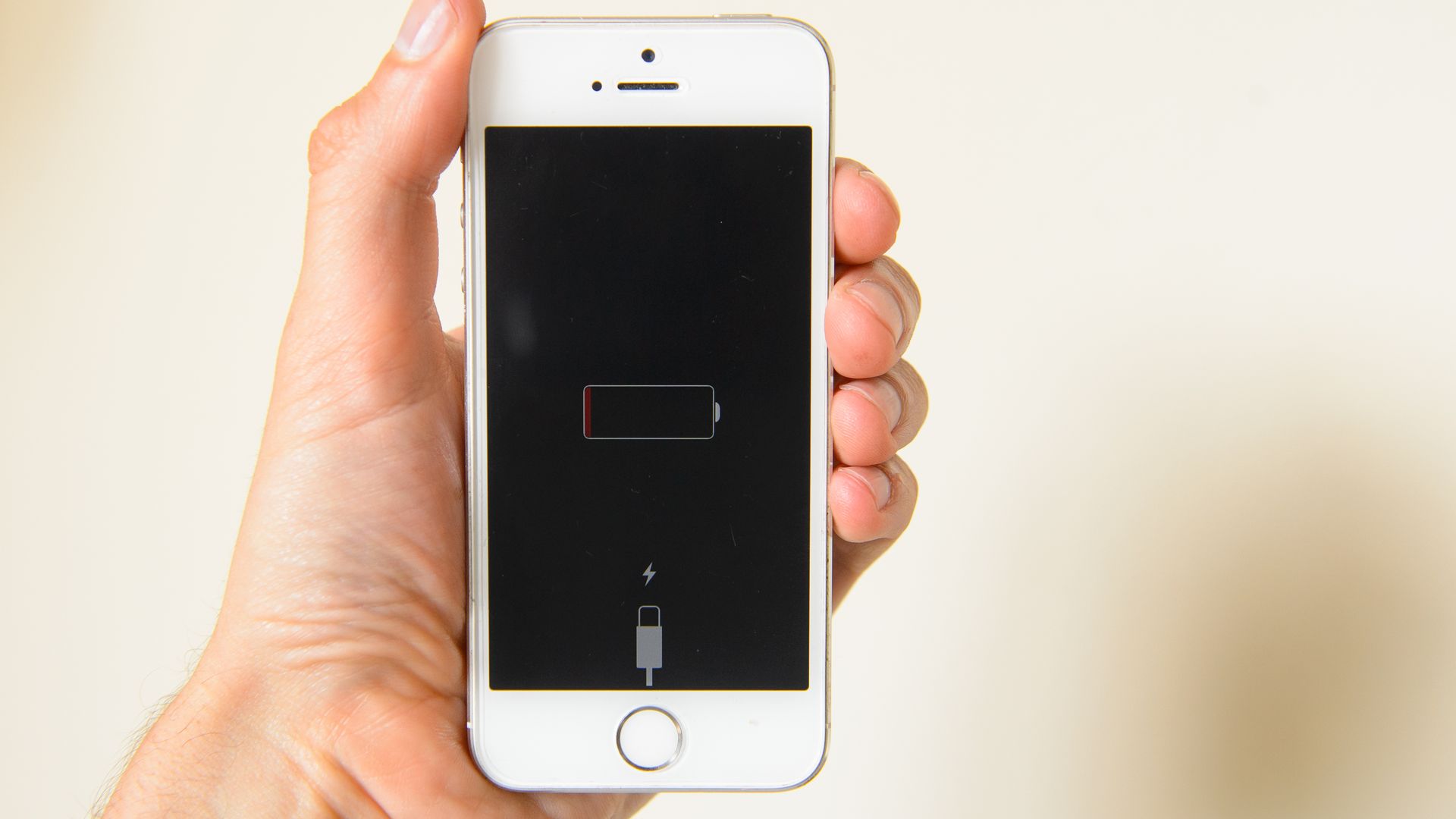
Apple will pay states $113 million in a settlement over allegations that the phone maker secretly throttled speeds on older iPhones to extend battery life, Arizona Attorney General Mark Brnovich announced Wednesday.
Driving the news: 34states were involved in the investigation, which alleges that starting in December 2016, Apple released a software update reducing performance to keep some iPhones from unexpectedly shutting down.
President Trump, in announcing the latest in a line of post-election firings, embraced unsubstantiated claims of election hacking over one of his own top cybersecurity officials.
Why it matters: This is only the latest example of an ongoing attempt to purge officials deemed insufficiently loyal to the president. But the potential decapitation of cyber leadership at the Department of Homeland Security could also create expertise gaps during the presidential transition period, making the country less secure.
U.S. Special Operations Command (SOCOM) is quietly purchasing access to vast troves of real-time location and user data from commercial apps that focus on everything from dating services for Muslims to weather reports, according to a new Vice investigation.
Why it matters: Though legal, the purchase of these data tracking services by the U.S. military raises serious civil liberties and privacy questions — as well as questions about just how the military is employing this data.
The Federal Communications Commission voted Wednesday to divvy up a swath of auto safety airwaves so a portion can be used for WiFi, over the objections of the Department of Transportation.
Why it matters: The FCC argues the change will lead to better WiFi services for Americans while still preserving some airwaves for auto safety communications, but the DOT has warned the change puts safety at risk.
Plenty of garbage startups have been funded over the past decade, including a couple of outright frauds — and tech innovation doesn't always move as linearly as we'd like, or replicate the future as imagined by TV scriptwriters.
Yes, but: While startups and their investors were being bashed on social media, at least a few of them were laying the building blocks for technologies that could help let humanity recover its ability to work, play and spend time with loved ones.
Microsoft said Tuesday it is working with chipmakers AMD, Intel and Qualcomm to bring a new security processor to Windows machines. Dubbed Pluton, the security chip is based on work done for the Xbox One and designed to bring an added layer of security.
Why it matters: A number of difficult-to-patch chip flaws in recent years have left computers vulnerable to attack. It also comes as many of the biggest tech companies, including Apple, Google, Microsoft and Amazon, are increasingly designing their own silicon to augment traditional processors.
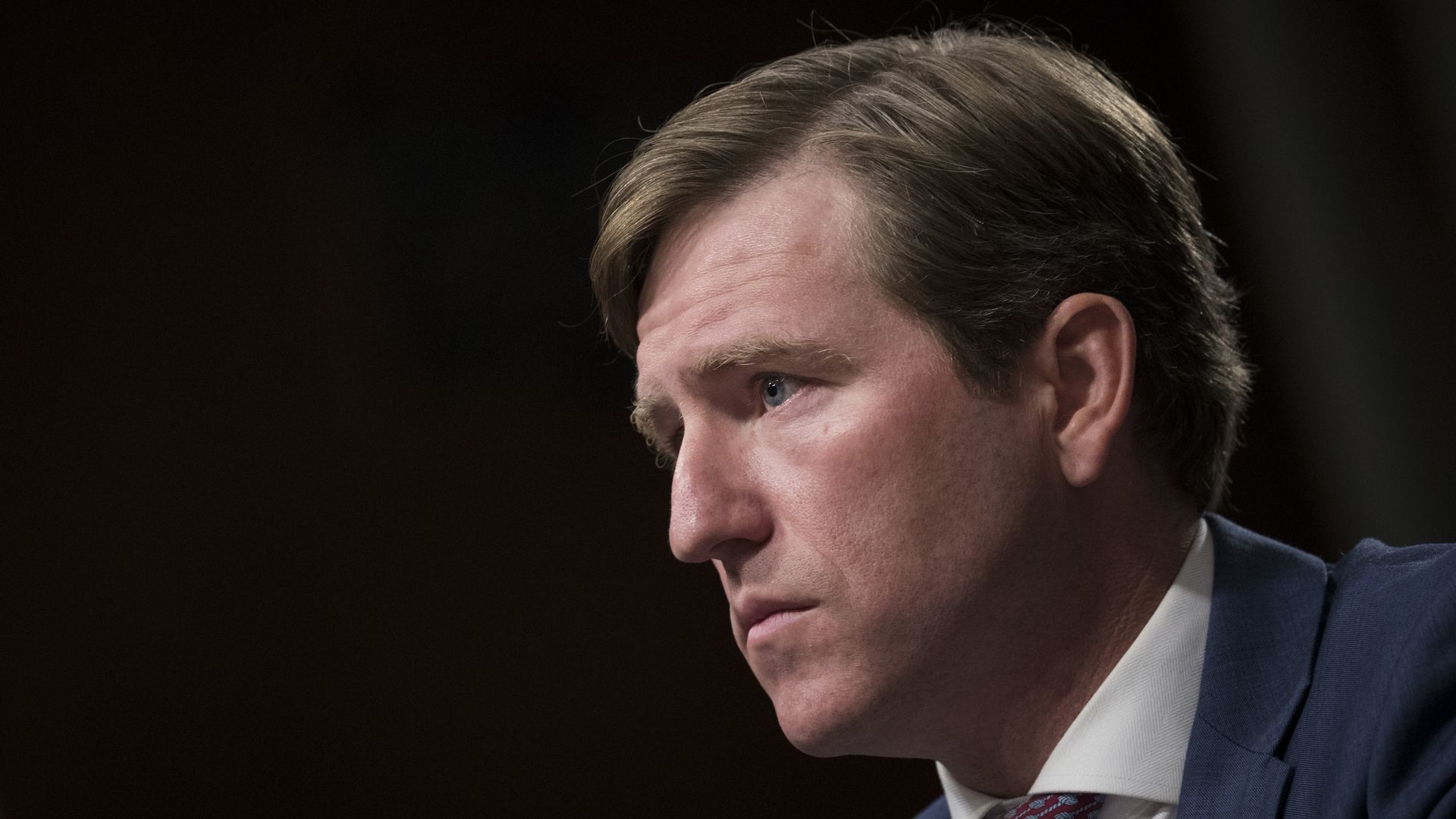
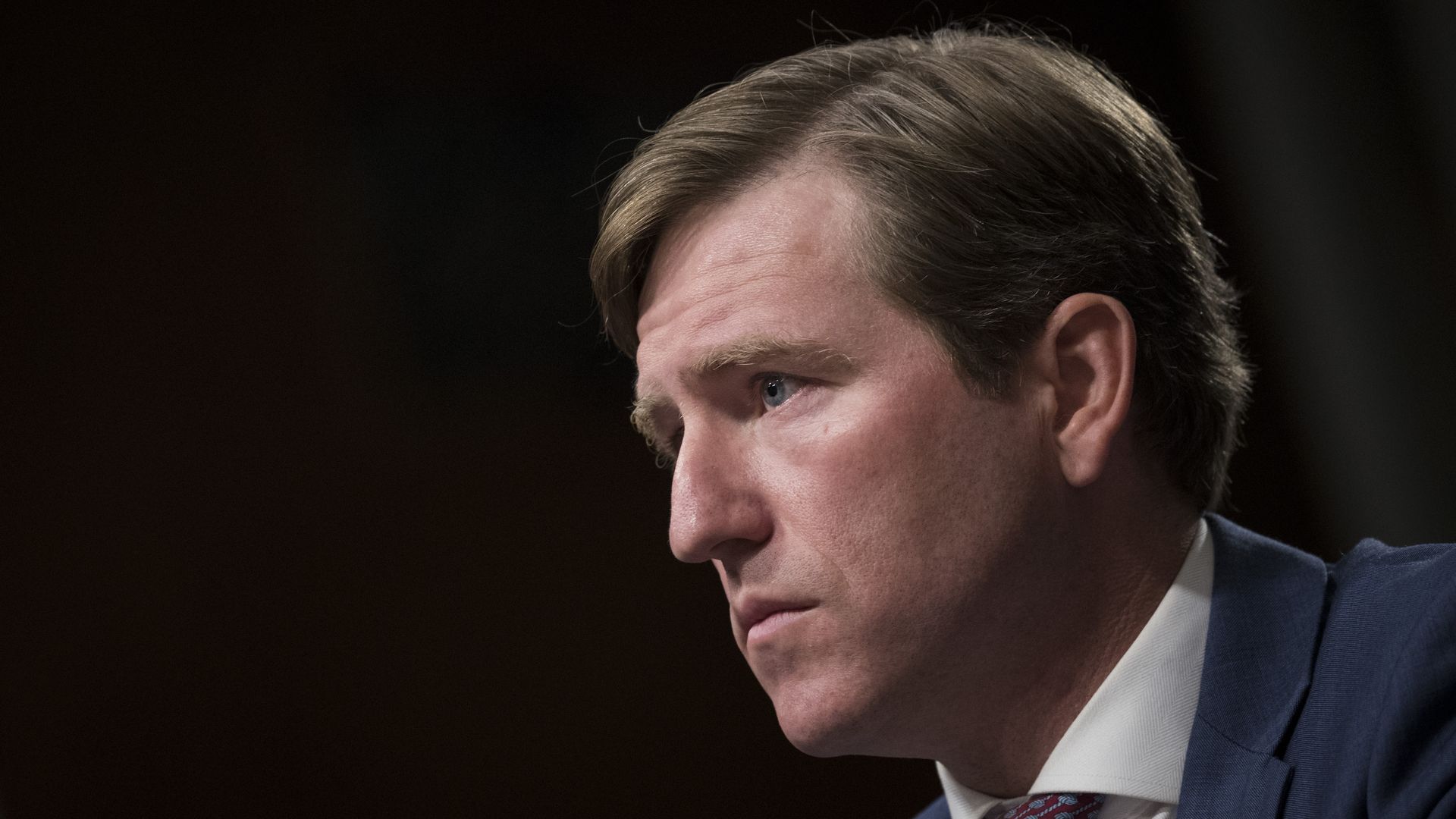
Why it matters: Krebs, who was fired by tweet, is the latest in a series of post-election ousters from the outgoing Trump administration. Krebs had drawn Trump's ire for publicly affirming that the 2020 election was fair and free from fraud and foreign interference.
Democrats and Republicans both want to rein in perceived abuses by Silicon Valley, but a Tuesday Senate hearing to grill Facebook CEO Mark Zuckerberg and Twitter CEO Jack Dorsey showed the two parties operating in mirror universes.
Why it matters: The distance between the parties' diagnoses of the tech industry's trespasses makes it harder than ever to imagine how they might find common ground to pass the meaningful new tech legislation they both say they want.
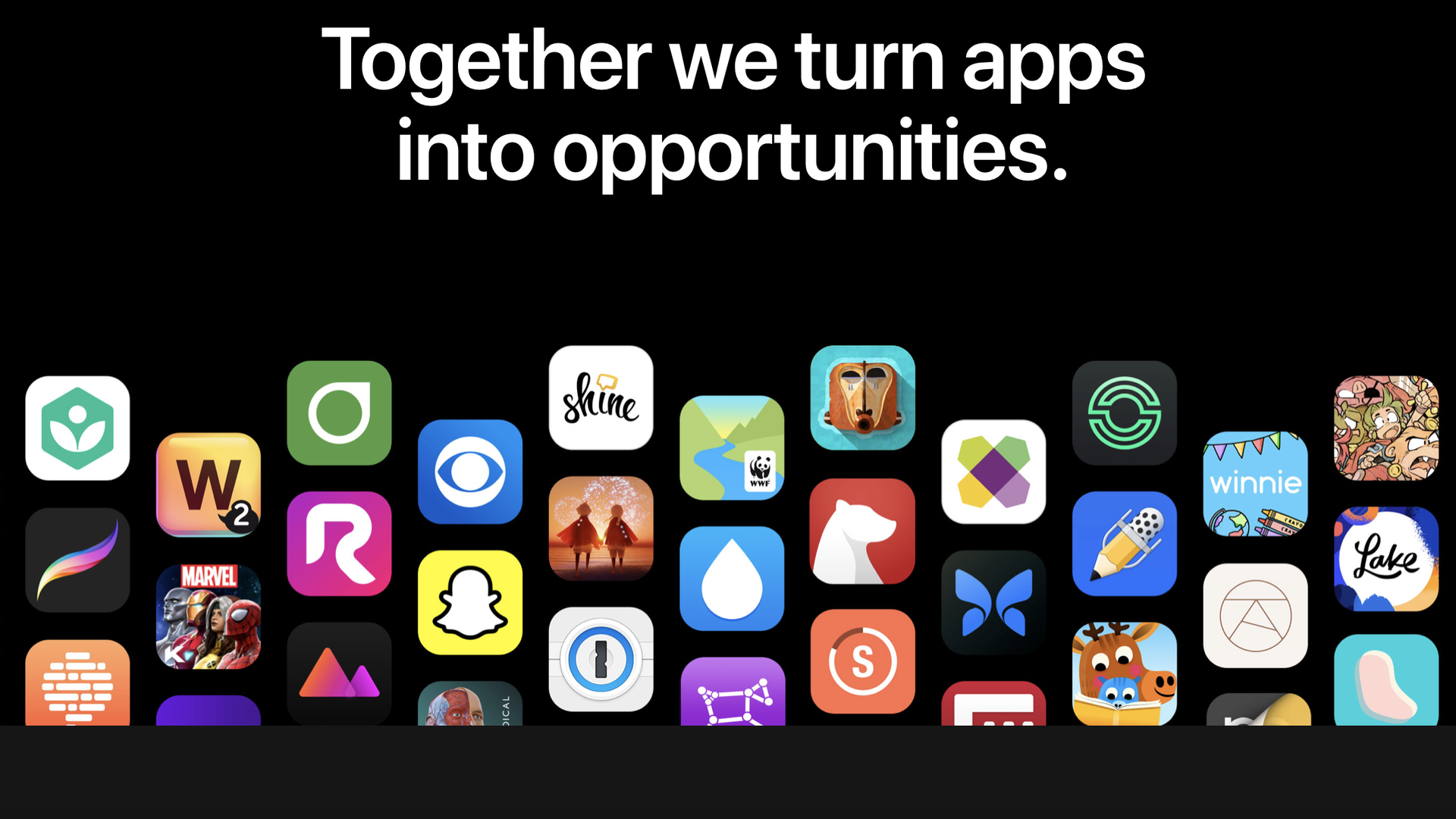
Apple announced a new program Wednesday under which it will take a smaller 15% cut from App Store sales for businesses earning less than $1 million selling their apps, rather than the standard 30% cut.
Why it matters: Apple is under fire from some critics over its rigid App Store policies that require developers to use Apple payment systems for both app sales and in-app payments in exchange for a cut of sales.
President Trump announced on Twitter Tuesday night that Christopher Krebs, the head of the Department of Homeland Security’s Cybersecurity and Infrastructure Security Agency, had been fired effective immediately.
Why it matters: Krebs, who is responsible for securing voting technology, has drawn bipartisan praise for his handling of the election and debunking of misinformation. Reuters recently reported he expected to be fired after he pushed back against false claims that Democrats "rigged" the election, a claim that Trump has heavily promoted.