Airbnb filed for its IPO on Monday, and showed some glimmers of hope for a travel and hospitality industry that has been hit particularly hard by the coronavirus pandemic.
Axios Re:Cap speaks with Skift co-founder and CEO Rafat Ali about what he learned from Airbnb's IPO prospectus, lessons for hoteliers and what will be left once COVID-19 is contained.
Nearly three quarters of adults say they are spending more on entertainment each month, according to a new survey conducted by Wakefield Research on behalf of Dolby.
Why it matters: American consumers are spending more on entertainment content as they try to binge-watch their way through the pandemic, which coincided with a flood of new streaming service options, including HBO Max, Peacock and Disney+. While consolidation is still expected, for now a rising tide is helping keep most boats afloat. (The S.S. Quibi has already sunk.)
In filing for a $1 billion stock offering Monday, Airbnb is betting investors will look past the company's coronavirus-induced struggles and see a brighter future.
Between the lines: Airbnb faces pressure to go public despite the pandemic so it can deliver liquidity both to investors and to early employees, whose options will eventually expire.
TikTok is expanding the ways parents can control how their children use the video-sharing app, according to a company blog post Tuesday.
The big picture: TikTok has sought to position itself as a fun and safe portal in the face of political headwinds over its Chinese ownership and as it watches more established peers wrestle with thorny content moderation challenges.
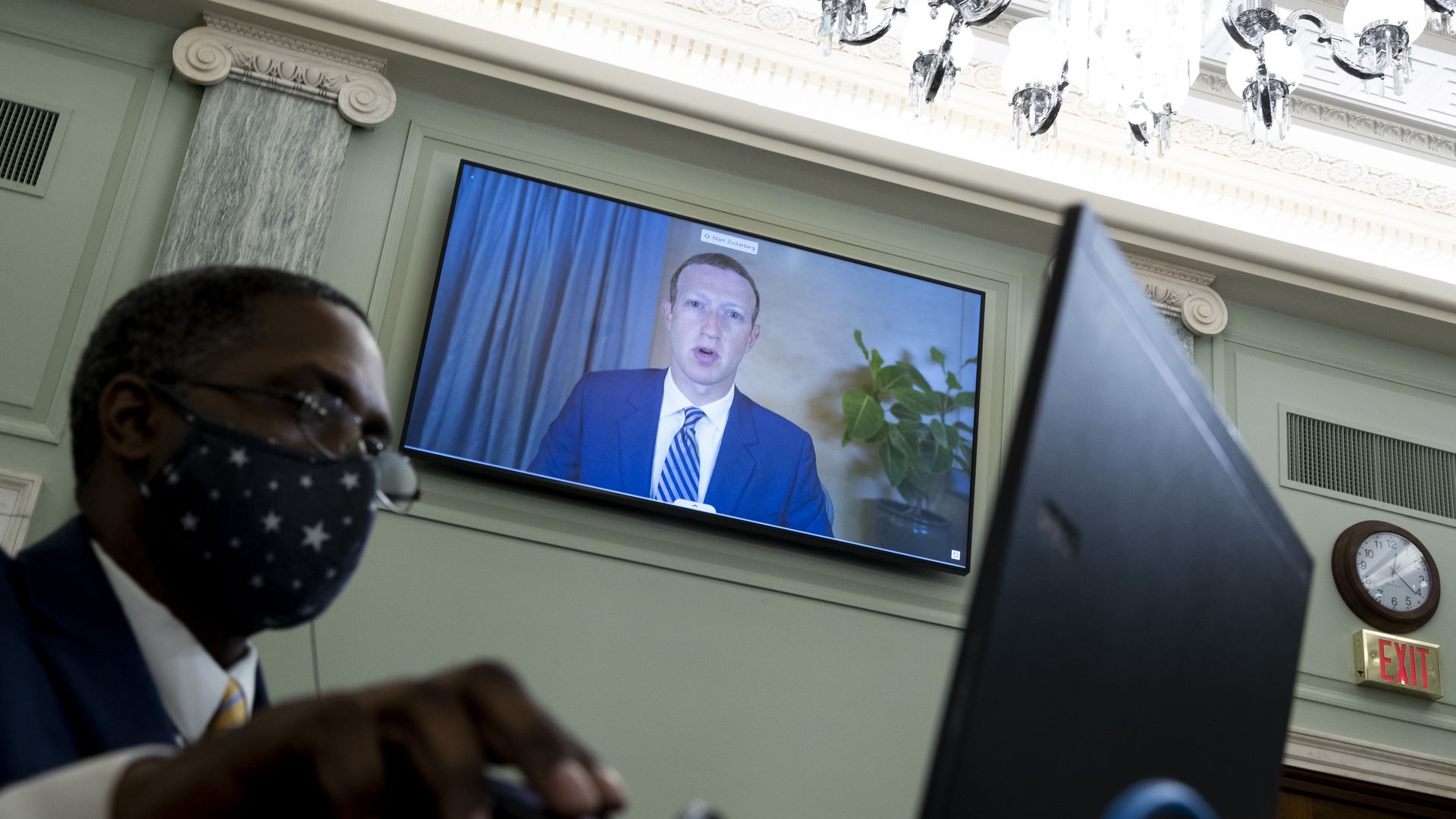
At a Senate hearing Tuesday morning, Facebook's Mark Zuckerberg and Twitter's Jack Dorsey will stress their companies' work to limit online misinformation and will endorse updating tech's prized liability shield as long as Congress doesn't blow it up.
Why it matters: Section 230 of the Communications Decency Act protects online platforms from lawsuits over moderation calls and user-posted content, and many policymakers view amending or even eliminating the law as their best lever to change how companies govern online speech.
Airbnb on Monday filed for a $1 billion initial public offering, which is expected to price in December.
Financials: Airbnb reports nearly a $700 million net loss on $2.5 billion in revenue for the first nine months of 2020, versus a $322 million net loss on $3.7 billion in revenue for the year earlier period. But it also reports $219 million in profits for the third quarter of 2020, as bookings rebounded.
Mac owners ran into a variety of challenges Thursday as Apple rolled out Big Sur, the latest version of OS X. Many Mac users who weren't installing the operating system update also found their systems slowing down.
The state of play: Apple confirmed to Axios Sunday that the slowdown resulted from a cascade of problems stemming from checks against Apple servers that an app's developer certificate is still valid. Troubles included a server configuration issue and a problem with Apple's content delivery network.
Airbnb will flip its IPO filing on Monday afternoon, setting itself up to go public before year-end. [Update: It filed]
Why it matters: This would cap off a resilient rebound for a company that many left for dead after the pandemic hit. As a source close to the company tells me: "Everyone knows Airbnb had a good Q3, but people may be surprised by just how good it was."
Qualcomm confirmed Saturday that it has received permission from the U.S. government to sell certain chips, including some 4G chips, to Huawei.
Why it matters: The U.S. sanctions against Huawei have hurt that company's mobile phone business especially hard, but they have also taken a toll on Huawei's U.S. suppliers, including chipmakers and software providers.
Silicon Valley's platforms are relieved to see Election Day slip into the past and feel they did a much better job than in 2016 at deflecting foreign meddling and disinformation, even as critics continue to point out new failures and President Trump's refusal to concede has laid new challenges in their path.
Driving the news: With online polarization deepening after a close election, the CEOs of Facebook and Twitter will face hostile Senate questioning Tuesday from both sides of the aisle.




/2020/11/17/1605611810543.gif?w=3840)