A report this week from the U.S. Patent and Trademark Office (USPTO) found the number of AI-related patents filed each year more than doubled between 2002 and 2018.
Why it matters: The increase in patent applications is just one way to chart the growing role artificial intelligence is playing in the U.S. economy.
President Trump's policy legacy is as much defined by what he's ignored as by what he's involved himself in.
The big picture: Over the past four years, Trump has interested himself in only a slim slice of the government he leads. Outside of trade, immigration, a personal war against the "Deep State" and the hot foreign policy issue of the moment, Trump has left many of his Cabinet secretaries to work without interruption, let alone direction.
AI and automation are receiving a boost during the coronavirus pandemic that in the short term is creating a new hybrid workforce rather than destroying jobs outright.
The big picture: While the forces of automation and AI will eliminate some jobs and create some new ones, the vast majority will remain but be dramaticallychanged. The challenge for employers will be ensuring workforces are ready for the effects of technology.
Twitter on Friday reinstated the New York Post's account after the social media platform faced backlash for limiting the circulation of the newspaper's reports about alleged Hunter Biden material earlier this month.
Our thought bubble, via Axios' Ashley Gold: Twitter's latest move shows how fraught it is for social media companies to be making content moderation policy decisions on the fly just days before an election.
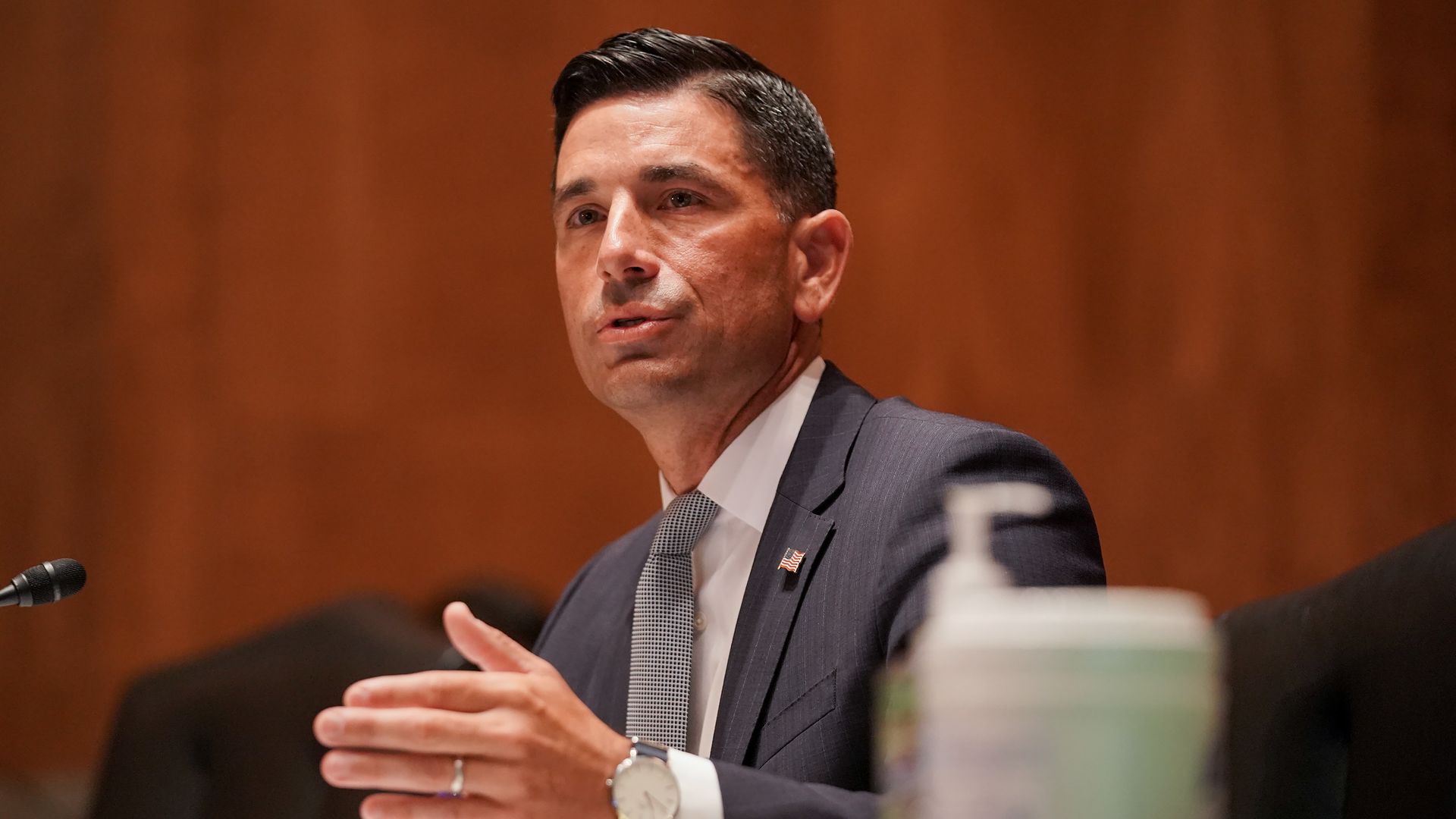
Acting Homeland Security Secretary Chad Wolf sent a letter to Twitter CEO Jack Dorsey on Friday, calling on him to "commit to never again censoring content" on the platform.
Driving the news: U.S. Customs and Border Protection Commissioner Mark Morgan said on Thursday the platform locked his account and removed a tweet about the effectiveness of the border wall.
A federal judge on Friday issued an injunction preventing the Trump administration from imposing limits on the distribution of TikTok, Bloomberg reports. The injunction request came as part of a suit brought by creators who make a living on the video service.
Why it matters: The administration has been seeking to force a sale of, or block, the Chinese-owned service. It also moved to ban the service from operating in the U.S. as of Nov. 12, a move which was put on hold by Friday's injunction.
Autonomous vehicle fleets won't likely replace buses and trains in major cities, but two mobility tech firms are exploring how self-driving taxis might improve access to public transit systems.
What's happening: Self-driving tech company Motional (a joint venture between Hyundai and Aptiv) this week announced a partnership with Via that the companies say will serve as a blueprint for an on-demand, shared robotaxi service.
Instagram is funding a slate of new memes, Reels, Stories and IGTV videos from ATTN:, the millennial-focused digital media company, to empower young people to vote.
Why it matters: Instagram and its parent Facebook are pushing to promote more civic engagement ahead of the election — and ATTN: is one of the top creators of social change-focused videos on the platform.
A new study says Facebook and dating apps collect the most personal information about users, though a wide range of apps are collecting more data than one would expect.
Why it matters: It's not always intuitive which apps are grabbing data. And even when a site or app doesn't explicitly collect a piece of information, it can still infer that information from other data it does collect.
Thursday's deluge of Big Tech earnings reports showed one thing pretty clearly: COVID-19 may be bad in all sorts of ways, but it's not slowing down the largest tech companies. If anything, it's helping some companies, like Amazon and Apple.
Yes, but: With the pandemic once again worsening in the U.S. and Europe, it's not clear how long the tech industry's winning streak can last.
Voters in San Francisco, the surrounding Bay Area, and California at large will vote Tuesday on key issues affecting Silicon Valley.
Why it matters: At stake are industry issues like gig workers' employment status and internet privacy, as well as broader measures on business taxes and the region's housing crisis, which many view as driven by tech wealth.
Facebook said late Thursday that a mix of "technical problems" and confusion among advertisers around its new political ad ban rules caused issues affecting ad campaigns of both parties.
Why it matters: A report out Thursday morning suggested the ad tools were causing campaign ads, even those that adhered to Facebook's new rules, to be paused. Very quickly, political campaigners began asserting the tech giant was enforcing policies in a way that was biased against their campaigns.
Twitter on Thursday labeled a tweet from Russian state media outlet RT (formerly Russia Today) that included a video implying widespread voter fraud is plaguing, and potentially delegitimizing, the U.S. election.
Why it matters: It's the first time Twitter has labeled RT's account with a civic integrity label, or a designation used to highlight efforts to manipulate or interfere in elections or other civic processes.
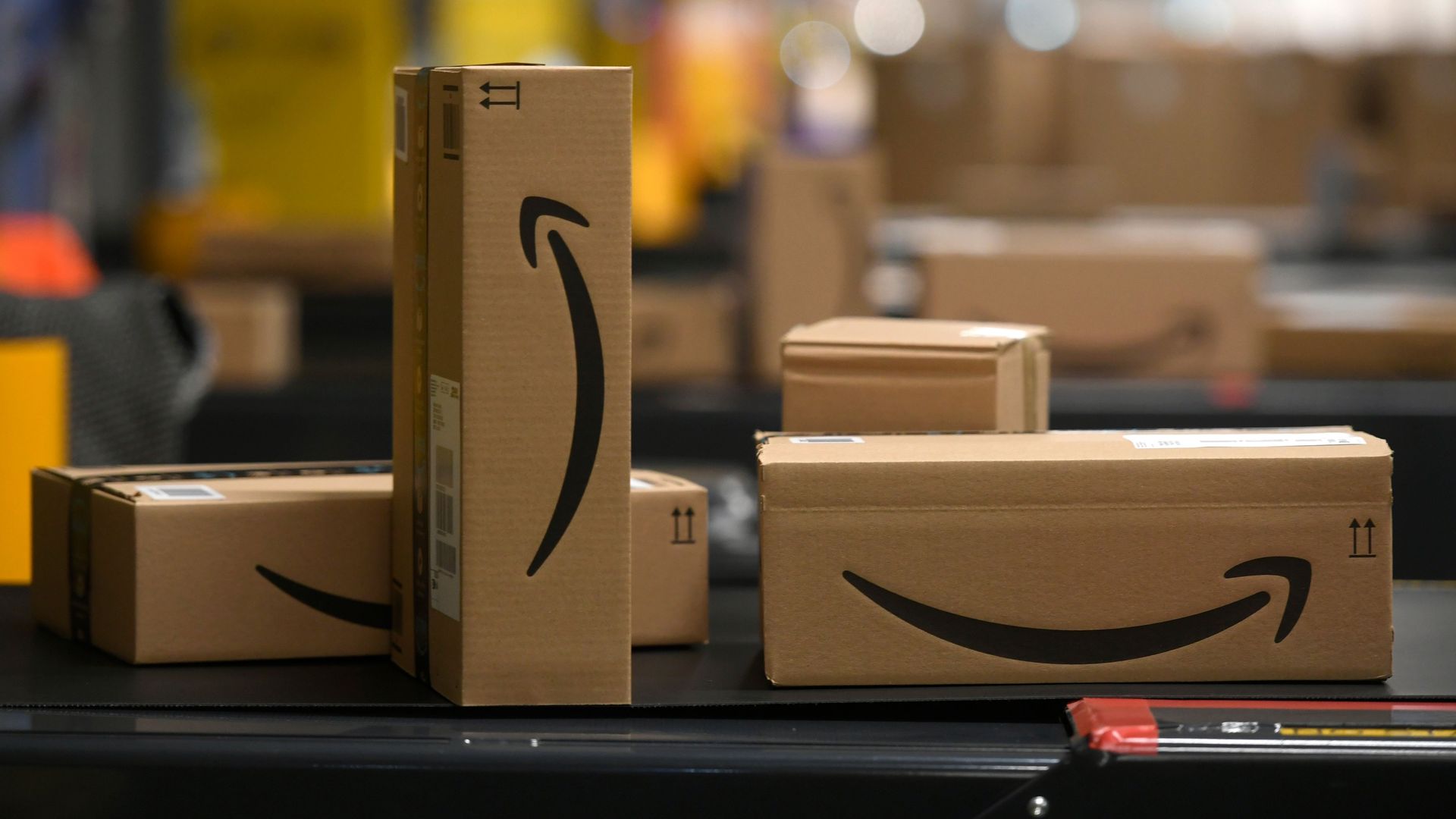
With the pandemic driving consumers to shop online, Amazon beat analyst expectations on Thursday with its Q3 results, though its stock price didn't see much of a bump.
Why it matters: Despite incurring what it estimates was about $2.5 billion in pandemic-related costs during the quarter, Amazon's revenue grew 37% year-over-year to $96.1 billion and its profits to $6.3 billion, up 197% year-over-year.










/2020/10/30/1604068589634.gif?w=3840)