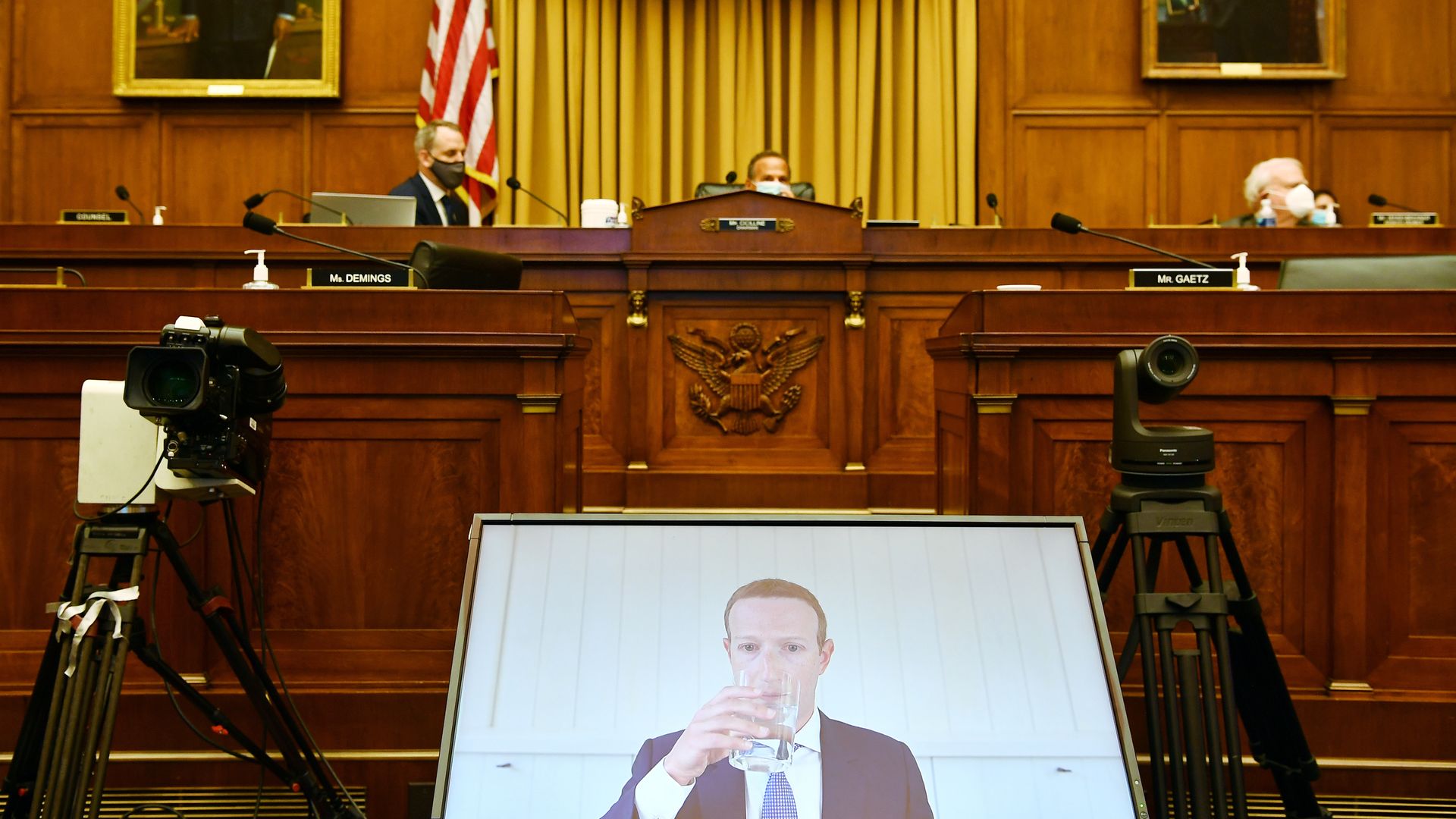
Facebook CEO Mark Zuckerberg and Twitter CEO Jack Dorsey will testify before the Senate Judiciary Committee on Nov. 17, the panel announced Friday.
The big picture Conservatives are angry that Twitter and Facebook made moves to limit the spread of the New York Post's controversial Hunter Biden coverage, and authorized subpoenas for their testimony this week.
It's one political minefield after another for tech companies this year as the industry faces a rash of concerns including antitrust pressure, rampant misinformation and a pre-election tightening of screws from the Trump administration.
Why it matters: For much of Silicon Valley, politics has, over the past decade, gone from a non-consideration to a nagging occasional distraction to an all-consuming force that threatens some companies' very existence. New products and features, meanwhile, have gone from being all the buzz to largely an afterthought.
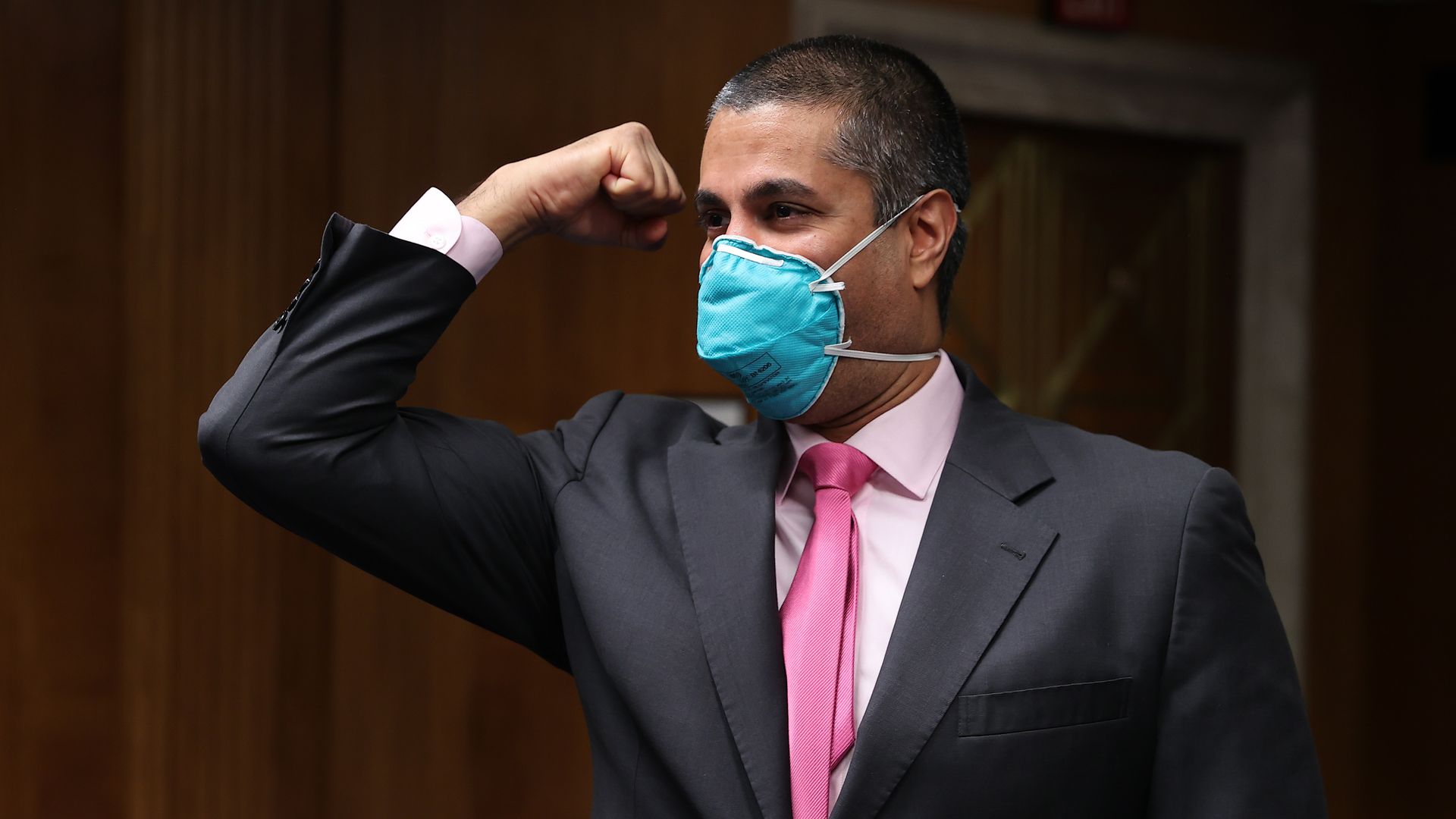
The Federal Communications Commission is making its case this week for why it should go ahead and write rules to curtail tech's broad protections against lawsuits over both moderation decisions and material that internet users post online.
Why it matters: The agency's GOP chairman was a longtime champion of the FCC hewing closely to the powers Congress has explicitly given it and to staying out of rewriting policy beyond its traditional jurisdiction. He now seems to have a very different view of FCC authority.
A California appeals court Thursday said Uber and Lyft have to reclassify their drivers in the state as employees, affirming a lower court's ruling.
Why it matters: The companies are fighting a new state law, at the center of this lawsuit, that imposes stricter requirements in order to classify workers as independent contractors.
A group of Uber drivers, along with nonprofits Worksafe and the Chinese Progressive Association, have sued the ride-hailing company, arguing that in-app messages promoting a California ballot measure that would enshrine their status as independent contractors violate drivers' right to be free of political influence from their employer.
Why it matters: Uber and other gig-economy companies have poured nearly $200 million into the campaign, as classifying their workers as independent contractors instead of employees is central to their business models.
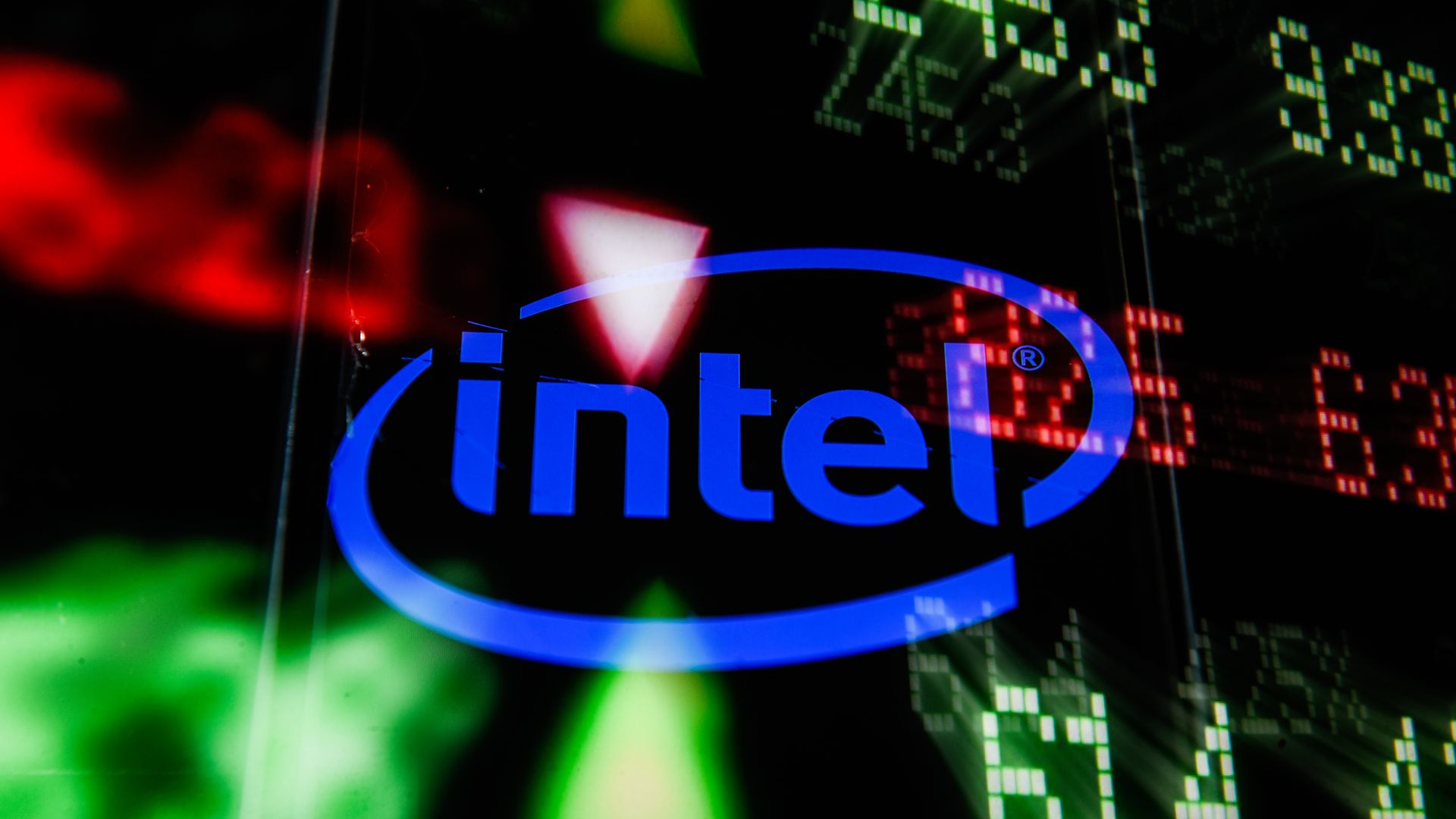
Shares of Intel fell as much 10% in after-hours trading Thursday — after the company posted quarterly revenue and earnings generally in line with expectations.
Why it matters: The chip giant is a bellwether for the PC industry, and small signs of weakness may be playing an outsize role in spooking investors.
Energetic Bear, a Russian state-sponsored hacking group, has stolen data from two servers after targeting state and federal government networks in the U.S. since at least September, the FBI and Cybersecurity and Infrastructure Security Agency said on Thursday.
Driving the news: Director of National Intelligence John Ratcliffe announced Wednesday that Iran and Russia had obtained voter registration information that could be used to undermine confidence in the U.S. election system.
Short-form video streaming app Quibi announced that it will cease operations, just six months after a high-profile launch backed by $1.75 billion in funding from studios and venture capitalists.
Axios Re:Cap digs into what went wrong and what happens next, with REDEF CEO Jason Hirschhorn.
The Facebook Oversight Board announced Thursday that some Facebook and Instagram users can now submit appeals to the Oversight Board for an independent review of their own content removals.
Why it matters: The board, a first-of-its-kind internet governance body, will begin hearing cases from users ahead of the U.S. election.
PayPal's decision to allow customers to hold bitcoin and other virtual currencies in its online wallet and shop using cryptocurrencies sent the value of bitcoin soaring on Wednesday.
Why it matters: With 346 million active accounts around the world and 26 million merchants, PayPal could bring cryptocurrencies into mainstream acceptance.
More than two-thirds of gig workers have seen their incomes drop during the coronavirus pandemic, with almost a third cutting back on food as they struggle to cover expenses, according to new data from an industry survey shared exclusively with Axios.
The big picture: The pandemic has put ride-share drivers, personal shoppers and others at heightened risk of contracting the coronavirus without netting them benefits or additional pay.
The Justice Department's antitrust suit against Google is a strong, straightforward monopoly case, competition lawyers and experts tell Axios. But that doesn't mean it'll be an easy journey for the government.
The big picture: Winning any antitrust case is a heavy lift. It's even more of a challenge to pull off victory in a future-looking case that seeks to make room for potential new competition to flourish.
President Trump and lawmakers reacted to Director of National Intelligence John Ratcliffe's announcement that Iran and Russia sought to influence the U.S. election by obtaining voter registration data in an attempt to spread false information.
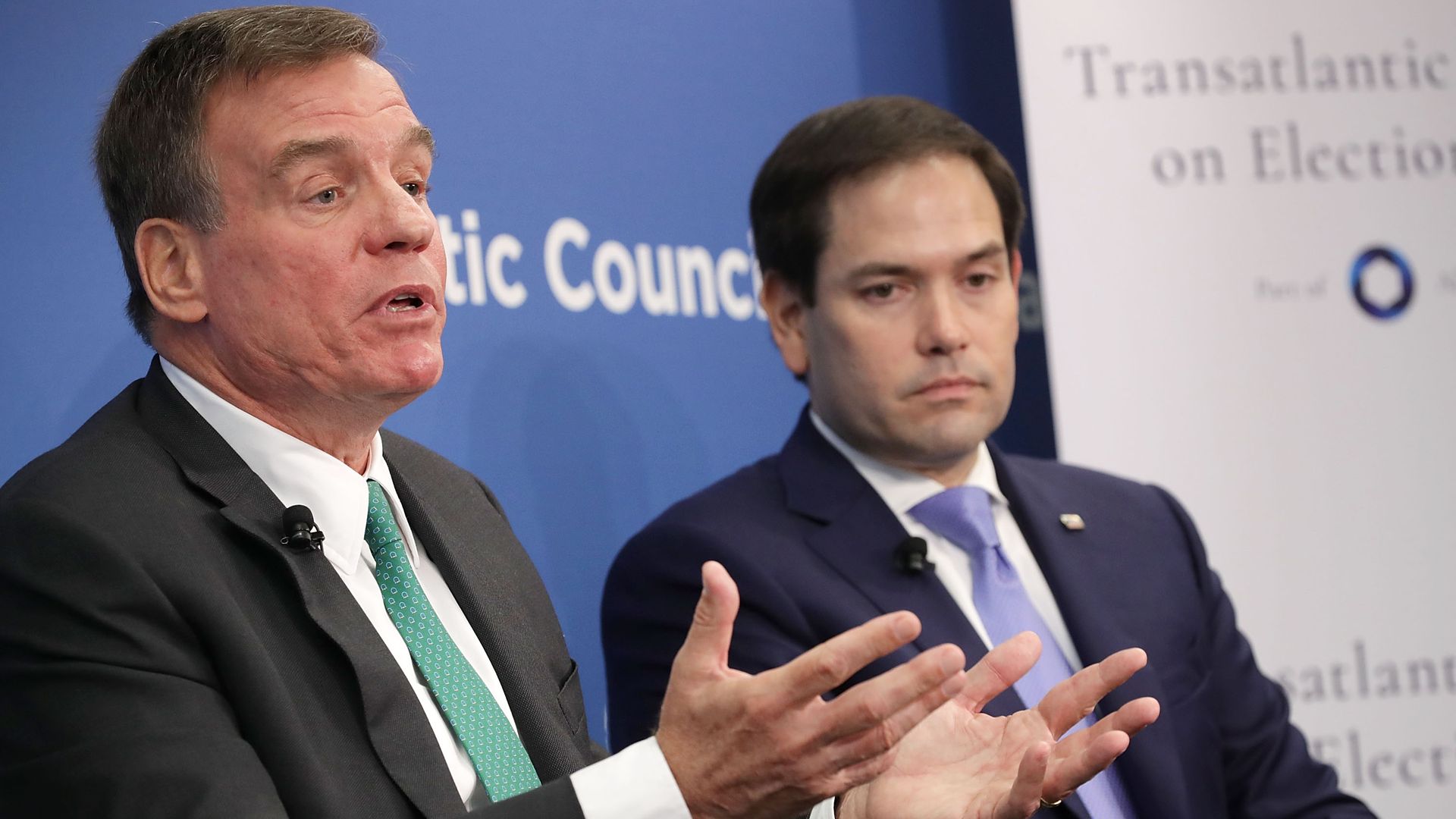
What they're saying: Senate Intelligence Committee Chair Marco Rubio (R-Fla.) and Vice Chair Mark Warner (D-Va.) urgedAmericans in a joint statement to "be cautious" ahead of the Nov. 3 election "about believing or spreading unverified, sensational claims related to votes and voting."