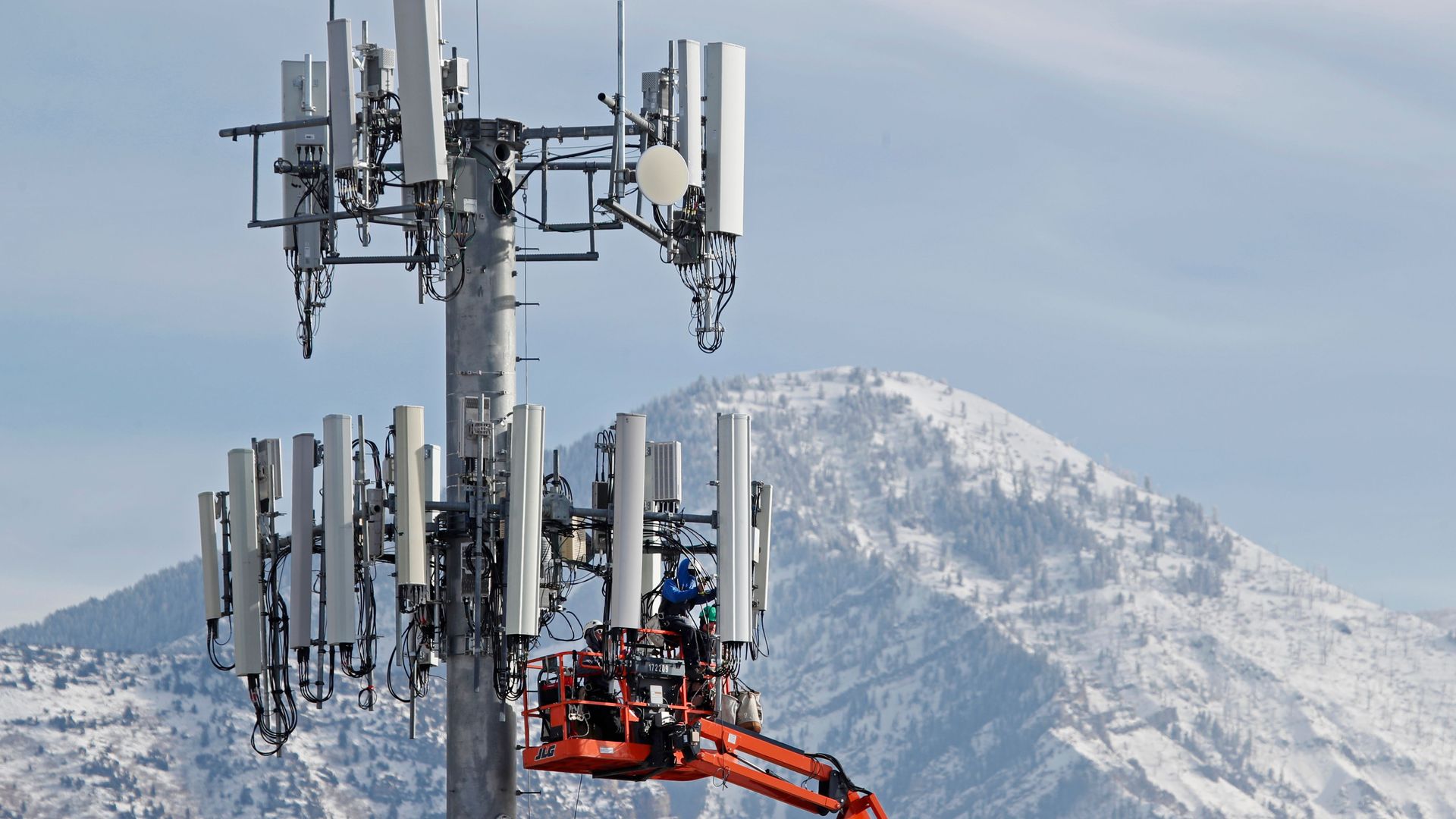
White House chief of staff Mark Meadows is leaning on the Pentagon to move ahead with a plan to stand up a 5G wireless network, sources tell Axios, and the idea, despite opposition from key government and private-sector players, could well outlive the Trump administration.
Why it matters: The Department of Defense could lease out capacity to wireless carriers and other companies in need of the ubiquitous, high-speed connectivity that 5G technology promises. That prospect makes this the Trump administration's most serious push toward a federally backed national 5G network since it first floated the idea in 2018.
Facebook CEO Mark Zuckerberg announced Monday that the tech giant would be expanding its hate speech policies to ban any content that "denies or distorts the Holocaust."
Why it matters: Zuckerberg was caught flat-footed in a 2018 interview with Kara Swisher, then host of the Recode Decode podcast, when he said that he didn't believe Facebook should take down Holocaust denial content because "I think there are things that different people get wrong," even if unintentionally.
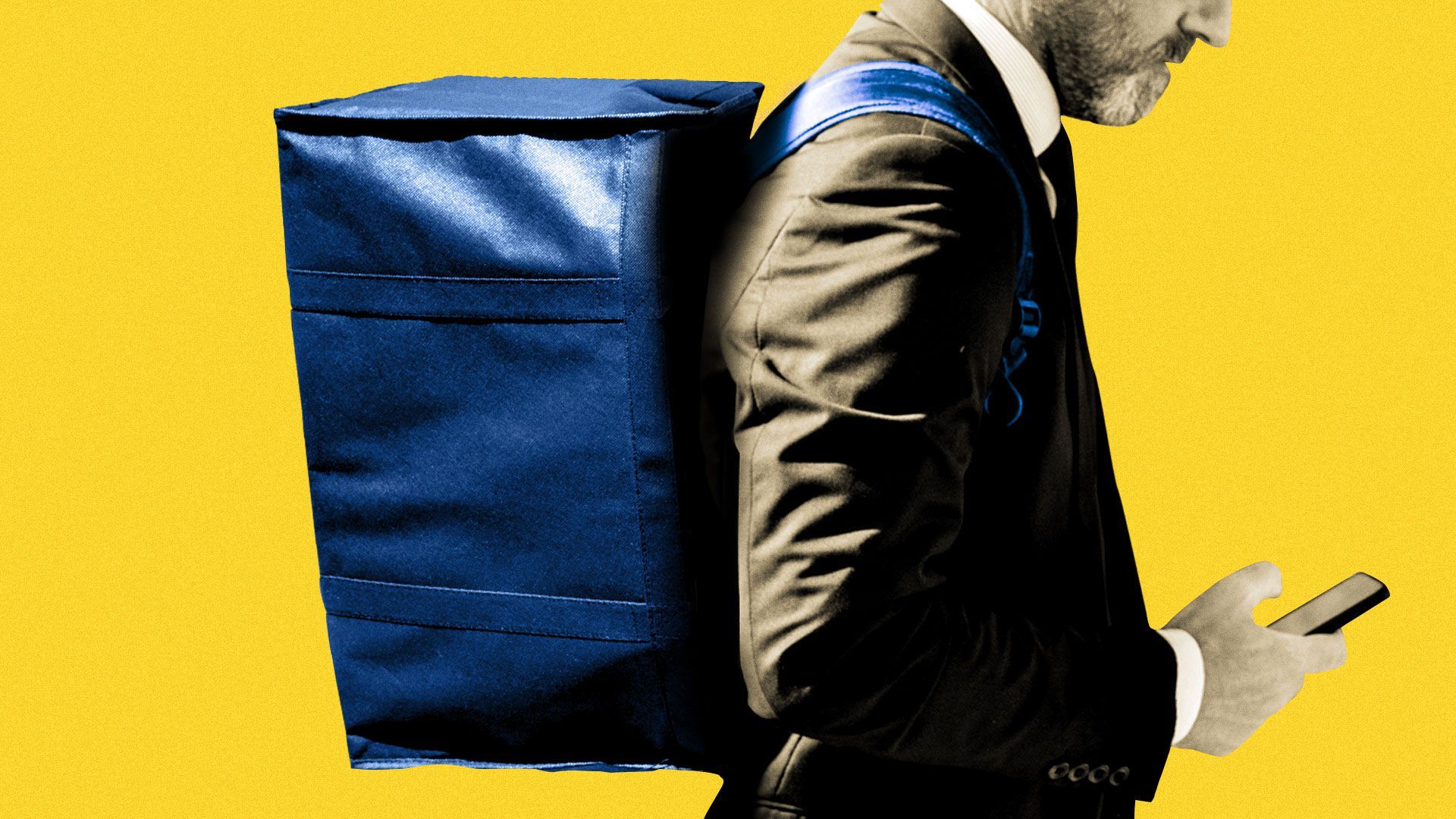
Gig companies backing a California ballot measure that would let them continue to classify drivers as contractors face increasing criticism for some of the tactics they are funding.
Why it matters: Passing the proposition is the only way for ride-hailing and delivery gig companies to continue operating as they have been after California passed a law requiring them to treat their workers as employees.
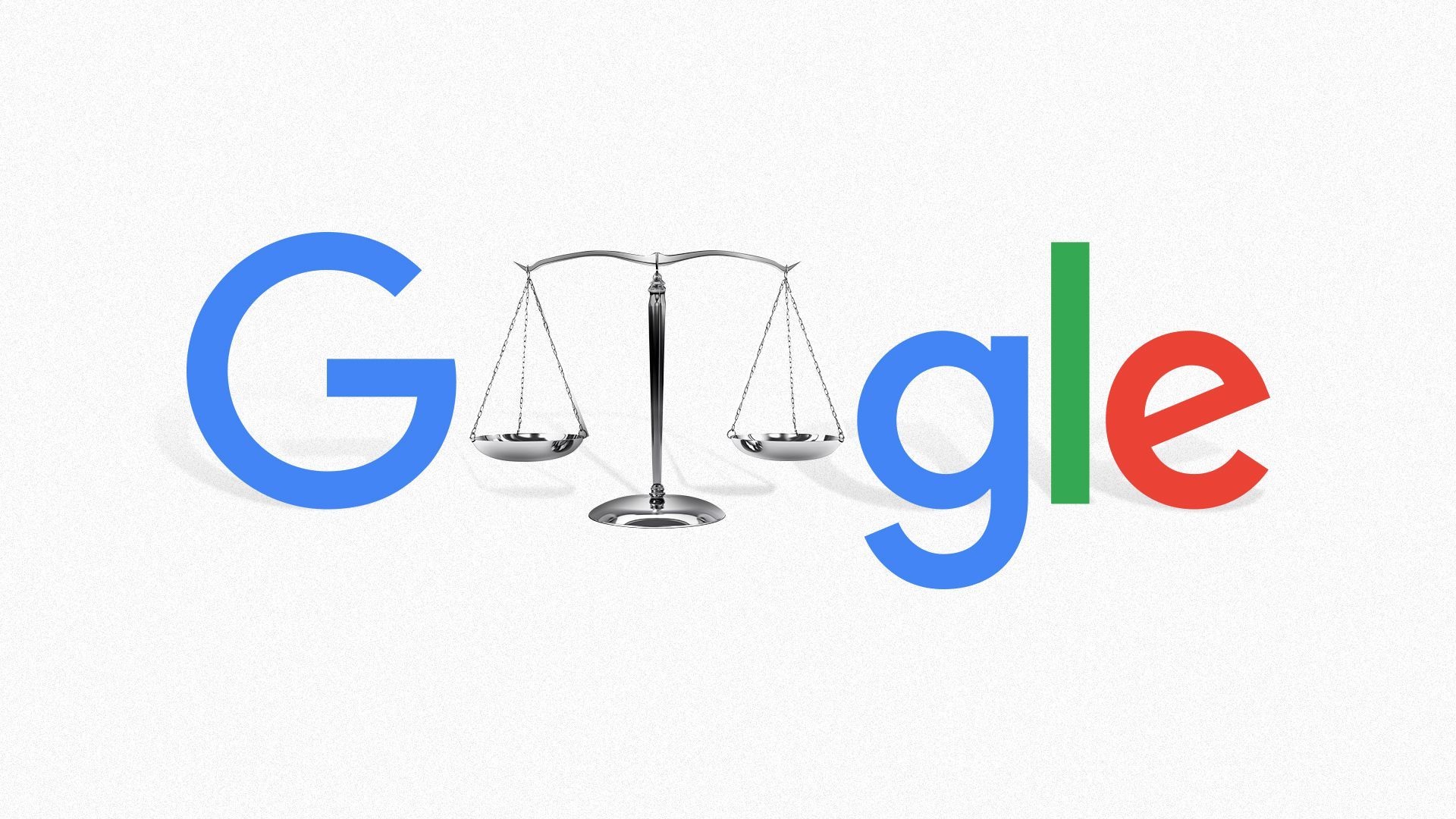
Insiders expect the Justice Department to charge Google with violating antitrust laws this week, in what would be the biggest such action against a U.S. tech company in two decades. But questions still swirl around how broad and tight Justice's case will be.
Why it matters: The suit against Google will focus on monopolistic behavior, but it's also likely to be the last chance for the Trump Administration to act against the tech giants it blames for anti-conservative bias before an election that could oust it.
While Facebook continues to take heat over being a tinderbox for conservative media, data shows that liberal, civically engaged voices are winning out on Instagram — and the engagement is even higher there than on Facebook.
Why it matters: The politics playing out on Instagram reflect a younger, more progressive generation. Many have left Facebook to their parents.