Facebook and Twitter on Wednesday took steps to limit the circulation of a New York Post story about Hunter Biden, deploying throttles that have been built in an effort to avoid repeating mistakes of 2016.
Why it matters: In the run-up to November's election, online platforms have designed circuit breakers to limit the spread of hacked emails and foreign meddling. In 2016, such material helped shape the political fight, and social media took much of the blame.
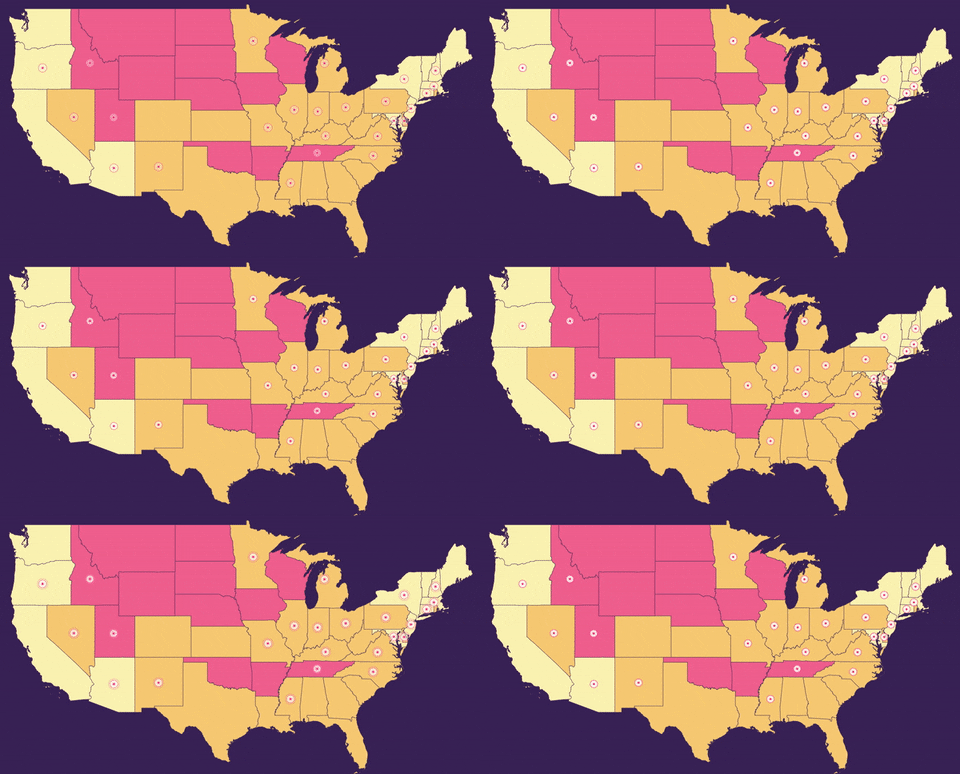
A company that makes internet-connected thermometers has shown success in predicting likely COVID-19 hot spots days or even weeks before case counts rise.
Why it matters: Even as the U.S. has ramped up coronavirus testing, too often we're still behind the pace of the virus. But connected, at-home diagnostics could give advance warning of when COVID-19 — or the next new virus — is about to strike.
Representatives of the Five Eyes intelligence alliance — the U.S., U.K., Canada, Australia and New Zealand — plus Japan and India, have released a new statement again calling for expanding "lawful access" into commercial encryption.
Why it matters: It’s more international pressure on tech companies to put backdoors into their encrypted systems, even though experts, including the former FBI general counsel, agree these backdoors would likely be exploited by bad actors, including hostile foreign powers.
A U.S. military-led cyber strike aimed at hobbling the world’s largest botnet is the latest escalation of the Trump administration's increasingly aggressive cyber policy.
Why it matters: Going more on the offensive in cyberspace can mean more chances to preempt state-backed or criminal cyber operations before they can harm Americans. But it also raises concerns about America's cyber warriors overstepping their authority and trampling on people's privacy.
A growing number of tech companies say workers need not ever come back to the office if they don't want to. The move comes as pandemic-related closures have already kept many tech workers out of the office for months.
Why it matters: Technology's spread into every corner of the broader economy keeps boosting demand for workers with tech skills. That pushes employers to accommodate tech talent wherever they find it.
With the iPhone 12, unveiled Tuesday, Apple has made some big technology bets that should boost demand for 5G networks as well as help spur developers to create more advanced augmented reality applications. However, phone buyers will probably have to wait for a payoff.
Why it matters: Many tech advances start out as chicken-and-egg problems, with developers waiting for a market to emerge while consumers don't yet see the value in spending more. Apple has the rare ability to push past that block. Because of its size and comparatively focused product line, its support of new technologies like 5G and lidar can vault them into the mainstream.
Peer-to-peer car rental company Getaround said Wednesday that it raised $140 million in new funding.
Why it matters: This comes near the end of a roller-coaster year for Getaround, which saw bookings drop by 75% at the start of the pandemic, but since has seen revenue double from pre-pandemic levels.
China is already test-driving the future of finance while the rest of the world is stuck trying to get its learner's permit.
What's happening: Over the past two weeks Chinese authorities in cities like Shenzhen and Chengdu have given out the country's brand new digital renminbi currency and are urging even faster rollout of the token nationwide.
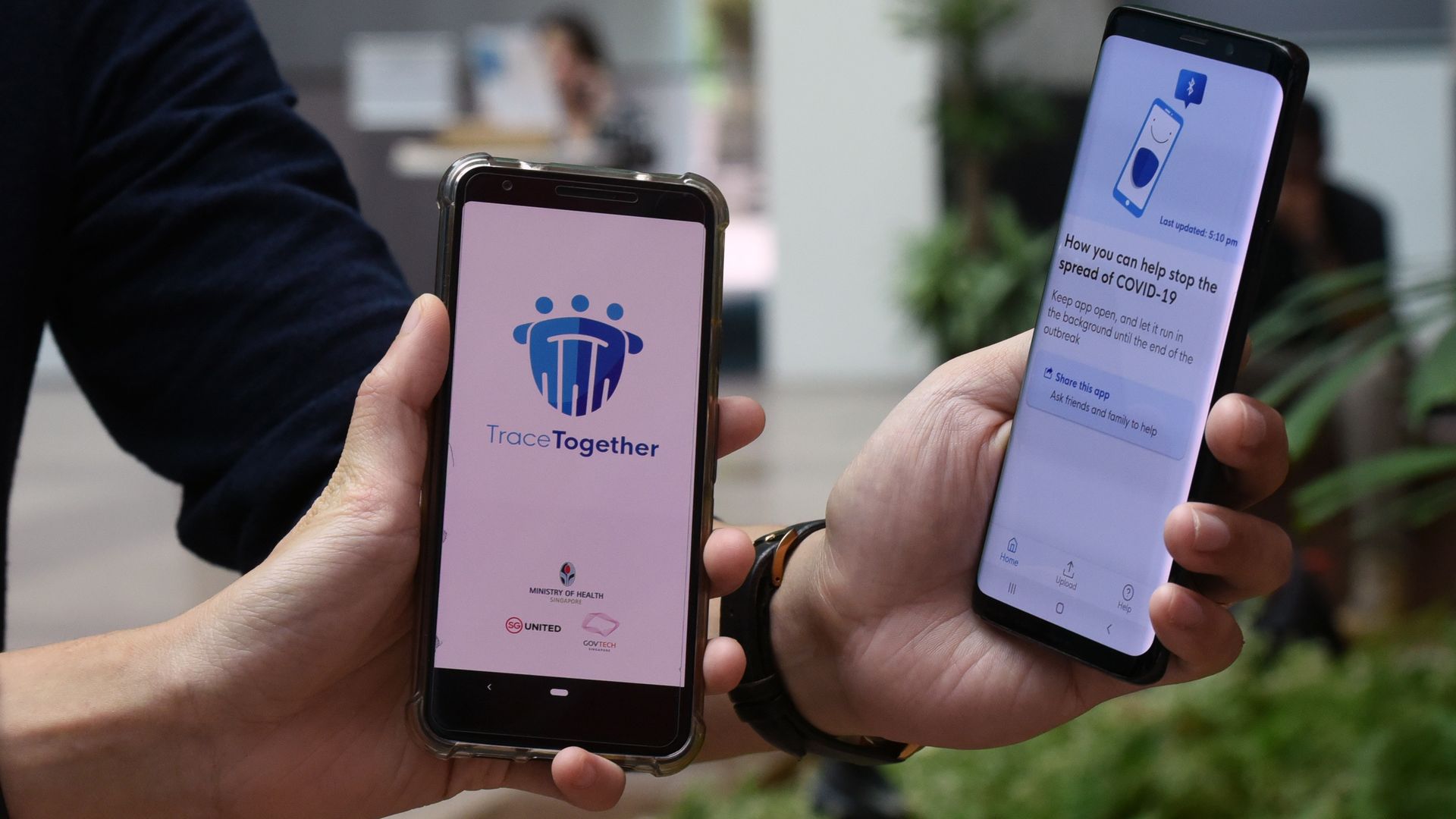
Governments around the world have seized on the coronavirus crisis as an opportunity to expand digital surveillance and harvest more data on their citizens, according to a report out Wednesday from Freedom House, a democracy and human rights research group.
Why it matters: Privacy advocates have warned since early in the pandemic that the tech behind efforts to conduct contact tracing and enforce quarantines and other public safety protocols could be abused and made permanent, particularly in authoritarian countries like China.