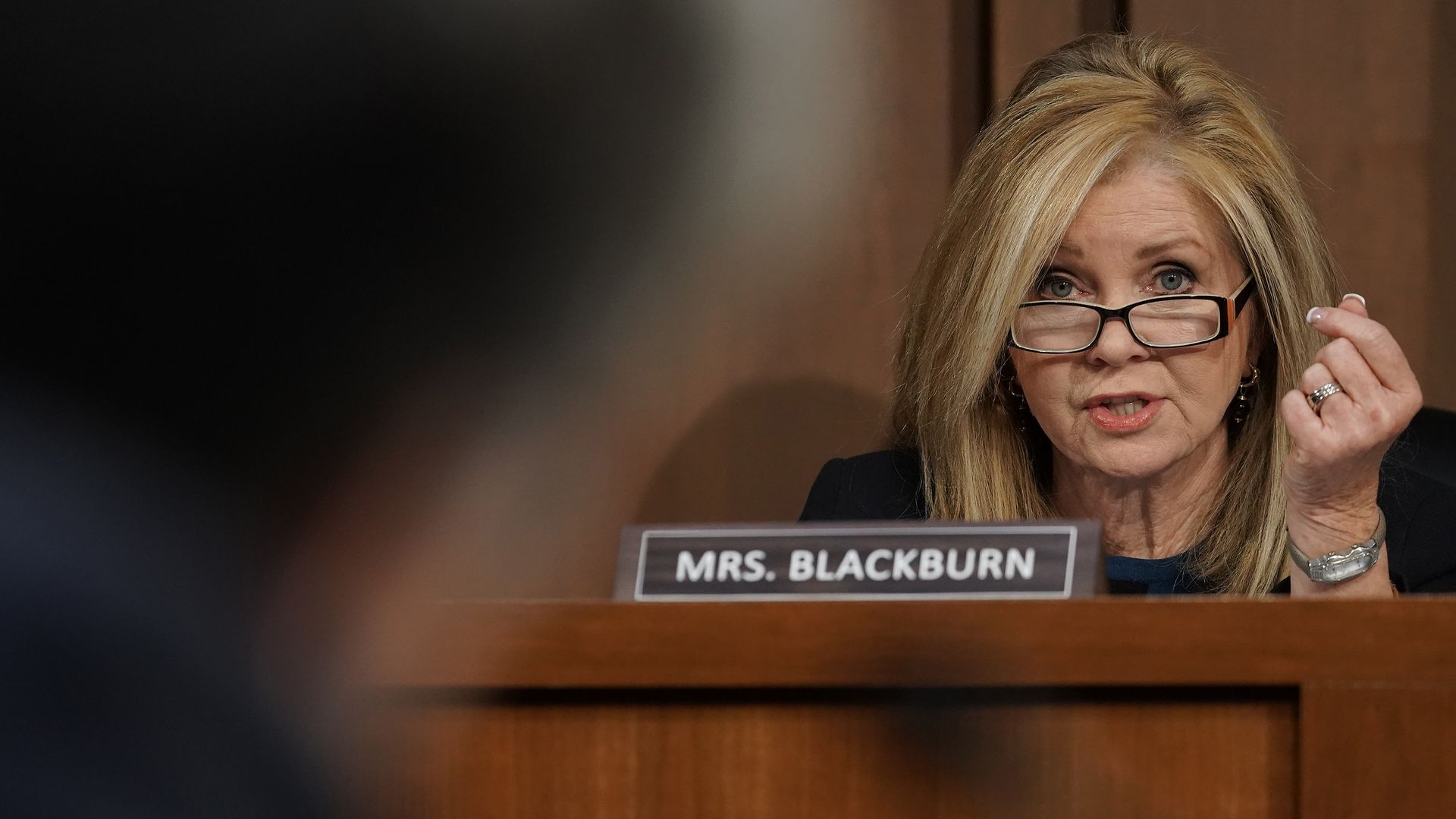
Republican Sen. Marsha Blackburn called on her fellow lawmakers to refuse meetings with representatives from Chinese companies, including video sharing app TikTok and telecom company Huawei, in a letter Thursday.
Why it matters: Companies with ties to China have been the target of ire and suspicion from lawmakers from both parties concerned about privacy and security.
As had been rumored, Apple is buying NextVR, an Orange County, Calif.-based startup best known for streaming sports, concerts and other live events in virtual reality. The company confirmed the acquisition first to Bloomberg, and also to Axios.
Why it matters: NextVR was struggling before the pandemic hit. The combination of slower-than-expected adoption of VR headsets and now a lack of live events put severe pressure on the company's ability to fundraise and build its business.
A group of House and Senate Democrats on Thursday announced legislation meant to ensure any tech tools used to combat pandemics don't violate Americans' privacy or introduce cybersecurity risks.
Why it matters: Americans report being wary of tech-based systems for coronavirus contact tracing — that is, identifying infected people and isolating those who've come in contact with them. A recent Axios-Ipsos survey found that just half of Americans would participate in a voluntary, cell-phone-based contact-tracing program.
Large smart city projects were getting a lot of attention and investment from city halls before the coronavirus pandemic. Now, those budgets have all but evaporated and priorities have shifted dramatically.
Yes, but: Some smaller-scale innovations could help cities as they fight to recover from the crisis.
A coalition of children's advocacy groups accused video-sharing platform TikTok of violating children's privacy and called on the Federal Trade Commission to investigate in a complaint Thursday.
Why it matters: TikTok is facing heat from Washington over concerns about how well it's protecting kids who use its wildly popular app — and it paid $5.7 million last year to settle an FTC investigation alleging that a predecessor app illegally obtained children's personal information.
A loose constellation of tech veterans is lining up to support presumptive Democratic presidential nominee Joe Biden, forming a largely moderate, Beltway-fluent contrast to President Donald Trump's smaller bench of tech loyalists.
The big picture: Biden is drawing support from the technocratic circles that made for an amicable relationship between the Obama White House and Silicon Valley, including some people who once worked for Obama or Biden and now hold powerful positions at major tech firms.
A top tech trade group in a Wednesday letter to Vice President Mike Pence pushed the Trump administration to provide clear nationwide guidance on how companies should approach reopening during the coronavirus pandemic.
Why it matters: Conflicting guidance from federal, state and local authorities on how to safely get back to work is muddying an already daunting prospect.
Snapchat is working to get younger users to register to vote ahead of the 2020 general election, executives tell Axios.
Why it matters: The company was able to successfully register 450,000 people through its app during the 2018 midterms. Now, new data shows that 50% of those registered actually went out and casted ballots.
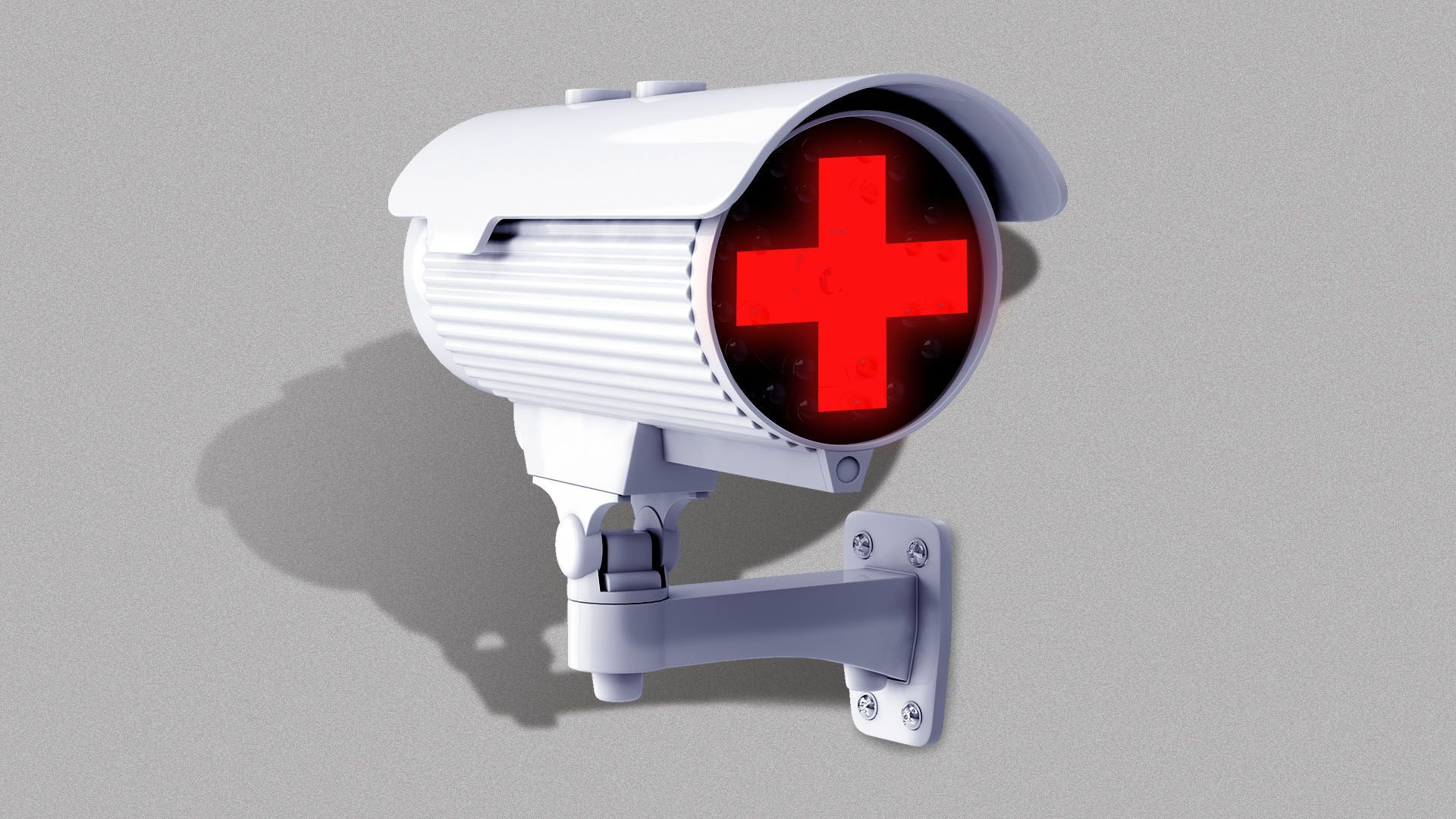
Employers emerging from lockdown are looking to new COVID-19 screening tools to help workers get back on the job.
Why it matters: Neither employees nor customers are likely to return to businesses if they fear infection, so there needs to be some way to separate the sick from the well. But manynew screening services are untested, and could open the door to intrusive health surveillance.
Why it matters: As restaurants turn to delivery and pickup to weather the COVID-19 storm, food delivery apps have been criticized for making it difficult for those eateries to stay afloat because of steep fees.
As some states and cities begin to ease shelter-in-place restrictions, Uber is introducing a slew of measures intended to make driver and passengers feel safer about resuming rides, including making face coverings mandatory.
Why it matters: Uber's ride-hailing business took an 80% hit year-over-year in April as the coronavirus pandemic forced many to stay home.
While two-dimensional video chat has become the standard for remote office meetings, a number of startups are working to bring that experience to VR.
Why it matters: VR has some advantages, including its immersiveness and the feeling of connection. However, as with other uses of VR, there are drawbacks, including challenges related to multitasking, or even taking notes.
Many have pointed out that, as hard as the pandemic is, it would have been much harder 10 or 15 years ago, without today's high-speed internet connections, multiple streaming services, and apps like Zoom, Slack and Google Classroom.
Yes, but: Another way to look at this is that in just a few years, the experience of sheltering in place might be way better, once augmented and virtual reality become mainstream.
One simple reason VR isn't more popular today: You need special hardware to experience it, yet most people haven't been persuaded to buy a headset — and many of those who did so own a less capable model that's gathering dust.
Why it matters: VR lost its place in today's shelter-in-place survival kit because the industry failed to bring the right mix of products to market.
Virtual reality can bring faraway people together and take us places we can't physically go. That should make it the perfect breakout technology for both personal and professional life in the stay-at-home era — yet it remains a niche product.
The big picture: Virtual reality remains in its infancy, despite decades of on-and-off development, billions of dollars in investment and a ton of anticipation. Sales of VR headsets have repeatedly failed to live up to expectations. IDC reported 1.4 million units sold globally in Q4, down 23% from the prior year.




/2020/05/13/1589403992975.gif?w=3840)













/2020/05/13/1589378353692.gif?w=3840)