Telsa announced that it will suspend production at its chief U.S. plant, located in the Bay Area, on March 23 amid the coronavirus pandemic — a week after local authorities ordered all nonessential businesses to shut down.
The big picture: Tesla has been among a small number of businesses resisting a full shutdown of operations to curb the potential spread of the virus among workers. Local law enforcement has been in discussion with the company after it told employees to keep coming to work.
"Basic operations" that fall under the shutdown order's carveout for essential business will continue "to support our vehicle and energy service operations and charging infrastructure," Tesla added.
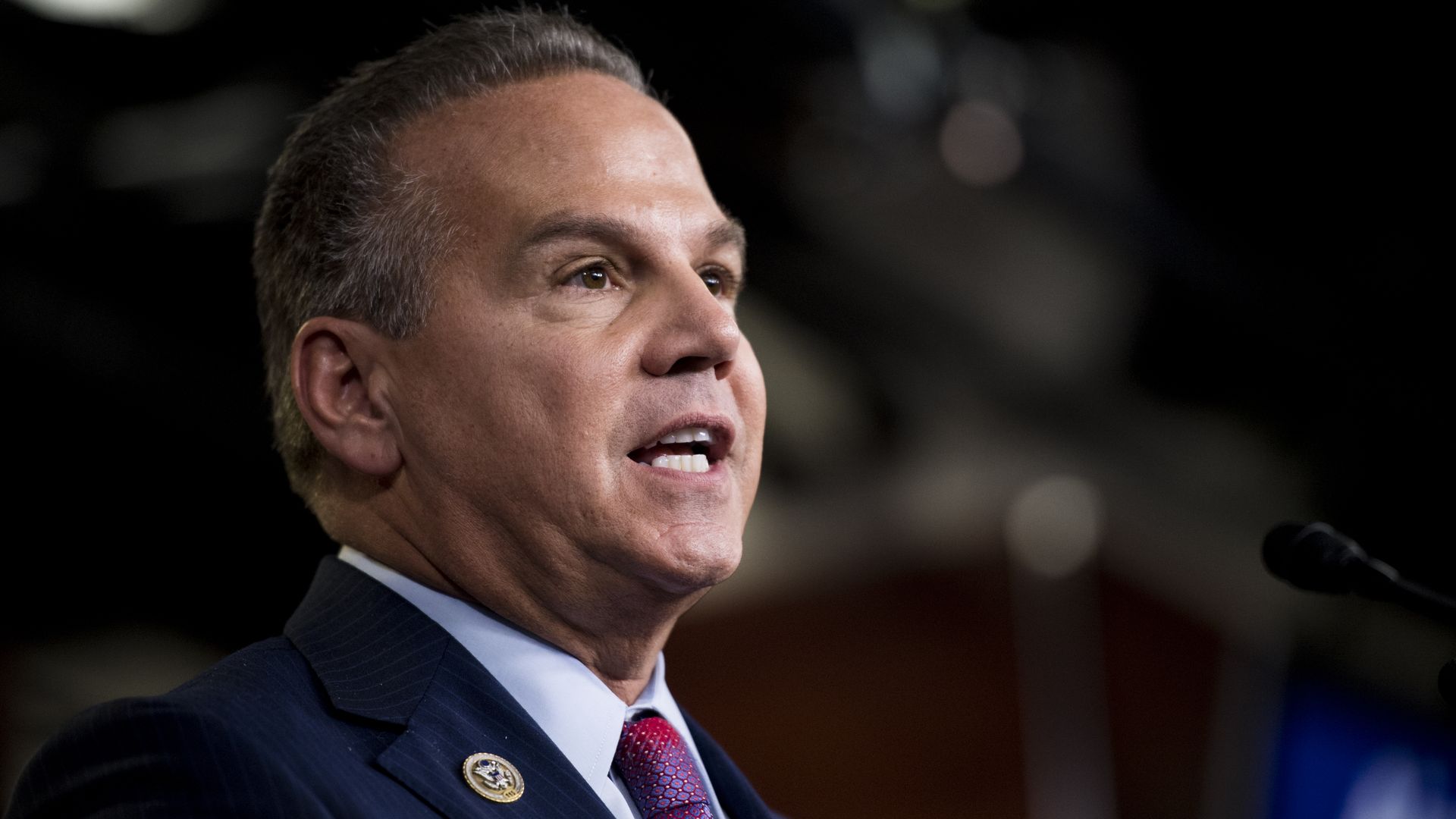
The spread of the coronavirus will delay a House antitrust investigation into Big Tech and online markets, the Democrat leading the probe said Thursday.
Driving the news: Rep. David Cicilline, who chairs the House Judiciary antitrust subcommittee, said the public health crisis will push back a bipartisan report detailing the investigation's findings, originally set for release at the end of this month.
Mark Zuckerberg told reporters on Wednesday that Facebook plans to pay its contract workers indefinitely, even if they aren't able to carry on their normal duties. That comes as Facebook has directed most of its full-time and contract labor force to work from home to mitigate the spread of the coronavirus.
What they're saying: "I don't think we see an end to that," CEO Mark Zuckerberg told reporters Wednesday on giving full pay to its contracted content moderators whose work can't be done remotely.
With the coronavirus pandemic putting increased attention on collaboration software, Microsoft is announcing a host of new features coming to its Teams product this year.
Why it matters: Microsoft sees Teams, which turns three years old this week, as a key growth product for the company. The product now has 44 million daily active users, up from 32 million a little over a week ago.
Snapchat will launch a new health and wellness initiative ahead of schedule Thursday in order to address its users' growing anxiety about the coronavirus. Snapchat will also introduce new features and content to help educate users about safety measures and available resources.
Why it matters: Millennials and Gen Z, the main demographics that use Snapchat, are being criticized by health authorities for not taking the virus seriously, since early health reports showed that it was less lethal for young people.
For all the recent talk about using phone location data to track the progress of the coronavirus epidemic, experts say the data is more likely to bolster longer-term research than provide much immediate help, at least in the U.S.
Driving the news: A Washington Post report Monday suggested that talks between the federal government and Facebook, Google and other tech companies could harness location data anonymously to combat the virus. But any such efforts would face major technical, practical, legal and ethical hurdles.
Facebook will pay its contract workers indefinitely, even if they aren't able to carry on their normal duties, as it directs most of its labor force to work from home to mitigate the spread of coronavirus.
What they're saying: "I don't think we see an end to that," CEO Mark Zuckerberg told reporters Wednesday on giving full pay to its contracted content moderators whose work can't be done remotely.
Apple unveiled several new products on Wednesday, offering up a MacBook Air with an improved keyboard and an iPad Pro with built-in support for a trackpad as well as an updated Mac mini.
Why it matters: The move marks the first major consumer tech product launch in the quarantine era, demonstrating Apple's faith that coronavirus-induced supply chain challenges are behind it and coming as many are looking for new in-home devices.
TikTok on Wednesday unveiled a group of outside advisers with expertise in child safety, hate speech, misinformation and other areas that will help guide its content moderation policies.
The big picture: Online platforms are facing intense scrutiny from lawmakers and even the Justice Department over how they decide what their users can and can't say and do.