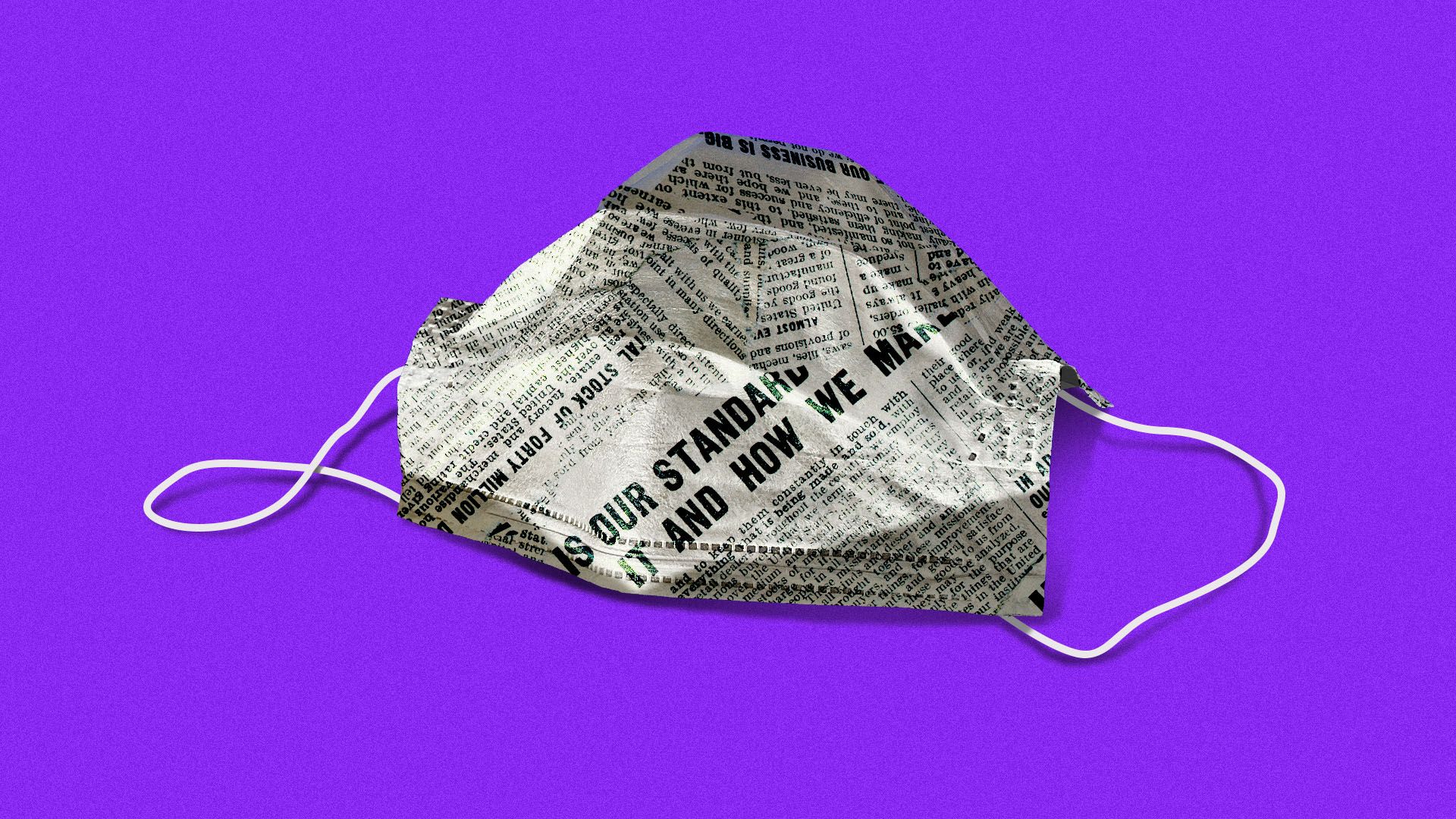
The massive disruption caused by COVID-19 could lead companies to tap automation to manufacture products much closer to home.
Why it matters: The pandemic is revealing that the globalized supply chain that brings us many of our products is shockingly fragile. Easily programmable industrial robots could make it simpler to produce what we use here in the U.S., reducing that vulnerability.
Dozens of local newsrooms began laying people off this week out of fear that the economic hit of the coronavirus could severely impact their ad revenue.
Why it matters: Local news was already facing dire strains in the United States. The coronavirus and a pending recession could push the industry into near collapse at a time when people need access to local news and information more than ever before.
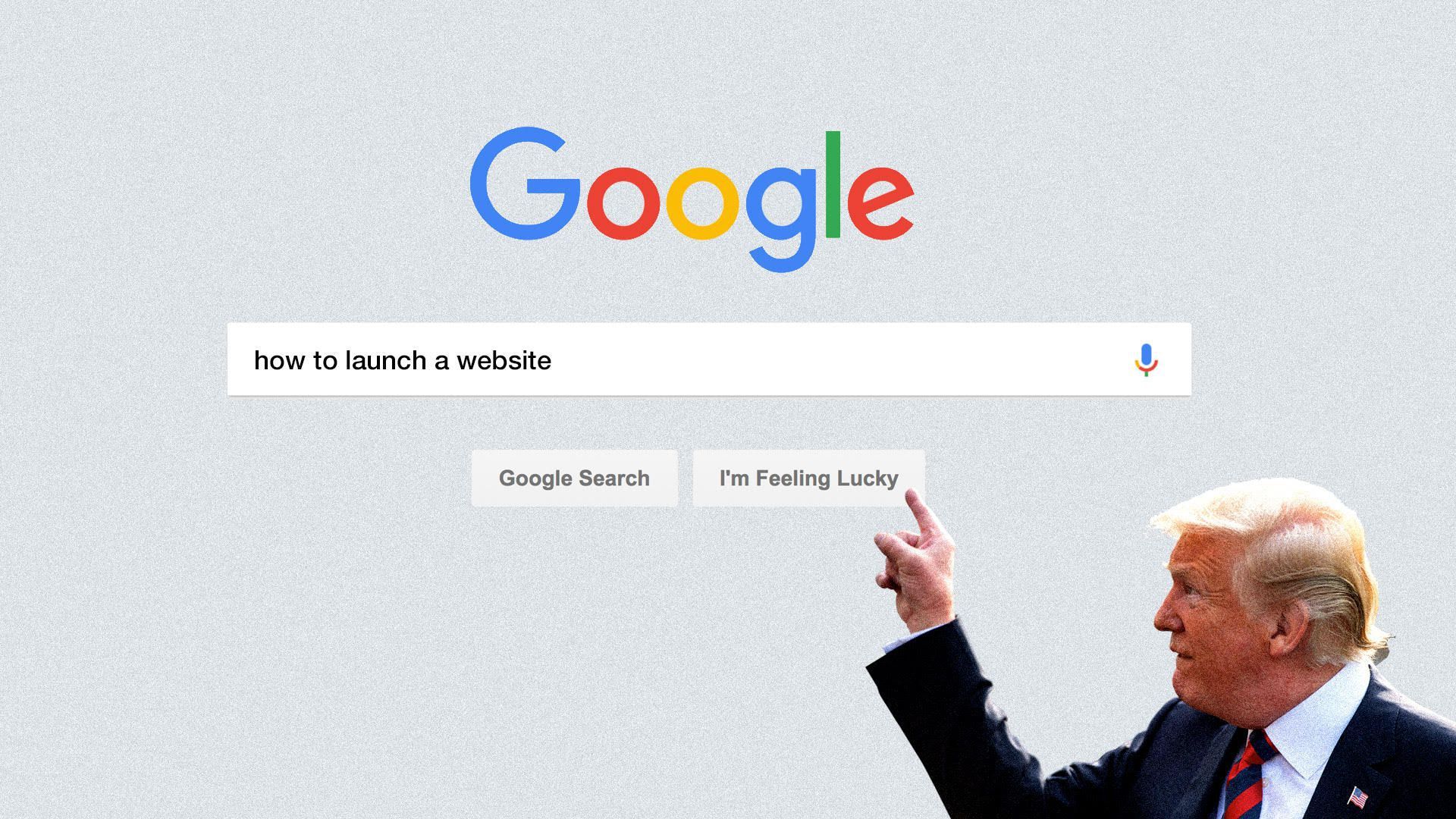
Google late Friday debuted a new website devoted to information about COVID-19 and the novel coronavirus, including local information, prevention tips, search trends and additional resources for individuals, educators and businesses.
Why it matters: Google's effort, designed to help get the most accurate information before the largest number of people, has been complicated as Google has had to scramble to catch up to President Trump's pronouncements.
Federal regulators are racing to try and tamp down on a glut of robocall scams taking advantage of coronavirus anxiety to push phony medical kits, duct cleaning and even free Netflix.
Why it matters: Critics already want the government to take firmer action to stem the tide of robocalls, which disproportionately victimize older Americans — who are also most at risk from the spreading pandemic.
Air CEO Shane Hegde received a frantic call last week from New York nonprofit Robin Hood (not to be confused with the brokerage app). The organization needed to immediately finish moving all its digital assets to the cloud as it was suddenly sending employees to work from home.
The only solution: He dispatched an employee to Robin Hood’s offices to pick up more than 20 hard drives and upload their contents as fast as possible.
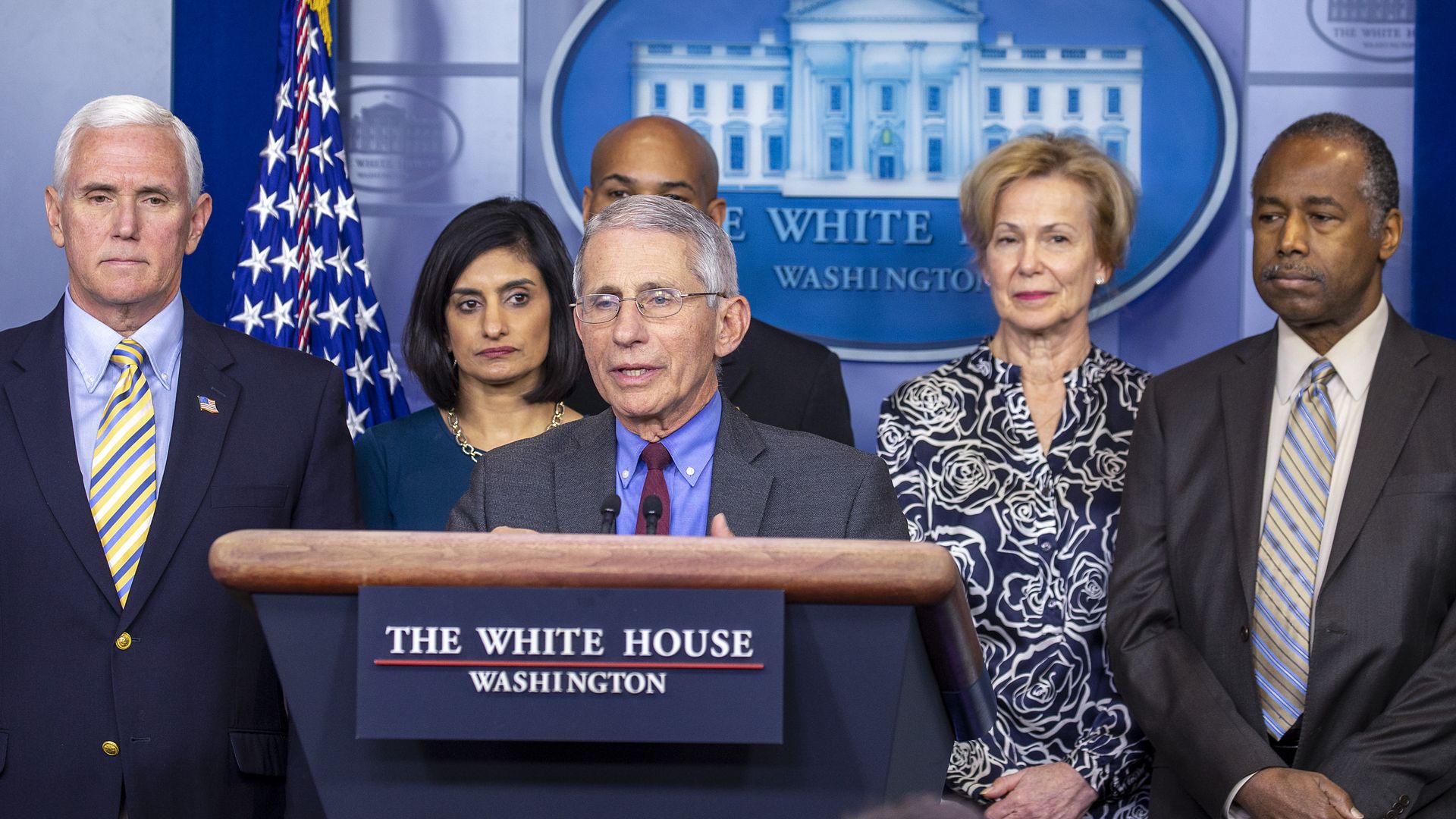
What he said: "Please understand that you will play a major role in ultimately containing this infection by not being careless and avoiding and not listening to the recommendations of physical separation."
Big Tech companies, like other U.S. institutions, have donned a mantle of public service by mobilizing to help combat the coronavirus epidemic — but they still have big antitrust targets on their back.
The big picture: Federal and state enforcers and Washington lawmakers are all investigating potential anticompetitive practices by tech giants like Google and Facebook. The pandemic has complicated the timelines of these probes, but hasn't knocked them off their tracks.
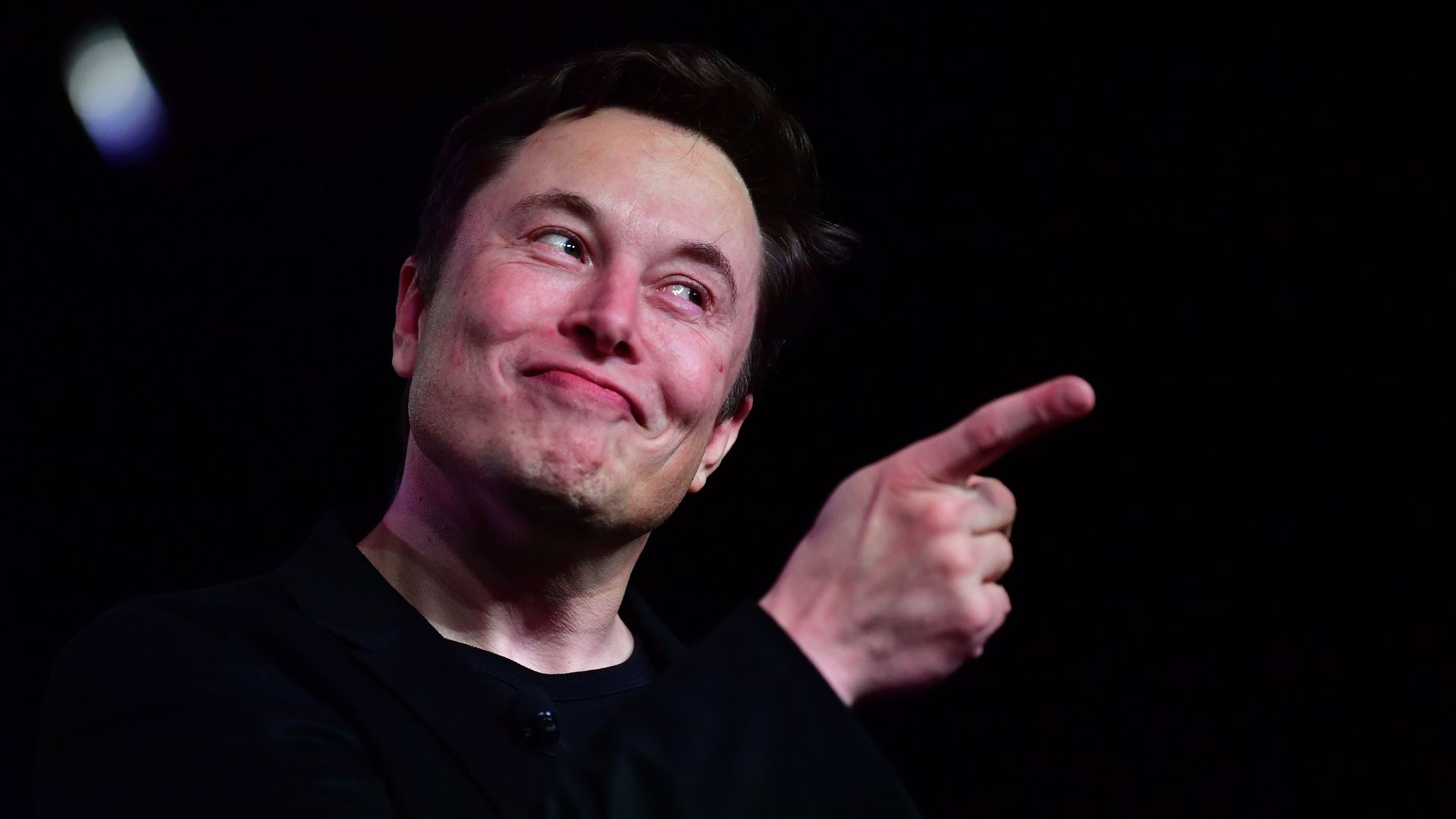
When Elon Musk tweeted Thursday that "kids are essentially immune" from COVID-19, it seemed a pretty clear cut violation of a new coronavirus misinformation policy Twitter had put in place the day before. That statement was literally the example the platform cited to describe what would not be allowed under the new rules, but the company nonetheless decided not to remove the tweet from the Tesla founder.
Why it matters: People have already heard mixed messages about the virus, including dismissive comments from Musk himself, and misinformation can only worsen the pandemic.
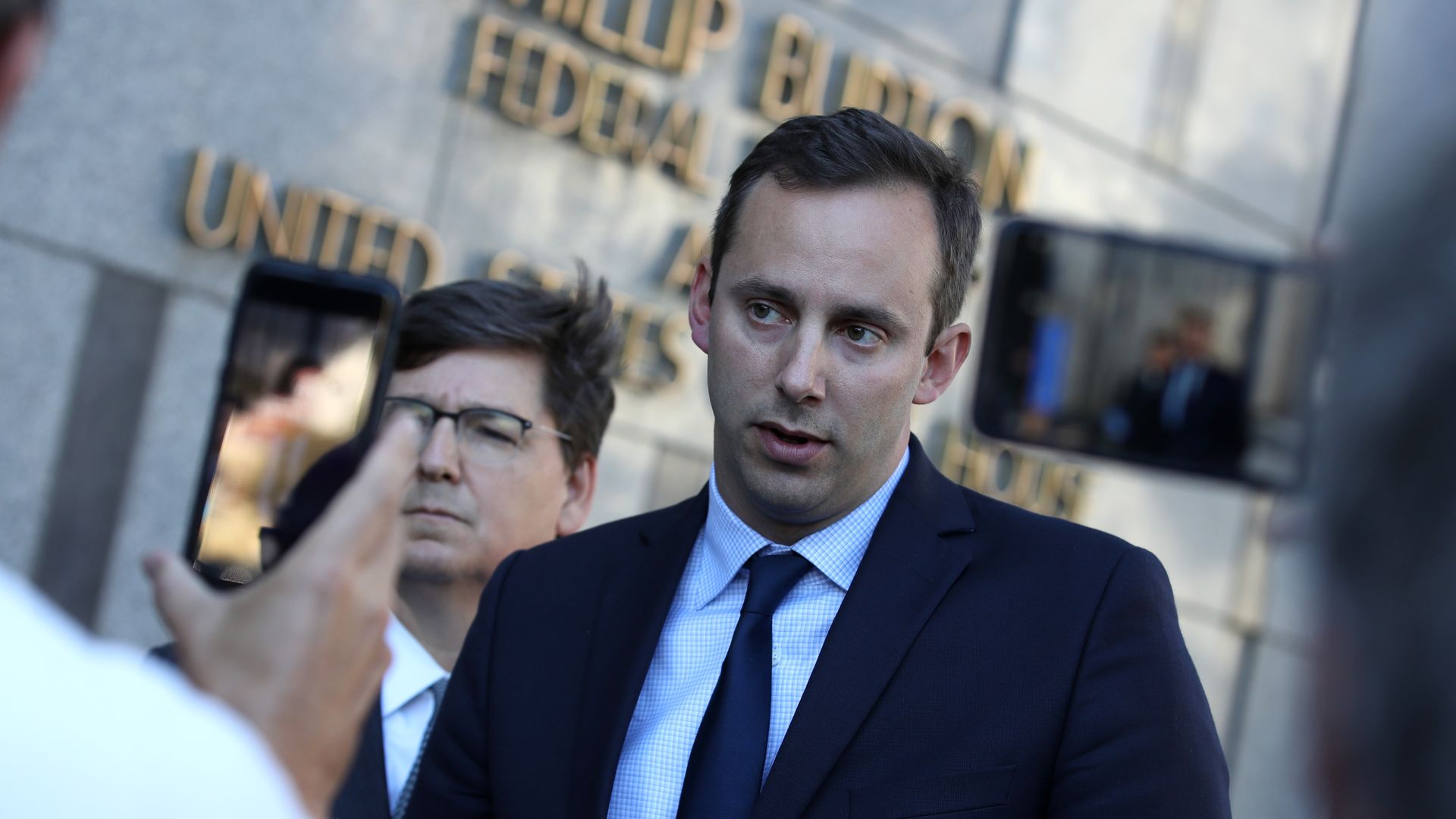
Anthony Levandowski, the engineer at the center of a 2017 lawsuit between Waymo and Uber, has pleaded guilty to one federal charge — of 33 — of stealing trade secrets from Waymo, which could lead to a prison sentence, according to a court document.
Why it matters: The year-long legal dispute, which ended with a settlement between the companies, exposed Silicon Valley's ruthless competition in the quest to build future technologies and reap their financial rewards.