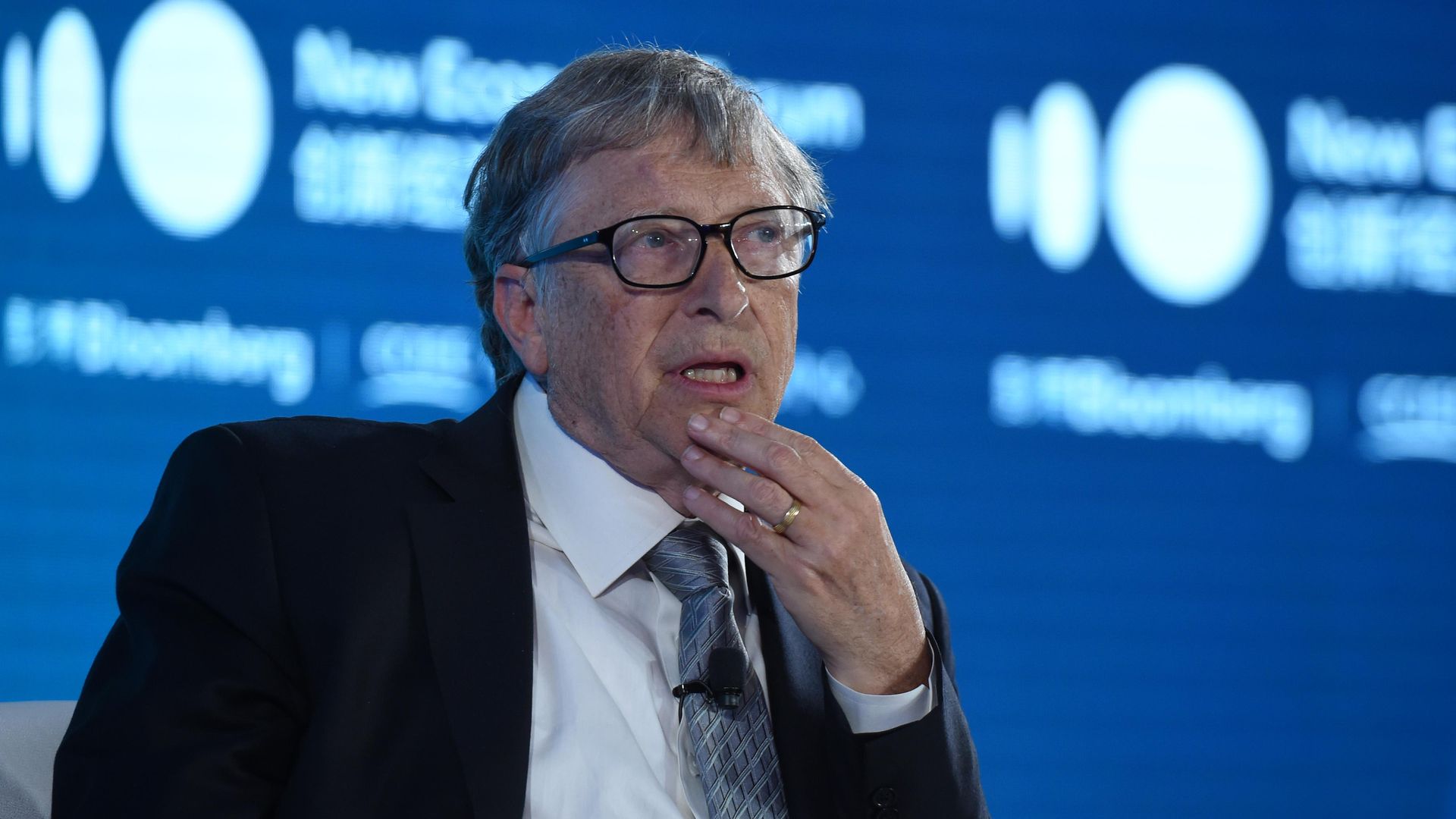
Microsoft's Bill Gates stepped down from the company's board of directors on Friday to focus on philanthropy in arenas like global health and education.
The big picture: It's been a slow, long exit for Gates who has devoted more of his time to humanitarian efforts for more than a decade. He handed over the CEO reins 20 years ago and left full-time employment with the company more than a decade ago.
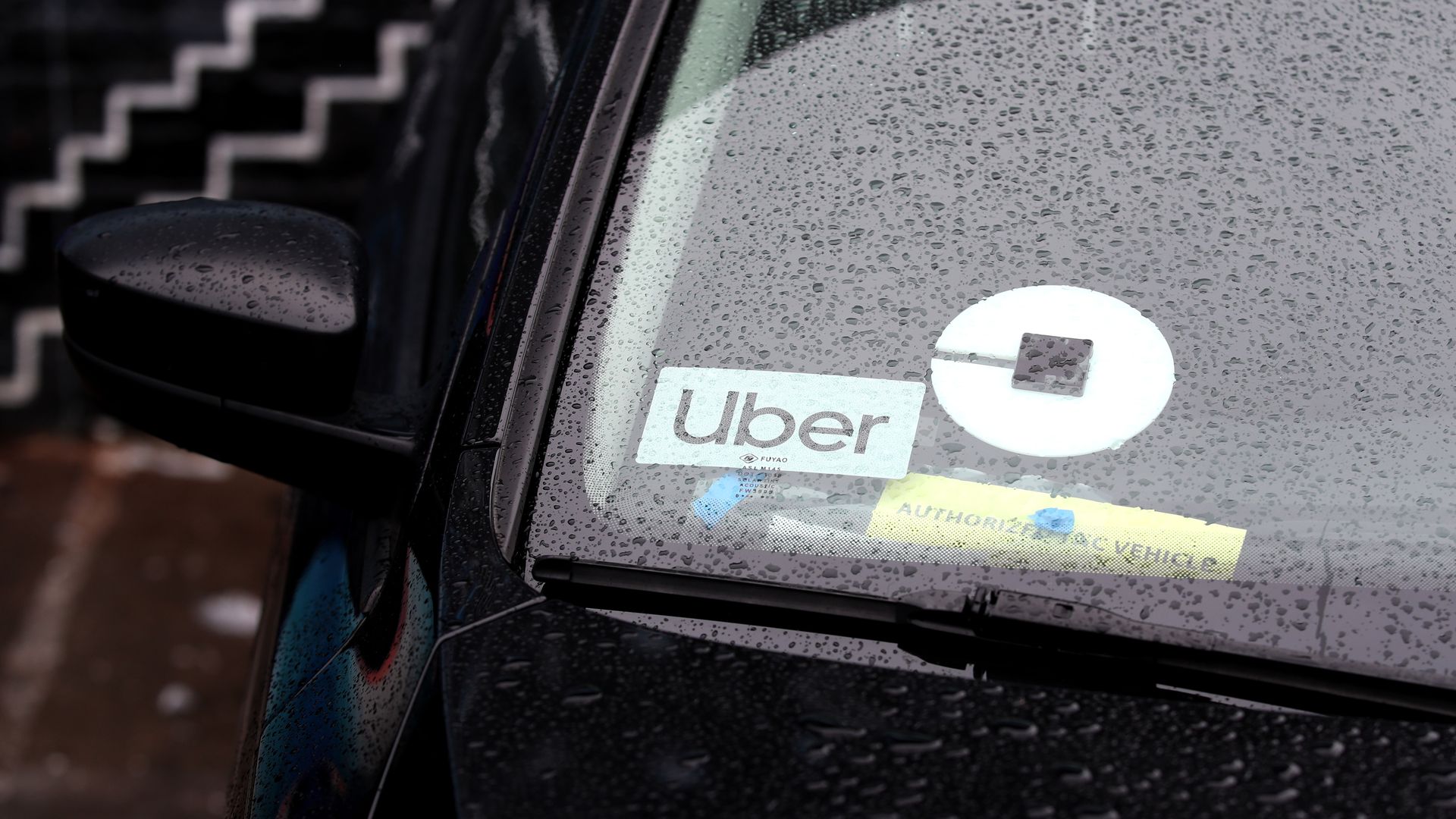
Uber has temporarily closed its U.S. and Canada Greenlight Hubs, where drivers can go to get in-person help with answering questions and completing forms, in an effort to help lessen the spread of the coronavirus.
Why it matters: Uber and other gig economy companies have faced mounting questions over how they'll help their thousands of drivers (who are not employees) given the very social nature of their work.
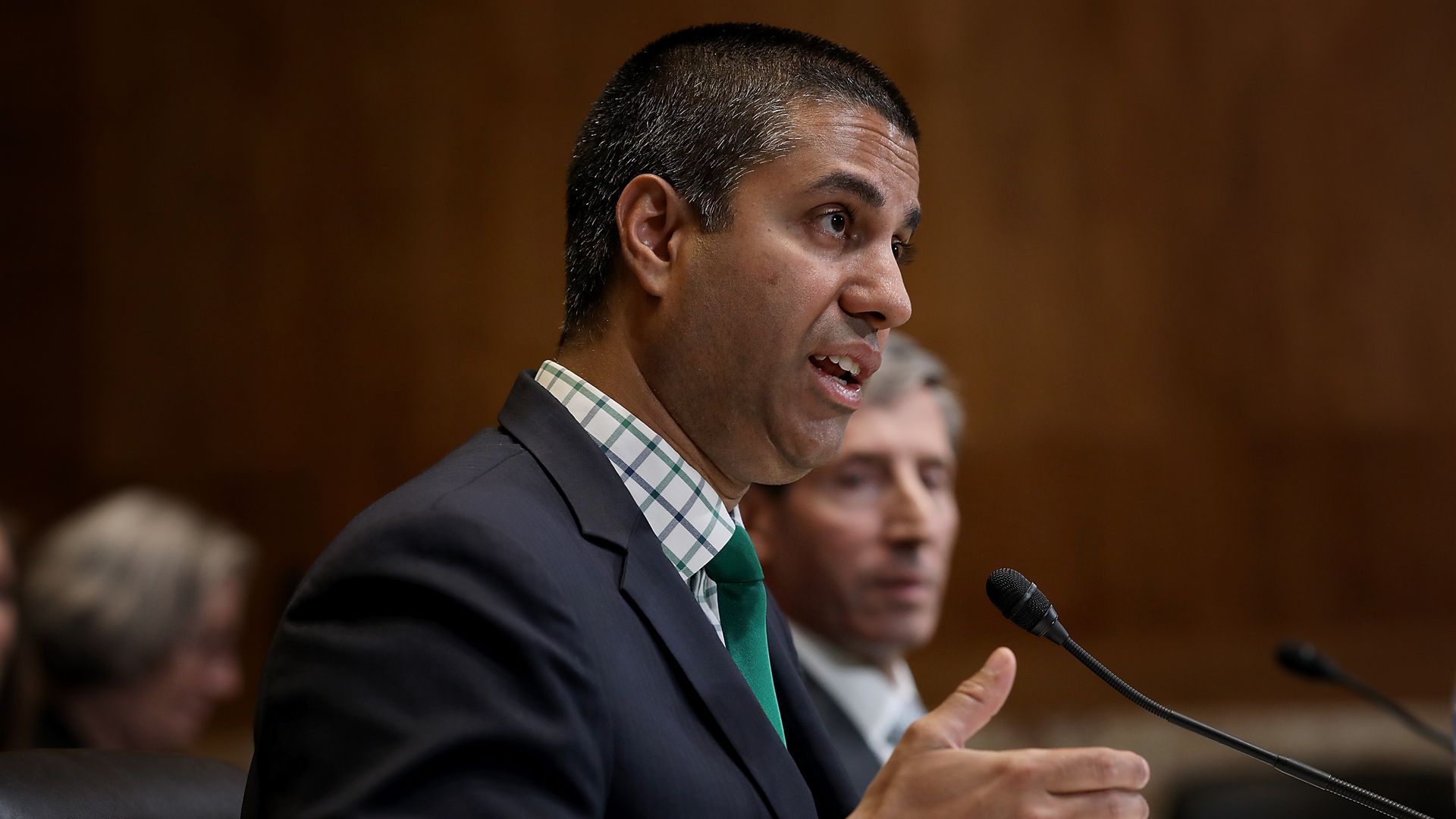
The Federal Communications Commission obtained promises from several of the nation's broadband providers that they will not cut off internet service to Americans who can't pay their bills during the coronavirus crisis, agency chairman Ajit Pai said Friday.
The big picture: Americans will rely on home internet access to continue to work, study and in some cases, obtain telehealth services as the coronavirus pushes more people to quarantine themselves.
Tech platforms have gotten smarter about handling deliberate disinformation from bad actors, but the coronavirus' spread presents a different kind of misinformation threat: False information spread by people who are well-intentioned, but fearful and naive.
Why it matters: Facebook, Twitter and other platforms have faced strong pressure to harden themselves against "coordinated inauthentic behavior," but the pandemic will present them with a different sort of challenge — uncoordinated, ignorant behavior at a moment when bad information could lose lives.
Why it matters: This can't be good news for Airbnb, which has been planning to go public in 2020, in part because some employee stock grants will expire by year's end.
Broadband providers are making service changes as policymakers pressure them to prepare for a glut of traffic from Americans working and studying from home in response to coronavirus.
The big picture: The nation's internet service providers say they haven't seen big usage spikes yet, but the coming weeks and months could pose an unprecedented test of their networks' ability to withstand a massive and sustained surge in bandwidth needs.
A new Russian disinformation campaign targeting Americans on social media operated through satellite outfits in Ghana and Nigeria, according to new reports from CNN and Graphika, in collaboration with Facebook and professors at Clemson University.
Why it matters: Russian efforts to meddle in this year's U.S. elections are evolving in an attempt to avoid detection. In 2016, most state-backed misinformation campaigns went through St. Petersburg. Now, the Kremlin is changing course.
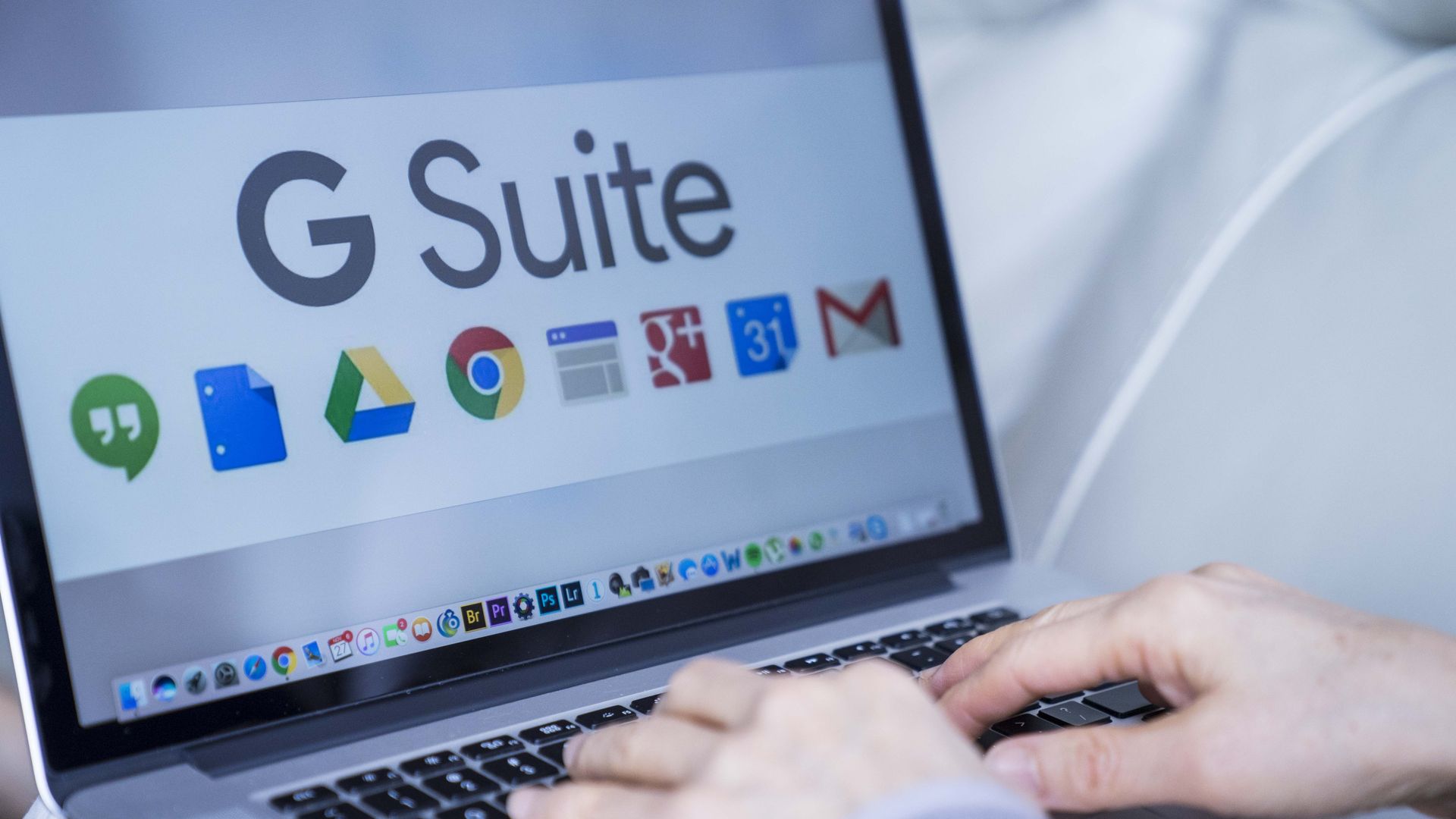
Google's G Suite, which includes Gmail, Google Docs, Hangouts, Meet and other apps, quietly passed a major milestone at the end of last year: It now has more than 2 billion monthly active users, G Suite boss Javier Soltero told Axios Wednesday.
Why it matters: Long seen as the upstart challenger to Microsoft Office, Google's productivity suite is now one of the two incumbents, facing fresh rivals of its own.
Republican Sens. Josh Hawley and Rick Scott are introducing legislation to bar federal employees from using TikTok on government devices, citing national security concerns.
The big picture: Chinese tech companies like TikTok parent ByteDance are drawing rising scrutiny from policymakers who argue that Beijing can tap them to harvest vast amounts of data from Americans.
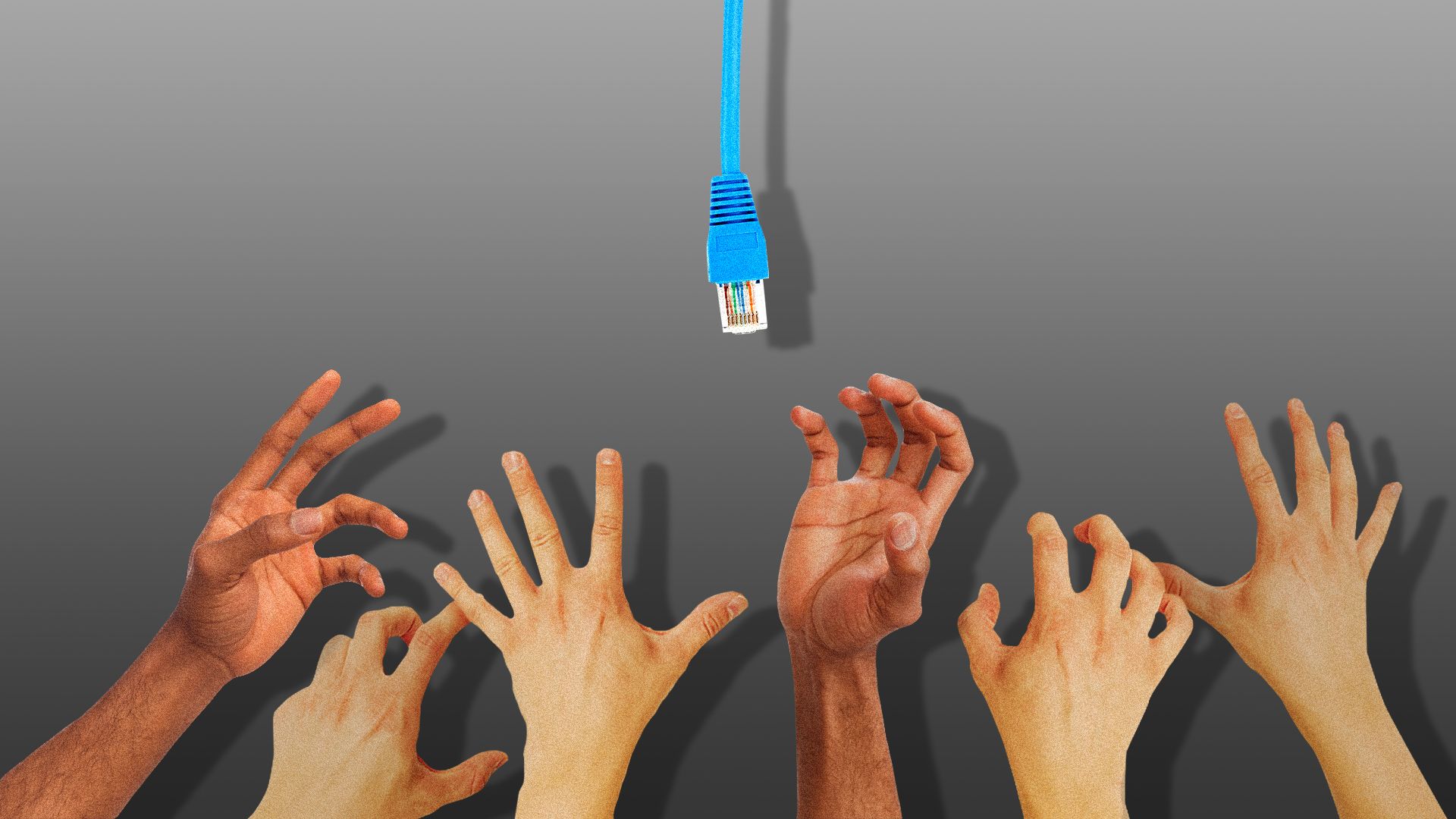
As the coronavirus pushes more human activities online, it's forcing a reckoning with the often-invisible digital divide.
Why it matters: The virus crisis is offering vivid case studies of real-world, everyday harms that result from inequality between those who have access to and can afford high-speed internet, and those who cannot.
After previously recommending all employees work from home, Twitter took things a step further on Wednesday, making telecommuting mandatory for nearly all employees.
Why it matters: It's another sign of just how seriously Big Tech companies are taking the coronavirus outbreak.