A new Russian disinformation campaign targeting Americans on social media operated through satellite outfits in Ghana and Nigeria, according to new reports from CNN and Graphika, in collaboration with Facebook and professors at Clemson University.
Why it matters: Russian efforts to meddle in this year's U.S. elections are evolving in an attempt to avoid detection. In 2016, most state-backed misinformation campaigns went through St. Petersburg. Now, the Kremlin is changing course.
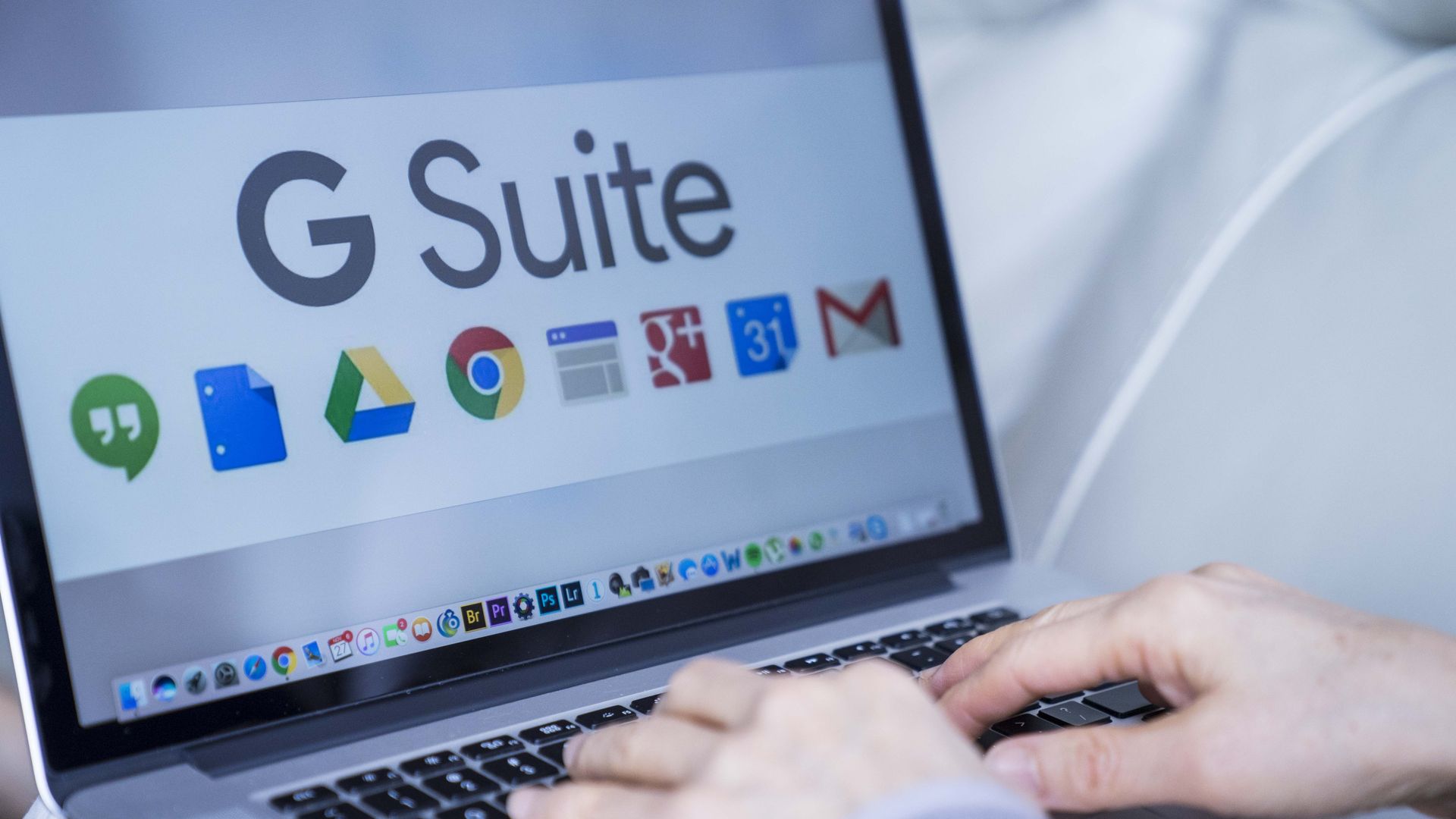
Google's G Suite, which includes Gmail, Google Docs, Hangouts, Meet and other apps, quietly passed a major milestone at the end of last year: It now has more than 2 billion monthly active users, G Suite boss Javier Soltero told Axios Wednesday.
Why it matters: Long seen as the upstart challenger to Microsoft Office, Google's productivity suite is now one of the two incumbents, facing fresh rivals of its own.
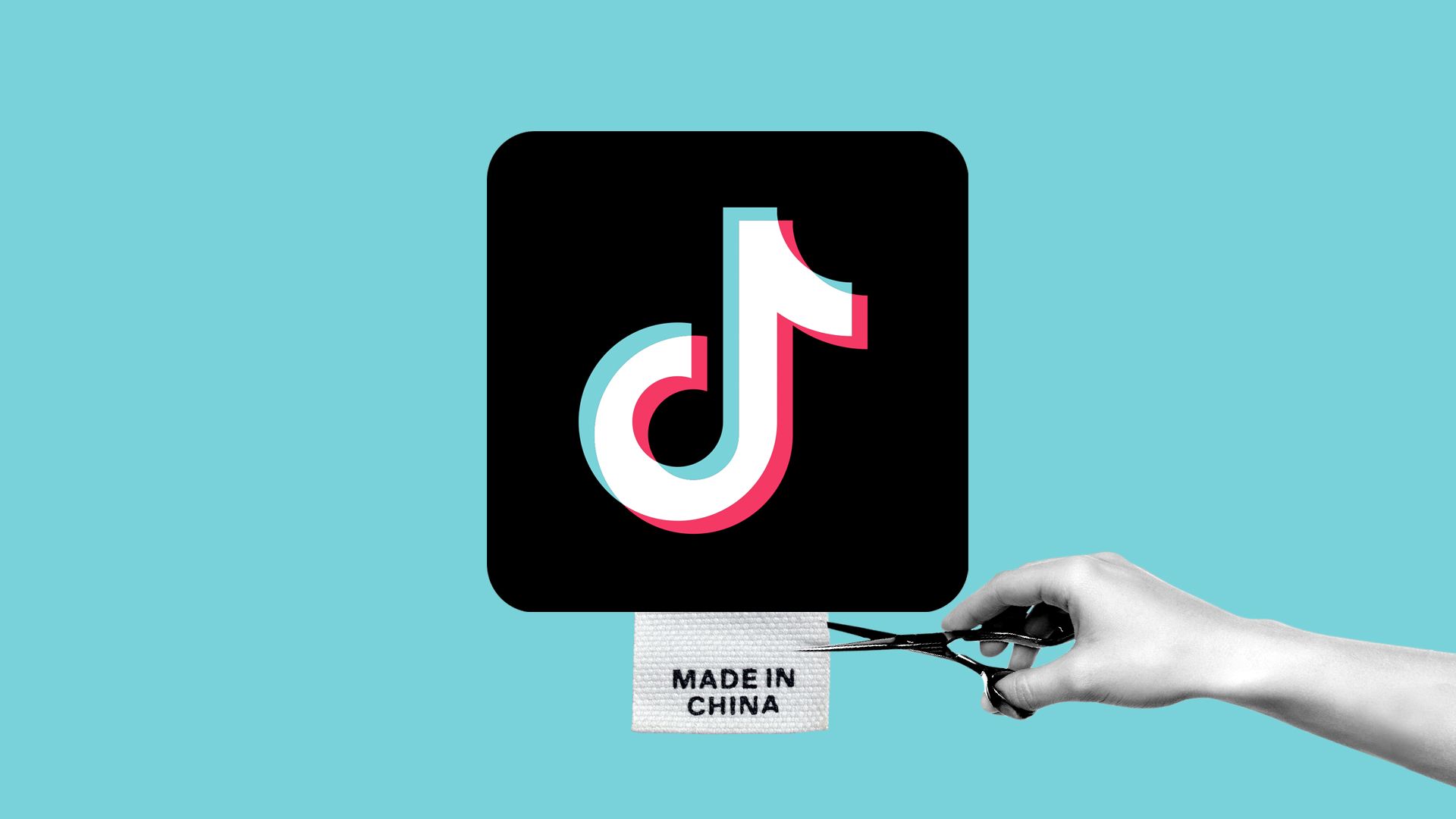
Republican Sens. Josh Hawley and Rick Scott are introducing legislation to bar federal employees from using TikTok on government devices, citing national security concerns.
The big picture: Chinese tech companies like TikTok parent ByteDance are drawing rising scrutiny from policymakers who argue that Beijing can tap them to harvest vast amounts of data from Americans.
As the coronavirus pushes more human activities online, it's forcing a reckoning with the often-invisible digital divide.
Why it matters: The virus crisis is offering vivid case studies of real-world, everyday harms that result from inequality between those who have access to and can afford high-speed internet, and those who cannot.
After previously recommending all employees work from home, Twitter took things a step further on Wednesday, making telecommuting mandatory for nearly all employees.
Why it matters: It's another sign of just how seriously Big Tech companies are taking the coronavirus outbreak.
Google issued one of the most sweeping cautionary edicts, recommending on Tuesday that all its employees in North America work from home until at least April 10 amid the novel coronavirus outbreak. (Update: Google on Wednesday extended the request to include employees in Europe, Middle East and Africa.)
Why it matters: The move comes as tech companies hope to limit the spread of the COVID-19 both among their employees and the community at large. Apple, Amazon, Cisco, Facebook, IBM, Microsoft, Twitter and others have also encouraged employees to work from home, albeit in most cases not as broadly as Google.
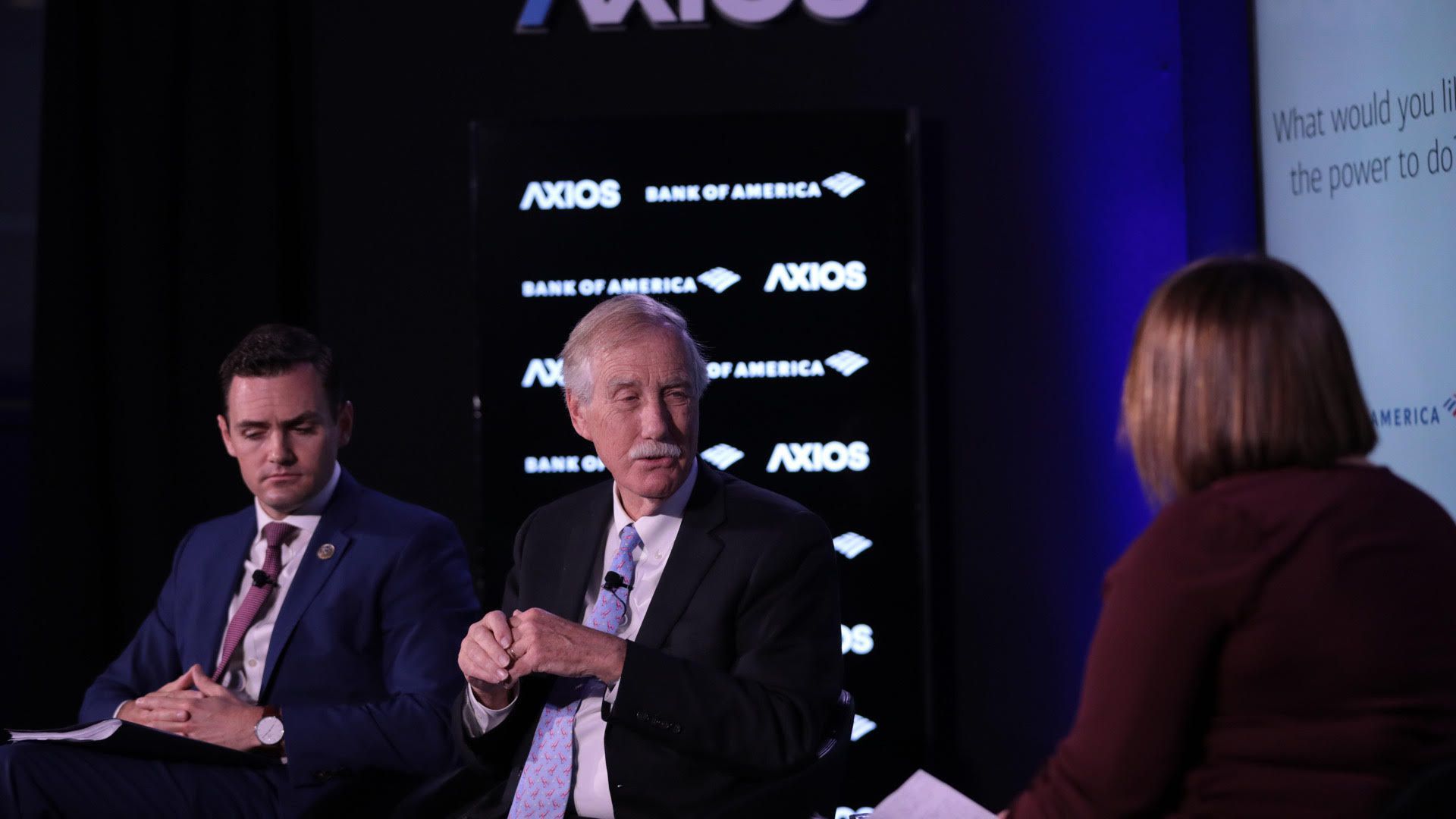
The U.S. should take a slew of steps today to prevent a major cyberattack that could wreak wide-scale devastation on the U.S., a year-long study mandated by Congress reported Wednesday.
Why it matters: "A major cyberattack on the nation's critical infrastructure and economic system would create chaos and lasting damage exceeding that wreaked by fires in California, floods in the Midwest, and hurricanes in the Southeast," the report predicts.
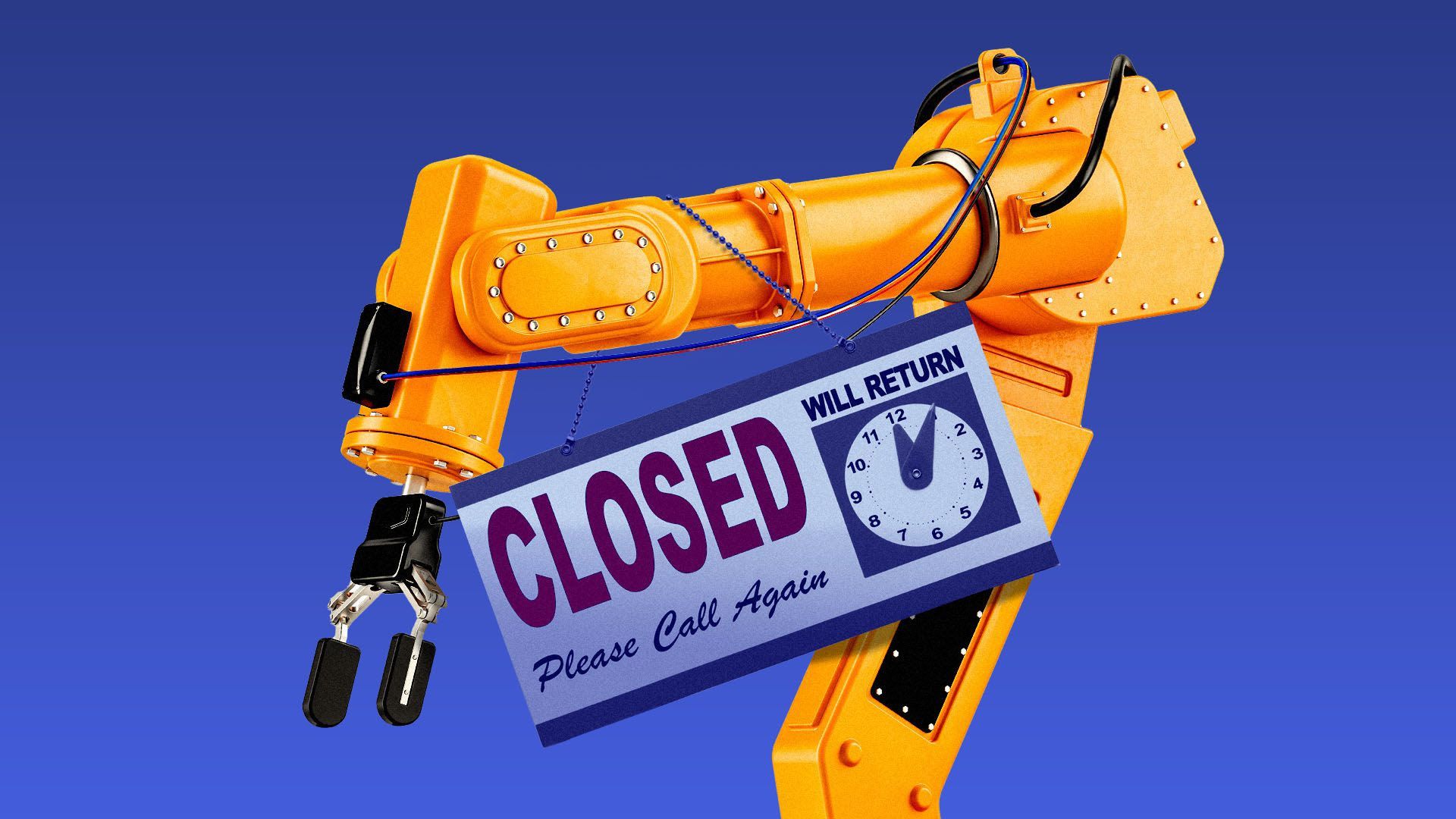
The novel coronavirus has just begun to shut down offices and public gatherings across the U.S., but its impact on hardware and components production in China started weeks ago, and the flow of goods out of China's factories has been slow to recover.
Why it matters: The global tech economy's just-in-time supply chain has never faced a disruption quite like this one. And while many observers are guardedly optimistic, no one knows for sure yet how this crisis will play out or what sorts of shortages the industry might still face.
TikTok said Tuesday that it plans to open a "transparency center" in Los Angeles where experts can observe the Chinese-owned platform's moderation processes.
Why it matters: Critics have worried over the degree to which China might influence TikTok's content policies and practices, now or in the future.