On March 11, the Atlantic Council launched the GeoTech Center, a new think tank that will focus on the social impact of emerging technologies like AI, synthetic biology, personalized medicine and more.
Why it matters: How these technologies develop in the years ahead will have enormous impacts on society. The experts behind the GeoTech Center believe the government, the private sector and the public need to take an active role in understanding and shaping the use of "technology for good."
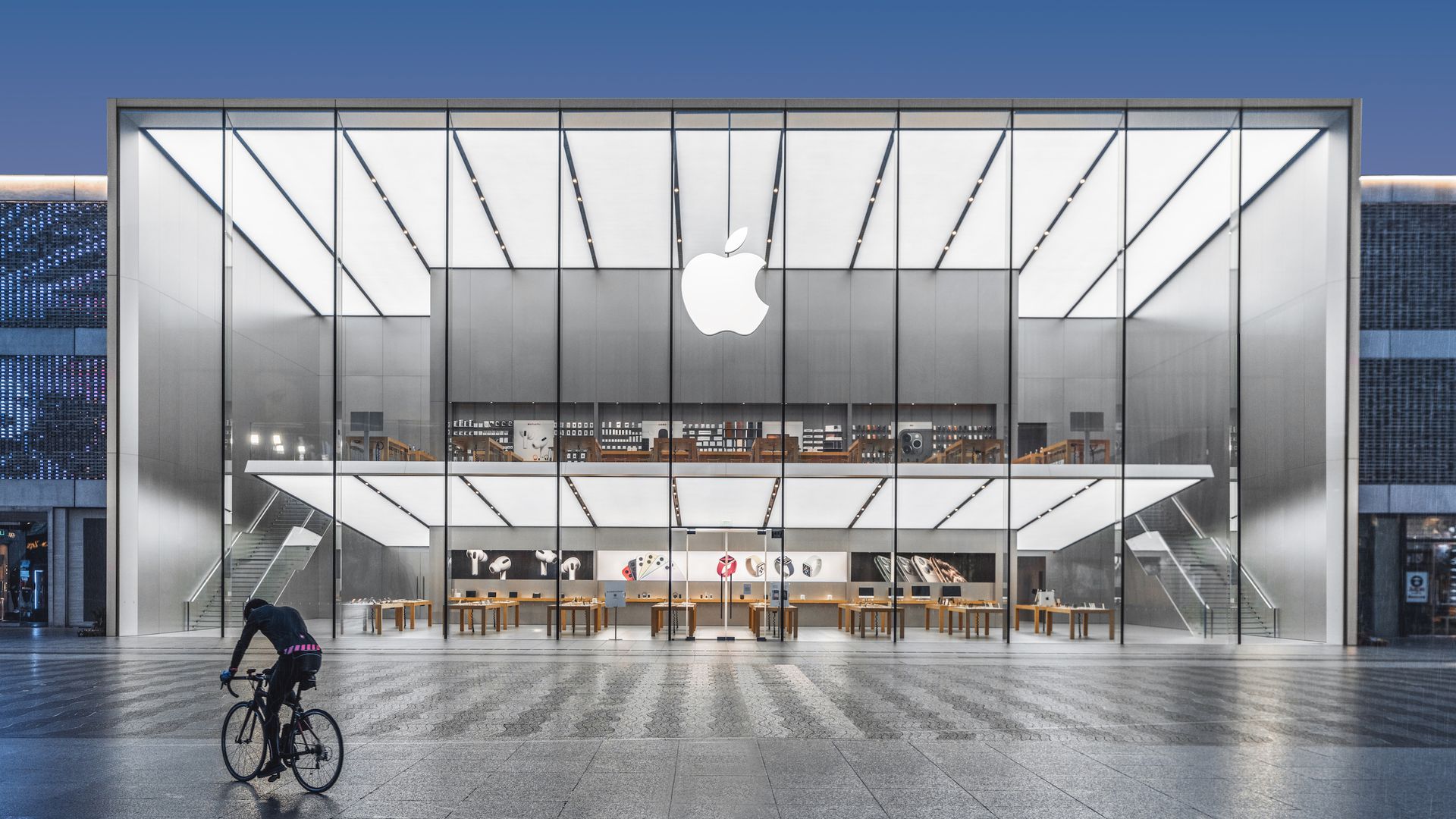
Apple announced it will close all its retail stores worldwide except for greater China until March 27 amid the rapid spread of the novel coronavirus, and will donate $15 million to help mitigate its impact.
Why it matters: Apple's stores are a significant revenue generator for the company, but the flip-side of the company's efforts to make them community gathering spots is that they're now posing a risk as authorities warn against crowd gatherings.
Former American Express CEO Ken Chenault will not run for re-election on Facebook's board of directors following disagreements with CEO Mark Zuckerberg over governance and political policies, according to the Wall Street Journal.
Microsoft's Bill Gates stepped down from the company's board of directors on Friday to focus on philanthropy in arenas like global health and education.
The big picture: It's been a slow, long exit for Gates who has devoted more of his time to humanitarian efforts for more than a decade. He handed over the CEO reins 20 years ago and left full-time employment with the company more than a decade ago.
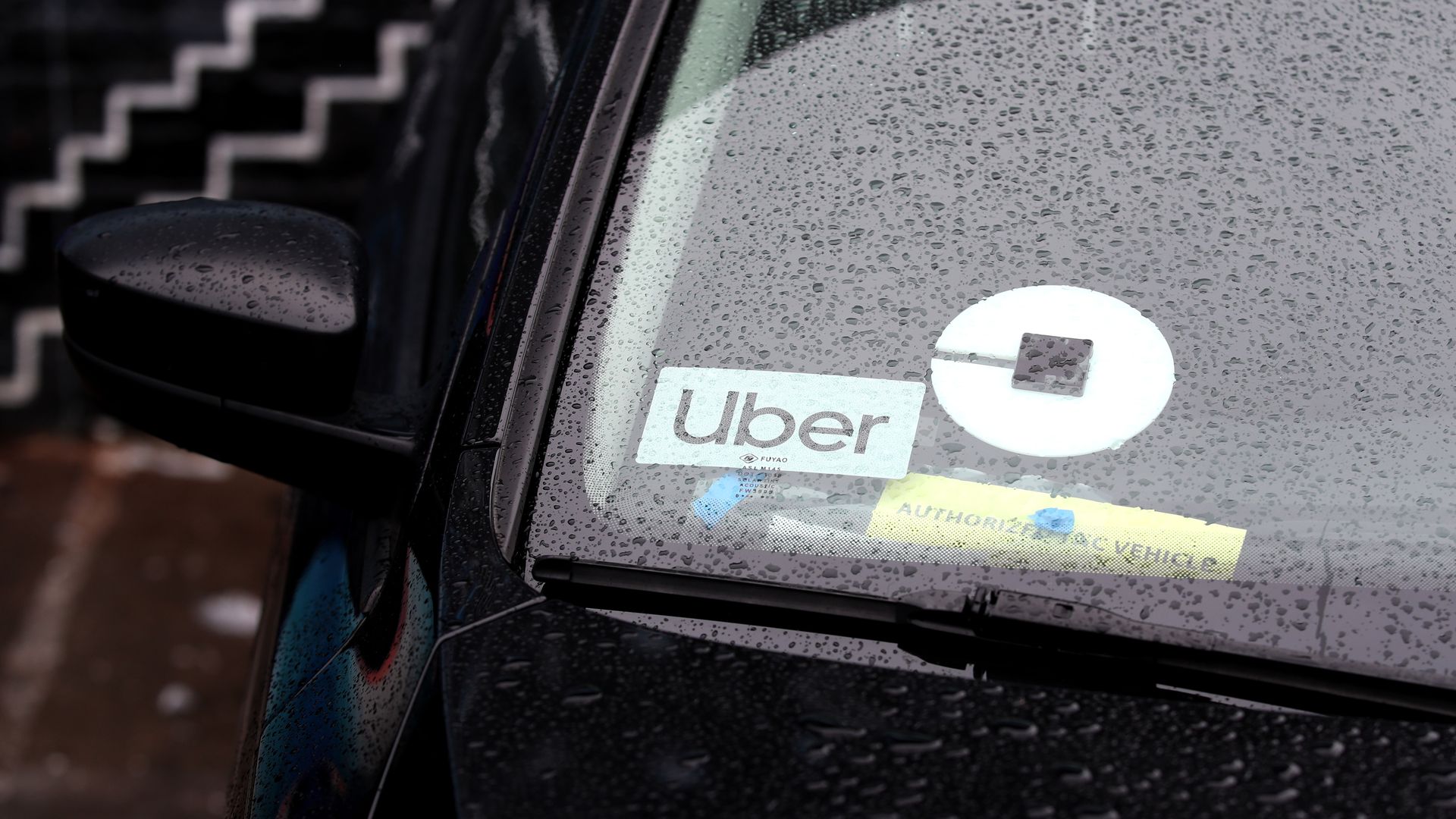
Uber has temporarily closed its U.S. and Canada Greenlight Hubs, where drivers can go to get in-person help with answering questions and completing forms, in an effort to help lessen the spread of the coronavirus.
Why it matters: Uber and other gig economy companies have faced mounting questions over how they'll help their thousands of drivers (who are not employees) given the very social nature of their work.
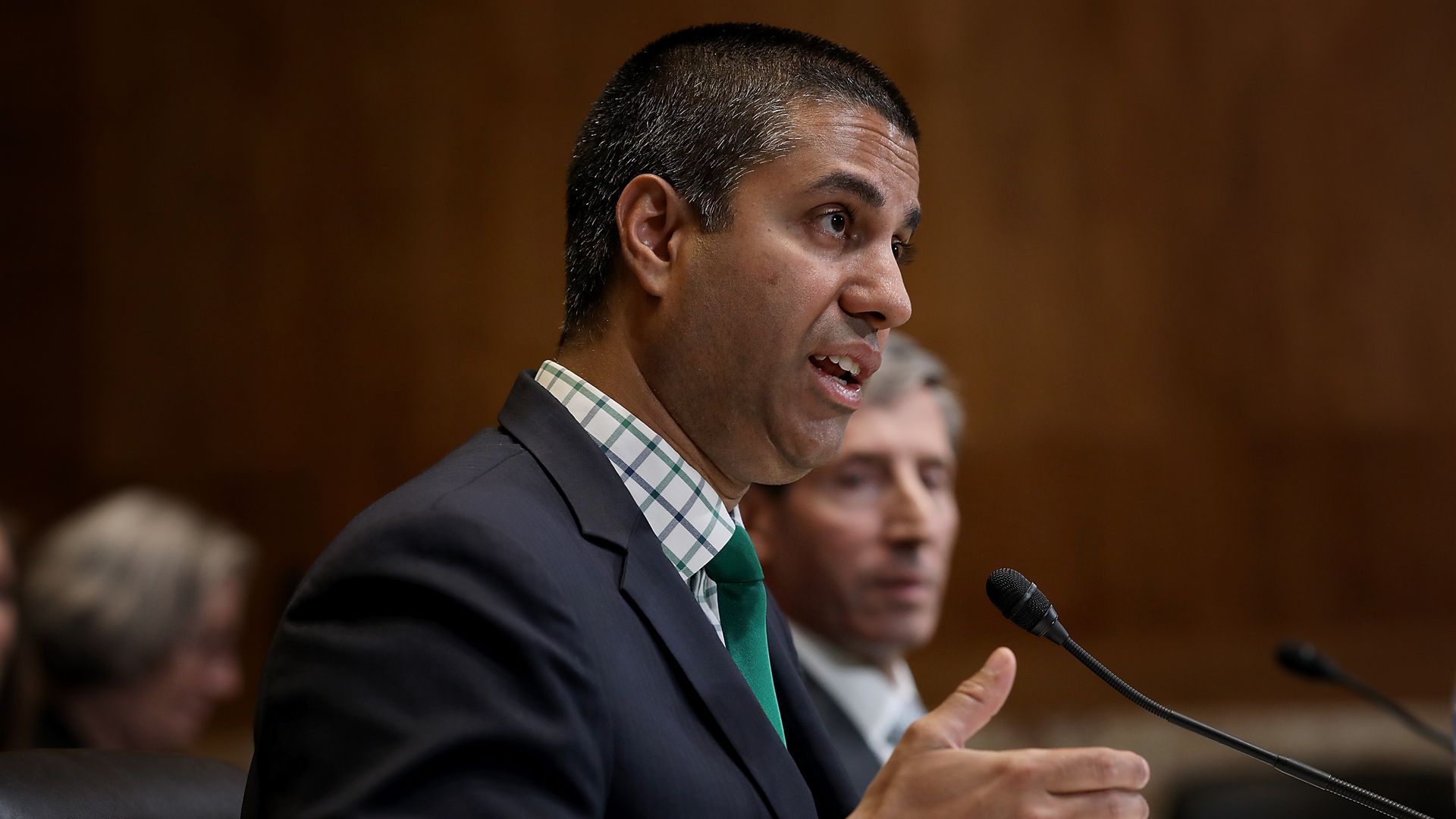
The Federal Communications Commission obtained promises from several of the nation's broadband providers that they will not cut off internet service to Americans who can't pay their bills during the coronavirus crisis, agency chairman Ajit Pai said Friday.
The big picture: Americans will rely on home internet access to continue to work, study and in some cases, obtain telehealth services as the coronavirus pushes more people to quarantine themselves.
Tech platforms have gotten smarter about handling deliberate disinformation from bad actors, but the coronavirus' spread presents a different kind of misinformation threat: False information spread by people who are well-intentioned, but fearful and naive.
Why it matters: Facebook, Twitter and other platforms have faced strong pressure to harden themselves against "coordinated inauthentic behavior," but the pandemic will present them with a different sort of challenge — uncoordinated, ignorant behavior at a moment when bad information could lose lives.
Why it matters: This can't be good news for Airbnb, which has been planning to go public in 2020, in part because some employee stock grants will expire by year's end.
Broadband providers are making service changes as policymakers pressure them to prepare for a glut of traffic from Americans working and studying from home in response to coronavirus.
The big picture: The nation's internet service providers say they haven't seen big usage spikes yet, but the coming weeks and months could pose an unprecedented test of their networks' ability to withstand a massive and sustained surge in bandwidth needs.