Amazon made a series of moves at CES in Las Vegas, most notably announcing deals to get its Fire TV software built into more televisions, soundbars and even the back seats of cars.
Why it matters: In tech, it pays to control the operating system. Amazon found itself on the outside looking in when it came to smartphones, and wants to maintain a strong position in smart TVs, speakers and other emerging consumer devices.
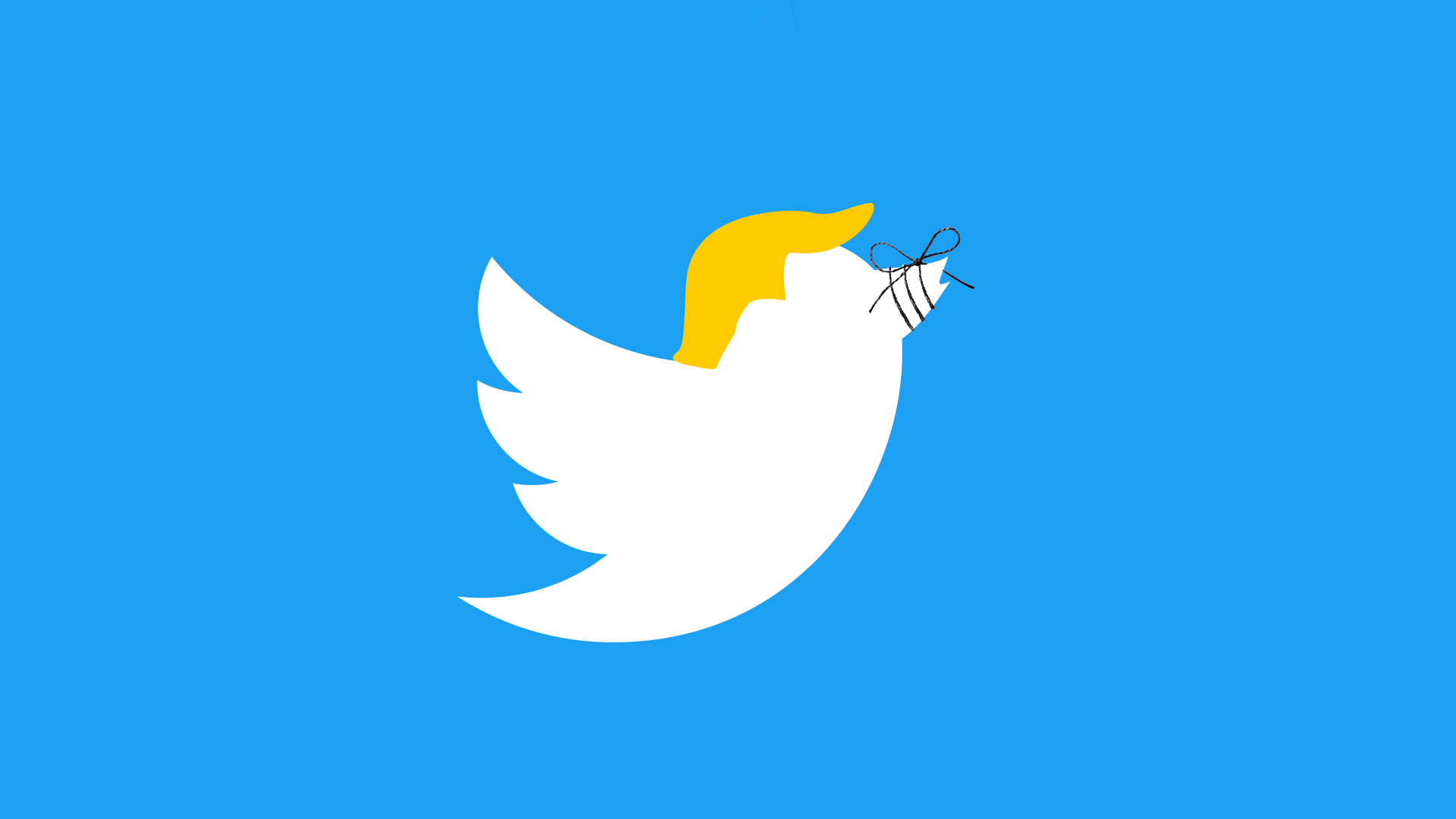
President Trump's use of Twitter to threaten Iran brought renewed calls for CEO Jack Dorsey to take action to limit the president's use of the platform. However, Twitter maintains none of the president's messages violate the company's policies.
The bigger picture: Twitter has said that, in general, it will leave political leaders' tweets up even if they violate the terms of service that apply to other users. Last year it announced a policy that would see the company append a warning to tweets deemed to violate its rules. But, it has yet to apply that policy to Trump or anyone else.
The most consequential stories for tech in 2020 pit the industry's corporate colossi against the U.S. government, foreign nations, and the human needs of their own customers.
Why it matters: Today's tech giants own and operate the informational hubs that increasingly shape our public and private lives. That's putting their products and policies under greater scrutiny than ever before.
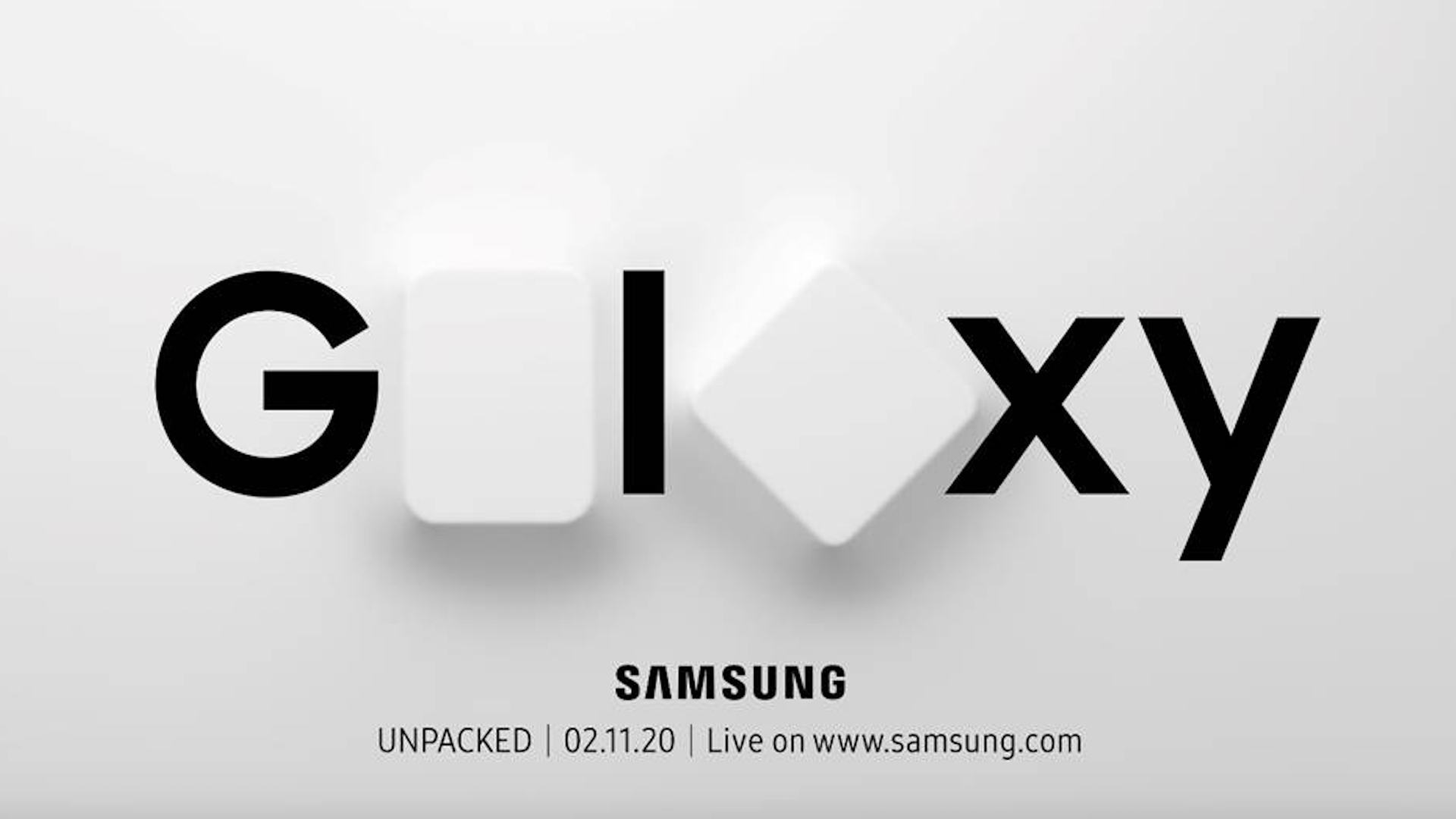
Samsung has set Feb. 11 in San Francisco as the date and place for its next Unpacked event, where it is expected to launch the next high-end Galaxy smartphone as well as a new foldable device.
Why it matters: The event is being held earlier than past Galaxy launches, and its announcement comes after the date was revealed in a leaked video. It comes in between next week's CES in Las Vegas and February's Mobile World Congress, a traditional launching point for smartphones.
The image in the teaser that accompanied Samsung's invitation squares with the rumors of a more square-shaped foldable phone than the current Galaxy Fold.
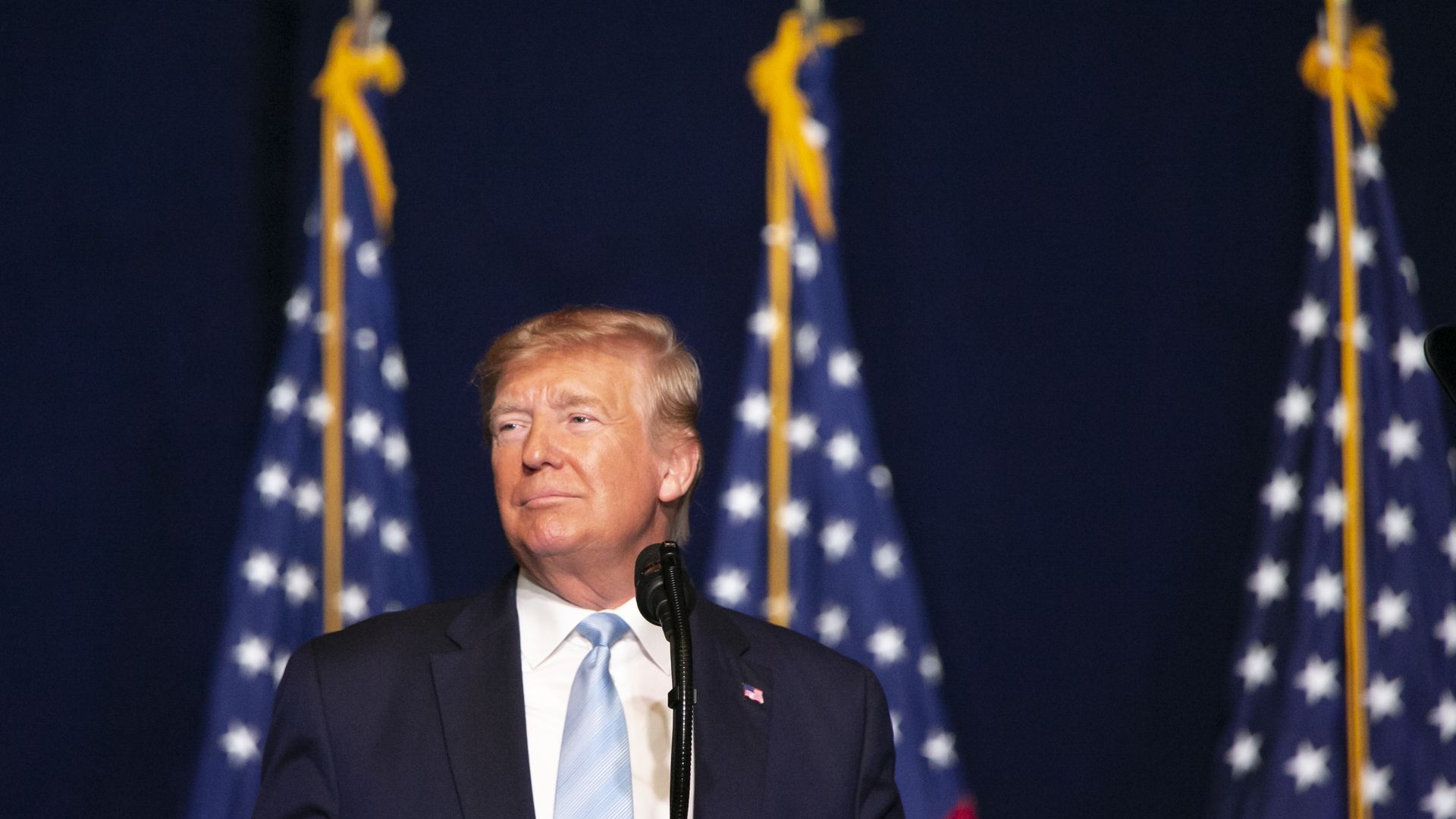
The White House has notified Congress of the drone strike that killed top Iranian commander Qasem Soleimani, fulfilling its duties under the War Powers Act.
Why it matters: House Speaker Nancy Pelosi (D-Calif.) said the notification "raises more questions than it answers." Both Democrats and Republicans — including Sens. Rand Paul (R-Ky.) and Chris Murphy (D-Conn.) — have criticized President Trump for not obtaining congressional approval for this week's strike.