The website for the Selective Service crashed Friday amid a spike in concerns over military conscription following the U.S. killing Iranian general Qasem Soleimani.
Where it stands: The draft was abolished in 1973, and would require congressional and presidential authorization of official legislation, per the Selective Service. Hashtags like #WorldWarThree, #WWIII and #WorldWarThreeDraft were trending on Twitter after Soleimani was killed, per Bloomberg.
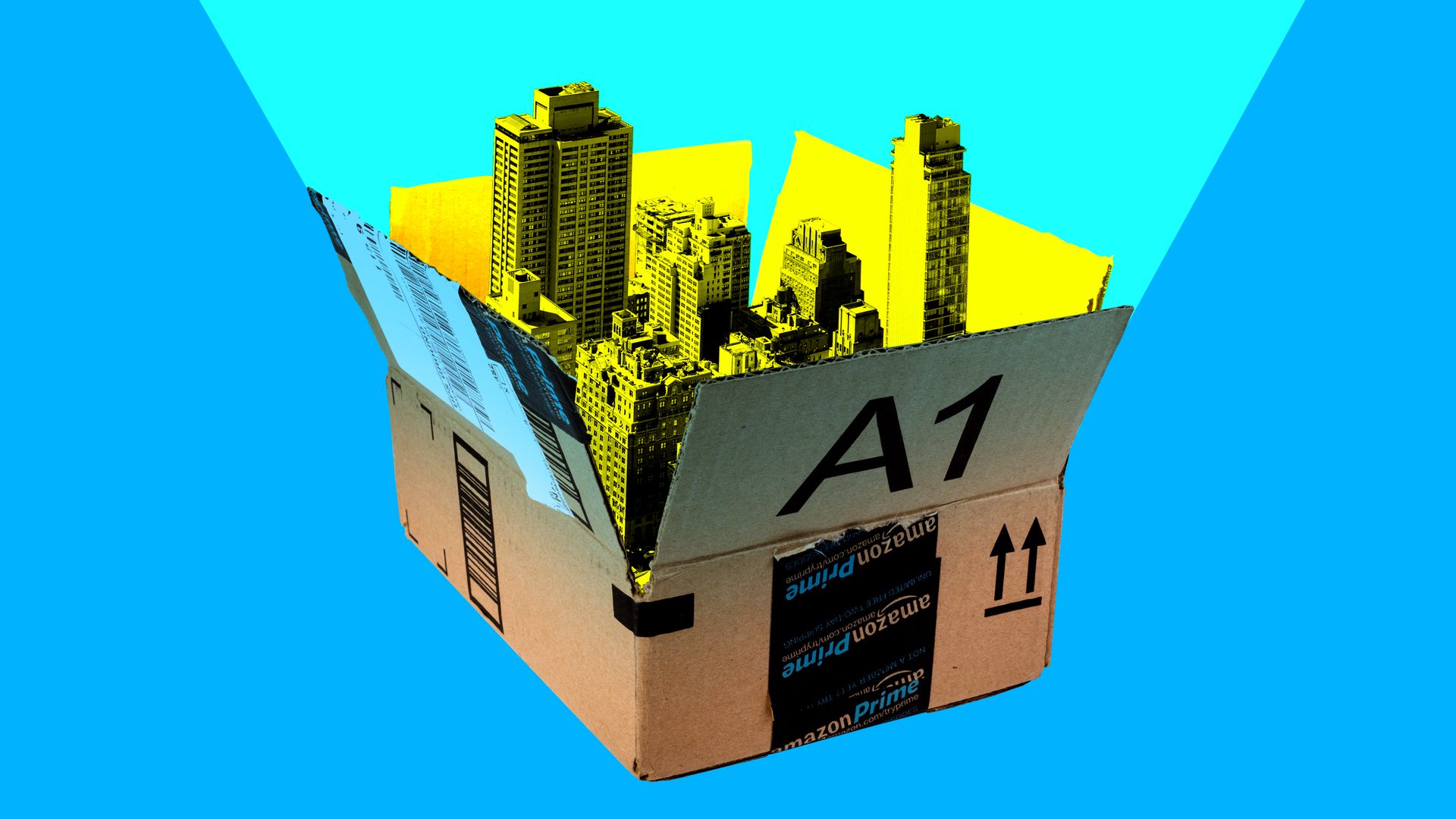
The big picture: Amazon is moving to New York City without the much-publicized HQ2 package. The company said in December it signed a new lease for 335,000 square feet in the city's Hudson Yards neighborhood.
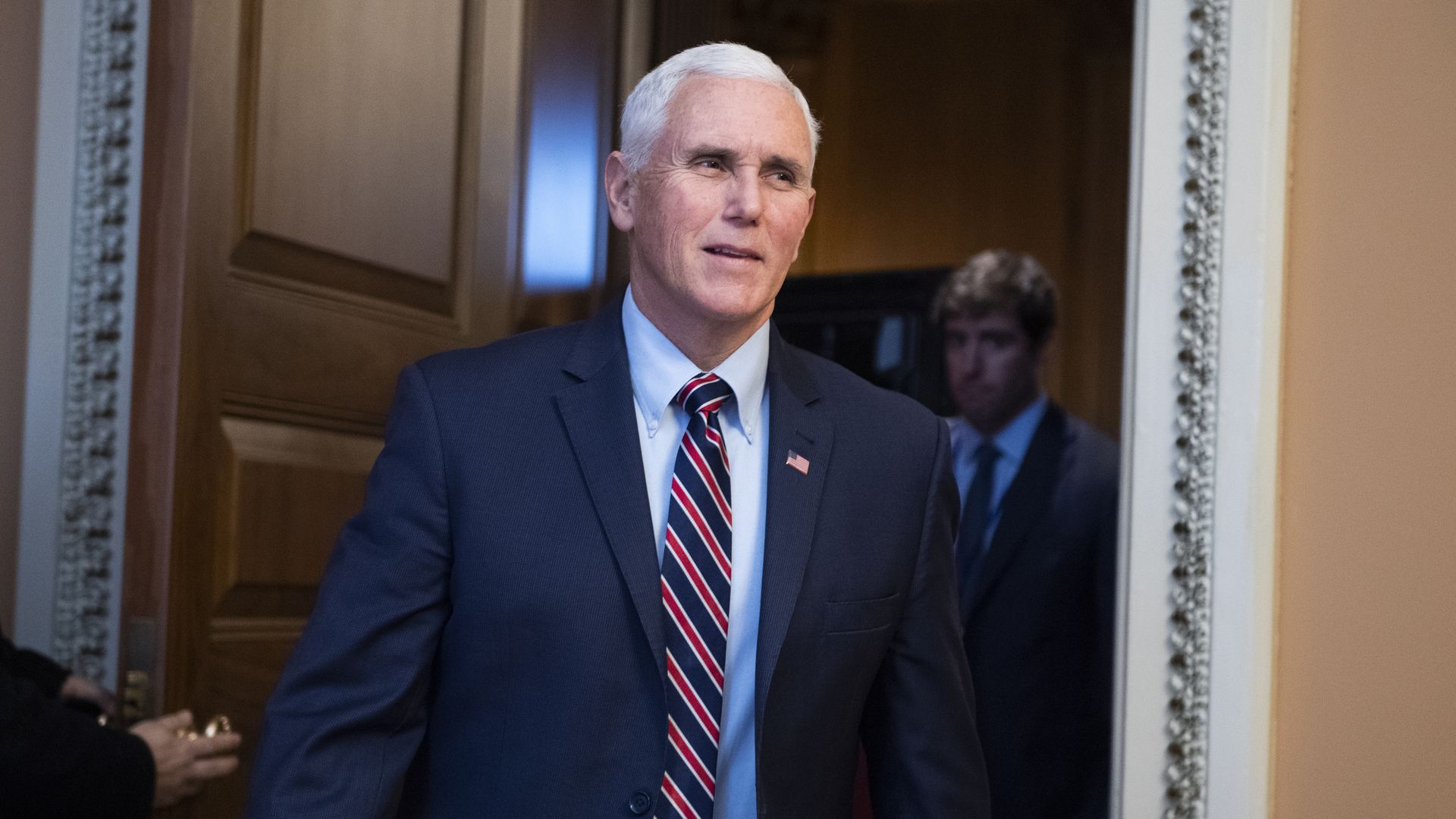
While defending President Trump's decision to authorize the drone strike that killed top Iranian commander Qasem Soleimani, Vice President Pence claimed on Twitter that Soleimani helped "10 of the 12" Sept. 11 attackers travel to Afghanistan.
A video selectively edited to frame one of Joe Biden's stump speeches as racist was shared by GOP strategists and a former speaker of the Missouri House, the New York Times reports, citing data from misinformation tracker VineSight.
Why it matters: Sharing misleading information via social media to incite anger toward presidential candidates is easy — and it works.
Snapchat's parent company confirmed to Axios that it has acquired AI Factory, the Ukrainian startup it worked with to develop its new "Cameos" feature that maps selfies onto videos, deepfake-style, a deal first reported by Ukraine tech publication AIN.UA.
Why it matters: Snap has a long history of smartly acquiring small, innovative startups to feed its product development. In 2015, Snap acquired AI Factory founder Victor Shaburov's previous company, Looksery, to use its facial feature detection and manipulation tech as the basis for one of Snapchat's most successful features, "Lenses."
New incidents are highlighting deepening tensions between tech giants and worker activists as employees and former workers at Amazon, Google and other companies publicly decry corporate moves.
Why it matters: These companies are struggling to reconcile idealistic images and rosy reputations with the more hard-nosed tactics big companies frequently adopt to discourage protests and labor organizing.
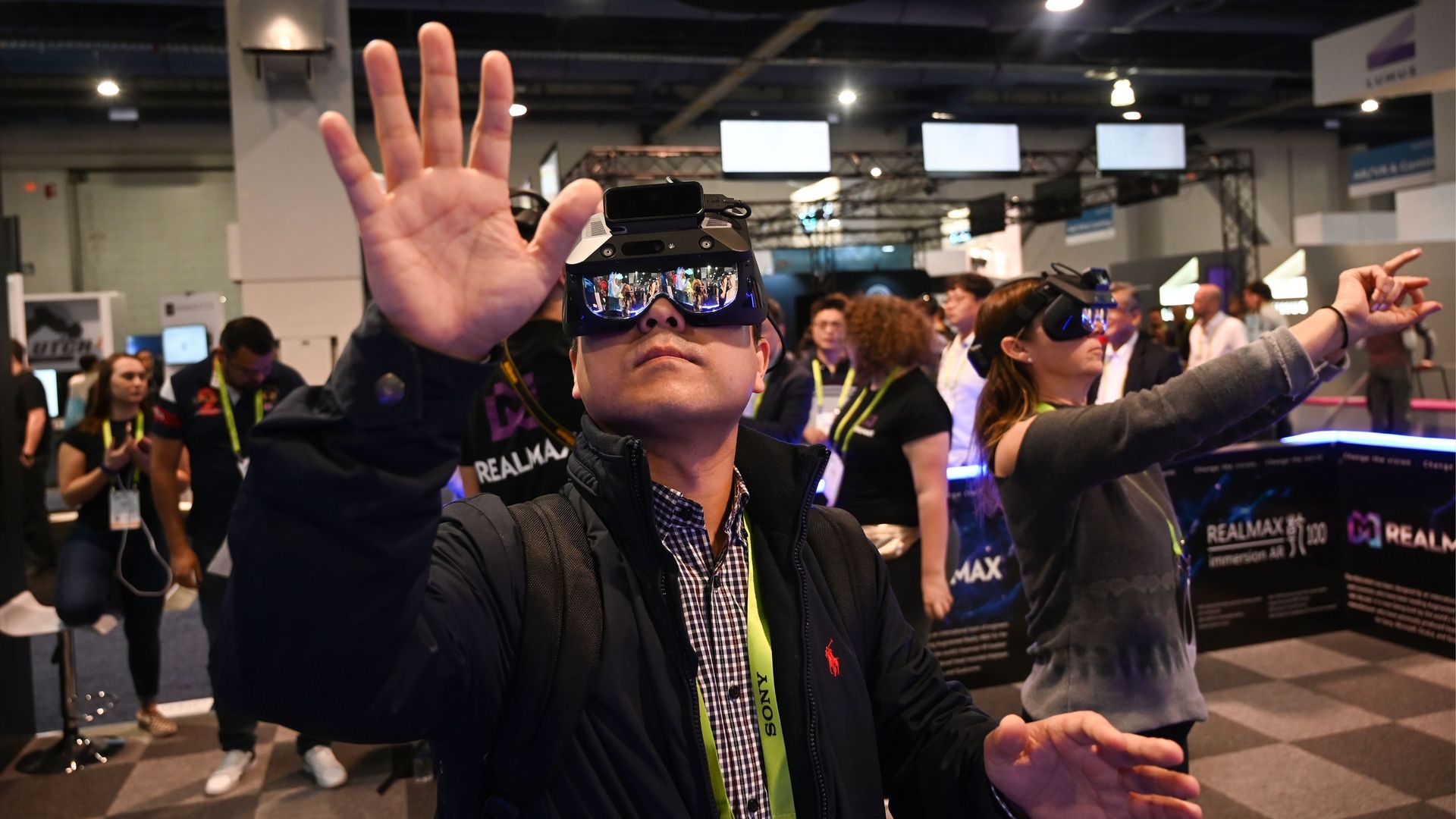
While we don't yet know the full details of everything that will be unveiled at CES this year, we have a pretty good idea of who will be making the announcements and the types of products to expect.
Why it matters: Vegas during CES is a noisy place. It pays to know which direction to point your ears.
2020's first battle between Big Tech and climate activists is already here, and it won't be the last.
Driving the news: Amazon Employees for Climate Justice (AECJ) yesterday alleged management is trying to prevent employees from continuing to publicly criticize corporate policies.
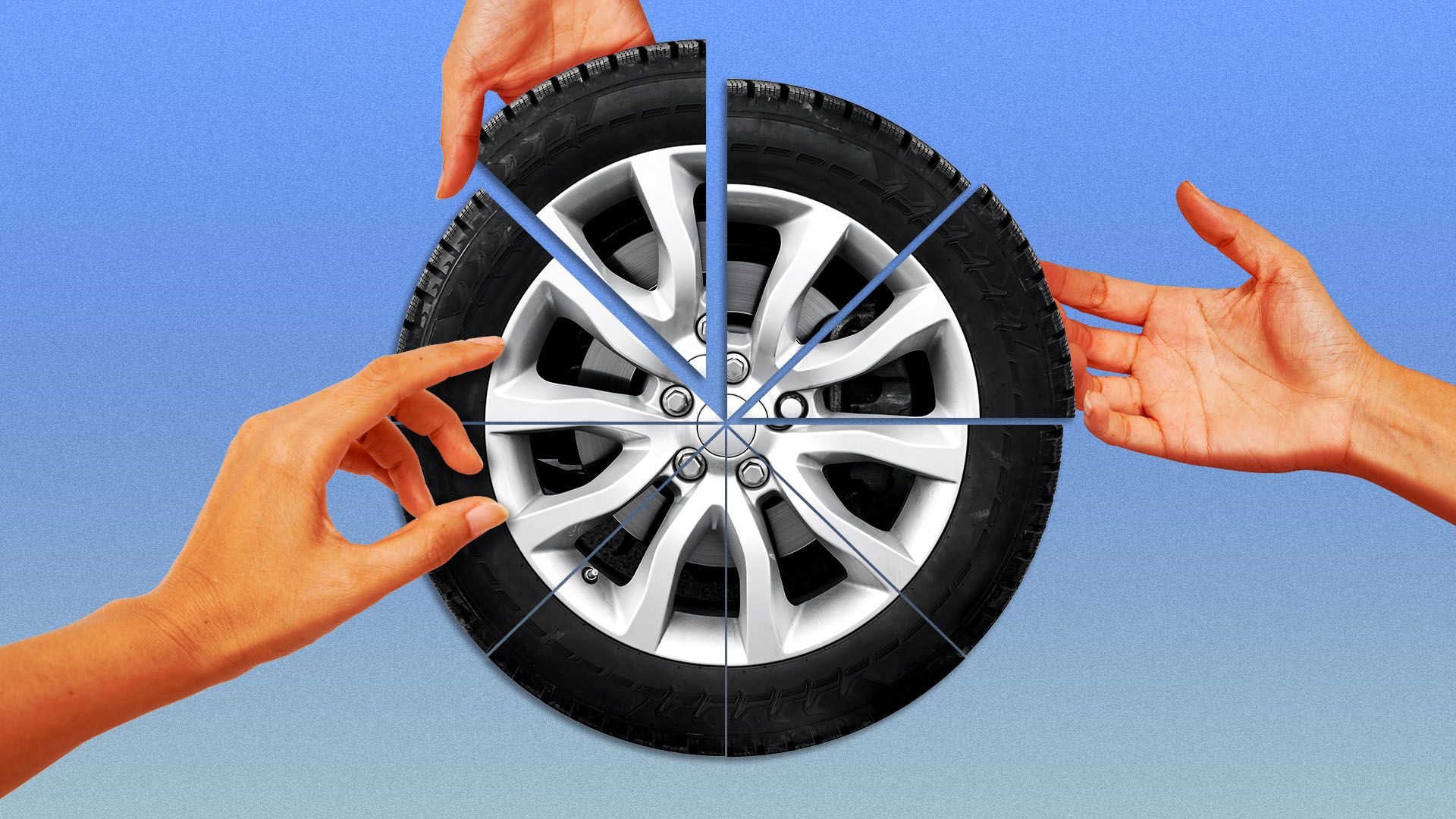
Auto companies, counterintuitively, are trying to get people to give up their cars — by making shared transportation more appealing with vehicles that recognize you, anticipate your needs and customize your ride.
Why it matters: Ride-hailing apps are making urban congestion steadily worse. In San Francisco, people spent 62% more time sitting in traffic in 2016 than in 2010. Uber and Lyft admitted they're part of the problem.