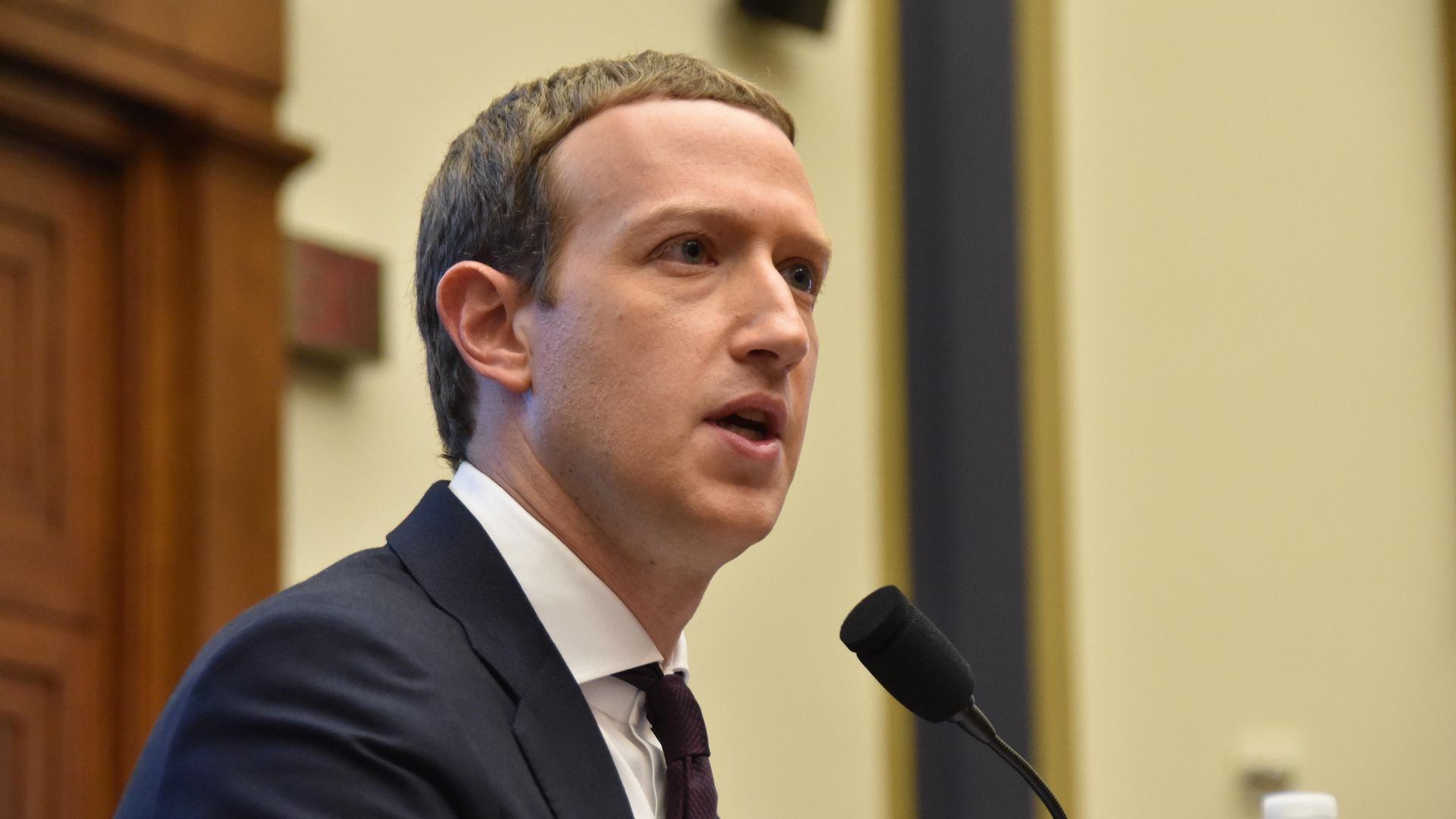
Aaron Sorkin, who wrote "The Social Network," penned an open letter in the New York Times to Facebook CEO Mark Zuckerberg over the company's stance on political ads on its platform, saying it is "not defending free speech" but "assaulting truth."
How it works, via Axios' Scott Rosenberg: Facebook's policy lets politicians make just about any claim they want, in ads or posts, including repeating verbatim a false claim that has already been labeled elsewhere as false. That means they can misstate their own record or that of an opponent.
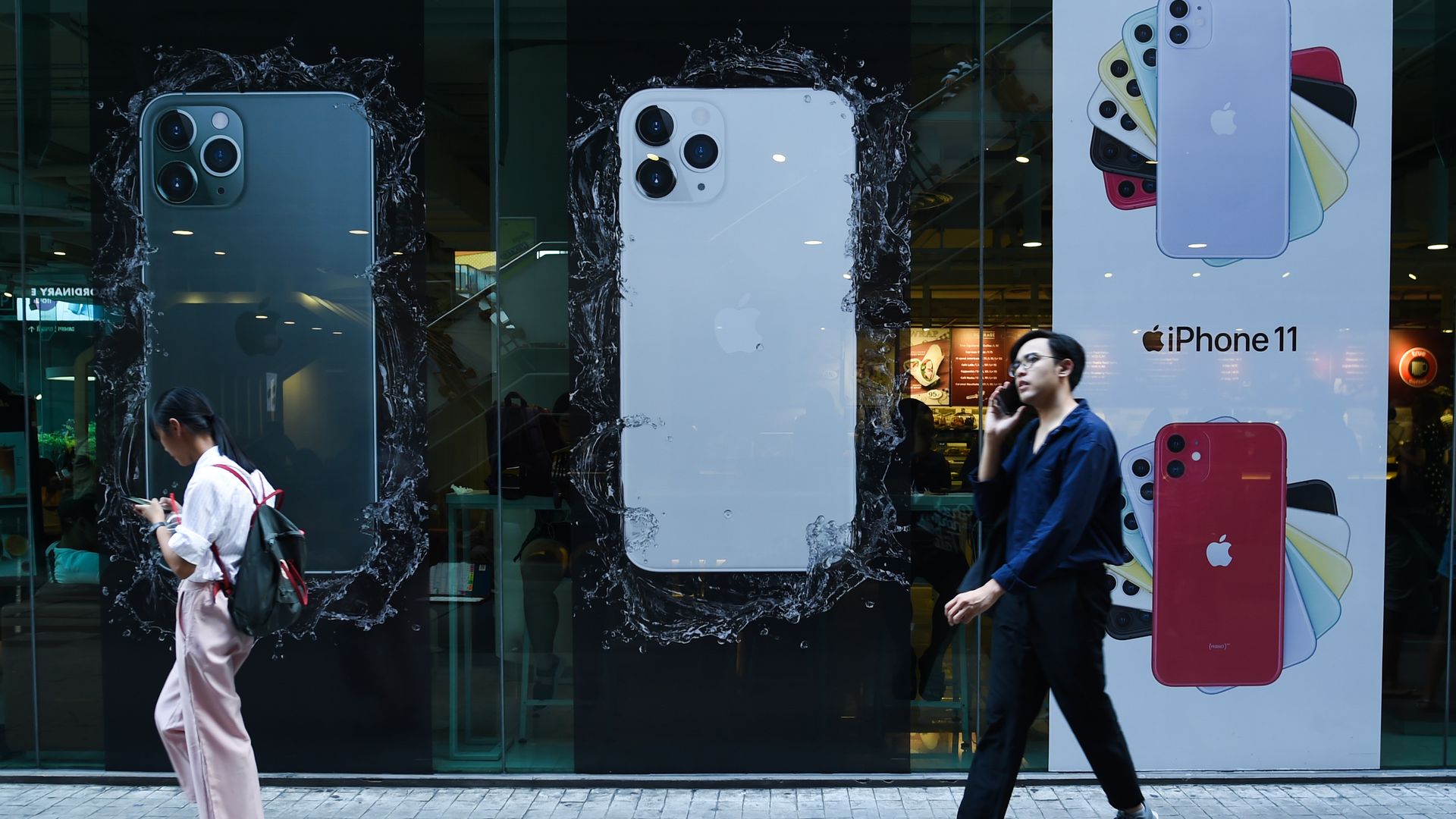
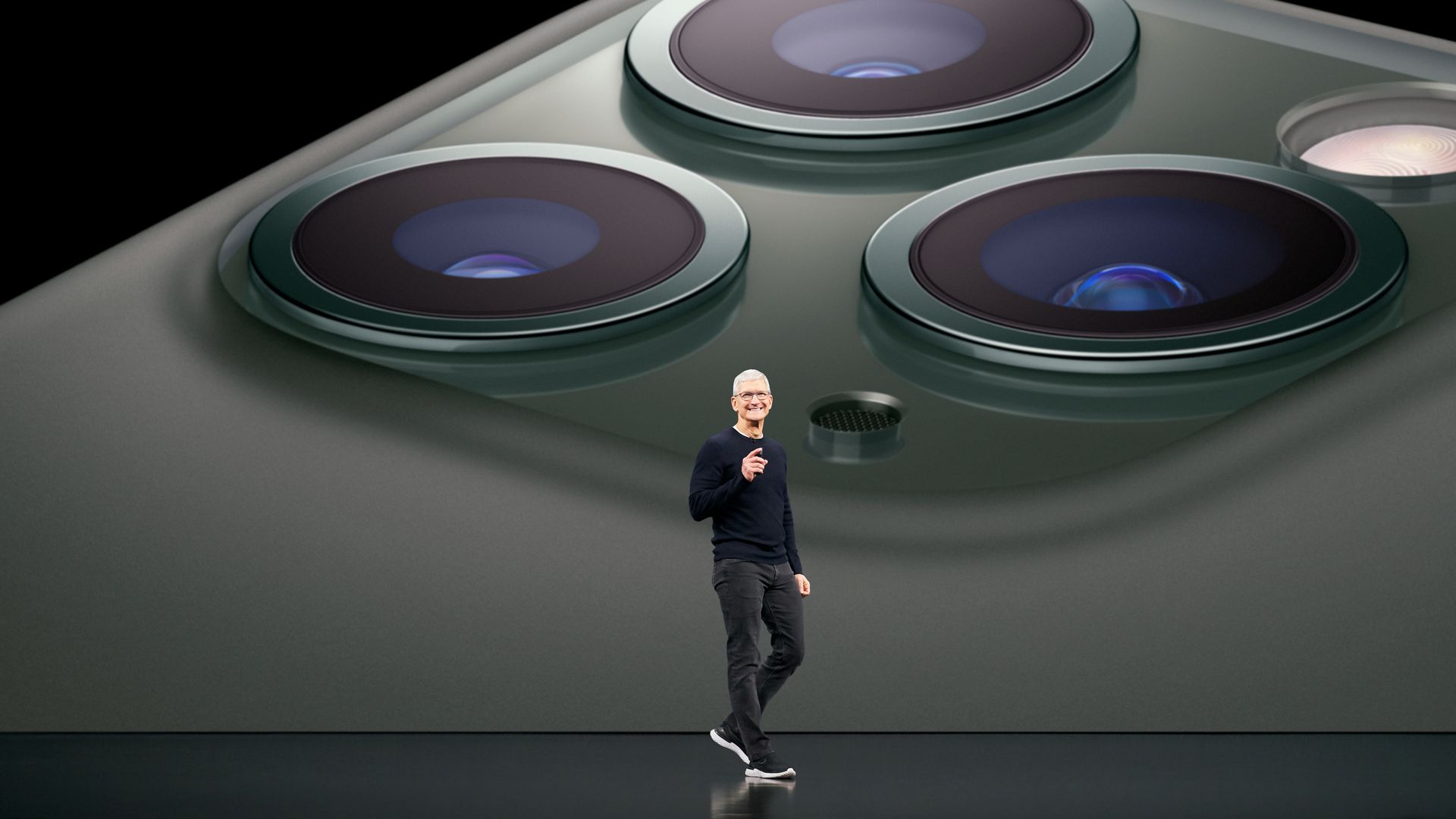
Apple delivered a generally positive earnings report on Wednesday, with CEO Tim Cook telling Reuters that iPhone 11 was off to a "very, very good start," despite sales falling 9.2% in the quarter, continuing a pattern that has been in place for the past year.
Why it matters: The iPhone is the bulk of Apple's business and critical to driving demand for its other products, but a report from Bloomberg, citing unnamed sources, said Apple expects iPhone sales to return to growth next year, thanks to the introduction of 5G.
Twitter's move to ban political ads is just the latest of several moves by the platform to position itself as an antidote to what critics see as Facebook's missteps and ethical lapses.
Why it matters: The free speech banner Facebook is wavingused to be shared by most of the big social media companies. A Twitter exec once called the company "the free speech wing of the free speech party."
But amid an extraordinary backlash toward Facebook from critics angered at its role in spreading misinformation, its rivals are distancing themselves — and are using the moment to frame their free speech principles as better suited to the era of social media.
Facebook stock was up nearly 4% in after-hours trading on Wednesday after the tech giant reported that it beat Wall Street expectations on earnings per share and revenue.
Why it matters: The company has been warning for several quarters that ad growth (where nearly all of its revenue comes from) is expected to slow late this year due to saturation in its main News Feed. As a result, Facebook has been investing more in monetizing its "Stories" feature on both its main app and Instagram.
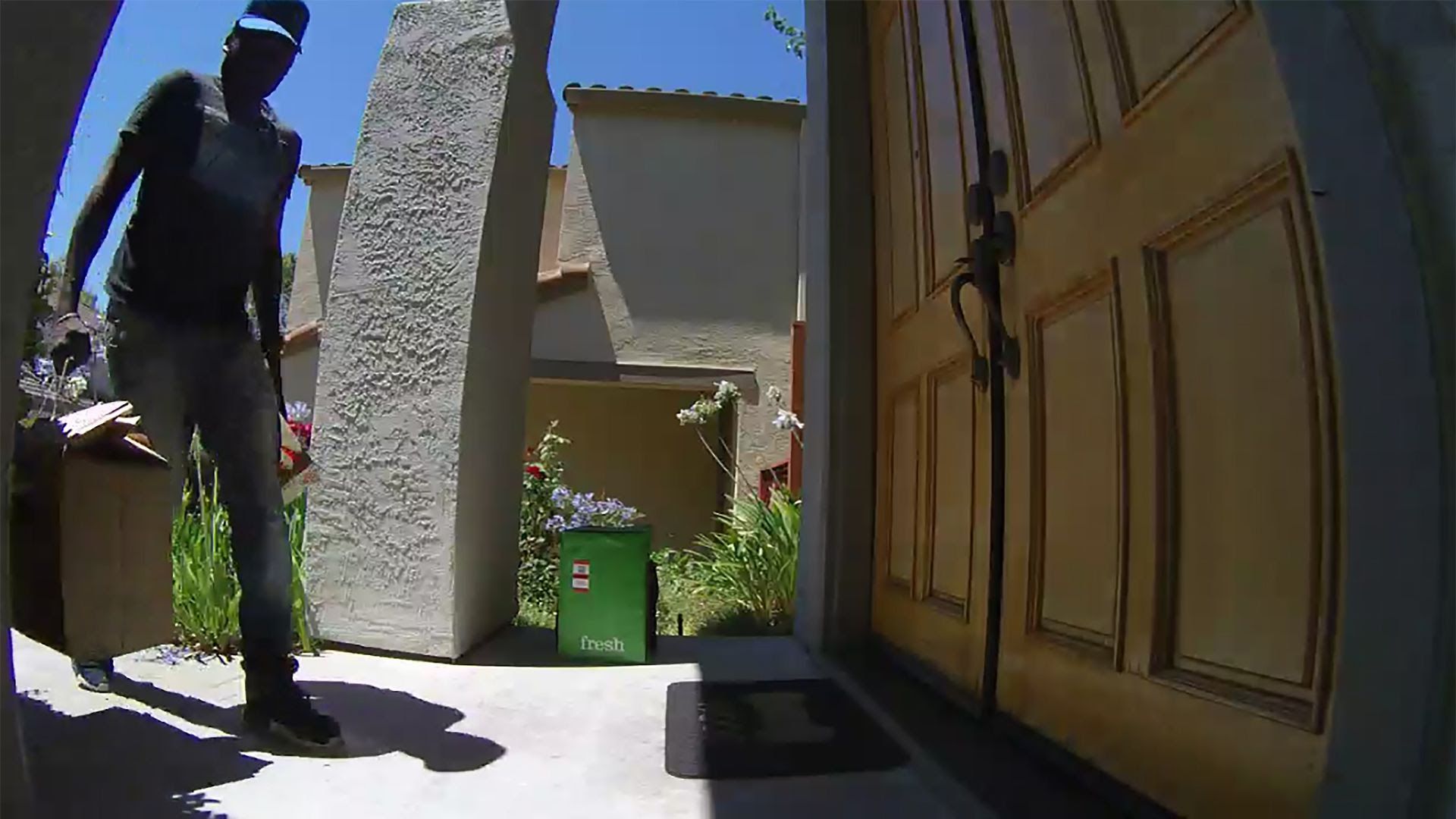
Amazon is losing billions of dollars as it expands free, fast shipping. Still, the company keeps doubling down and debuting two-hour grocery delivery at zero cost to Prime members in new markets.
The big picture: The American food market is worth a whopping $700 billion, but that's not why Amazon is chasing it. Consumers shop for food more frequently than anything else, and Amazon is betting that getting people to visit its site whenever they need groceries will turn them into loyal, lucrative customers.
Apple delivered a generally positive earnings report on Wednesday, with CEO Tim Cook telling Reuters that iPhone 11 sales are off to a "very, very good start."
Why it matters: The iPhone is the bulk of Apple's business and critical to driving demand for its other products.
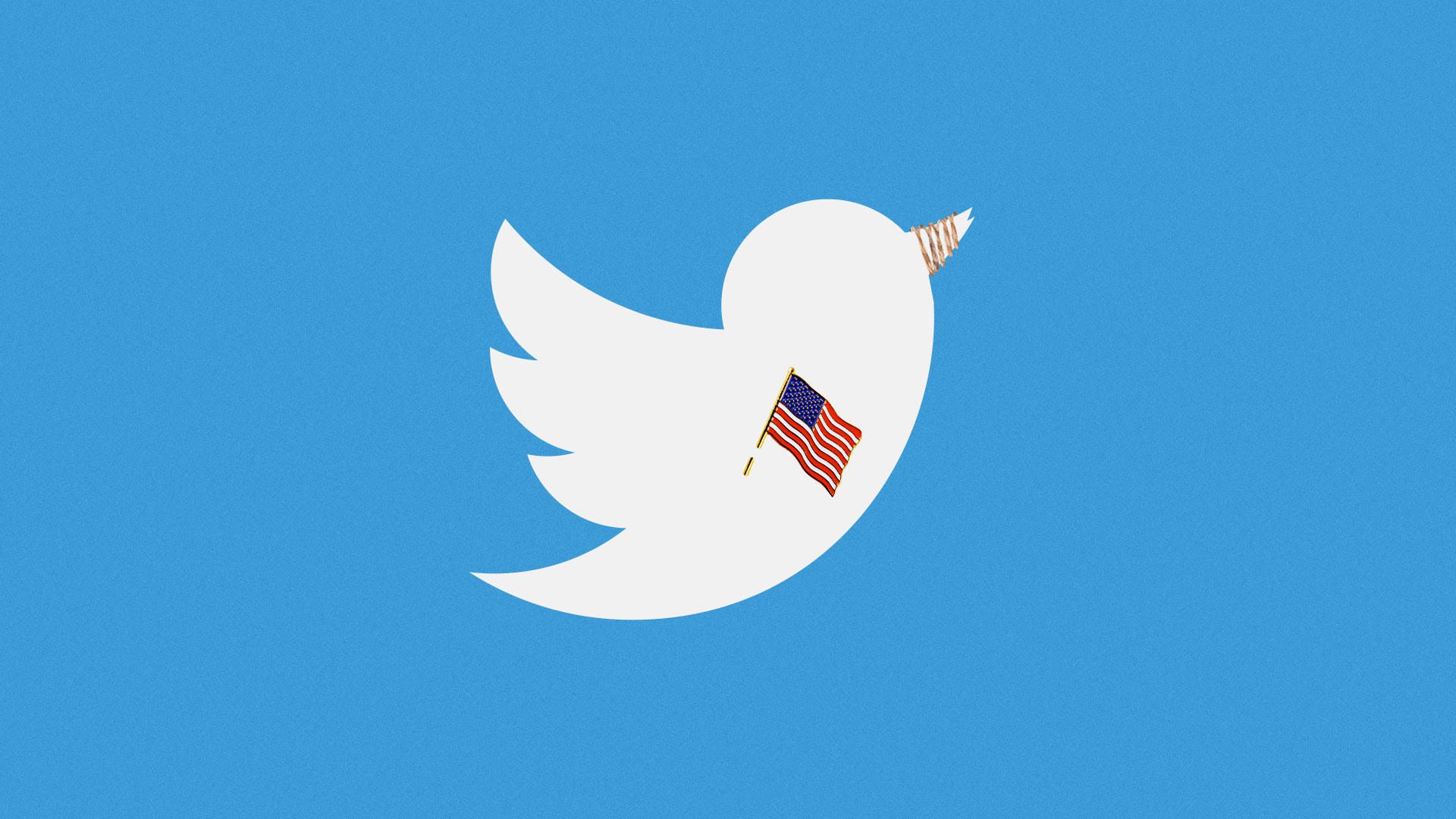
Twitter CEO Jack Dorsey said Wednesday in a series of tweets that the tech giant will no longer accept political or advocacy advertising of any kind on its platform.
Why it matters: Tech companies have come under fire as of late for policies around how they police political ads. Facebook, most notably, has been criticized for saying that the company would not fact-check ads from political candidates or politicians.
Parking garages aren’t just low-tech eyesores — they might be urban America’s greatest real estate development opportunity. Dan digs in with Axios Cities editor Kim Hart.
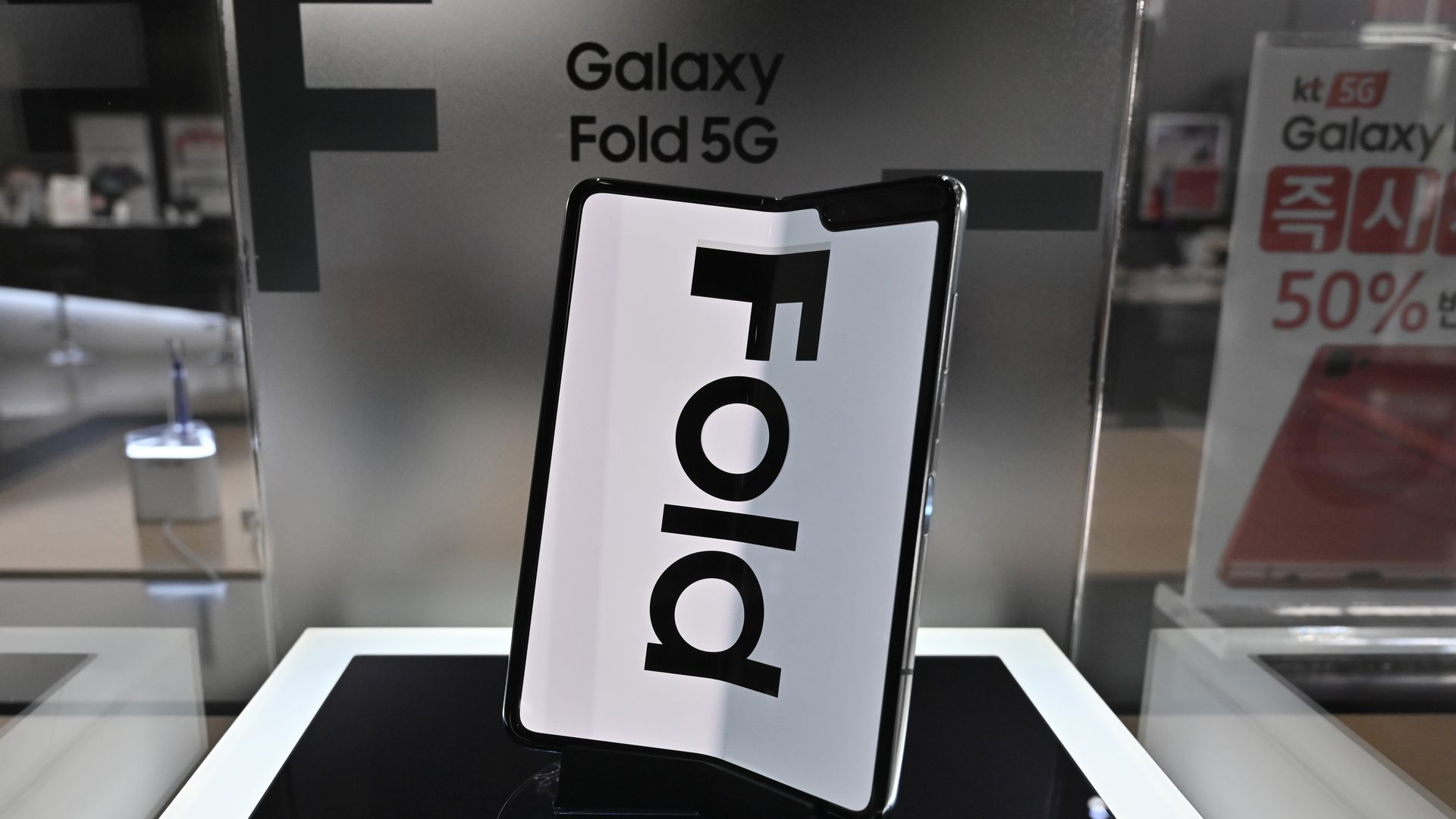
Samsung's first foldable-screen smartphone may be something of a novelty, but the company demonstrated Tuesday that it plans to keep going until such devices are mainstream.
Why it matters: There's a lot of interest in foldable devices from hardware makers eager to shake up a sluggish smartphone market, but the early products have been pricey and delicate.