Jeffrey Epstein was a master of maximizing and leveraging proximity to wealth and power. While some of his associates certainly inherited their social status (like Robert Maxwell's daughter Ghislaine and Queen Elizabeth II's son PrinceAndrew), most of the time he went straight to the top of the family tree.
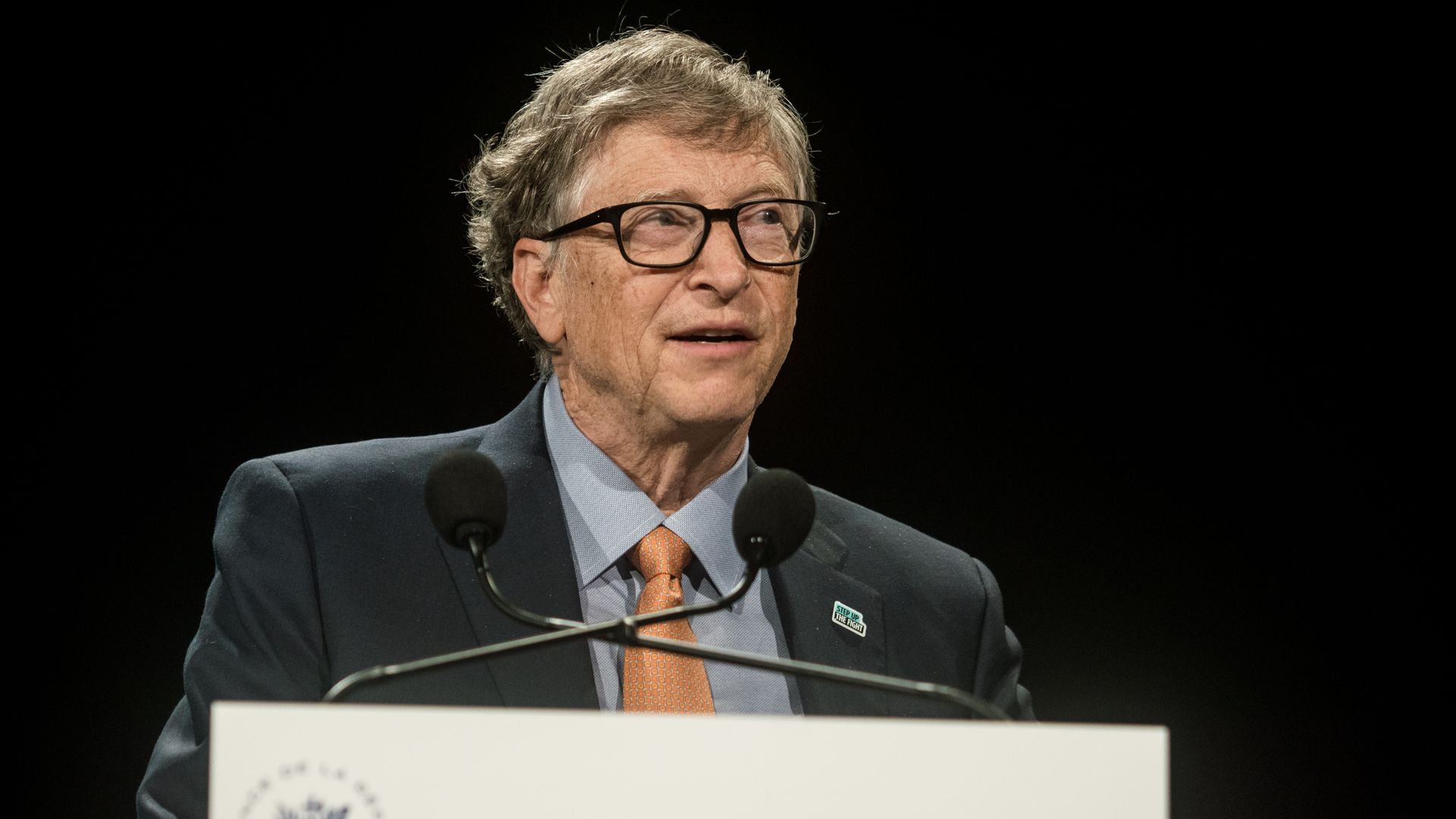
The big picture: After Epstein was convicted of sex crimes in 2008, his friendships with the rich and powerful continued unabated. In fact, his relationship with Bill Gates started in 2011.
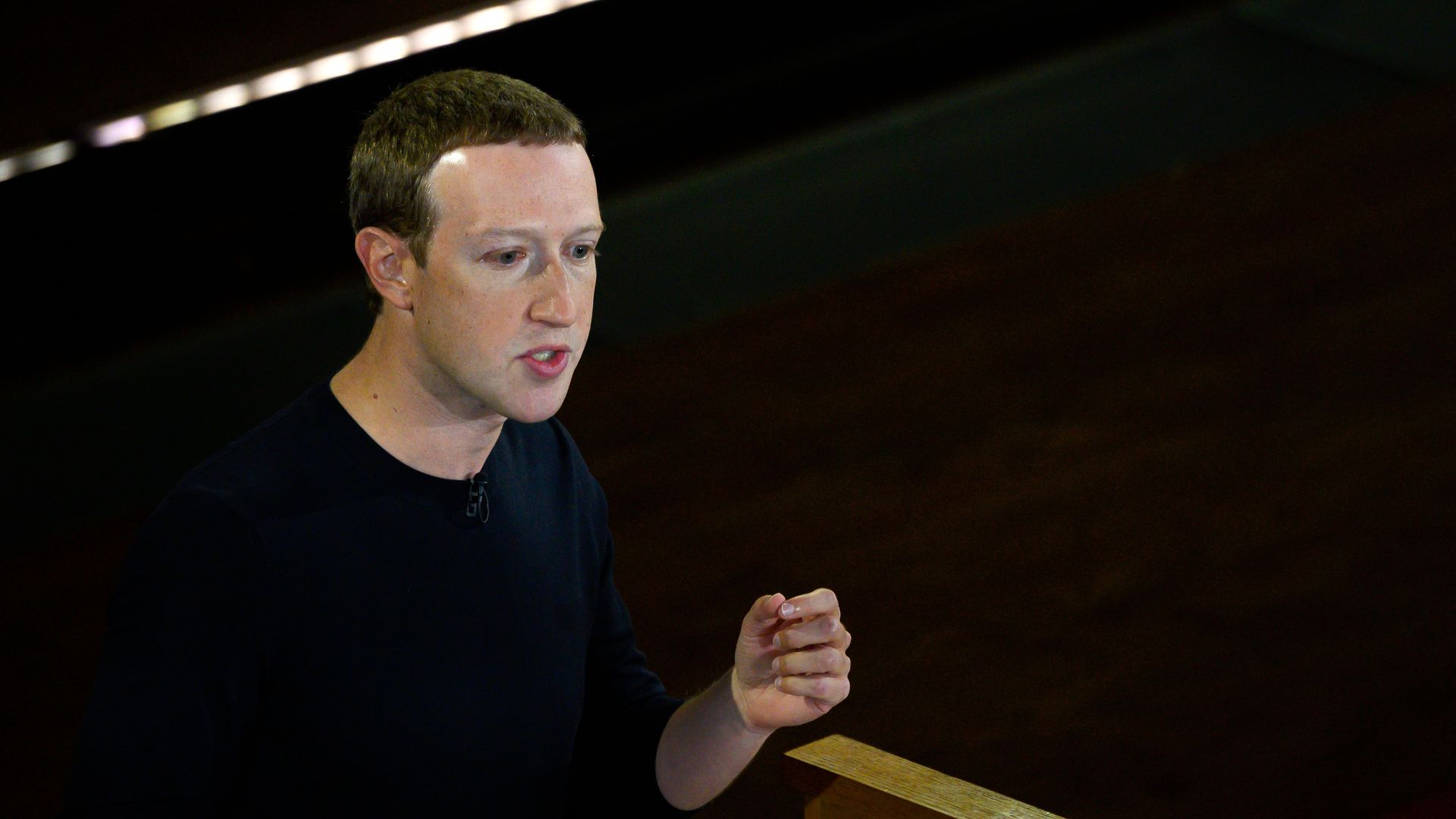
Facebook CEO Mark Zuckerberg cast himself and his company as champions of free speech in a 45-minute talk at Georgetown University Thursday.
What he's saying: "I believe we have two responsibilities: to remove content when it could cause real danger as effectively as we can, and to fight to uphold as wide a definition of freedom of expression as possible — and not allow the definition of what is considered dangerous to expand beyond what is absolutely necessary."
Facebook is moving forward with its Libra cryptocurrency, even as Congress wants answers and big-name financial services partners drop out. Dan digs in with Bloomberg tech reporter Kurt Wagner.
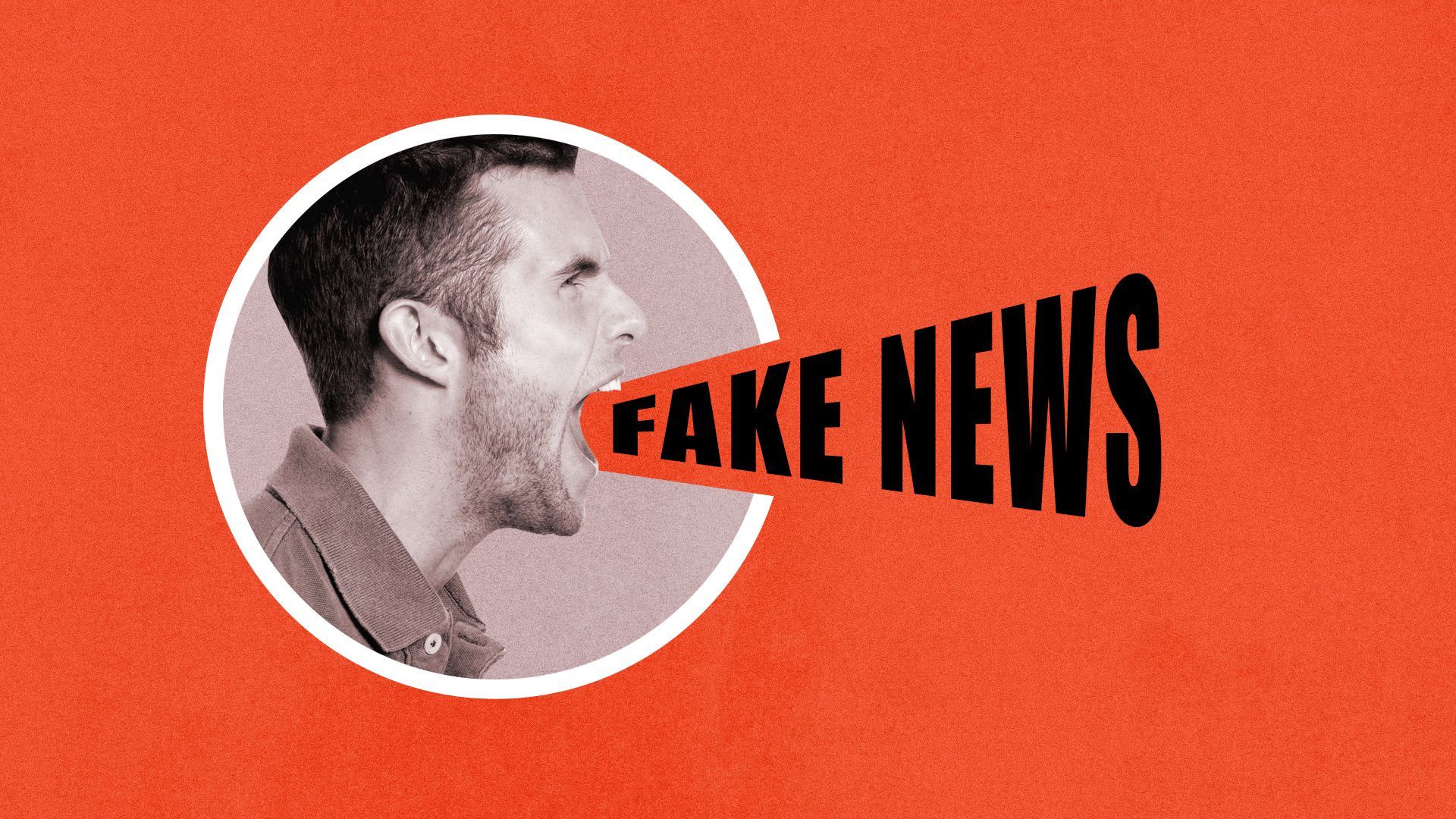
Disinformation campaigns used to consist of trolls and bots orchestrated and manipulated to produce a desired result. Increasingly, though, these campaigns are able to find willing human participants to amplify their messages and even generate new ones on their own.
The big picture: It's as if they're switching from employees to volunteers — and from participants who are in on the game to those who actually believe the disinformational payload they're delivering.
Government leaders and central bankers are spending more time studying digital currencies, but don't look any closer to launching one than they were 6 months or a year ago.
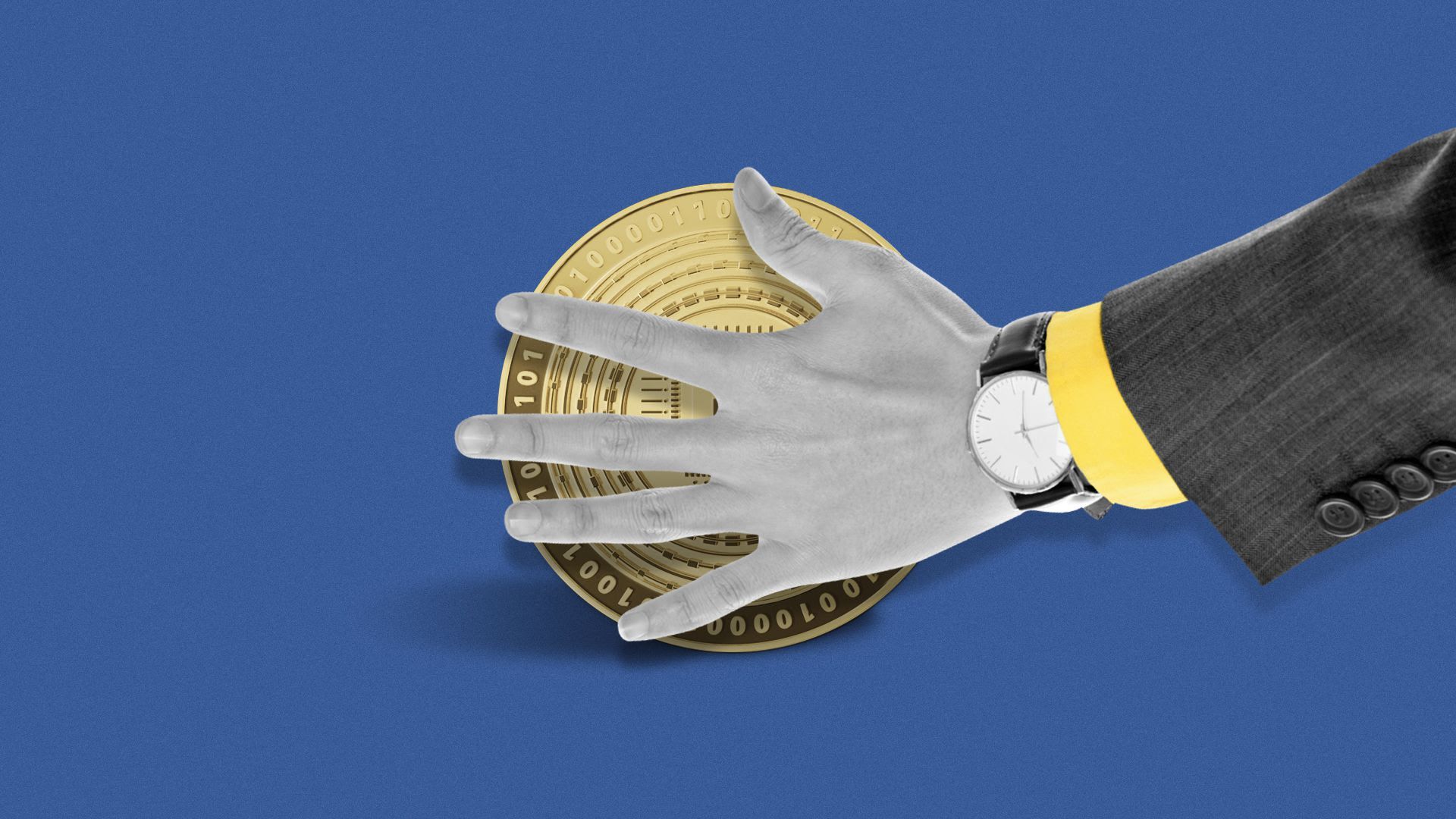
Why it matters: Facebook, by contrast, appears to have a prime-time ready product — its Libra digital currency — and shows every intention of pushing forward, despite the recent abandonment by a quarter of the members of the currency's governing body.
Most of the hottest new books about tech companies have focused on startups and companies barely a decade old — but Silicon Valley stalwarts like Apple haven't lost all their literary luster yet.
Driving the news: Wall Street Journal reporter Tripp Mickle will write an as-yet-untitled book for William Morrow about the iPhone maker's last decade since the death of co-founder Steve Jobs in 2011 — the era in which design chief Jony Ive held sway over product design while CEO Tim Cook steered the companyt to new market highs and new revenue from services.
The consensus in Washington is increasingly clear: The security threat to the U.S. from Chinese firms is bigger than just Huawei.
Why it matters: If the administration views every Chinese company with suspicion, it could prolong the trade war and put the U.S. and China on a crash course toward a swift technological decoupling.
Netflix's stock was up roughly 10% on Wednesday, after the company said it surpassed expectations for earnings per share and international subscriber growth, a key metric for the company because of saturation in the U.S.
Why it matters: This quarter's earnings are the last before the "streaming wars" really begin to pick up. Disney is expected to launch its subscription streaming service Disney+ on November 12th. AT&T and Comcast/NBCUniversal are slate to launch their respective streaming services next April.
Facebook is pushing forward with its Libra digital currency despite recent public departures by a quarter of the members of the currency's governing body.
The state of play: It expects to launch with more than 100 members, including some banks, which have been noticeably absent from the list of current partners, Libra co-creator David Marcus said Wednesday.
Like Facebook, Twitter is giving elected officials broader freedom, but it's tough to discern where — if anywhere— the platform is drawing a line.
Why it matters: The company posted a statement on Tuesday aimed at clarifying its policies for "world leaders," but it remains to be seen if the rules are anything other than a free pass.
Dan and Axios' Alexi McCammond dig into last night's Democratic presidential debate, in which big tech was a top topic and Elizabeth Warren was the clear front-runner.