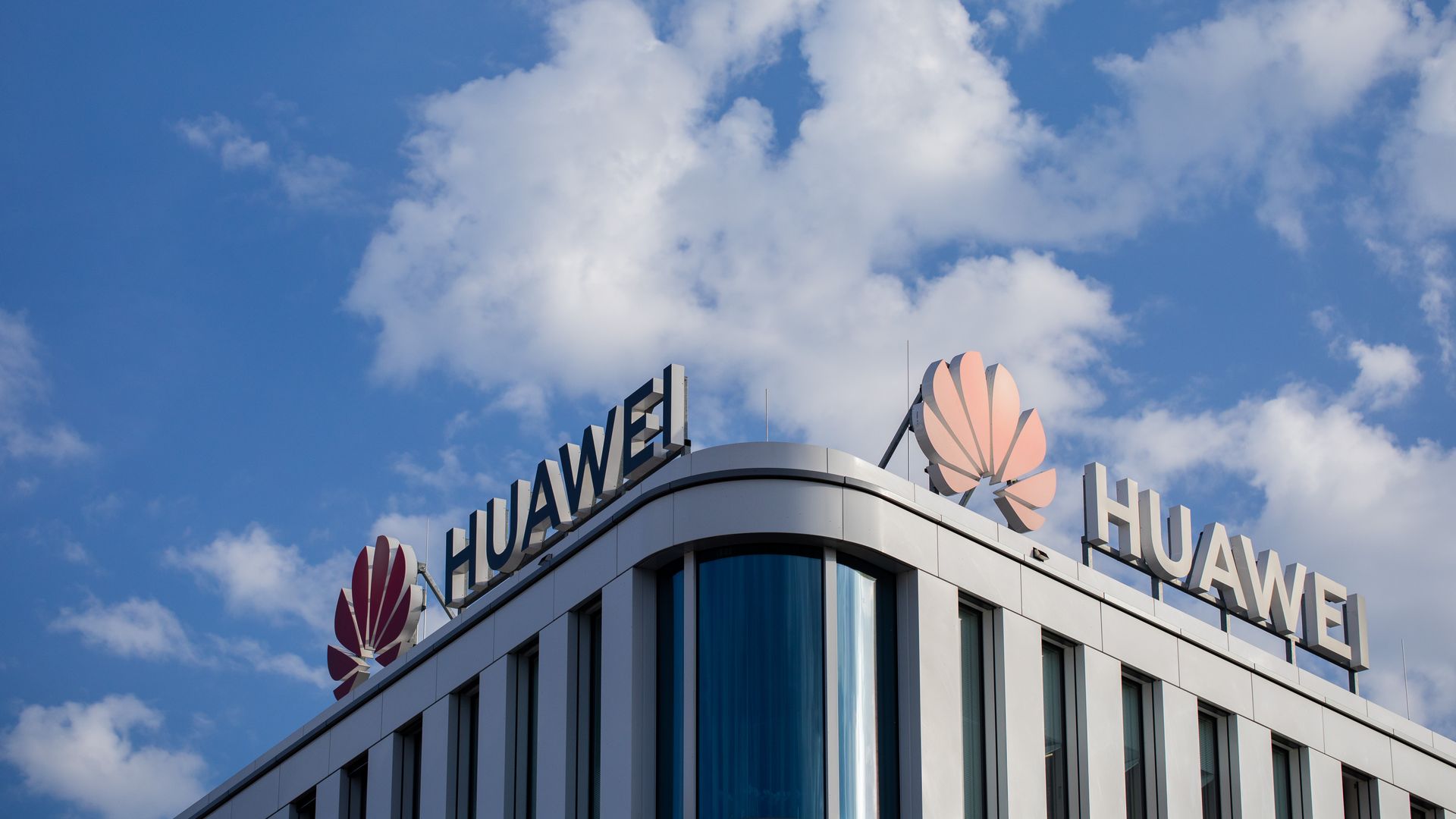
Chinese telecom giant Huawei has reportedly held early-stage discussions in recent weeks with unnamed U.S. telecoms companies on "licensing its 5G network technology to them," a Huawei executive told Reuters exclusively.
Why it matters: The U.S. and China are locked in a race to get 5G networks up and running to connect devices and machines at lightning speed. U.S. critics have accused Huawei of being complicit in Chinese espionage, a beneficiary of theft of trade secrets and a violator of trade sanctions. Historically, the U.S. preferred European equipment-makers Ericsson and Nokia as suppliers of 5G technology.
The threat of deepfakes to elections, businesses and individuals is the result of a breakdown in the way information spreads online — a long-brewing mess that involves a decades-old law and tech companies that profit from viral lies and forgeries.
AI systems intended to help people make tough choices — like prescribing the right drug or setting the length of a prison sentence — can instead end up effectively making those choices for them, thanks to human faith in machines.
How it works: These programs generally offer new information or a few options meant to help a human decision-maker choose more wisely. But an overworked or overly trusting person can fall into a rubber-stamping role, unquestioningly following algorithmic advice.
Scientists have long tried to use AI to automatically detect hate speech, which is a huge problem for social network users. And they're getting better at it, despite the difficulty of the task.
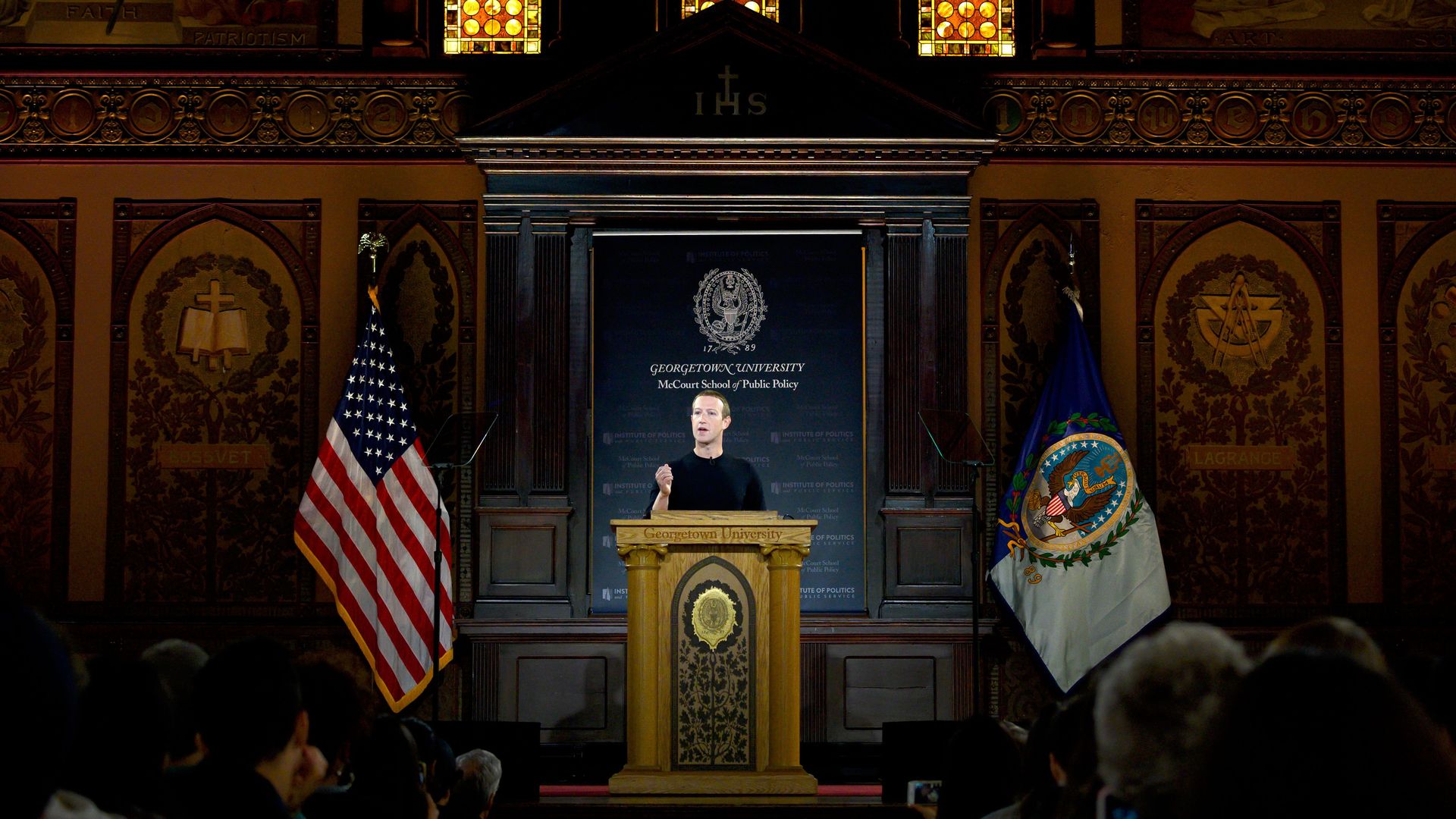
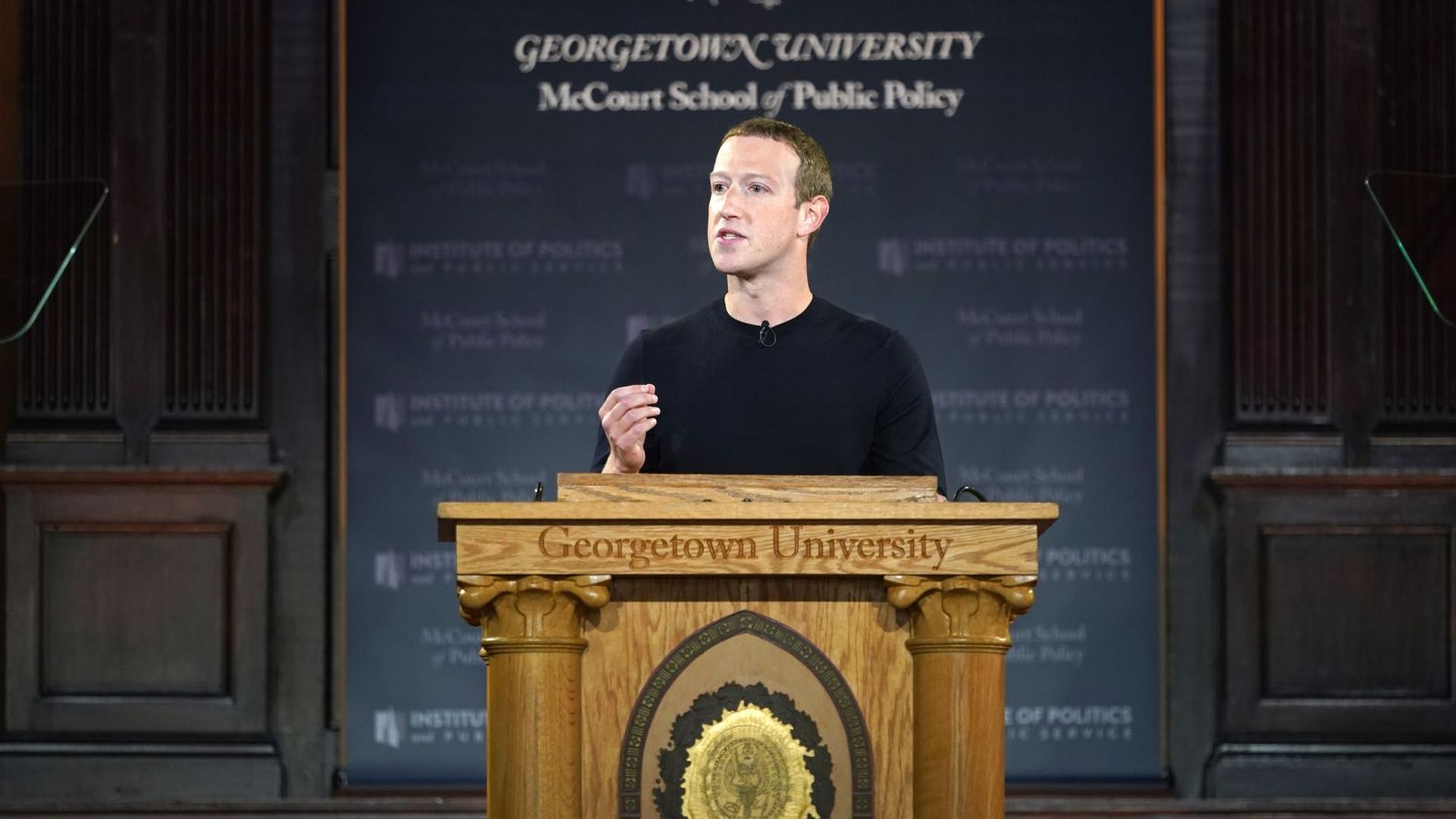
Facebook founder Mark Zuckerberg spoke about free expression with Georgetown University students yesterday, the first time he spoke publicly in Washington since his congressional testimony a year and a half ago.
The big picture: Zuckerberg told the students what he sees as the three biggest threats to free expression.
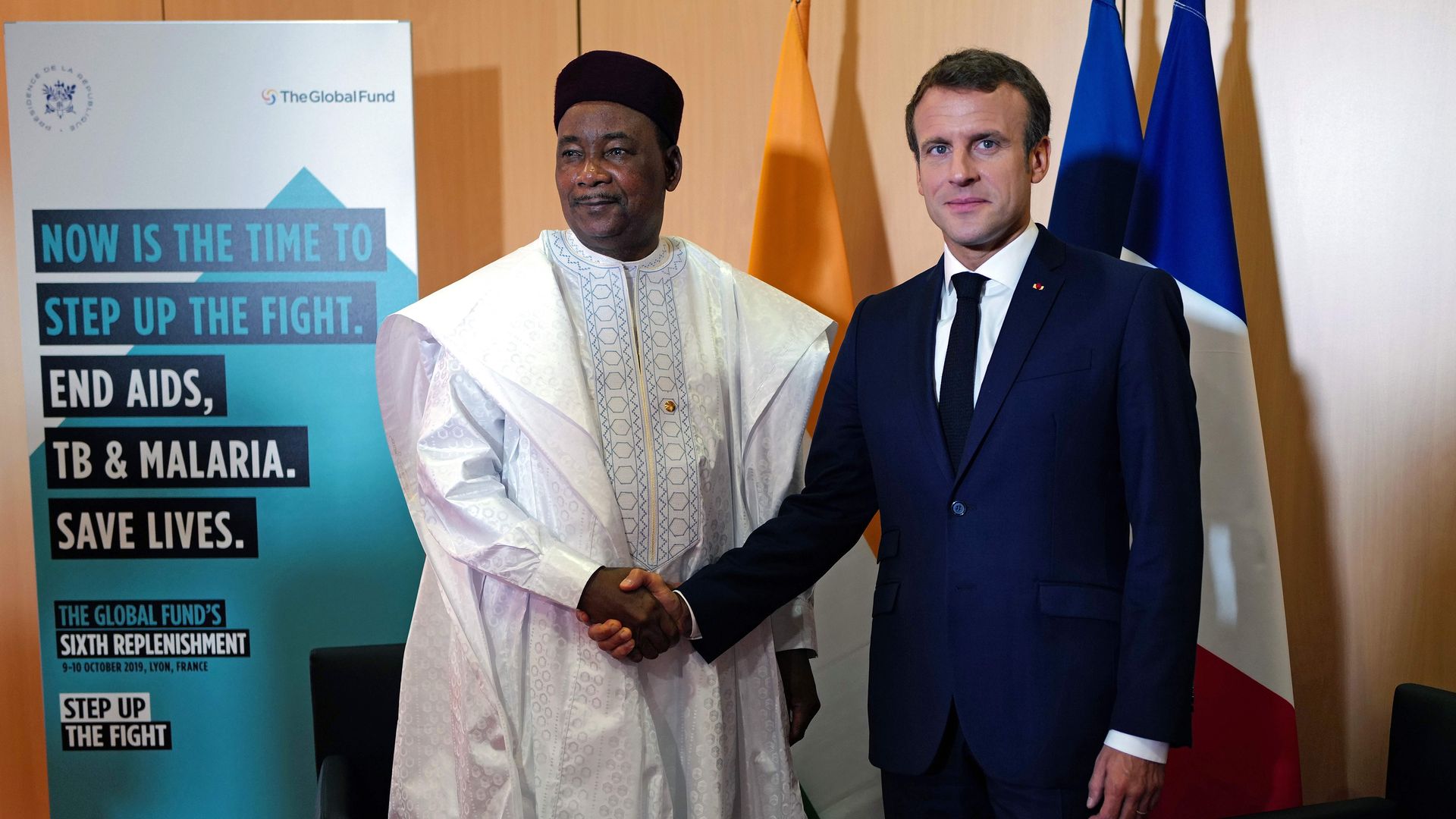
A record $14 billion in commitments made last week to the Global Fund to Fight AIDS, Tuberculosis and Malaria could help the multilateral health partnership save up to 16 million lives while halving mortality rates from the illnesses it targets.
Why it matters: Very few countries are on track to reach the United Nations 2030 Sustainable Development Goal targets for HIV, TB and malaria. The new commitments mark a 15% increase from the previous replenishment three years ago and reflect greater prioritization of preventable disease.
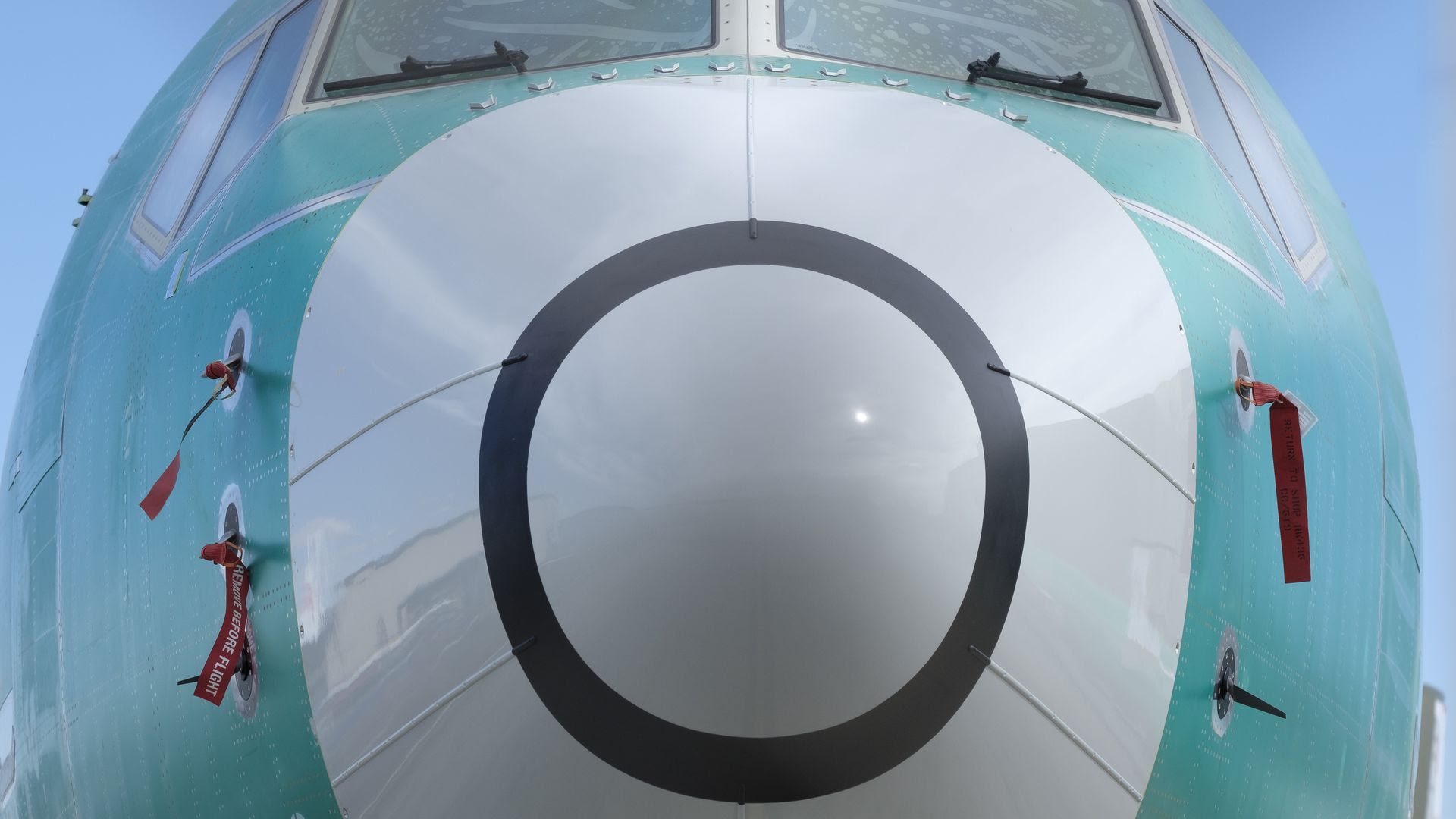
Deadly safety crises at Boeing this year and at GM in 2014 share the same, avoidable, root causes — lax government oversight and poor communication.
Driving the news: A multiagency task force this week concluded that "a breakdown in the nation's regulatory system and poor communication from Boeing compromised the safety of the 737 MAX jet before it crashed twice in five months and killed 346 people," the New York Times reports.
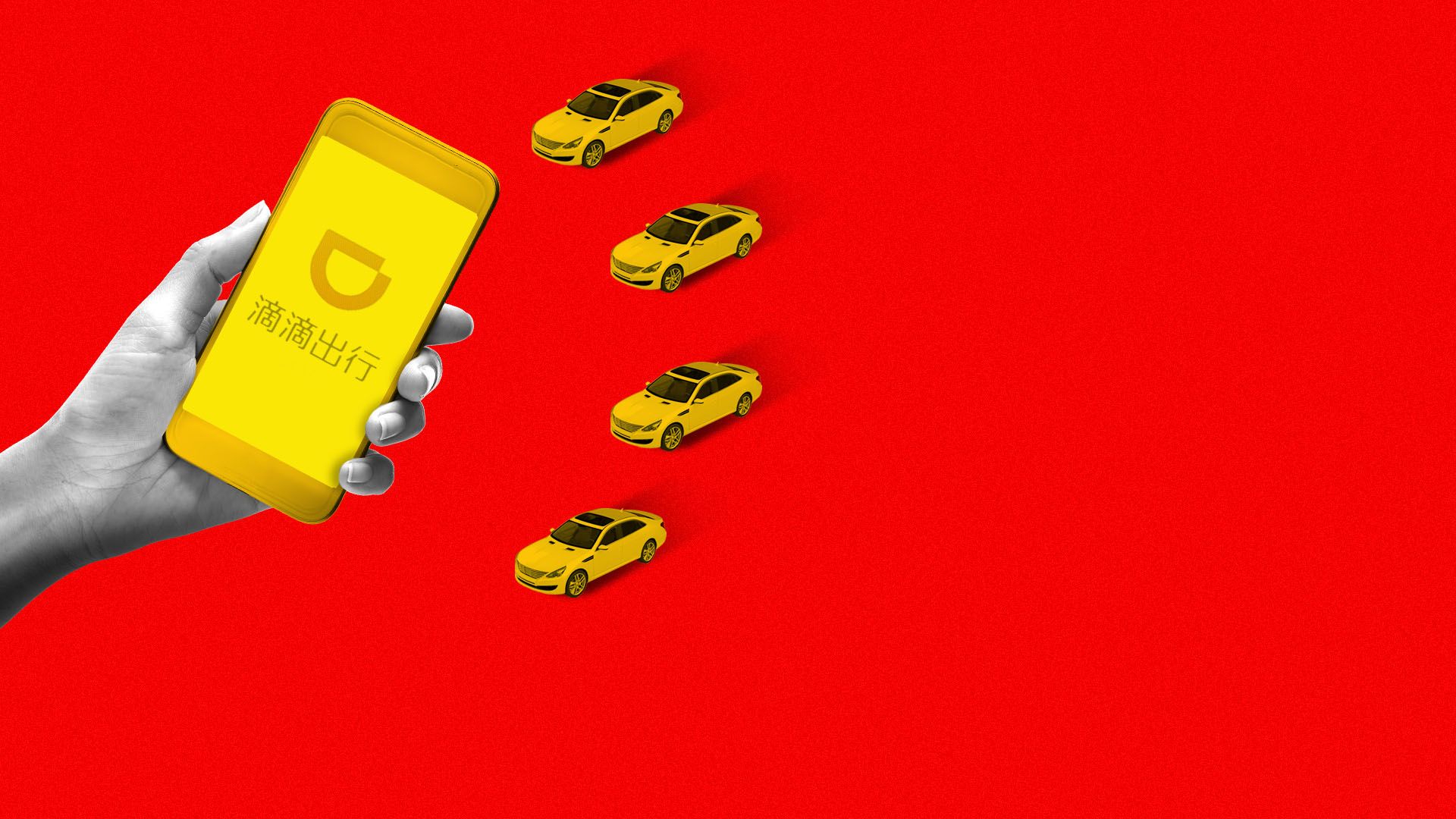
Didi Chuxing, China's colossal ride-sharing company, is rolling out a self-driving pickup service on Chinese streets in the next few weeks — a gamble that could give the company an important edge in the global market.
Why it matters: The first company to put large numbers of self-driving cars on the road stands to gain two important advantages: reduced operating costs and real-world driving data for its algorithms, which will improve its autonomous driving systems.
Verizon's pending shutdown of Yahoo Groups has major implications for British cell phone customers looking to change carriers as Britain's cellphone regulator Ofcom uses Yahoo Groups to handle porting of numbers from one provider to another, The Verge reports.
The bottom line: It's not surprising to hear that nostalgic longtime Internet users would be sad to see Yahoo Groups' demise. It is very surprising to learn that a government or business was using the platform for any sort of mission critical work.
While biometrics can offer added security, two separate issues highlight limitations of the technology, especially when used as the sole means of locking a smartphone and user accounts.
Driving the news: Samsung says it is working on a software update for the Galaxy 10 after a user in Britain discovered that using a protective case, in some circumstances, will allow any fingerprint to unlock the device.
Mark Zuckerberg made an impassioned plea on behalf of free speech Thursday. Then a lot of free speech came back at him.
Driving the news: Speaking at Georgetown University, Facebook's CEO defended the company's decision to continue to post political ads — including some by President Trump's campaign — that make demonstrably false claims.