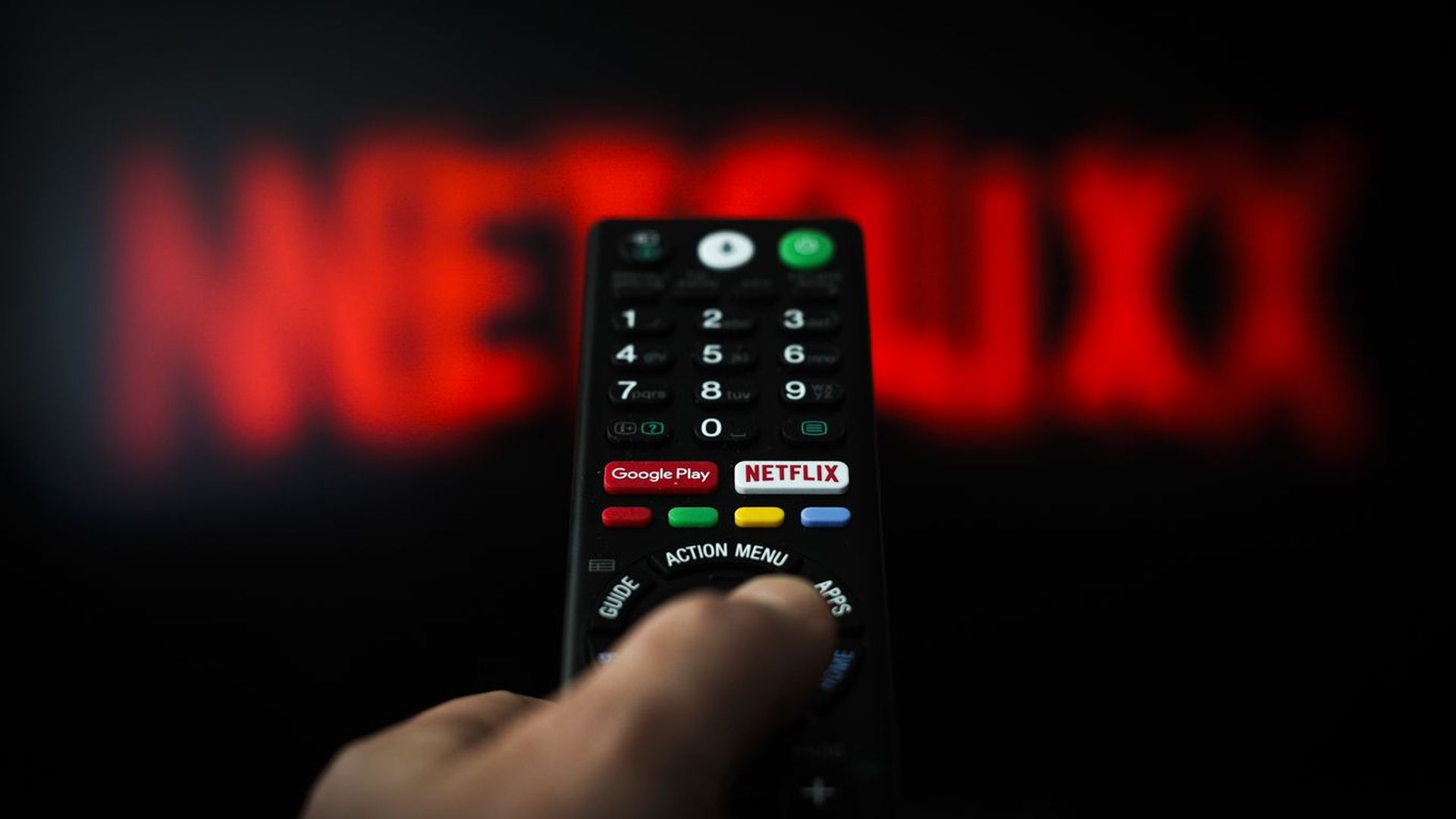
Netflix's stock was up roughly 10% on Wednesday, after the company said it surpassed expectations for earnings per share and international subscriber growth, a key metric for the company because of saturation in the U.S.
Why it matters: This quarter's earnings are the last before the "streaming wars" really begin to pick up. Disney is expected to launch its subscription streaming service Disney+ on November 12th. AT&T and Comcast/NBCUniversal are slate to launch their respective streaming services next April.
Facebook is pushing forward with its Libra digital currency despite recent public departures by a quarter of the members of the currency's governing body.
The state of play: It expects to launch with more than 100 members, including some banks, which have been noticeably absent from the list of current partners, Libra co-creator David Marcus said Wednesday.
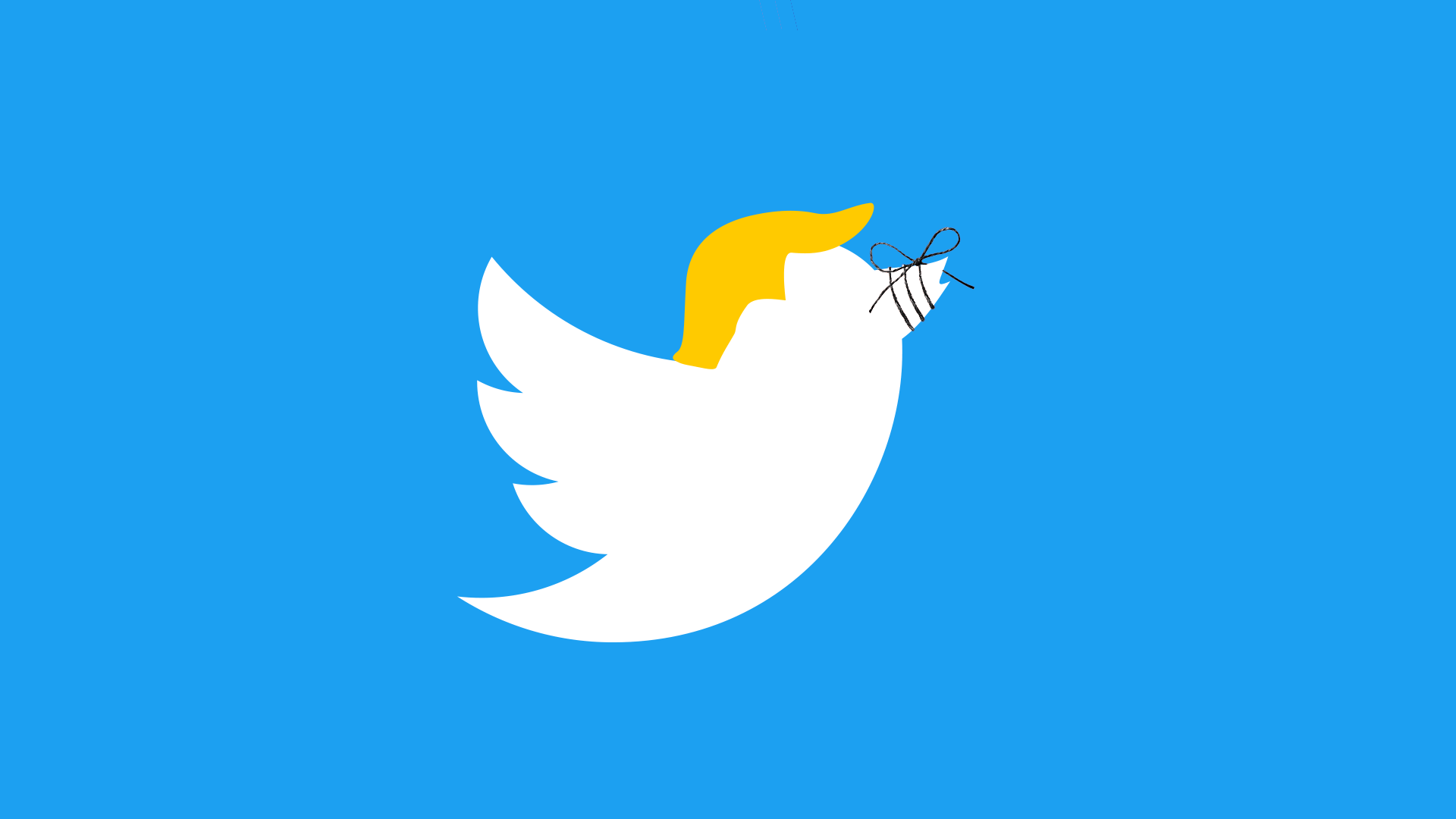
Like Facebook, Twitter is giving elected officials broader freedom, but it's tough to discern where — if anywhere— the platform is drawing a line.
Why it matters: The company posted a statement on Tuesday aimed at clarifying its policies for "world leaders," but it remains to be seen if the rules are anything other than a free pass.
Dan and Axios' Alexi McCammond dig into last night's Democratic presidential debate, in which big tech was a top topic and Elizabeth Warren was the clear front-runner.
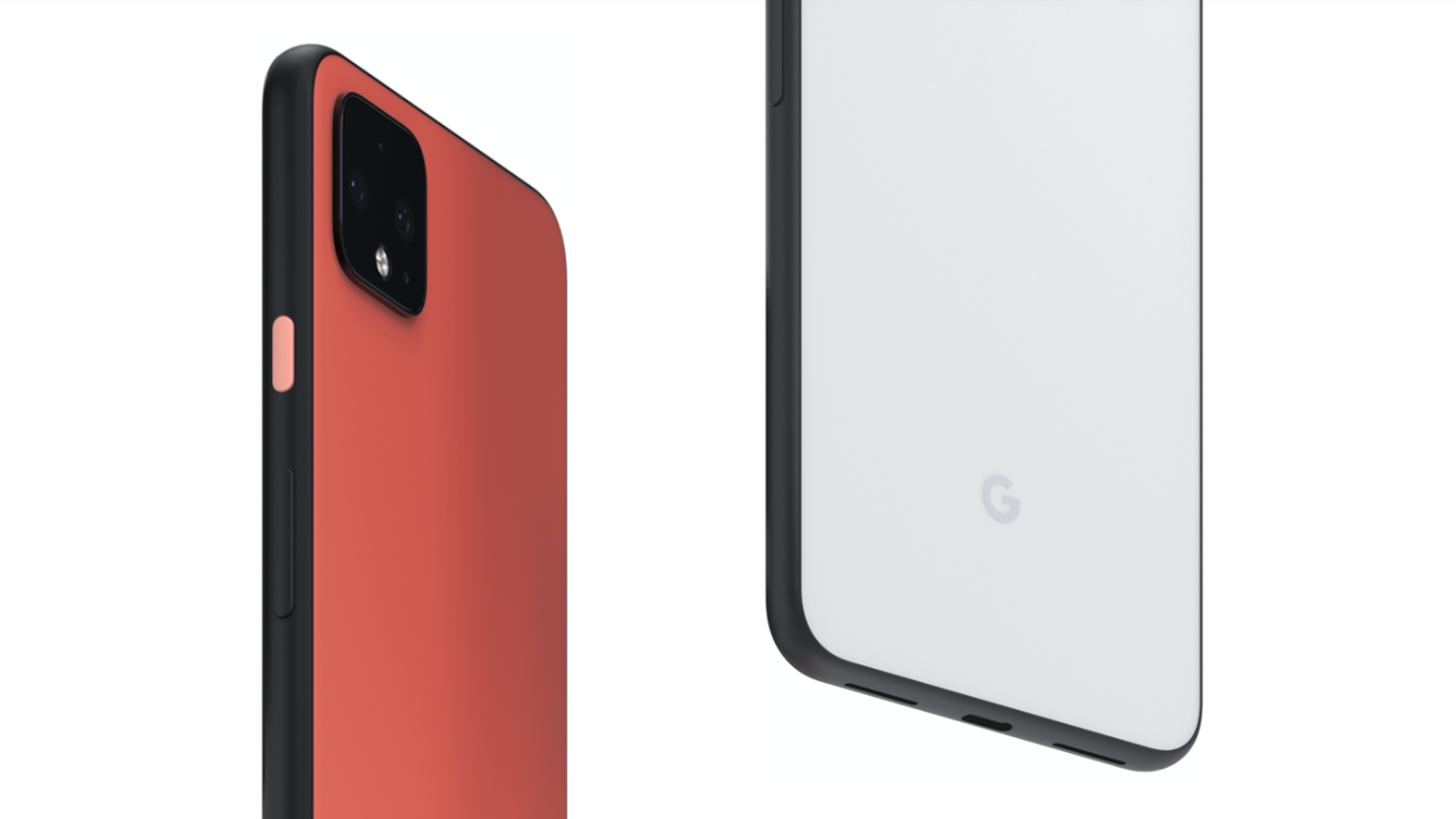
Google unveiled its Pixel 4 smartphone and other new Made By Google hardware at an event Tuesday morning in New York City. Other products included a cheaper Pixelbook, more capable mesh WiFi system and a preview of new Google Buds earbuds coming next year.
Why it matters: Google intends for the Pixel to directly compete with Apple's iPhone and, while past versions have received positive reviews, it remains a relatively minor player in the smartphone market.
Current machine learning models aren't yet up to the task of distinguishing false news reports, two new papers by MIT researchers show.
The big picture: After different researchers showed that computers can convincingly generate made-up news stories without much human oversight, some experts hoped that the same machine-learning-based systems could be trained to detect such stories. But MIT doctoral student Tal Schuster's studies show that, while machines are great at detecting machine-generated text, they can't identify whether stories are true or false.