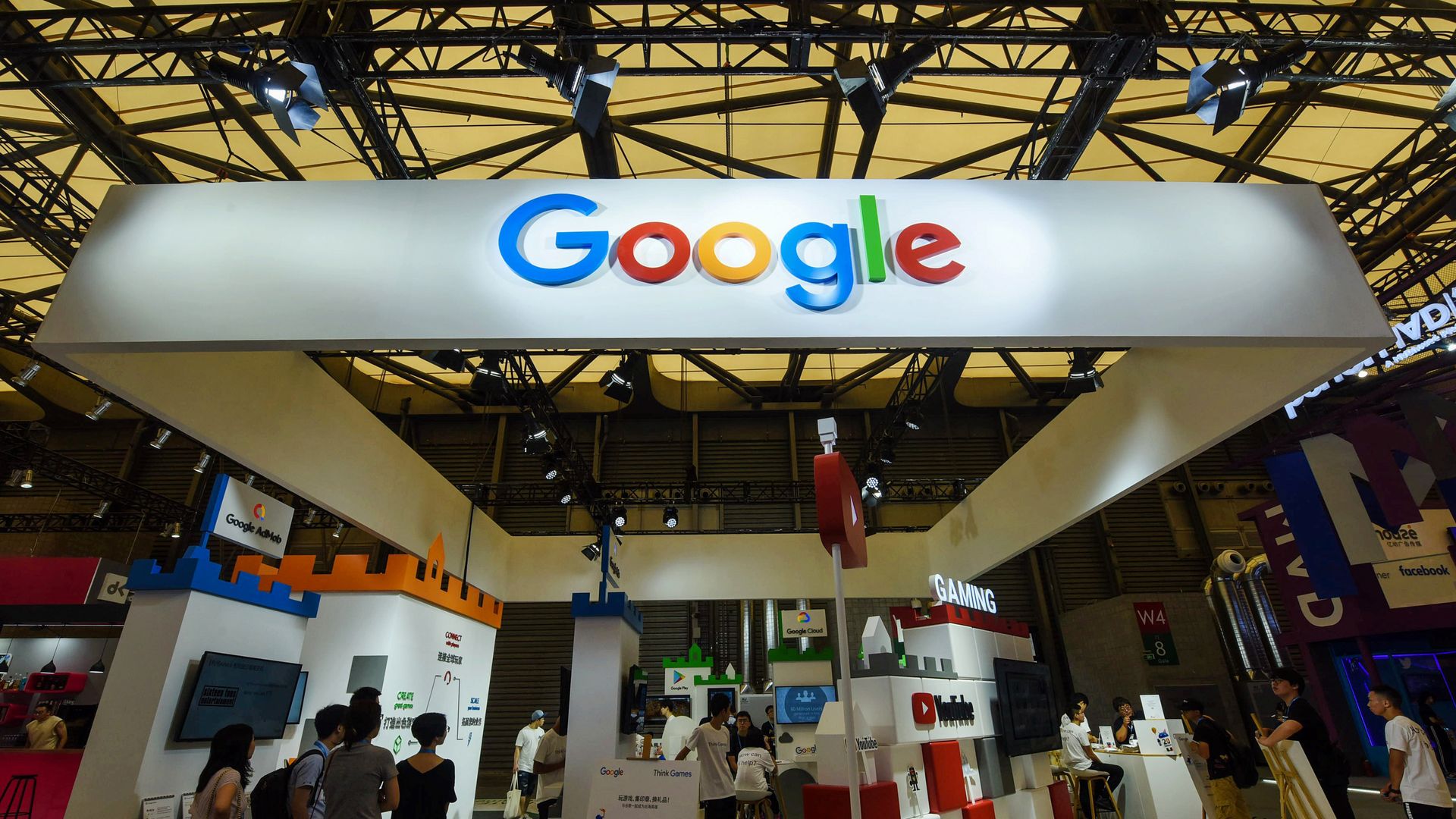
On Friday, Google disclosed that the U.S. Department of Justice has asked for documents about prior antitrust investigations, confirming the tech giant is a target of the agency's recently announced probe into the industry.
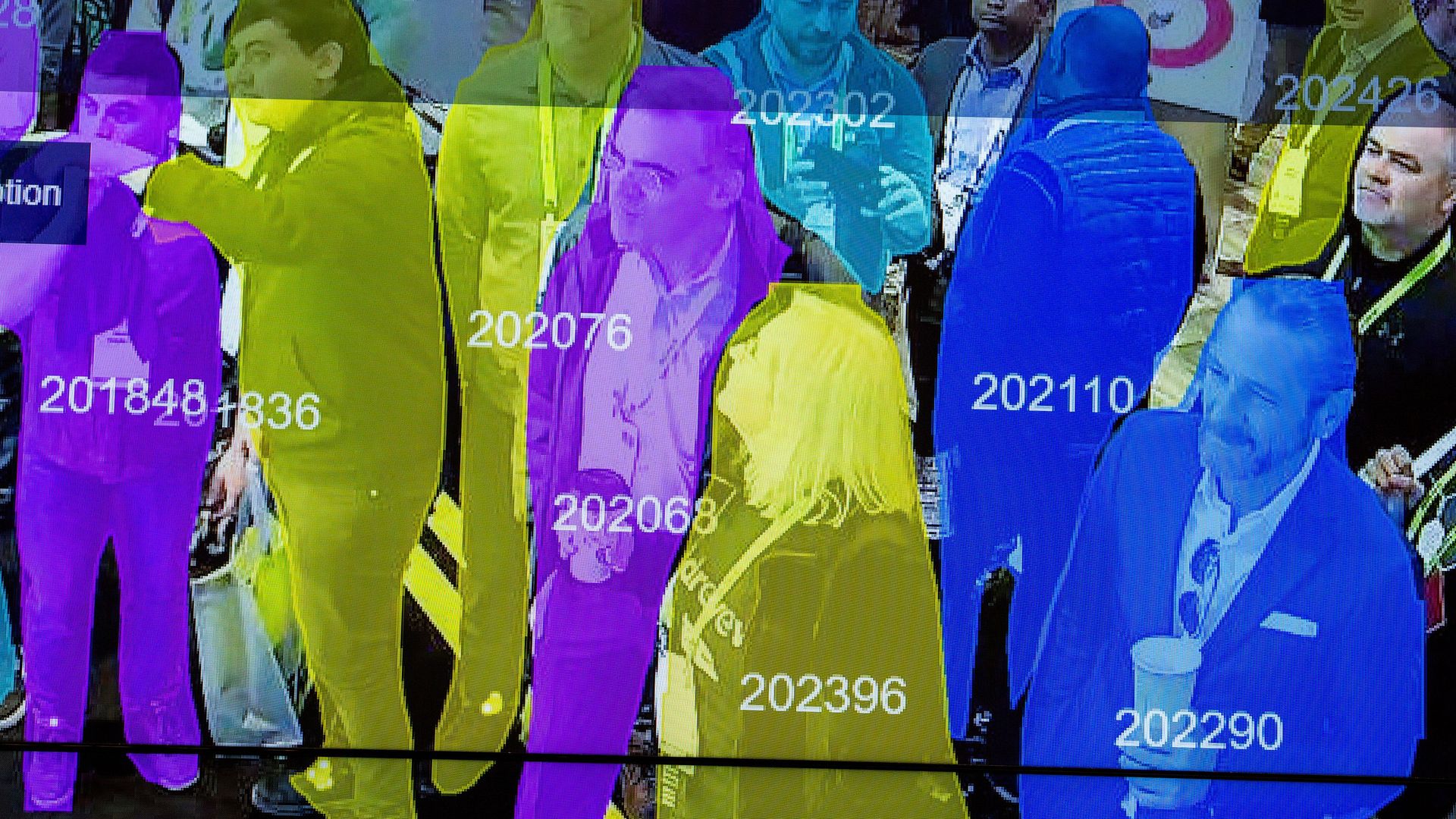
A new study suggests Americans trust law enforcement more than advertisers or tech companies to use facial recognition responsibly, though many are skeptical of all three groups.
Why it matters: There is a growing debate over the appropriate use of facial recognition, while few laws exist in the U.S. over how and where the technology can be used. Even some tech companies say it is time for Congress to set some rules.
Fall's big electronics show, IFA Berlin, kicked off with a flurry of announcements of new consumer tech.
Why it matters: Not only is IFA one of the world's biggest consumer electronics trade shows, but its early fall timing makes it a key launch point for devices that will arrive before the holidays.
Many of Apple's latest products and services share a common goal for the company: increasing customers' dependence on the iPhone. As Apple prepares to unveil its latest generation of iPhones on Tuesday, this "ecosystem" strategy is more pronounced than ever.
Why it matters: With the smartphone market stalling, Apple needs to find other ways to make money while also maintaining its share of the market. This approach serves both goals.
Why it matters: The companies have faced increased scrutiny from federal lawmakers and regulators, and will now have to deal with investigations from the states.
The big picture: The security vulnerabilities that mobile malware takes advantage of are scarce and expensive, and countries are loath to risk burning their tools by widely exposing them.
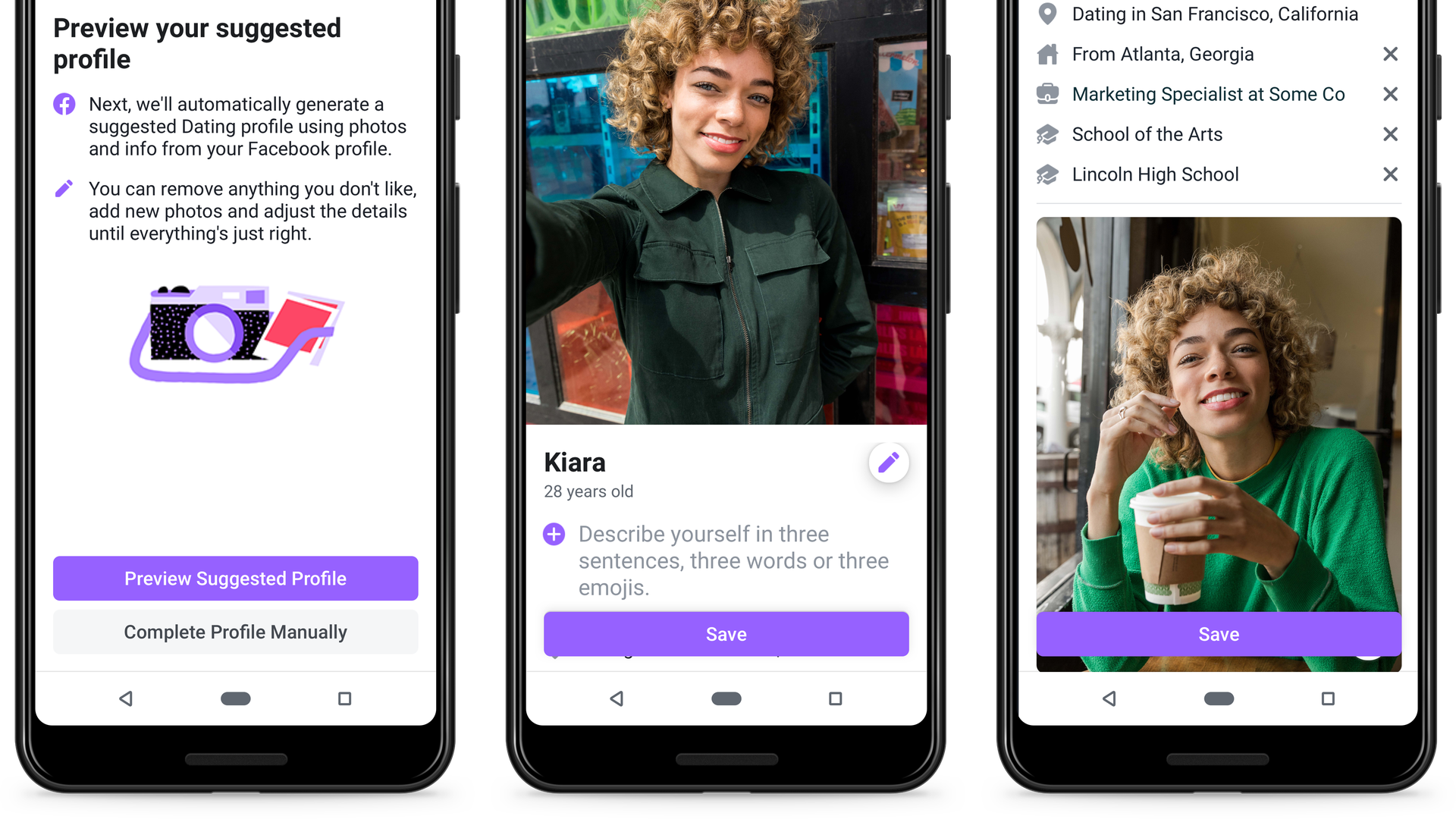
Facebook debuted Facebook Dating in the U.S. on Thursday after offering it for less than a year in some other countries. The company is also finally integrating the dating service with Instagram.
Why it matters: Facebook has 2.4 billion users around the world and is hoping a dating service will keep them around longer.
YouTube says it's making 4 major changes to its policies, after settling with the Federal Trade Commission for $170 million for violating children's privacy laws.
Why it matters: The changes announced by the video giant shows that it's taking the problem of preventing further violations somewhat seriously, even if children's privacy advocates argue that the fine didn't go far enough.
Samsung said Wednesday night that the delayed $2,000 Galaxy Fold will go on sale in Korea on Friday and be available in the U.S. "in the coming weeks." Samsung had promised in July that the phone would ship this month, following design changes.
Why it matters: Samsung and other phone makers are hoping foldable will usher in a new era for the smartphone market, but so far things have gotten off to a rocky start.