The big picture: The security vulnerabilities that mobile malware takes advantage of are scarce and expensive, and countries are loath to risk burning their tools by widely exposing them.
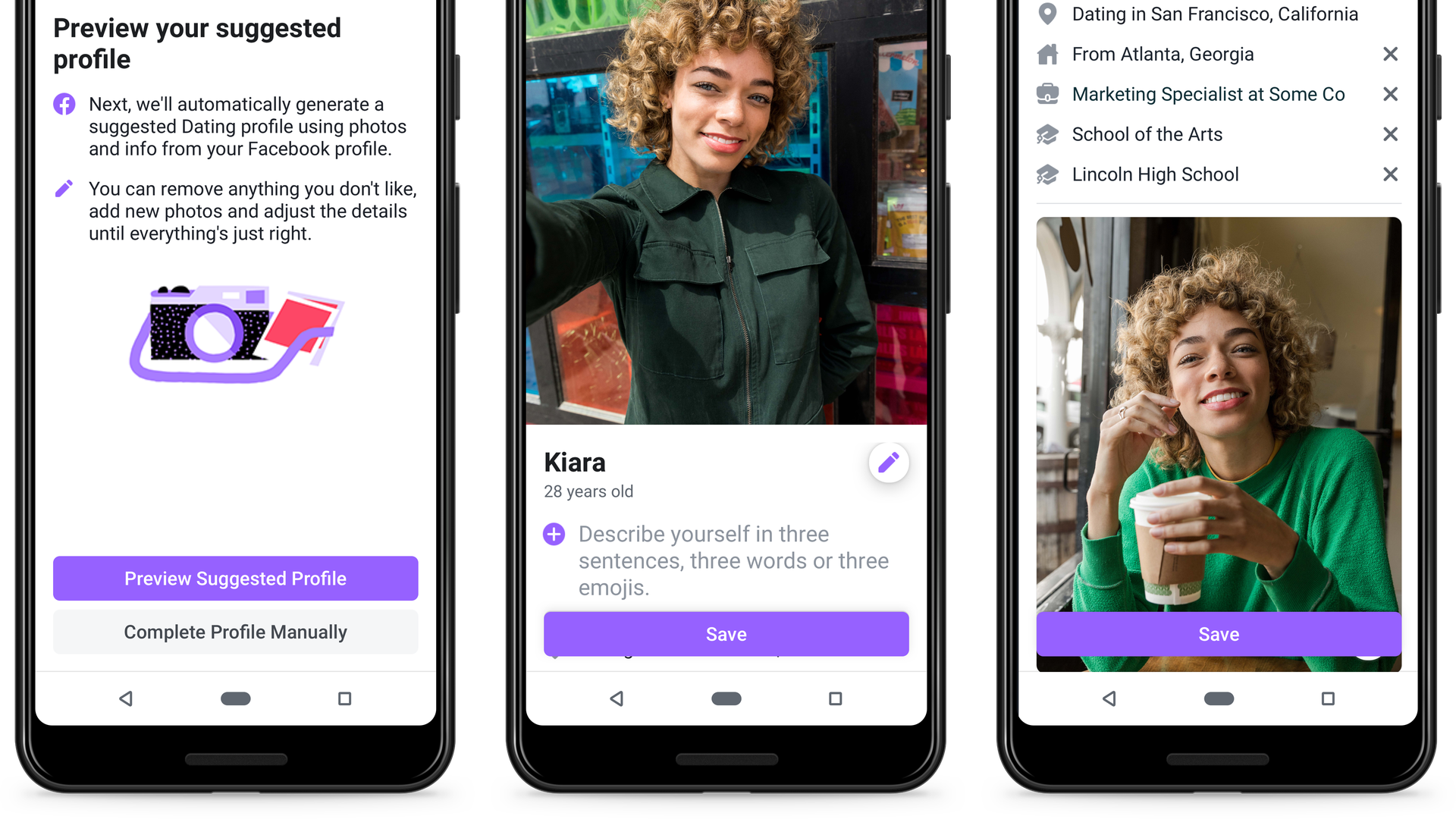
Facebook debuted Facebook Dating in the U.S. on Thursday after offering it for less than a year in some other countries. The company is also finally integrating the dating service with Instagram.
Why it matters: Facebook has 2.4 billion users around the world and is hoping a dating service will keep them around longer.
YouTube says it's making 4 major changes to its policies, after settling with the Federal Trade Commission for $170 million for violating children's privacy laws.
Why it matters: The changes announced by the video giant shows that it's taking the problem of preventing further violations somewhat seriously, even if children's privacy advocates argue that the fine didn't go far enough.
Samsung said Wednesday night that the delayed $2,000 Galaxy Fold will go on sale in Korea on Friday and be available in the U.S. "in the coming weeks." Samsung had promised in July that the phone would ship this month, following design changes.
Why it matters: Samsung and other phone makers are hoping foldable will usher in a new era for the smartphone market, but so far things have gotten off to a rocky start.
A database of more than 419 million phone numbers taken from Facebook public profiles was accessible on the internet without any security, though it is now removed, reports TechCrunch.
The big picture: The database appears to have been compiled by an unknown group, taking advantage of users that kept their phone numbers in public profiles. Facebook stopped including phone numbers in public profiles last year.
For struggling golfers out there, take heart: Nissan has an autonomous golf ball that will let you sink that 60-foot putt every time, according to Golf.com.
HUD recently proposed a rule that would protect financial institutions from liability for using algorithms to make lending decisions, as long as the technology used was produced or distributed by a recognized company.
Why it matters: AI can inadvertently rely on characteristics that include or are correlated with race, gender and socio-economic class, so under the proposed rule, financial institutions could make illegal determinations and hide behind an AI product.
Facebook on Tuesday announced a new policy for gaining user consent to apply facial recognition to photos on the service, while also expanding its use of the technology.
The big picture: The feature was initially only used to help suggest possible friends to tag in a photo, but Facebook says that, with users' permission, it will now also use face recognition to help prevent people from using your photos fraudulently.
Google will pay $170 million to settle a Federal Trade Commission complaint that its YouTube subsidiary illegally collected children's personal information, the agency announced Wednesday morning.
The big picture: The FTC touted the settlement, details of which had circulated widely last week, as a record-breaking penalty that would shape YouTube's future behavior. But critics — including the FTC's two Democratic commissioners — argued that both the size of the fine and accompanying new restrictions on the company's behavior don't go far enough to protect the public.








/2019/09/03/1567543171985.gif?w=3840)


/2019/09/04/1567567191538.gif?w=3840)