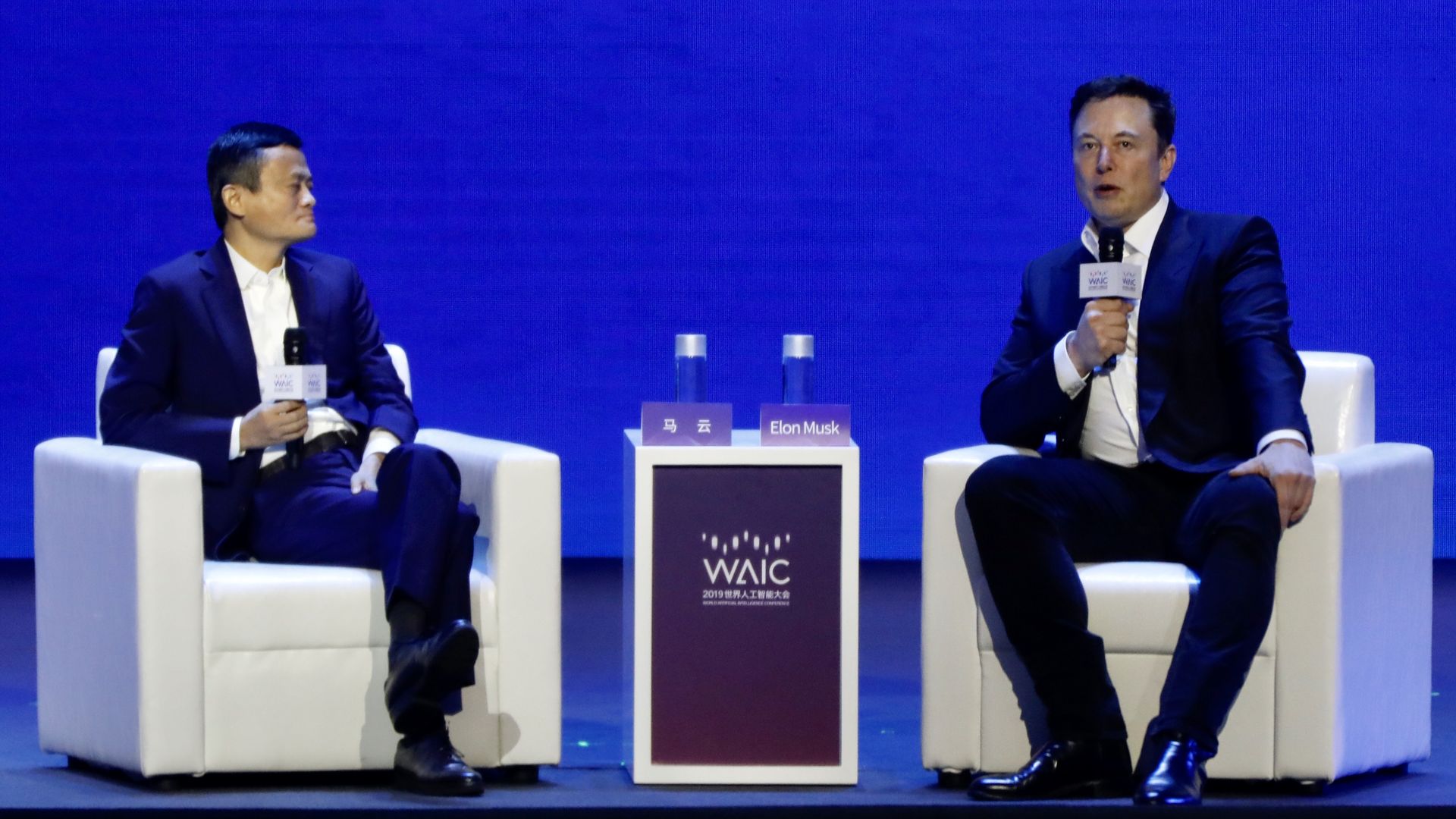
An anonymous user or users posted racial slurs targeting African Americans and promoted Nazi Germany on Twitter CEO Jack Dorsey's hacked account Friday afternoon.
Why it matters: This raises concerns about the account security of other noteworthy figures, including presidents and prime ministers.
Google has agreed to pay a $150-$200 million fine to the Federal Trade Commission for violating children's online privacy laws via its video platform YouTube, Politico reports.
Our thought bubble: It's a small fine given how much backlash YouTube has experienced over the past year for not adequately policing content and advertising on its platform that is aimed at children.
Last week, I drove from Detroit to Columbus, Ohio, in a 2020 Kia Telluride, the Korean carmaker's first vehicle designed specifically for U.S. customers, and boy, did they nail it.
Why it matters: Kia has come a long way in terms of quality and customer satisfaction. The new Telluride, its largest vehicle ever, checks all the boxes: bold styling, smooth handling, a sharp interior and appealing technology.
Threat level: Project Zero alerted Apple in February to attacks they found, and Apple patched the security flaws fueling the atttacks that month. If you use the most current version of the operating system, you are protected from these attacks, and the surveillance software only survived until a victim restarted their phone.
Google Ventures' significant #MeToo problems are coming to light after years of hiding in plain sight, following allegations against David Drummond, the chief legal officer of parent company Alphabet.
Driving the news: Earlier this week Jennifer Blakely published a Medium post that not only detailed her volatile relationship with Drummond but also alleged that he had affairs with at least two other Alphabet/Google employees.
A slew of Chinese-inspired smartphone apps and products are flourishing in the U.S., adding new Chinese influences to American culture and business just as the trade conflict between the two countries intensifies.
Why it matters: U.S. tech giants that once inspired Chinese products in the era of PCs and the web are now borrowing moves from East Asian counterparts, mimicking their smartphone apps and innovations, as a recent in-depth China Internet Report by the South China Morning Post documents.
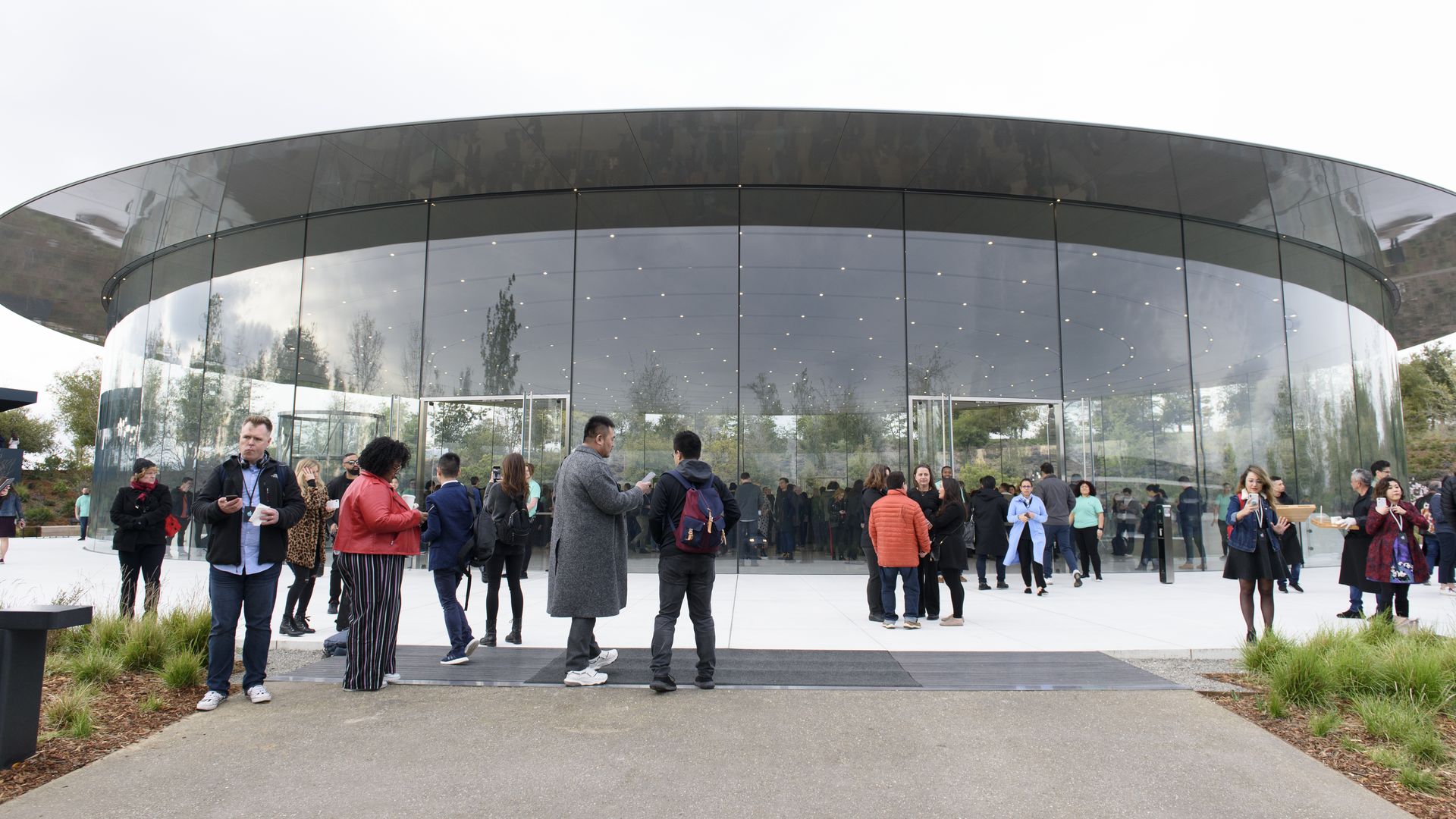
Apple is expected to introduce a new crop of iPhones at a media event it has just scheduled for Sept. 10.
"By innovation only,” reads the scant text in this year's invite for the event, which will take place in the Steve Jobs Theater at Apple headquarters.
Why it matters: Both Apple and the broader smartphone market have seen growth slow, adding importance to whatever Apple has in store for this year's model. Reports suggest additional cameras could be among the key selling points.
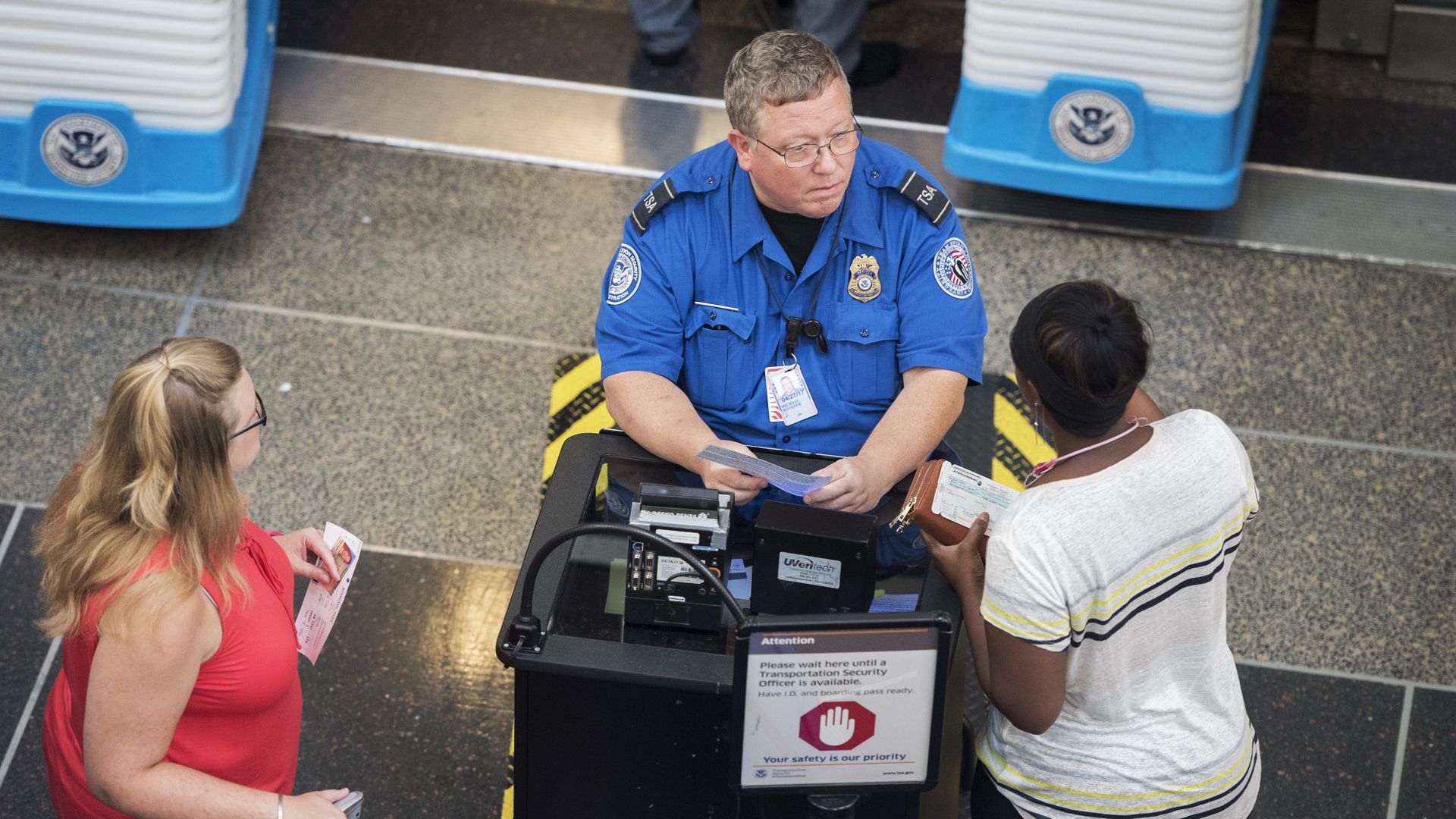
The Transportation Security Administration is preparing to launch its 4th round of facial recognition testing at Las Vegas' McCarran International Airport, as part of the agency's multi-year plan to pilot using passengers' biometric data at security checkpoints.
The big picture: The federal government sees the tests as an effort to boost the efficiency and effectiveness of airport screening. But some privacy and surveillance analysts at the ACLU and the Project on Government Oversight (POGO), a nonprofit watchdog organization, raise concerns that the technology could ultimately turn airports into police checkpoints.
Alibaba Group chairman Jack Ma told the World Artificial Intelligence Conference in Shanghai Thursday that artificial intelligence should enable people to work 4 hours a day, 3 days a week, Bloomberg reports.
Why it matters: It's a remarkable demonstration of Ma's faith in AI, given he's endorsed the Chinese tech sector's standard "996" schedule, which consists of a 72-hour workweek: 9am to 9pm, 6 days a week.

/2019/08/30/1567191908809.gif?w=3840)