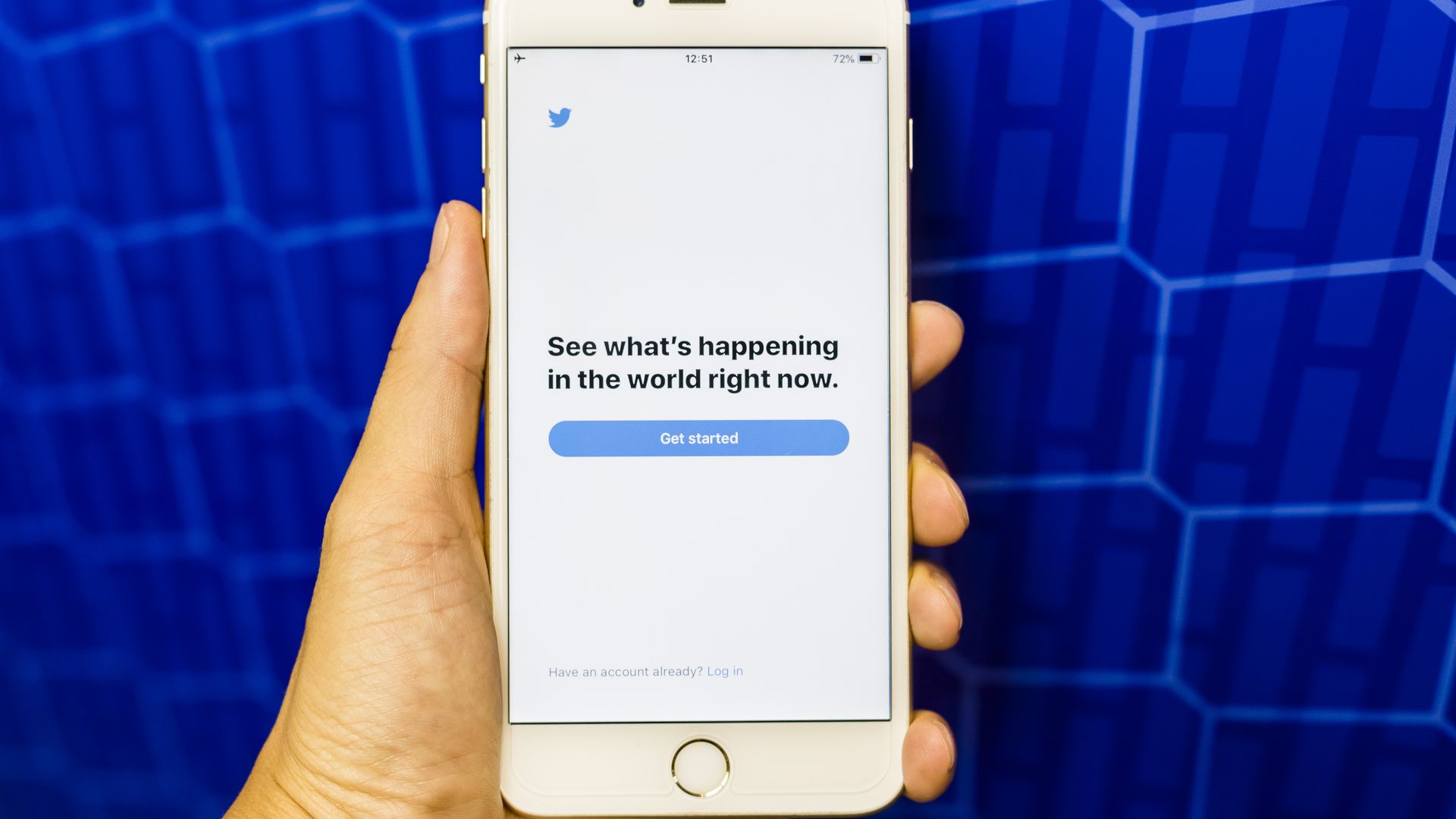
Following the backlash of fake news and Russia's manipulation of social media during the 2016 presidential election, Twitter has been suspending more than 1 million accounts per day in recent months in an effort to combat the spread of false information, the Washington Post reports.
The big picture: The rate of suspension has doubled since October — around the time that Twitter first testified on the Hill along with representatives from Facebook and Google. More than 70 million accounts were suspended in May and June.
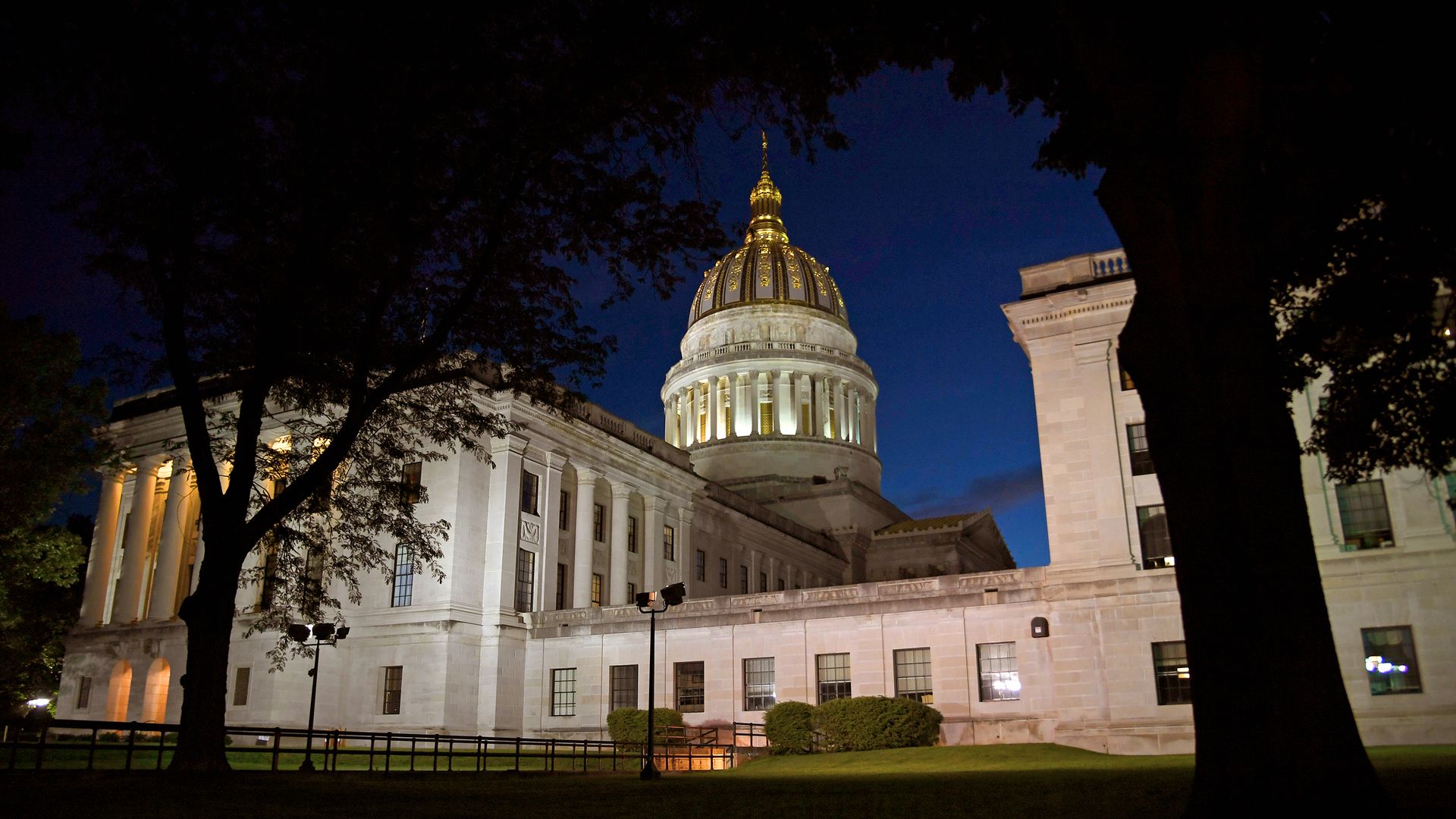
As local news organizations shrink and misinformation can spread quickly on social media, local governments are turning to technology to fill the information gap and restore trust.
The big picture: State and local governments enjoy more trust than the federal government, but citizens are still skeptical of decisions made by local leaders. While some local officials are trying to release more data to the public, there's still a need for a disinterested party to ensure the story presented by the government is complete and accurate.
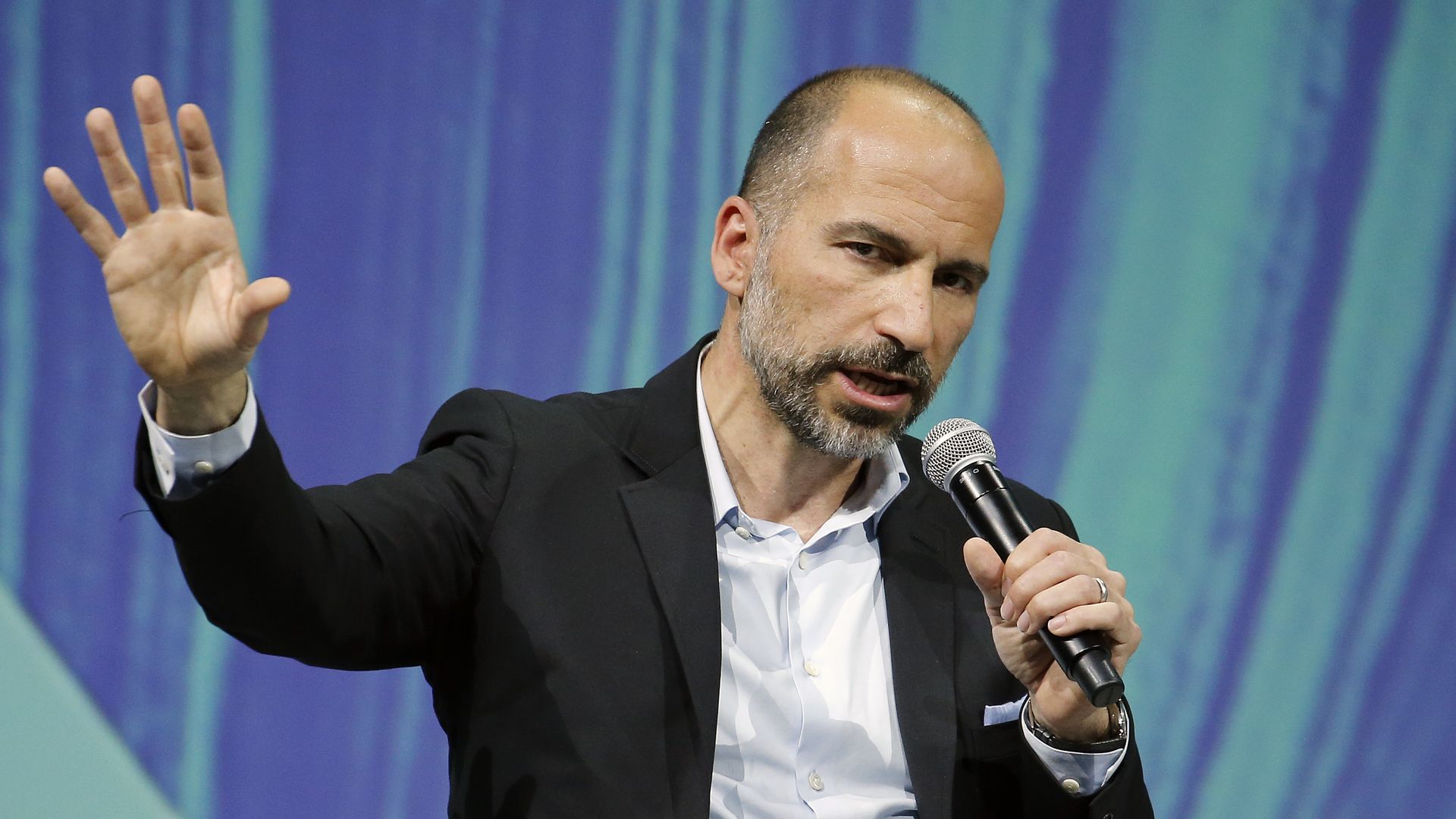
Uber and Lyft each held talks to acquire Skedaddle, a startup that creates group bus rides by matching customers headed in the same direction, Axios has learned.
Lyft says it's currently "not in discussions to acquire Skedaddle," and it's unclear if conversations with Uber remain active. Both Skedaddle and Uber declined comment.
Why it matters: Ride-hailing companies have long touted carpooling, and a service like Skedaddle could help them tackle the "groups" category (e.g., charter buses to sporting events).
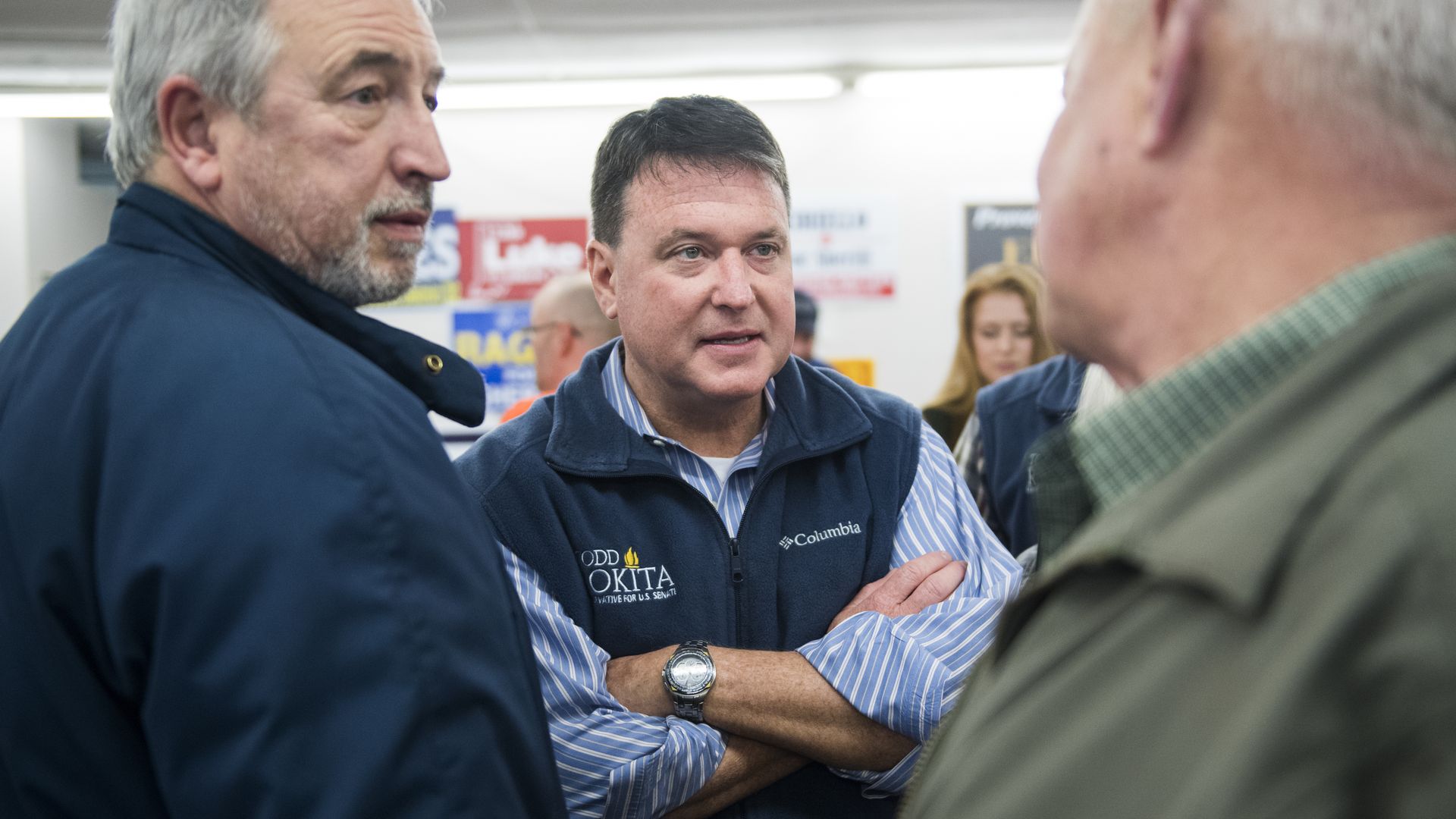
Rep. Todd Rokita (R-Ind.) said in a Thursday letter to top antitrust regulators that the Federal Trade Commission and the Justice Department should probe Google's market dominance.
Why it matters: The FTC decided not to pursue an antitrust case against the search giant in 2013, a major win for the company. But since then, the climate has soured for major tech companies in Washington. "It is time for your agencies to reopen reviews of Google to ensure that its business practices comply with the law," said Rokita in a letter to FTC Chairman Joe Simons and top DOJ antitrust lawyer Makan Delrahim.
"How Smart TVs in Millions of U.S. Homes Track More Than What’s on Tonight," by N.Y. Times' Sapna Maheshwari: "[D]ata companies have harnessed new technology to immediately identify what people are watching on internet-connected TVs, then using that information to send targeted advertisements to other devices in their homes."
Why it matters: "Samba TV[, one of those data companies,] has even offered advertisers the ability to base their targeting on whether people watch conservative or liberal media outlets and which party’s presidential debate[s] they watched."