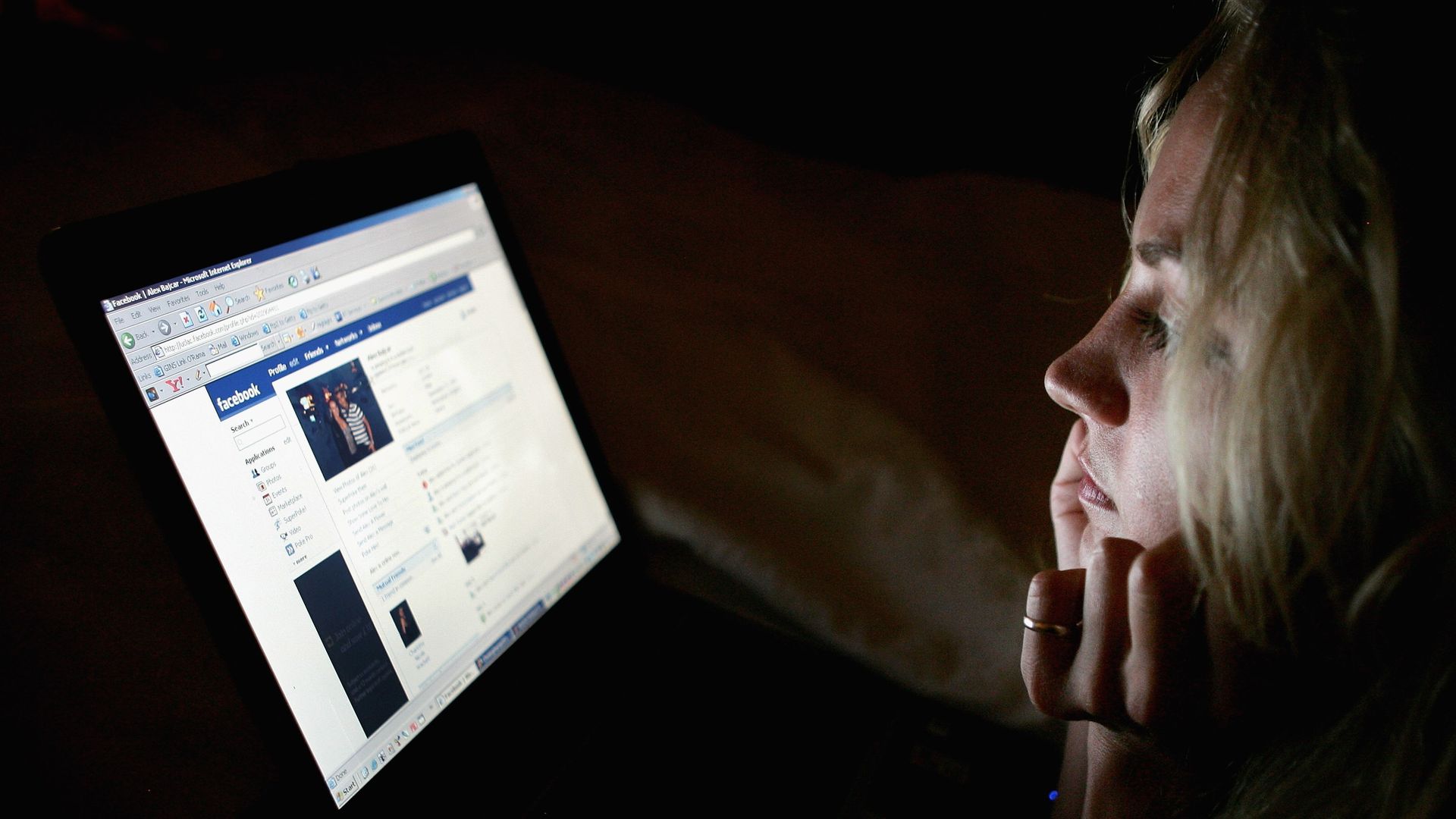
Big Tech is being challenged by a new strain of thought: that it should pay people for their data. The current arrangement — data for free search and friendship services — is insufficient, the new thinking goes.
Why it matters: If adopted, the argument — pressed by tech thinkers, economists and a new book — could erode billions of dollars of profit from companies like Google and Facebook, along with China's Alibaba and Tencent. Meanwhile, an undetermined amount of money, though probably just a few dollars to start, would go into the pockets of ordinary people around the world.
In a turn away from vision, a team at MIT has created a feline robot that attempts to better approximate how humans and animals actually move, navigating stairs and uneven surfaces guided only by sensors on its feet.
Why it matters: Many ambulatory robots rely on substantial recent improvements in computer-vision, like advanced cameras and lidar. But robots will be more nimble and more practically interact with humans with the addition of "blind" vision — a sixth sense of feeling that most living things have for their surroundings.

For two years, historians, economists and others have pondered whether western leaders, facing a growing populist challenge, must prepare for an even greater temblor resembling the French Revolution or 1930s fascism.
The big picture: In a new paper in the Oxford Review of Economist Policy, U.K. economist Carl Frey and two co-authors argue that the 2016 U.S. presidential election — and the effects of industrial automation during the decades before — may be a signal of worse to come.
Internet giants are letting software app developers scan through their email users’ inboxes when they’ve signed up for email-based services such as shopping price comparison services, WSJ reports.
Why it matters: The common practice is supposed to make software algorithms better so they can function better for users — but the users don’t appear to be made aware their emails are being read or asked if they would sign off on that in the first place. And companies that have said they’re not using this practice anymore still are.
The New York City Taxi and Limousine commission is making its latest attempt to legislate a minimum wage for ride-hailing app drivers, reports the New York Times.
Between the lines: New York is one of many cities considering regulations to better the lives of ride hailing drivers after an MIT study determined that Uber and Lyft drivers are making a profit of $3.37 per hour. Drivers fear they aren't making enough to support themselves.
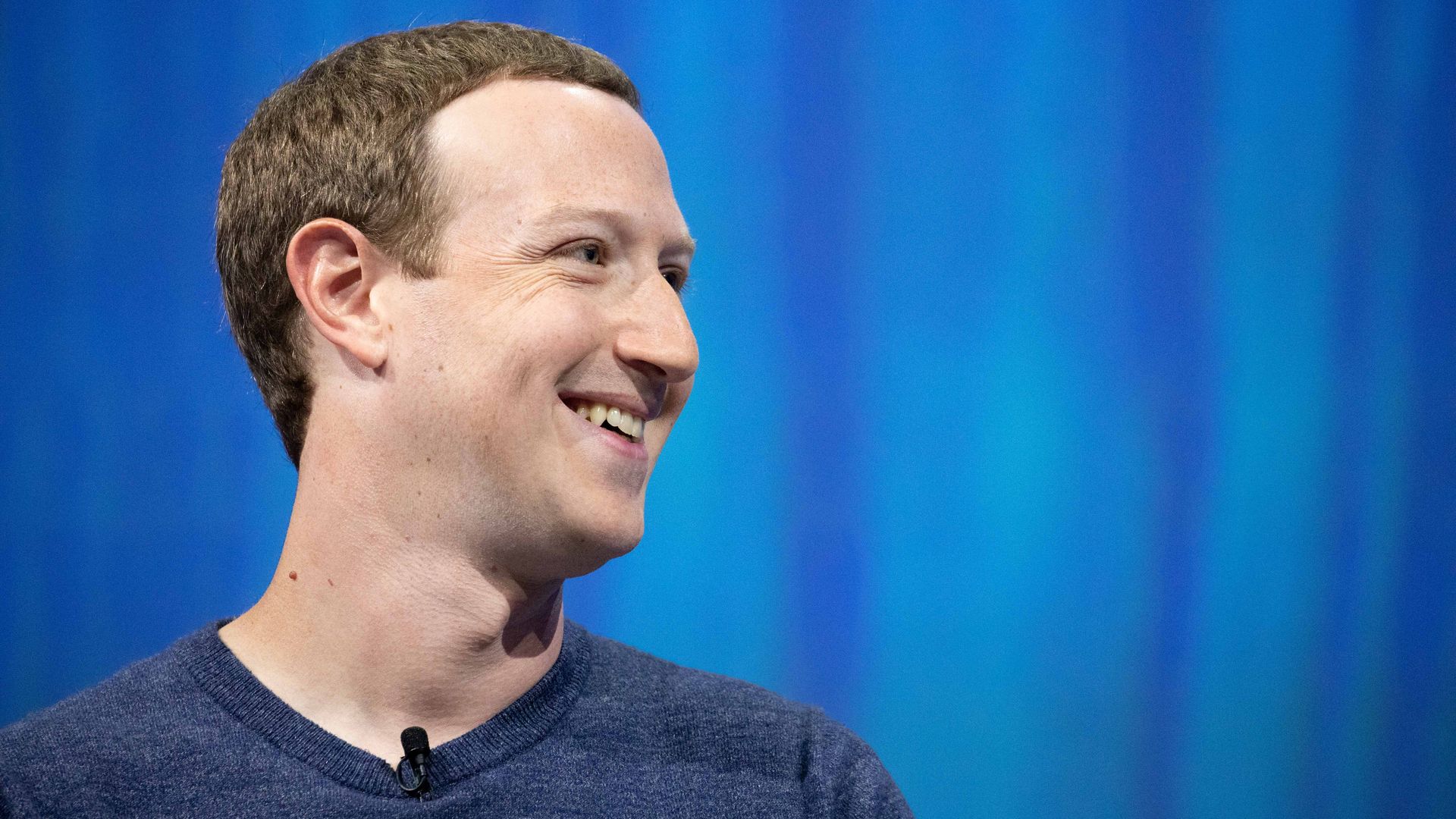
Facebook CEO Mark Zuckerberg surpassed Warren Buffett to become the world's third-wealthiest person, Bloomberg reports.
The big picture: This marks the first time that the top three richest people in the world — Zuckerberg, Amazon's Jeff Bezos, and Microsoft's Bill Gates — made their fortunes from technology. Zuckerberg is worth $81.6 billion, per Bloomberg. Buffett is reportedly falling in the ranks "thanks to his charitable giving."