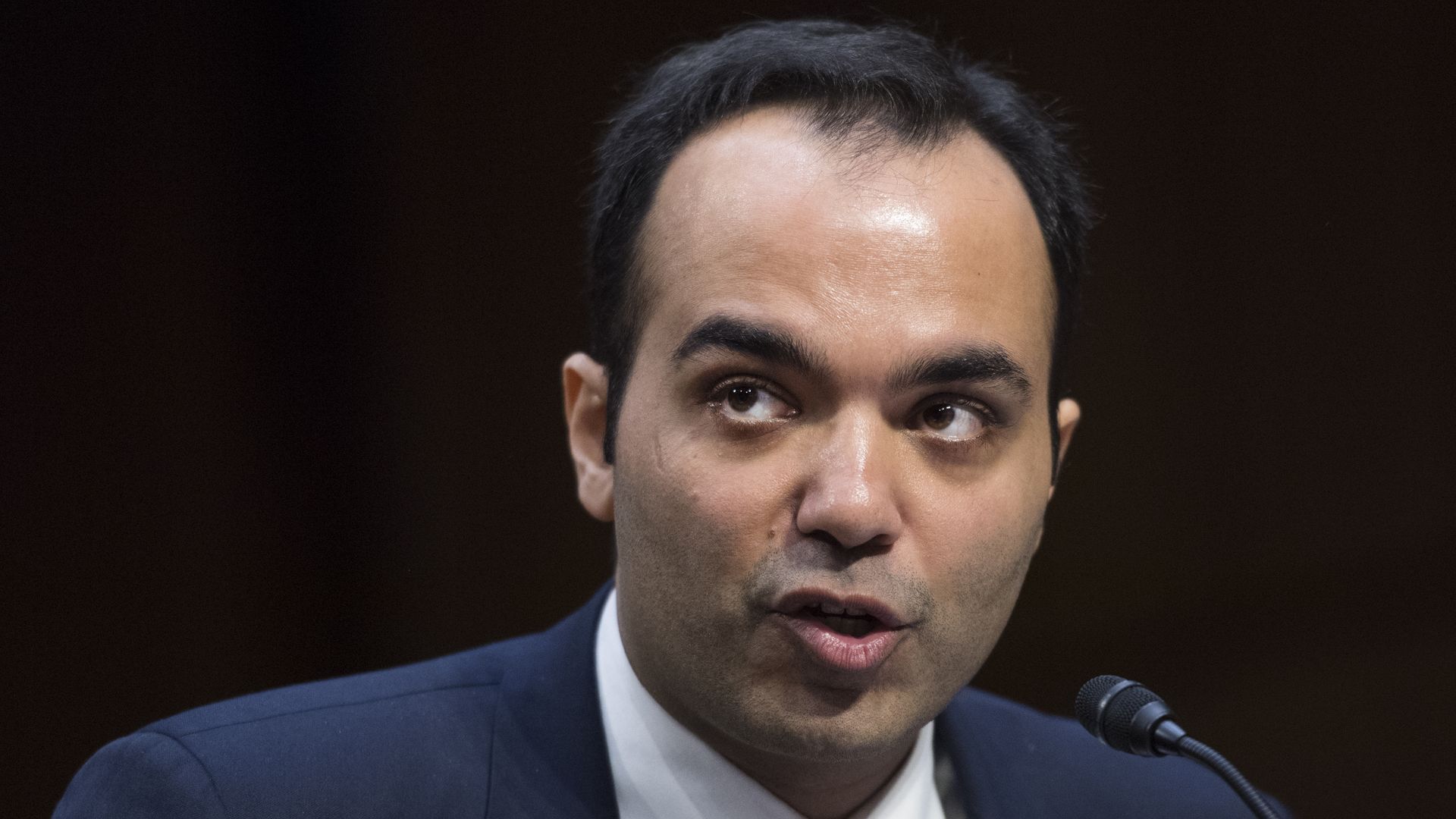
Democratic Federal Trade Commission member Rohit Chopra said Monday he'd hired lawyer Lina Khan to serve in his office as a fellow for "the next few months."
Why it matters: Khan is the author of an influential law review note building the antitrust case against Amazon. She is teaming up with one of the FTC's minority commissioners as the agency takes a closer look at questions about tech platforms.
Twitter's chief financial officer says that most of the more than 70 million accounts the platform suspended in May and June are already excluded from its reported metrics, "as they have not been active on the platform for 30 days or more, or we catch them at sign up and they are never counted."
Why it matters: The news of mass account suspensions, first reported by The Washington Post, sparked rumors that Twitter would see a decline in monthly users for the second quarter. This is Twitter's way of reassuring investors that its user numbers will not plummet.
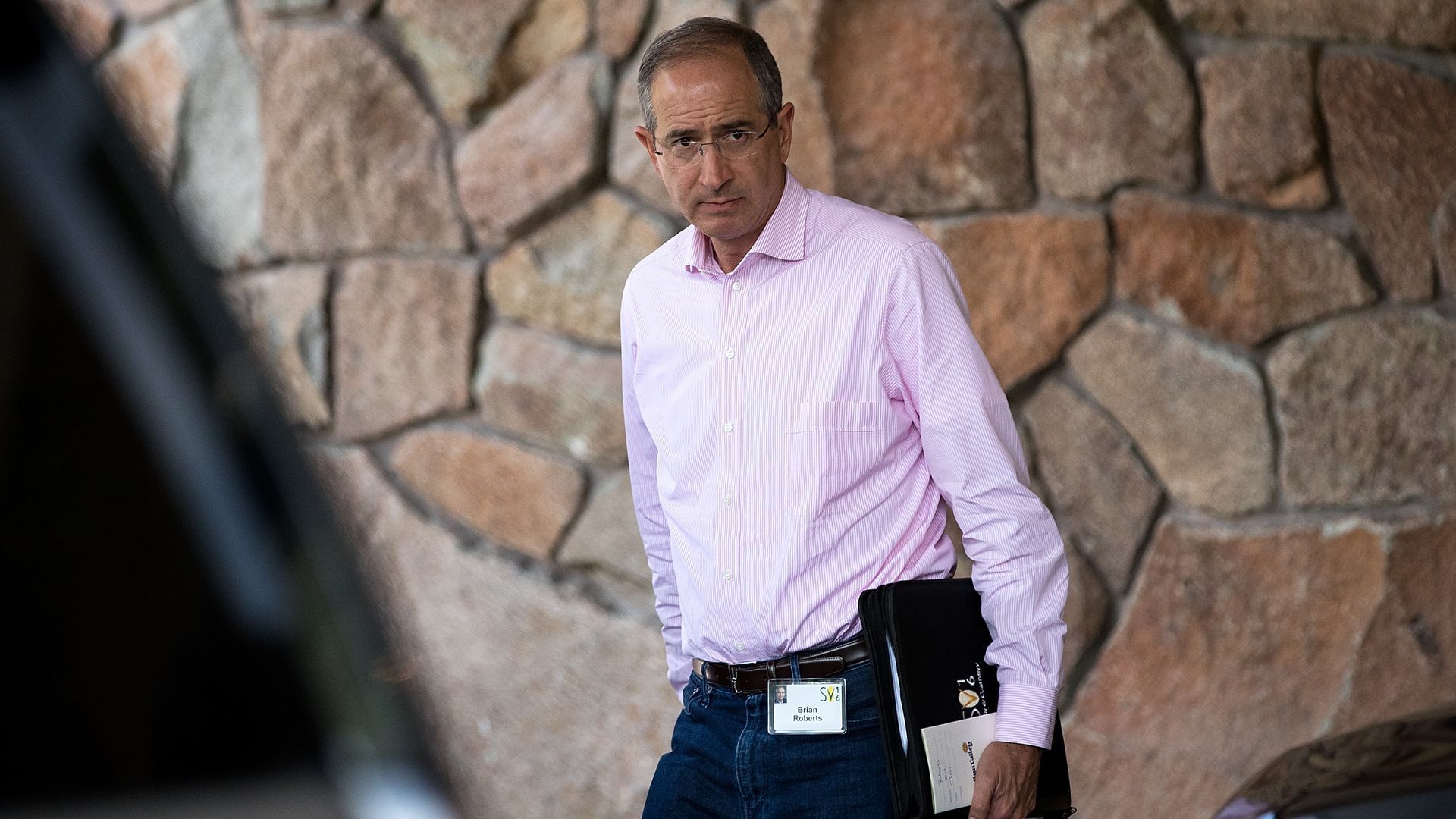
Comcast is lining up buyers for 21st Century Fox's regional sports networks (RSNs) in order to ease Fox shareholders' concerns about whether the telecom giant would get the necessary regulatory approval to acquire Fox's entertainment assets, Reuters reports.
Why it matters: It's likely that Comcast is looking to increase its $65 billion bid for Fox's properties to beat Disney's $71 billion counter-offer. Disney has already struck a deal with the Justice Department to divest Fox's RSNs, which earned approval a few weeks ago.
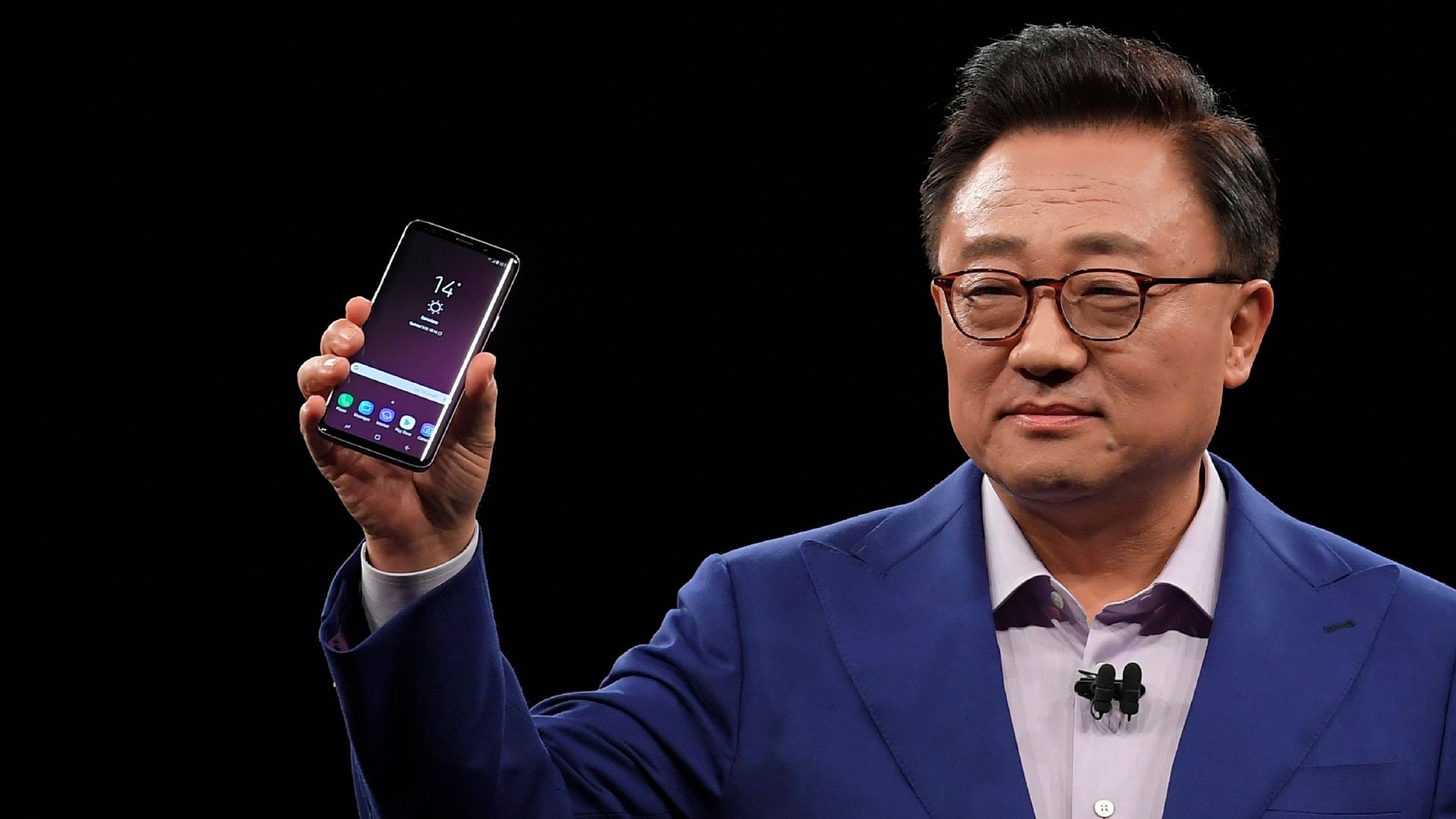
Samsung has opened the “world’s largest mobile factory” in Noida, Uttar Pradesh, India on Monday, veering away from Chinese investment, the company announced in a press release Monday.
The details: The South Korean giant will nearly double capacity for cell phones from 68 million a year to 120 million. Expansion is expected to be completed by 2020.
HBO was the prize horse in the stable of media properties AT&T acquired in its recent purchase of Time Warner. Now, according to audio leaked to the New York Times, AT&T wants its thoroughbred to run faster and harder, all in the name of making even more money.
Why it matters: For all the wrangling over the government's antitrust suit that tried to block the AT&T/Time Warner merger, it's still a big open question whether a buttoned-up telecom company can take the reins of a legendary content producer like HBO without squandering its cultural cachet.
Big Tech is being challenged by a new strain of thought: that it should pay people for their data. The current arrangement — data for free search and friendship services — is insufficient, the new thinking goes.
Why it matters: If adopted, the argument — pressed by tech thinkers, economists and a new book — could erode billions of dollars of profit from companies like Google and Facebook, along with China's Alibaba and Tencent. Meanwhile, an undetermined amount of money, though probably just a few dollars to start, would go into the pockets of ordinary people around the world.
In a turn away from vision, a team at MIT has created a feline robot that attempts to better approximate how humans and animals actually move, navigating stairs and uneven surfaces guided only by sensors on its feet.
Why it matters: Many ambulatory robots rely on substantial recent improvements in computer-vision, like advanced cameras and lidar. But robots will be more nimble and more practically interact with humans with the addition of "blind" vision — a sixth sense of feeling that most living things have for their surroundings.
For two years, historians, economists and others have pondered whether western leaders, facing a growing populist challenge, must prepare for an even greater temblor resembling the French Revolution or 1930s fascism.
The big picture: In a new paper in the Oxford Review of Economist Policy, U.K. economist Carl Frey and two co-authors argue that the 2016 U.S. presidential election — and the effects of industrial automation during the decades before — may be a signal of worse to come.
Internet giants are letting software app developers scan through their email users’ inboxes when they’ve signed up for email-based services such as shopping price comparison services, WSJ reports.
Why it matters: The common practice is supposed to make software algorithms better so they can function better for users — but the users don’t appear to be made aware their emails are being read or asked if they would sign off on that in the first place. And companies that have said they’re not using this practice anymore still are.