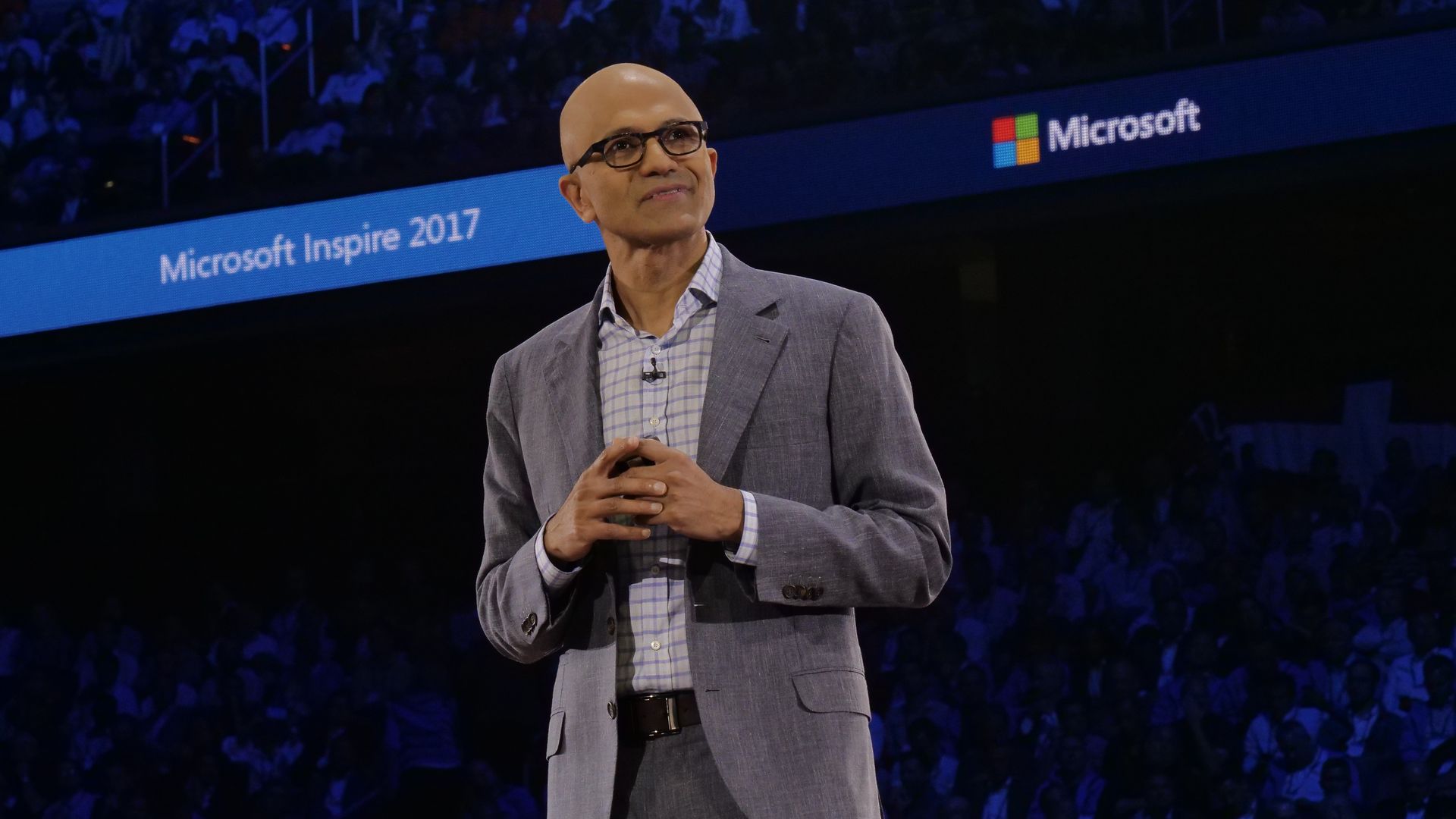
Microsoft said Monday it is "dismayed" by the Trump administration's moves to forcibly separate children from their parents at the border and called on the administration to change its policy and Congress to pass legislation barring such policies.
Why it matters: Microsoft has come under fire for boasting of its role as a supplier to the Homeland Security Department and, in particular, ICE.
A British privacy watchdog is preparing to mount a legal challenge to the use of AI-based facial recognition technology in the U.K.
Why it matters: Law enforcement around the world is increasingly using real-time facial recognition. The technology is already widespread in China and is used by some police departments in the U.S.
The Supreme Court has agreed to hear arguments on an antitrust case alleging that Apple created a monopoly with its App Store, which makes Apple the exclusive distributor of apps for the iPhone and takes a cut of app sale prices.
Bottom line: If Apple is found guilty of engaging in monopolistic behavior in what it charges developers to carry their apps in its App Store, Apple could be forced to pay out hundreds of millions of dollars to consumers purchasing the apps.
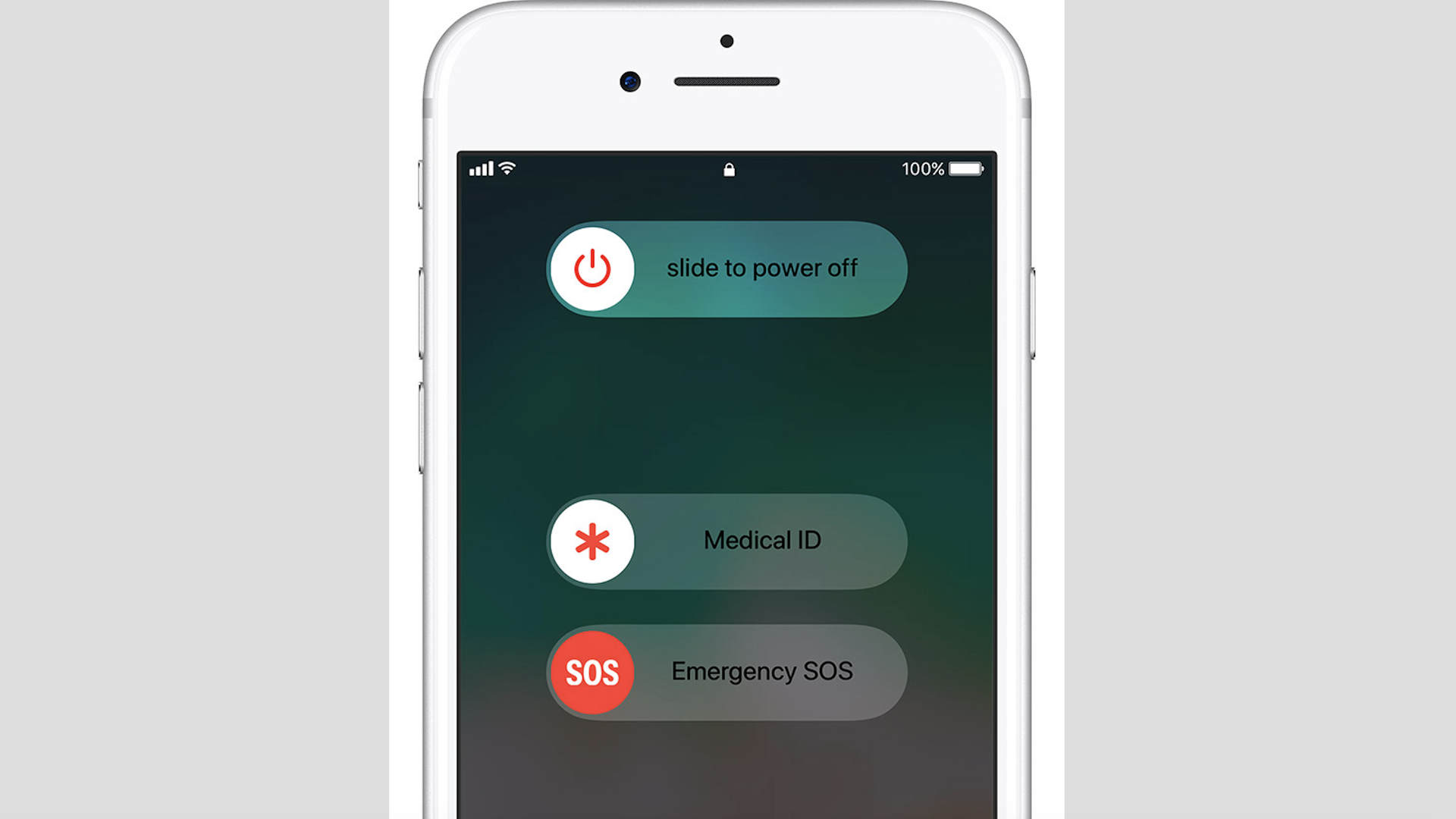
With the next release of iOS, Apple plans to automatically share detailed location information with 911 providers.
Why it matters: Roughly 80% of 911 calls in the US are made from a mobile phone, but the system was built for an era of voice calls over landlines. Sharing accurate location info is one small step in modernizing an outdated system.
A year of Facebook missteps has allowed Snap to marry lessons from the social network giant with its own fundamental approaches to privacy and data collection.
Why it matters: With increased scrutiny of social media companies' practices when it comes to user privacy, Snap can gain an edge by cultivating an image of deep concern for this issue — but it will also have to show it's learned from its own early mistakes.