A representative from Massachusetts' Attorney General office railed against two proposed national breach notification standards that would weaken her state's breach notification laws.
Why it matters: In the wake of the Equifax breach, legislators had a newfound energy to pass a national standard to determine when corporations need to contact customers after personal data is breached by hackers or accidentally compromised by employees. It never looked easy to pass the legislation, and Wednesday's Financial Services subcommittee underscored just that.
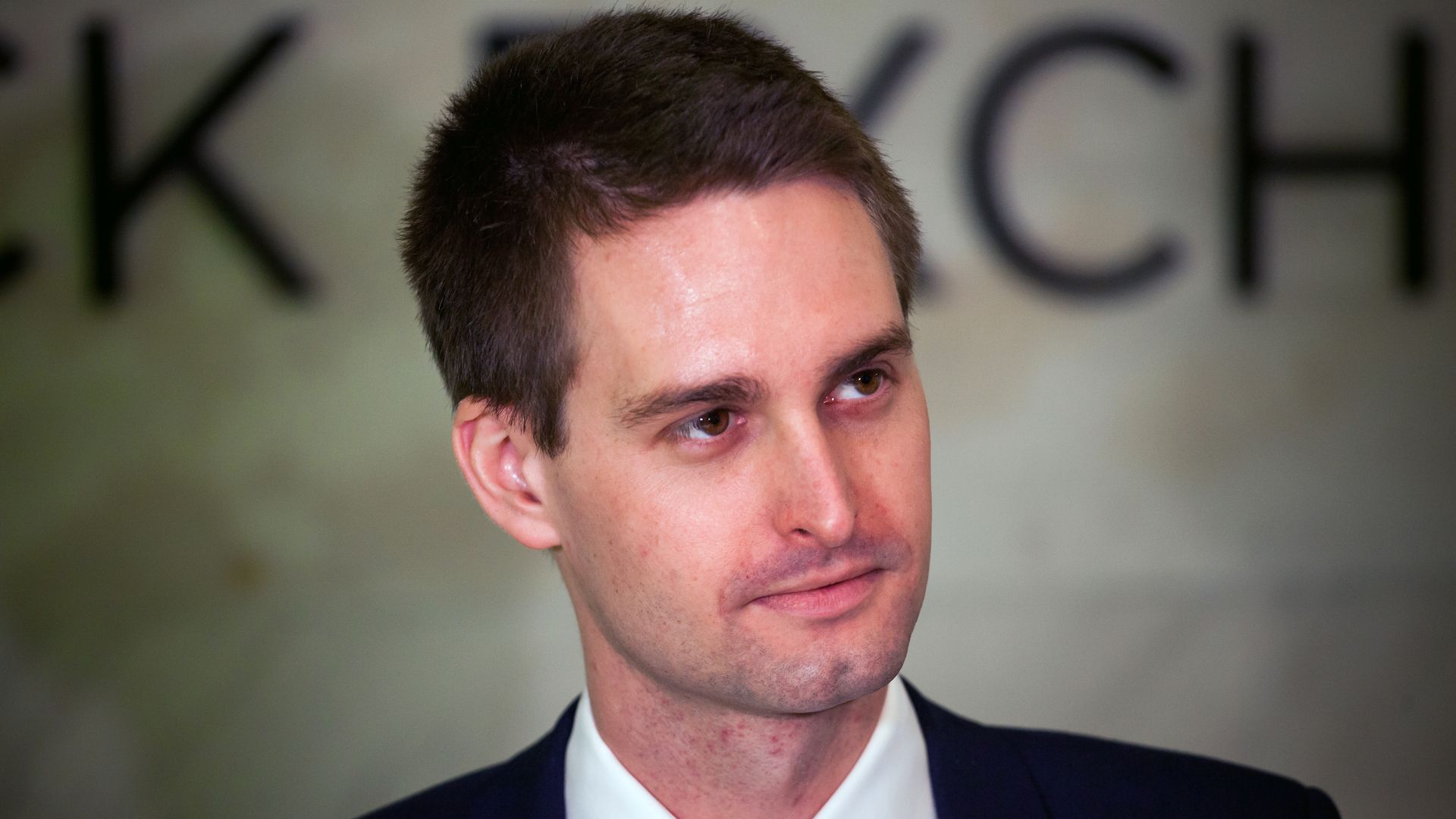
Snapchat is cutting about 10% of its engineering team, or roughly 100 people, Cheddar's Alex Heath reports.
Why it matters: The company has experienced much smaller rounds of layoffs within the last few months. These layoffs, which follow closely behind a major redesign of the company's app, would be the largest to date for the roughly 3,000-person company.
1-800 Flowers CEO Chris McCann believes that the future of retail success involves using technologies like chatbots and AI concierges to casually interact with customers. Per an interview with Yahoo Finance:
“We see a fifth wave emerging now, which we’re calling and others are calling conversational commerce."
S&P Global has agreed to acquire Kensho, a Cambridge, Mass.-based provider of AI-powered analytics for traders, for around $550 million in cash and stock.
Why it matters: This appears to be the largest-ever purchase of an AI startup, topping Google's 2014 deal for DeepMind.
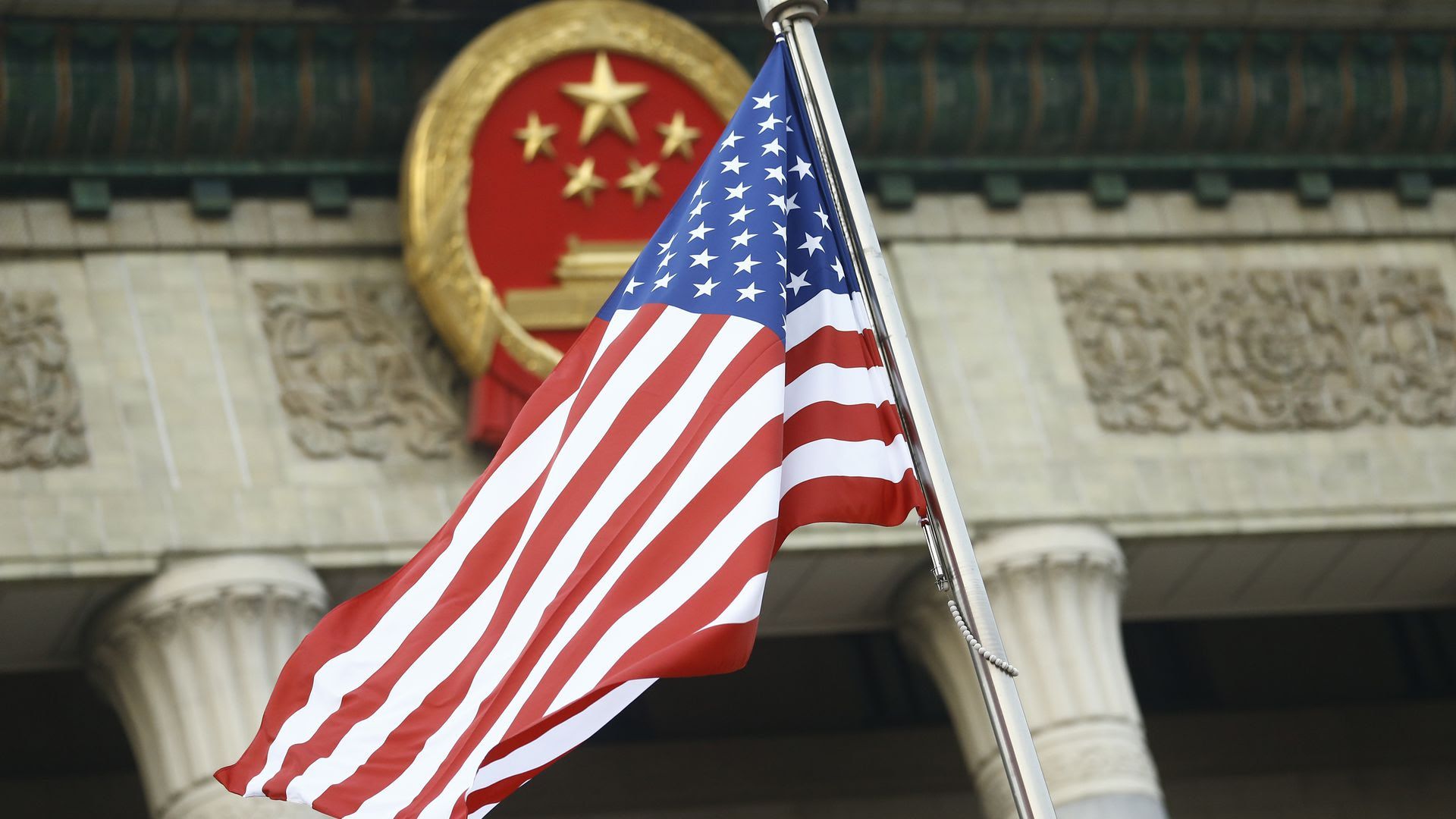
Broadcom's effort to acquire Qualcomm had already turned into a proxy battle for control of the company's board of directors. Increasingly, though, the hostile takeover bid is being seen as a proxy for a larger battle — U.S. vs China.
The latest: At Qualcomm's request, the U.S. government is looking into whether a deal would raise national security concerns. The investigating entity, known as CFIUS, ordered Qualcomm to postpone its shareholder vote, saying it wanted more time to look into a variety of concerns, including whether the deal might weaken Qualcomm's position as a leader in wireless standards-setting.
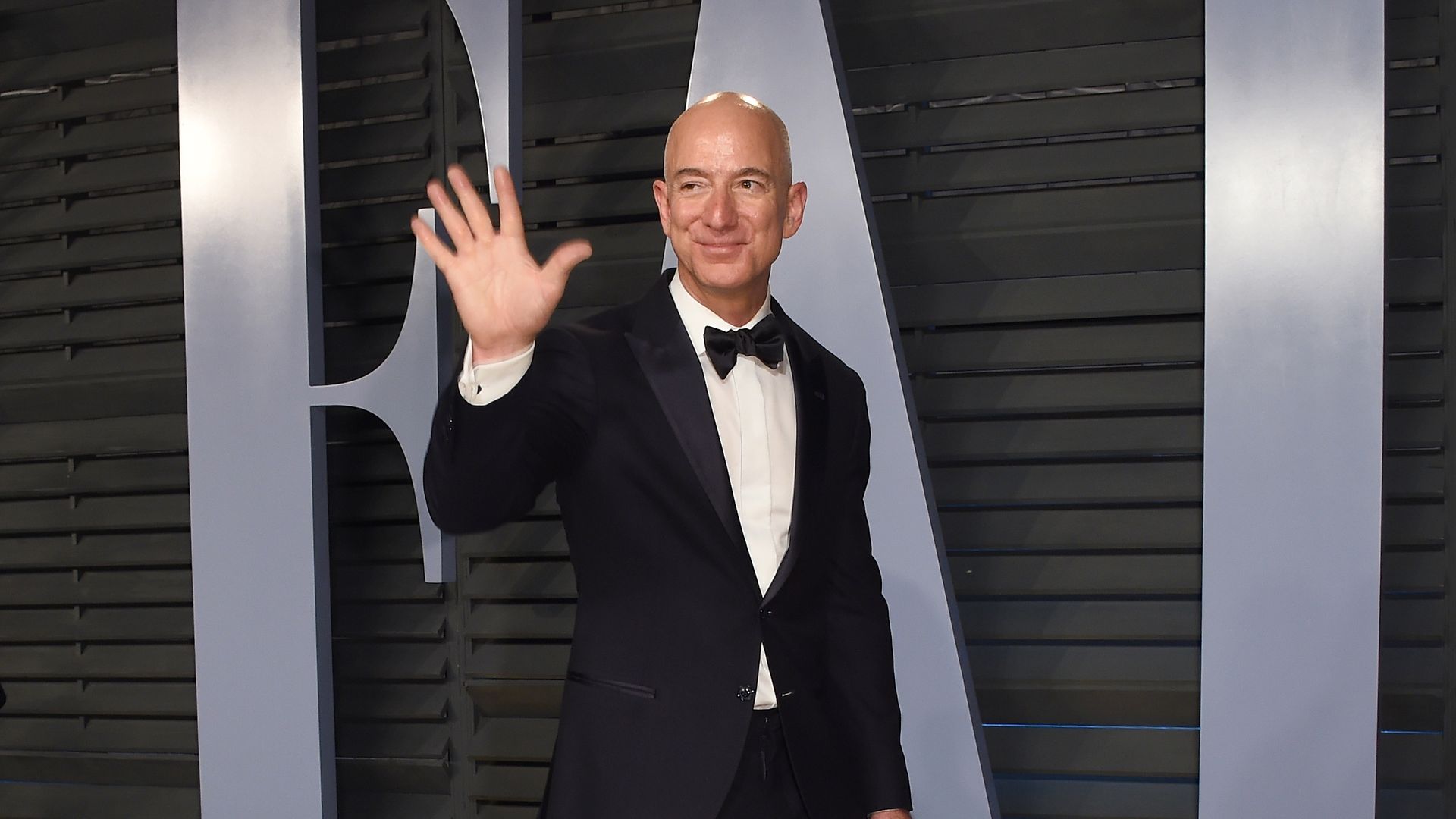
A record 2,208 billionaires made Forbes’ 32nd annual ranking of the world’s richest with centi-billionaire Jeff Bezos seizing the top spot for the first time.
President Trump's fortune stands at $3.1 billion, down $400 million from last year. He dropped to #766 from #544 last year, thanks to falling "values of Midtown Manhattan real estate and declining revenues at several Trump golf properties."
BlackBerry is suing Facebook and its subsidiaries, Instagram and WhatsApp, alleging the social network has infringed on some of its patents including security features, mobile notifications, and combining gaming with messaging.
Why it matters: BlackBerry no longer makes phones, but it's still looking to profit from patent licenses and software. This is not the first time Facebook has been sued by a fellow digital giant; in 2012, Yahoo sued Facebook, alleging it infringed on some of its advertising patents. BlackBerry, meanwhile, has also gone after Nokia and others.
Airbnb has hired Amazon Prime vice president Greg Greeley as president of its "homes" division, overseeing its core home-sharing service.
Context: Last month, the company said that it's organizing its business into four divisions (the others are Trips, Lux, and China), reflecting its growing business. Although CEO Brian Chesky made it clear that Airbnb won't be going public in 2018, it's nonetheless something it plans to do soon enough, making Greeley's hire a logical step, especially given his experience running Amazon divisions globally.
Google is expanding the reach of its keyboard app, GBoard, with the addition of 20 new languages including Chinese and Korean, TechCrunch reports. The news follows Google's announcement of integrating a Google Search extension app with iMessage.
Why it matters: The GBoard app now supports over 300 languages, and Google said it plans to add lesser-known languages that include Manx and Maori. Despite decreasing interest in separate keyboard apps, these efforts are a part of Google's marketing strategy to be more accessible to first-time mobile users around the world and in developing countries.