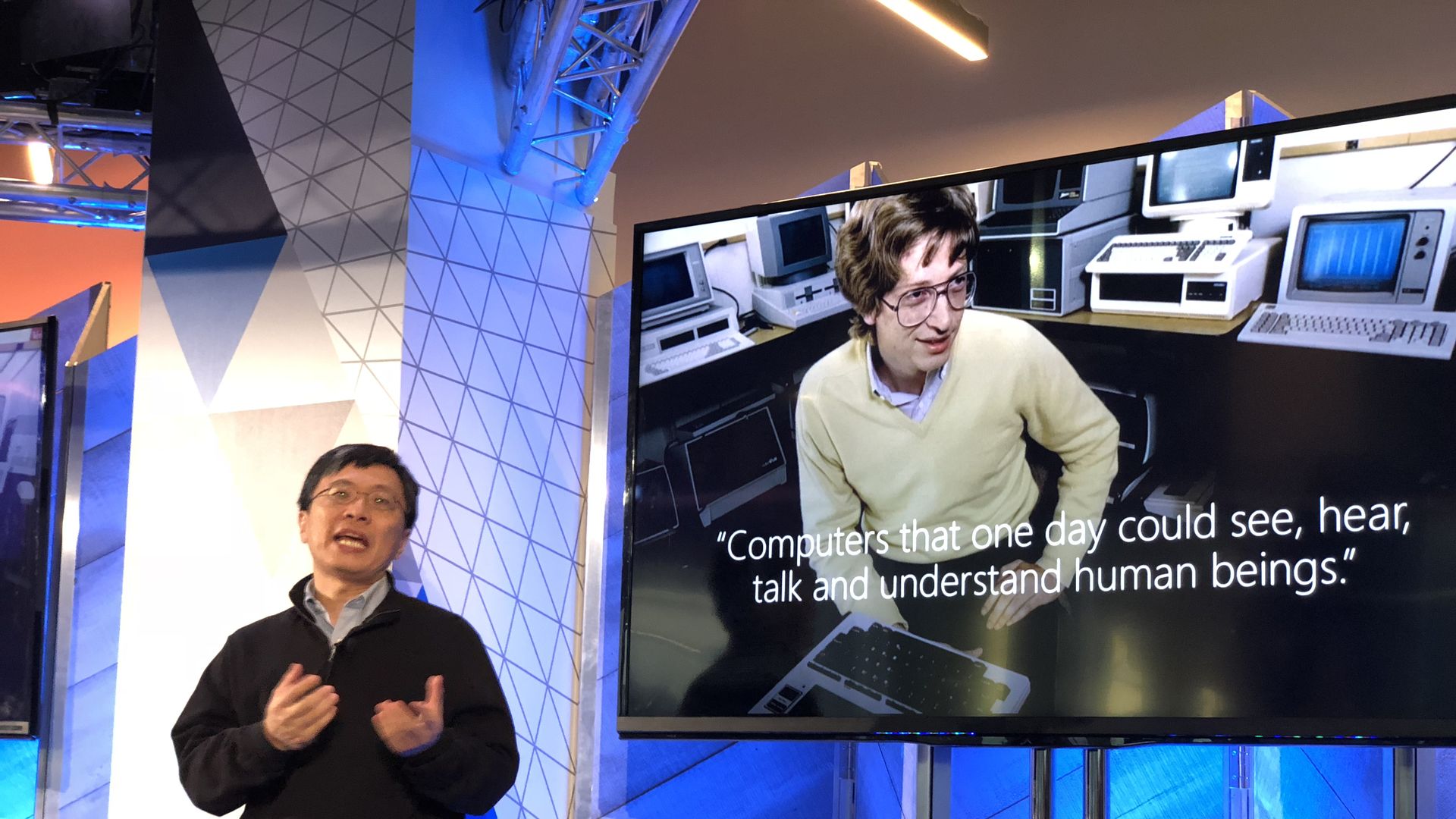
Microsoft announced a bunch of new partnerships Wednesday as it aims to show itself as a leader in the field of artificial intelligence. It's also adding a bunch of AI-powered features to its own products, including its Bing search engine along with a deep integration of content from Reddit.
Why it matters: AI is one of the hottest areas in tech and Microsoft is competing with Google, Facebook, IBM and others for talent, mindshare and deals.
In a letter to the judge overseeing Waymo's lawsuit against Uber, the Justice Department says that a former Uber employee suspected the company helped its then-CEO covertly communicate with a startup the company eventually acquired. A document detailing the employee's original concerns will be released on Friday.
Why it matters: The Justice Department's notice to the court led to a second delay to the trial between the two companies. The ex-Uber employee's concerns, which he communicated to the company back in May after being fired, were never mentioned in the case until that point, raising questions about whether the ride-hailing company was purposefully hiding.
This is also the first confirmation of a Justice Department criminal probe into Uber, beyond rumors and media reports.
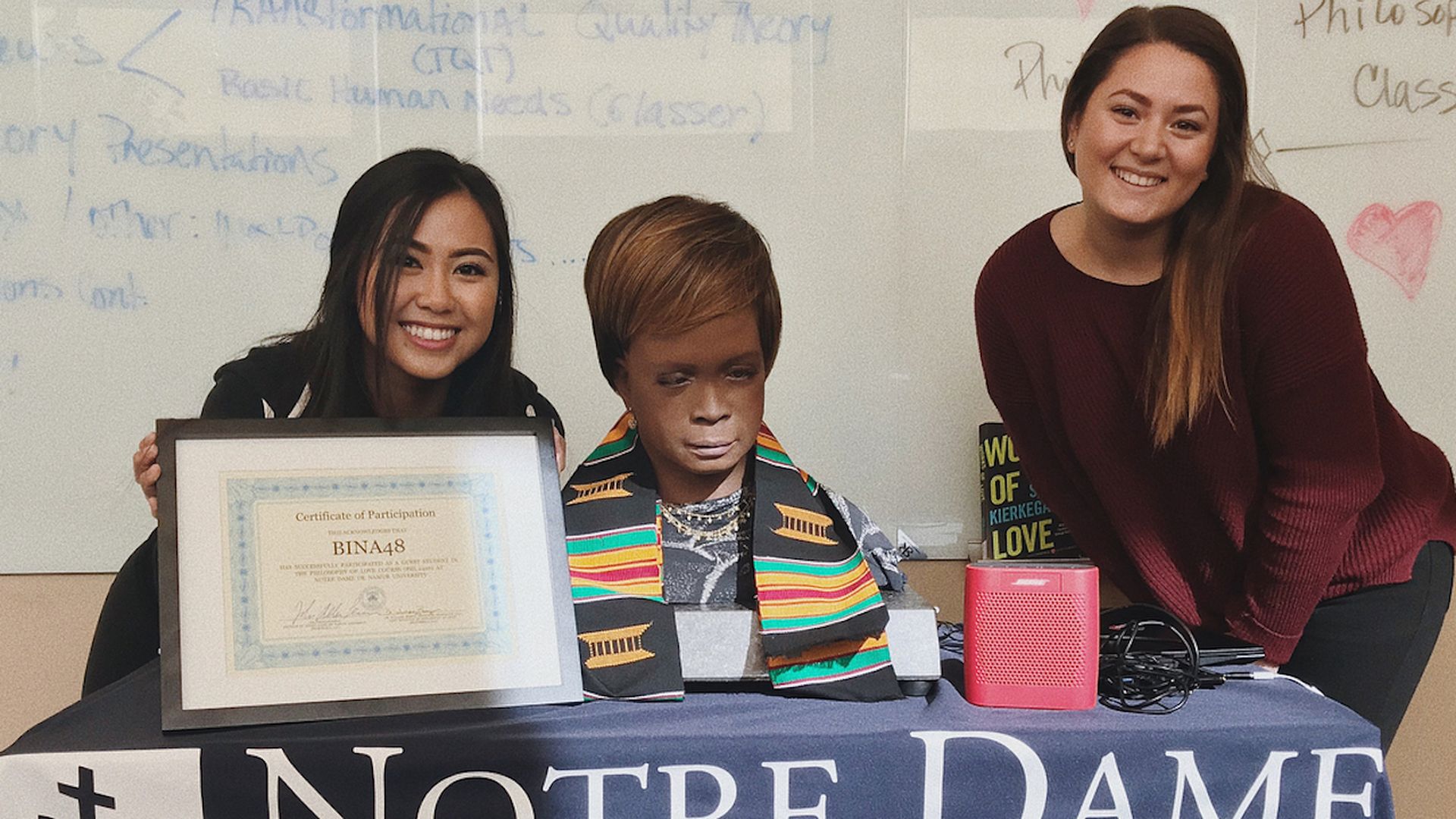
Bina48 appears to be the world's first robot college student. Along with 31 classmates, she took a 16-week course this fall in the philosophy of love, taught at Notre Dame de Namur University, in Belmont, CA, graduating with a grade of "superior quality."
Quick take: William Barry, who taught the class and worked with Bina48's artificial intelligence developers to make her ready for college rigor, says the aim was to improve the robot's ability to "communicate and build rapport with human classmates." Some students might start with apprehensions about AI, but Barry wanted Bina48 to dispel them. "We wanted to start the conversation with students not from a place of experiential fear, but as a place of opportunity," he said. "We're teaching an artificial intelligence about how we want it to help us in the flourishing of humanity."
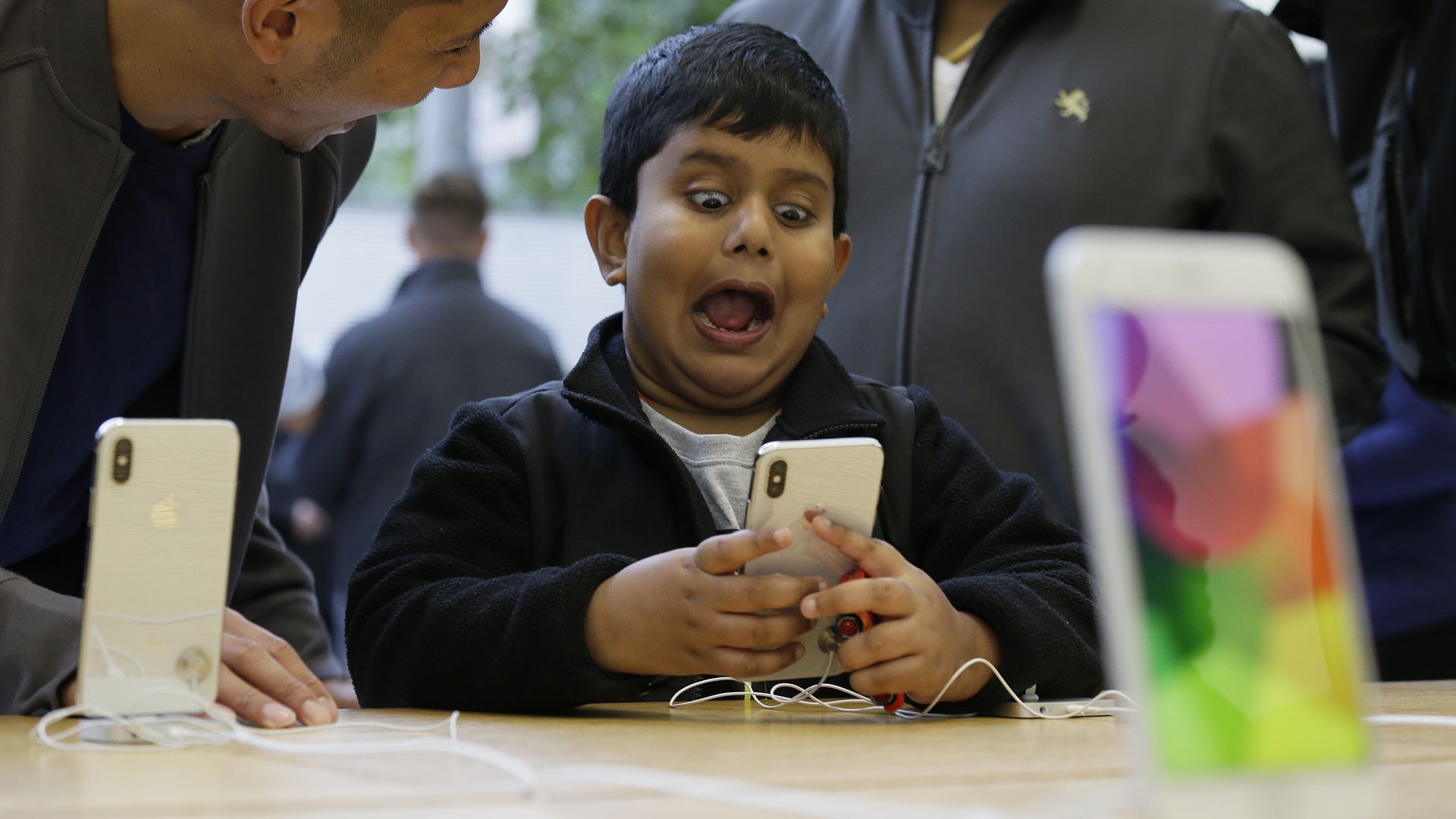
By putting nearly $400 million into Finisar, Apple is returning to a familiar and highly successful page in its playbook.
Why it matters: Finisar makes a key depth sensor for augmented reality, known as a VCSEL, used on the iPhone X. The move could help Apple expand use of the technology while limiting competitors' options.
Google released its annual "Year in Search" list for 2017, detailing the topics around that users around the world were most curious about.
One notable omission on both the U.S. and D.C. lists: Any mention of President Trump or his policies as the top searches tended to focus more on cultural trends and newsy items.
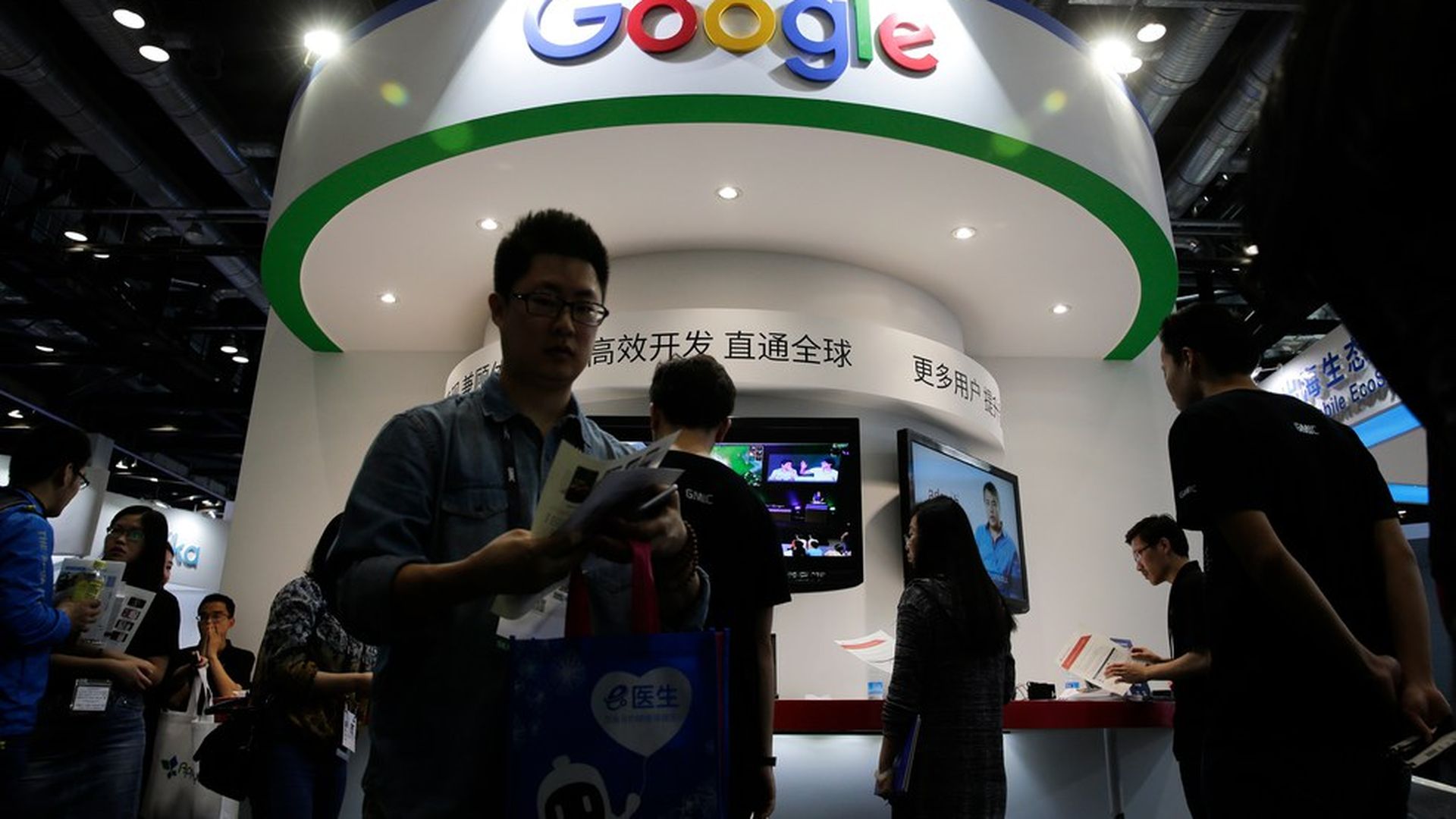
Google is setting up an artificial intelligence research facility in China, the company said on Wednesday.
Why it matters: China is looking to become a bigger player in artificial intelligence. And Google — along with other Silicon Valley companies — is looking to gain a foothold in China, where it has had limited operations since 2010. "I believe AI and its benefits have no borders," said Fei-Fei Li, an AI expert who will be one of the leaders of the new center, in a company blog post.
Why it matters: This rough year for the tech industry opened with concerns about fake news and "filter bubbles," segued into pressure on Facebook and Twitter to clamp down on trolling and online harassment, and ended with congressional hearings into Russian use of the platforms to meddle in the election.
Tweet threads — also known as "tweetstorms" — will now be easier to create thanks to a new button the company is rolling out.
Background: Threads, which Silicon Valley investor Marc Andreessen helped popularize a few years ago (before he quit Twitter last year), have become the go-to format for expressing longer and more nuanced thoughts on the service. Even with the recent doubling of the character limit for tweets, users are still using threads to post longer messages, so it's no surprise it's been working on a way to make them easier to create.
Congress is under the gun to reauthorize a major surveillance law in a debate that has been overshadowed by other major policy fights, like net neutrality and the investigation into online Russian election meddling.
Why it matters: The law — known as Section 702 — expires at the end of the year. Intelligence agencies say it would be ultimately catastrophic if it isn't reauthorized. Privacy-minded lawmakers and advocates, however, say that if it is reauthorized without reforms it will perpetuate a sprawling surveillance system that ensnares Americans' information without a warrant.