Chinese Internet giant Tencent today became the first Asian company ever to be valued above $500 billion, after its shares rose 4.1% in trading on the Hong Kong Stock Exchange.
Rivals: Facebook and Amazon both crossed the $500 billion threshold this past summer, with the former opening trading today with a market cap of $520 billion. In terms of tech, they all still trail market cap leaders Apple ($872 billion), Alphabet ($712 billion) and Microsoft ($636 billion).
Data: Money.net; Chart: Andrew Witherspoon / Axios
Uber plans to buy up to 24,000 cars from Volvo in an effort to prepare a fleet of self-driving on-demand vehicles, per Reuters. The XC90s, equipped with autonomous technology and priced at $46,900 in the U.S., will be delivered between 2019 and 2021.
Why it matters: The move comes two weeks after Waymo, the self-driving unit of Google's parent Alphabet that is suing Uber over theft of its trade secrets, announced it was launching fully driverless taxis in a pilot program in Phoenix, Arizona — the first in the industry to do so.
Broadcom hasn't yet gotten a "yes" on its takeover approach for Qualcomm, but both chipmakers are moving forward on other deals that could smooth their path to a mega-merger:
Broadcom on Friday closed its $5.5 billion purchase of networking switch maker Brocade, which was first announced last November.
Qualcomm is set to win "imminent" Japanese antitrust approval for its $38 billion takeover of Dutch chipmaker NXP Semiconductors, according to Reuters, with European approval expected by year-end.
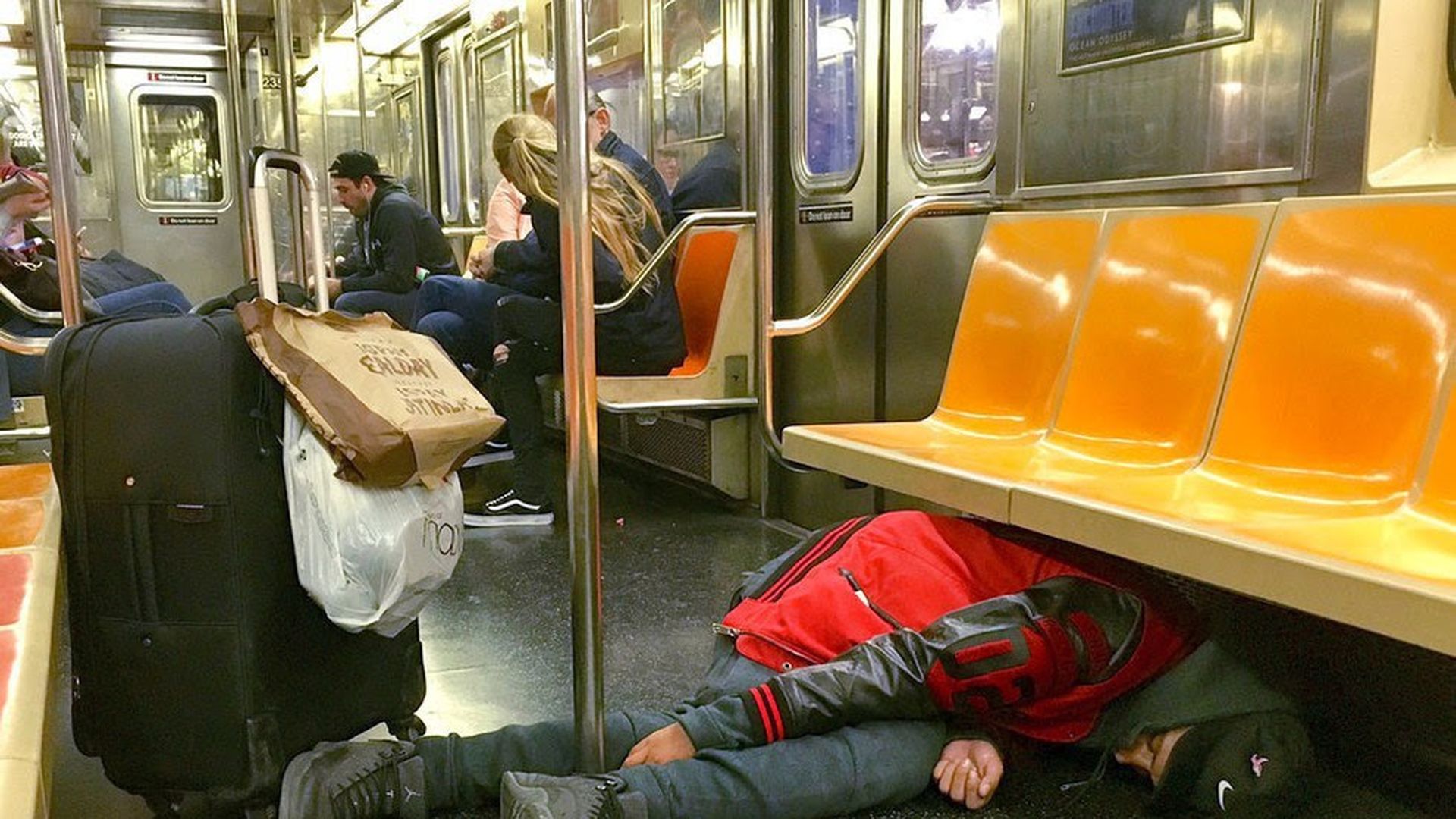
A front-page story from the NY Times' Brian Rosenthal, Emma Fitzsimmons and Michael LaForgia breaks down "How Politics and Bad Decisions Starved New York's Subways," starting with "a perennial lack of investment in tracks, trains and signals."
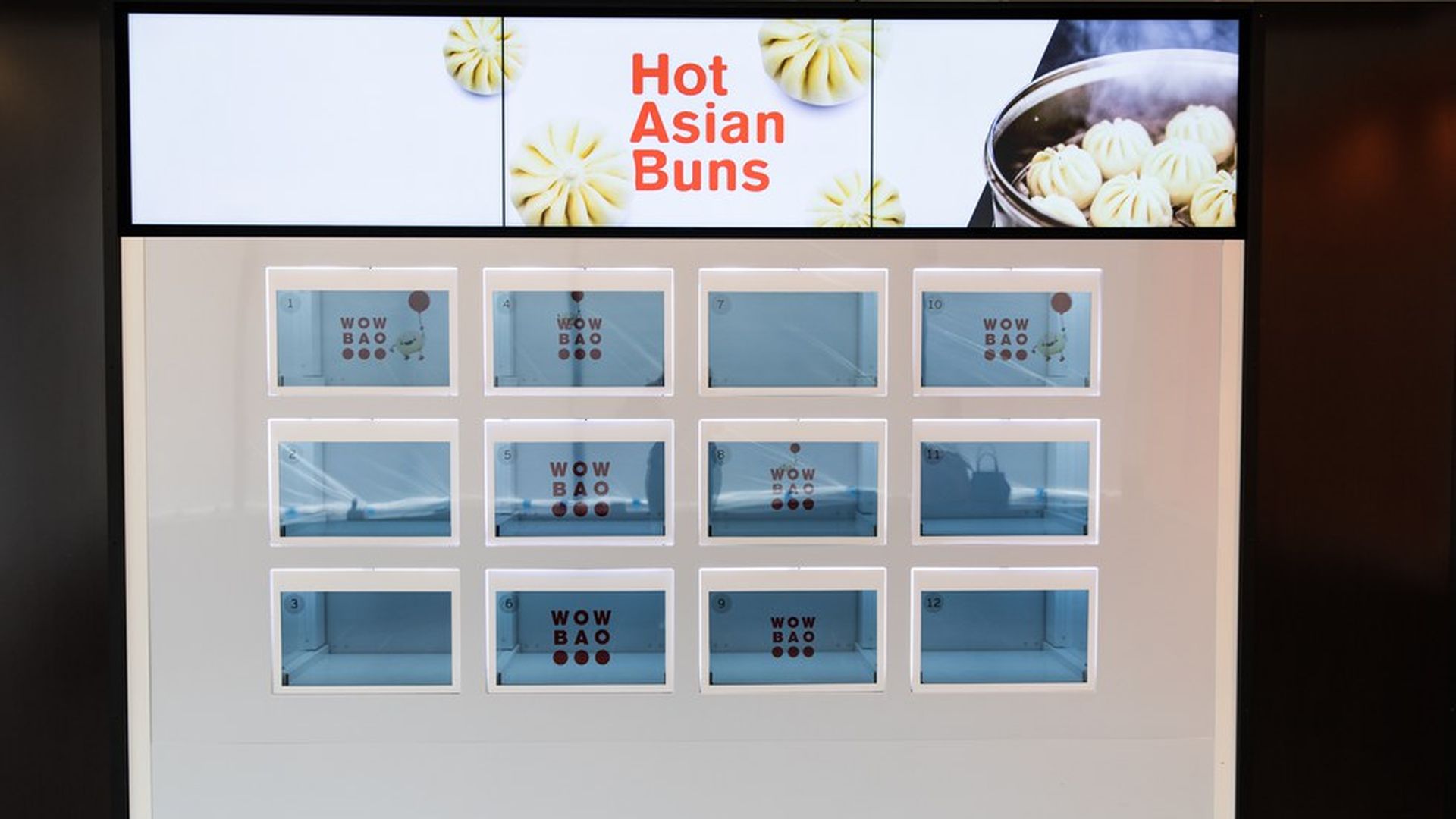
Eatsa, the San Francisco-based company that recently shuttered most of its robot-assisted restaurants, is beginning to make its technology available to outside eateries, starting with Chicago's Wow Bao.
Why it matters: This is a classic startup play—focus on the tech while leaving heavy operations to partners and customers, helping them to streamline restaurant operations.