A year after Uber introduced "upfront pricing"—setting the price of a ride on the outset—it's now beginning to charge more for certain routes in an effort to juice up its earnings, as Bloomberg reported. The company says it uses the extra money to subsidize other rides, and will begin to show drivers the difference between what they're earning and what the rider paid.
It's officially rolling out the changes in the 14 markets where it offers UberPool, its carpooling option.
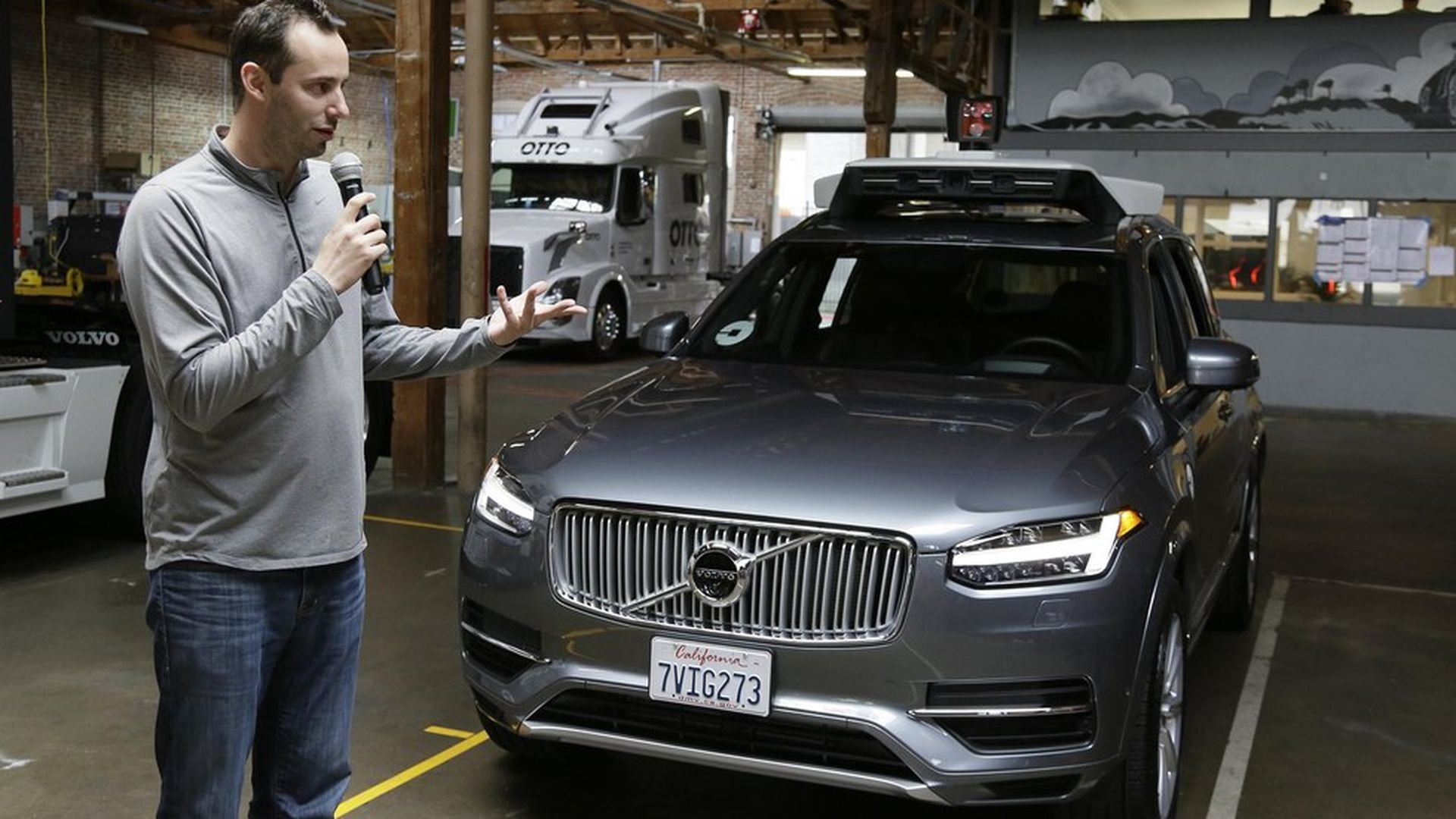
Uber has asked Anthony Levandowski, the executive at the center of a major lawsuit with Waymo, to cooperate with a court's order to return any files he has back to Waymo — or risk losing his job, Recode reports. Uber has also asked him to waive his Fifth Amendment rights he asserted earlier in the case.
Why this is a big deal: Uber general counsel Salle Yoo's letter to Levandowski is a major shift toward the executive as Uber works to comply with the judge's order to compel him to turn over any documents he has. Levandowski, who is close with Uber CEO Travis Kalanick, has already stepped down as head of its self-driving car unit. Uber is aggressively trying to take the steps needed to resolve the court case that threatens to undermine its driverless plans
There were dozens of individual announcements at Google I/O, but as the event wraps up, here are three broad themes that stood out:
1.No sexy new hardware doesn't mean there wasn't anything important.
It's easy to dismiss any big tech event that doesn't produce a really cool new gadget. And, certainly it's more fun when there is something new like Google Home and Daydream, both of which were introduced at Google I/O last year. But Google's main business isn't from selling individual products, but creating whole ecosystems. This year was about strengthening the fundamentals of Android and expanding its footprint in new markets, like artificial intelligence and virtual reality. Not sexy, but important.