Monday's technology stories

Former Evernote CEO launches All Turtles, a modern twist on the product design studio

Former Evernote CEO Phil Libin unveiled his new project Monday, announcing plans for All Turtles, which hopes can tap some new ways of thinking to help companies build better products. As part of the move he is stepping down as a managing director at venture capital firm General Catalyst.
Anti-Silicon Valley: Libin, though a long time participant in Silicon Valley, criticized it for being too focused on huge valuations versus identifying key problems that are readily solvable.
Unchecked vanity and Silicon Valley math have entrenched the expectation that only ideas that might someday be worth ten billion dollars are worth starting. This is silly and almost never works.

Delta passengers can now check their bags by scanning their face
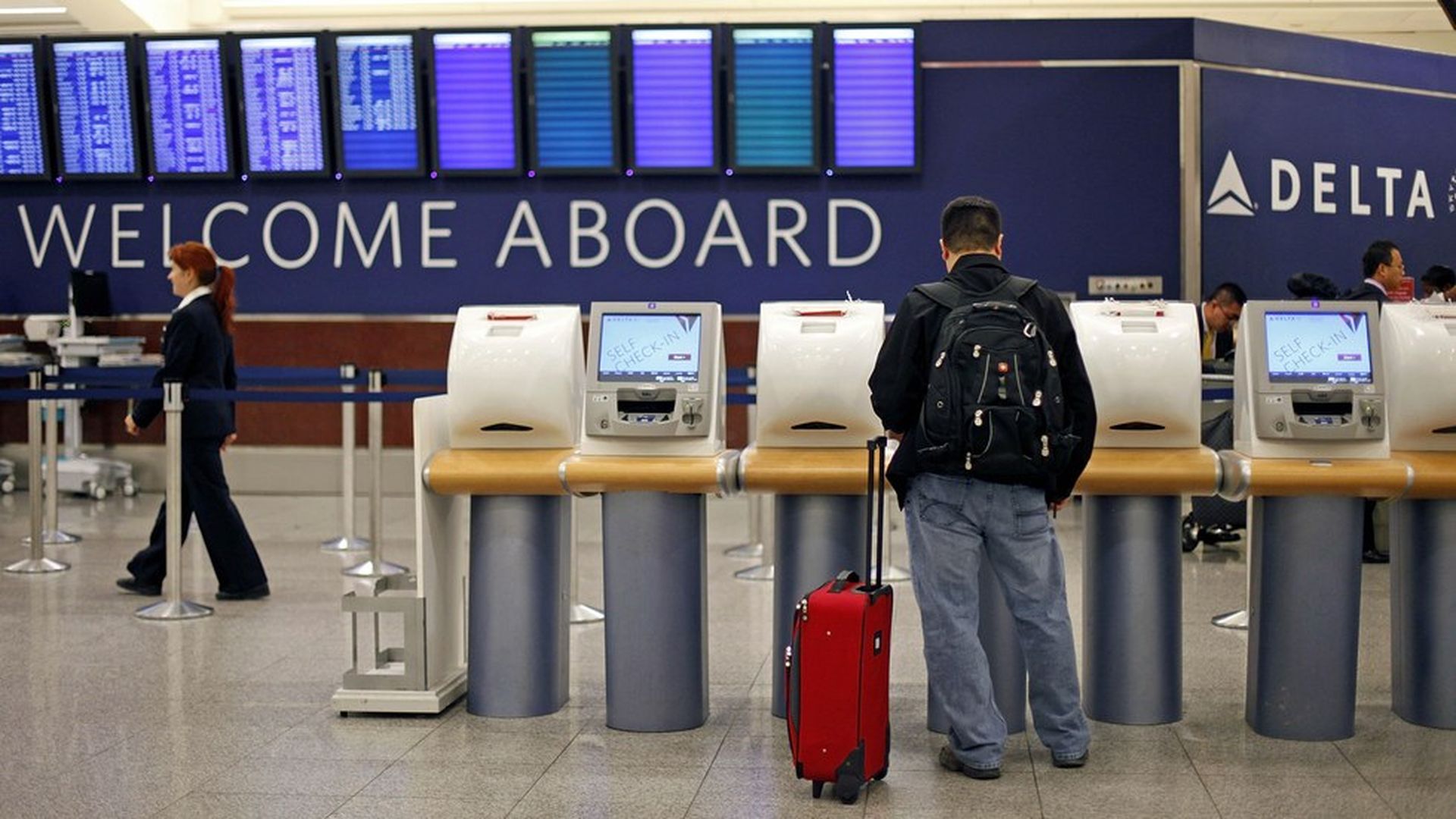
Delta passengers will soon be able to check their bags via a facial recognition scanner that uses biometric technology to match their passport photos to their face, Mashable reports. The new technology is the first of its kind in the U.S., and Delta hopes it will help both customers and airline agents save time during check-in.
Launch details: Delta has invested $600,000 in 4 biometric self-service bag drop machines, which will be placed in Minneapolis-St Paul International Airport this summer, but only one will include the facial recognition software. Delta will then collect customer feedback to determine how and when it will expand it other airports.
Privacy issues: As The Verge points out, privacy experts have urged government agencies and airlines to be cognizant of the risks involved when implementing this type of technology, "especially if it's found that they are cross-checking facial images with law enforcement databases without permission." Delta has insisted it will protect customer's privacy, and will not save anyone's information or images of their faces.
Google partners with Audi and Volvo to take Android deeper into cars
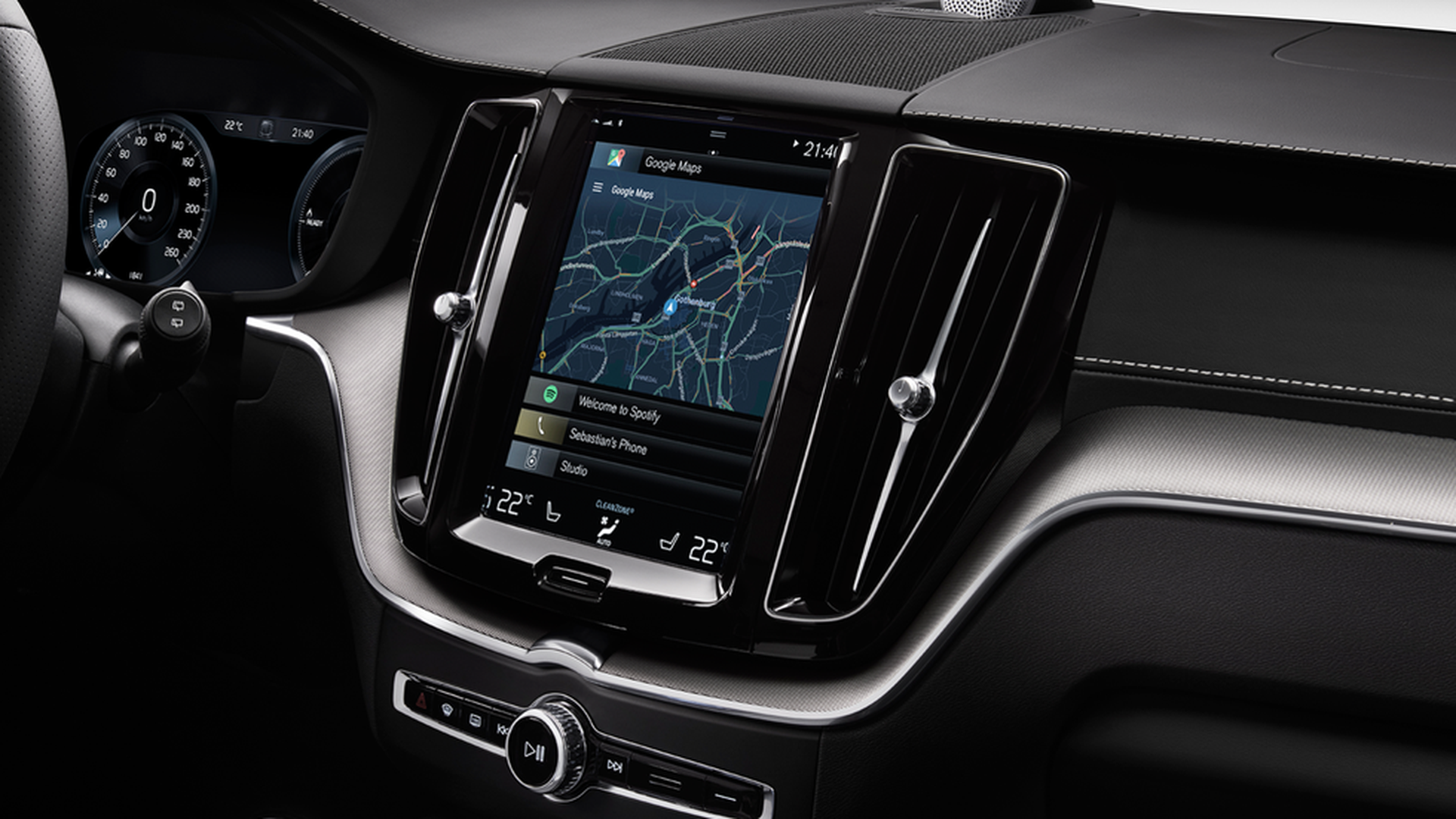
Google announced Monday it is working with automakers Audi and Volvo to have Android power the in-car entertainment systems on some new car models. Google already had a tie in to the car with Android Auto, but it has long been working to get its operating system deeper into the electronics of a car. The companies will show off early concepts at this week's Google I/O conference in Mountain View, Calif.
The background: Android Auto and Apple's CarPlay both allow the mobile operating systems to take over an in-care entertainment system, but neither power that electronics system itself. Last year Google confirmed it wanted carmakers to start using Android to power their in-car electronics systems. Some carmakers, such as Honda, had already been using the open source version of Android for infotainment systems, but Volvo and Audi are the first to announce their use of the official Google version.
Why it matters: Taking control of the in-car entertainment system serves as a beachhead for a broader play in cars and could give a big boost to Google services.

Judge bans Uber exec from working on self-driving tech
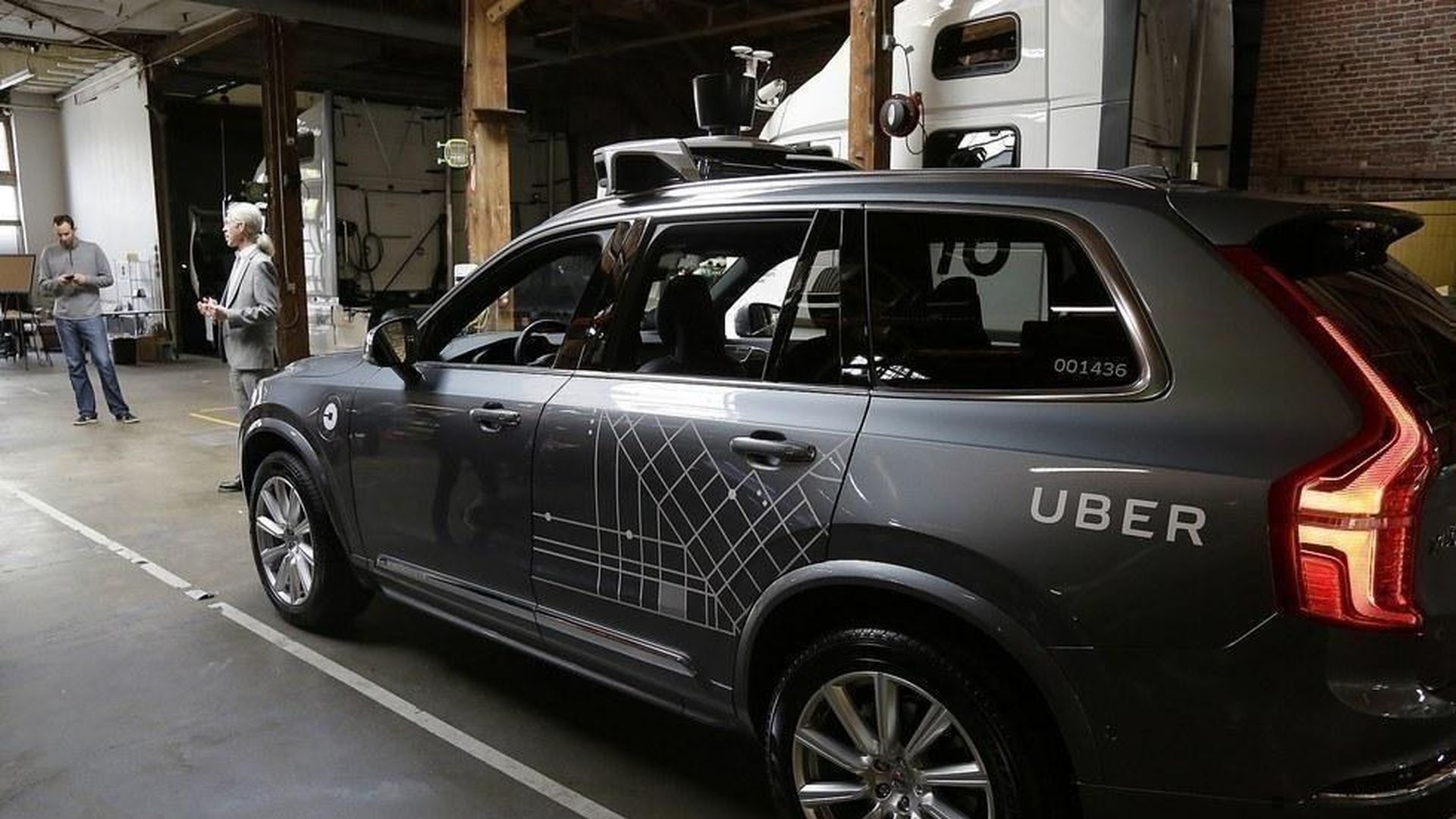
A federal judge has ordered that Anthony Levandowski, a former Waymo employee whose autonomous driving startup was acquired by Uber last year, stop working on the ride-hailing company's self-driving car technology.
Why it matters: Barring Levandowski from working on LiDAR technology — which helps cars "see" so they can drive themselves— might not render him entirely useless to Uber, but it certainly makes the $680 million it paid to acquire his startup now seem like too much money.
What to expect at Google I/O
Google's annual developer conference, I/O, takes place Wednesday through Friday in Mountain View.
- Android O: Google has already released a developer preview, but expect a lot more detail on the next version of Android. Last week, Google also announced Project Treble, its latest effort to make it easier for manufacturers to allow their devices to upgrade to later versions.
- AI: Expect the case this year that it is delivering AI, not just to improve its own products but also to put those capabilities into the hands of business and research.
- Google Assistant: Expect the Assistant to go to some new places but also for Google to better link its disparate efforts to ensure it's the same Assistant on every device.
- VR: Google launched its Daydream effort at last year's I/O and an update is definitely overdue. Virtual reality will be one of the topics on Day 2.
Q&A: Social Capital chief on the cost of spectrum
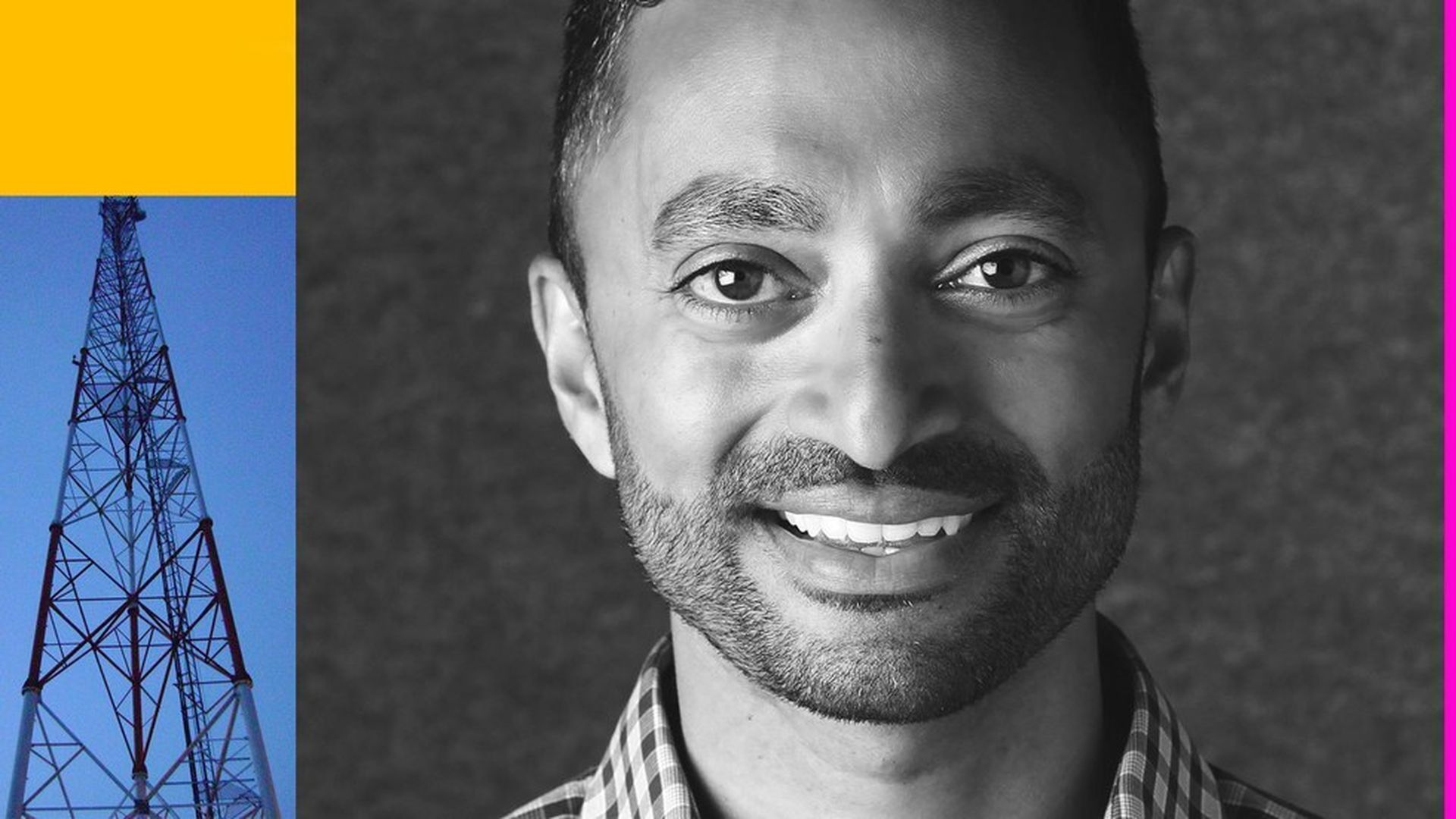
Chamath Palihapitiya surprised everyone in 2015 when he announced he was forming a company and prepared to spend billions on spectrum. In the end, although he registered for the auction, he ended up not bidding.
Why this matters: Palihapitiya and his team are plotting a different approach to shaking up the wireless by rejecting "traditional spectrum" and instead using "ultra low-cost satellites." In an interview, Palihapitiya talked with Axios about what changed his mind about spectrum bidding and offered some hints at what he's doing instead.
Axios: You considered bidding in the spectrum auction - but decided not to, right?
Palihapitiya: We could have spent 2,3,4,5 billion. Instead we will spend 1/10th of the cost and have 100 times the impact. It would have been more splashy to just spend the money but I think this will be more legitimate in the long term.
What are you doing instead?
Wireless is a big, complicated problem and you can't hit it with just one solution. We have a major coverage challenge, which some people are trying to solve with balloons and drones, but we think there's a better way to do this via ultra low-cost satellites. There's also the software layer, which addresses everything happening on the device. And then there's the bowels of it all, the OSS/BSS systems (the operating and billing systems used by cell service providers), which in today's world of all-IP traffic should just happen in the cloud. We are innovating in each of these areas. The part we still need to figure out is the last-mile relay infrastructure, to the extent it's needed, which today is pretty misunderstood. But no matter what, all this technology advancement adds up to not needing traditional spectrum and opens the door to use unlicensed and lightly licensed spectrum which, as you can imagine, is meaningfully cheaper and more abundant.
Traditional satellites are pretty expensive — on the order of hundreds of millions of dollars to build and launch, right?
We think there is a lower cost way to tackle the coverage issue with a very different kind of satellite constellation.
When will this start showing up?
I think you can expect small proofs of concept this year with a full constellation within 24-36 months.
One of your companies, LotusFlare, is already working on modernizing the software cell phone service providers use?
LotusFlare already has some serious traction building software for the device as well as a cloud-based OSS/BSS layer. The other pieces are early but very promising. We just need to bring all these parts together. In a few years, we believe there could be a complete cloud replacement of today's carriers.
Doesn't most of the world have cell service or is in the process of getting it?
You'd be surprised how much of the world still isn't connected. We believe everyone in the world, anywhere in the world, should have affordable internet access. Additionally, you can't just think about current needs. There are all these remote devices today that don't have access but want it. Think about agriculture and shipping as two examples. All these industries are getting smarter and our systems today are totally unprepared for our near-future coverage needs.
Lyft and Waymo will work together on self-driving cars
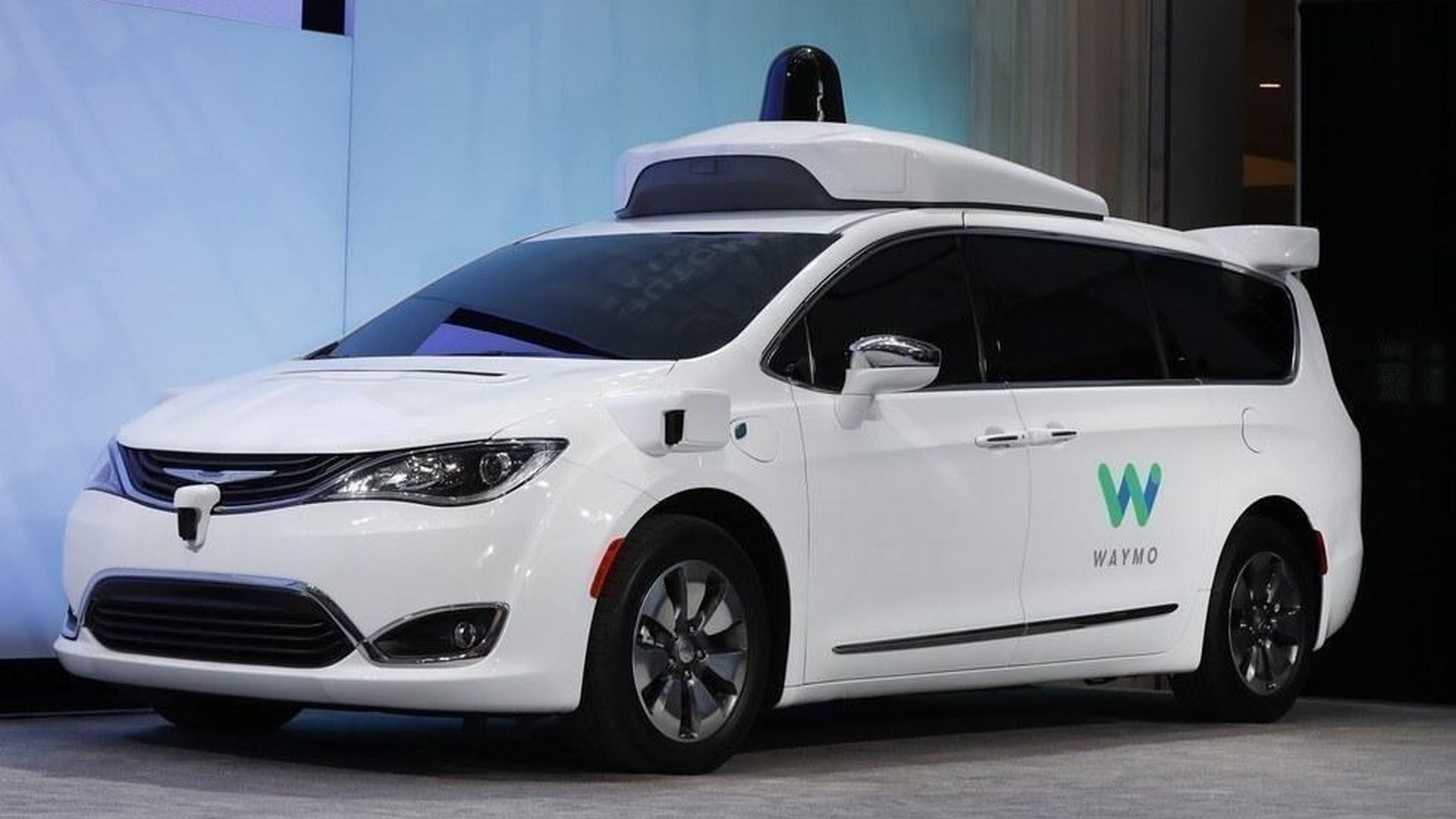
Lyft and Waymo, Alphabet's self-driving car unit, have inked a deal to work on self-driving cars, the companies confirmed to the New York Times. The talks began last summer, according to the report.
Why it makes sense: The companies have a complimentary approach, since Lyft doesn't plan to build its own cars and Waymo has been developing self-driving car technology since 2009 (though it recently decided not to manufacture vehicles on its own). Waymo recently rolled out a pilot testing program in Phoenix through which passengers can summon a self-driving mini-van (with a safety driver in a front) through an app and take a ride wherever they need to go. Lyft's ride-hailing network could help Waymo expand its testing. The deal could also help Lyft catch up faster to rival Uber, despite being a distant No. 2 to it in the ride-hailing market.