Verizon is considering topping AT&T's bid to acquire Straight Path Communications, a small Virginia-based firm, per Reuters. Straight Path said in a regulatory filing that another party is evaluating making a higher offer.
Why is Straight Path suddenly so popular? Because it holds a large amount of millimeter wave spectrum that the FCC has cleared for use in 5G networks — and AT&T and Verizon both have big 5G ambitions.
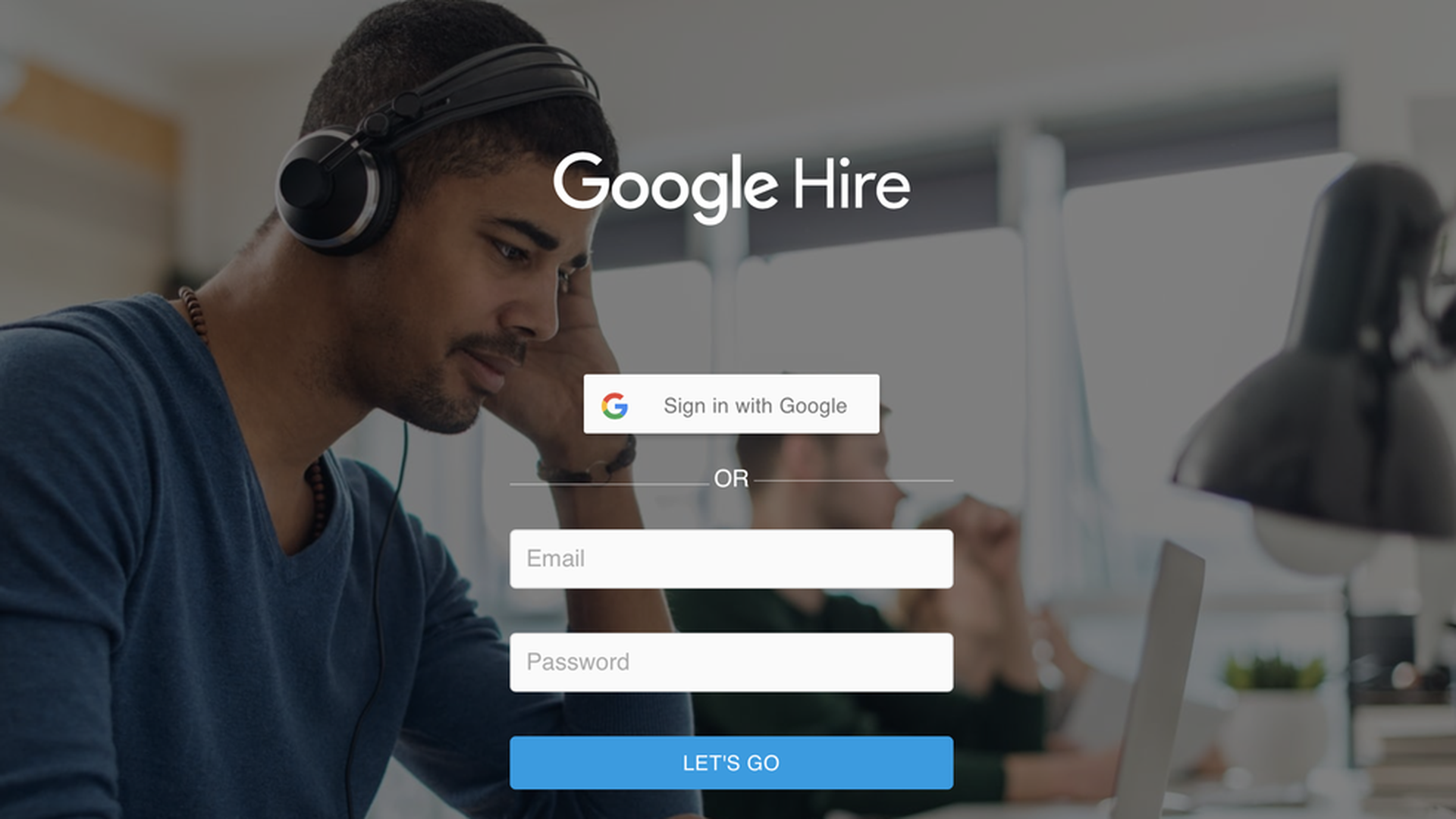
Google is quietly testing "Google Hire," a job applicant tracking system that appears to rival services like Greenhouse and Lever, Axios has learned.
The service lets employers post job listings, then accept and manage applications, according to job listing links spotted by Axios reader Colin Heilbut. So far, several tech companies seem to be using (or testing) Google Hire, including Medisas, Poynt, DramaFever, SingleHop, and CoreOS.
A Google representative was not immediately available for comment.
Enterprise push: Google Hire seems to be the latest project under Google's enterprise and cloud division, led by Diane Greene. An email address inside the product that references "Bebop," the name of Greene's startup that Google acquired in 2015.
Microsoft has released its latest transparency report, and there's one new item: a national security letter, the first the company has been able to publicly release.
The letter, dating from January 2014, requested information about a Microsoft customer's consumer services, though the specifics have been redacted. The request was previously included in the aggregated data Microsoft publishes, but its content couldn't be discussed until the gag order was lifted.
A 13-year-old in Atlanta accidentally shot and killed himself while live streaming on Instagram, per WXIA. Malachi Hemphill's gruesome death comes after multiple violent incidents on Facebook Live over the past months.
From his mother: "We kicked in the door. We found him just laying there in a pool of blood. My daughter screamed and said, 'Mom turn his phone off!' As I proceeded to look at his phone, he was on Instagram Live."
Facebook's policy: The platform's community standards say that it "will not allow and will take down content depicting violence if it's celebrated, glorified or mocks the victim," per a conversation last year with Techcrunch.
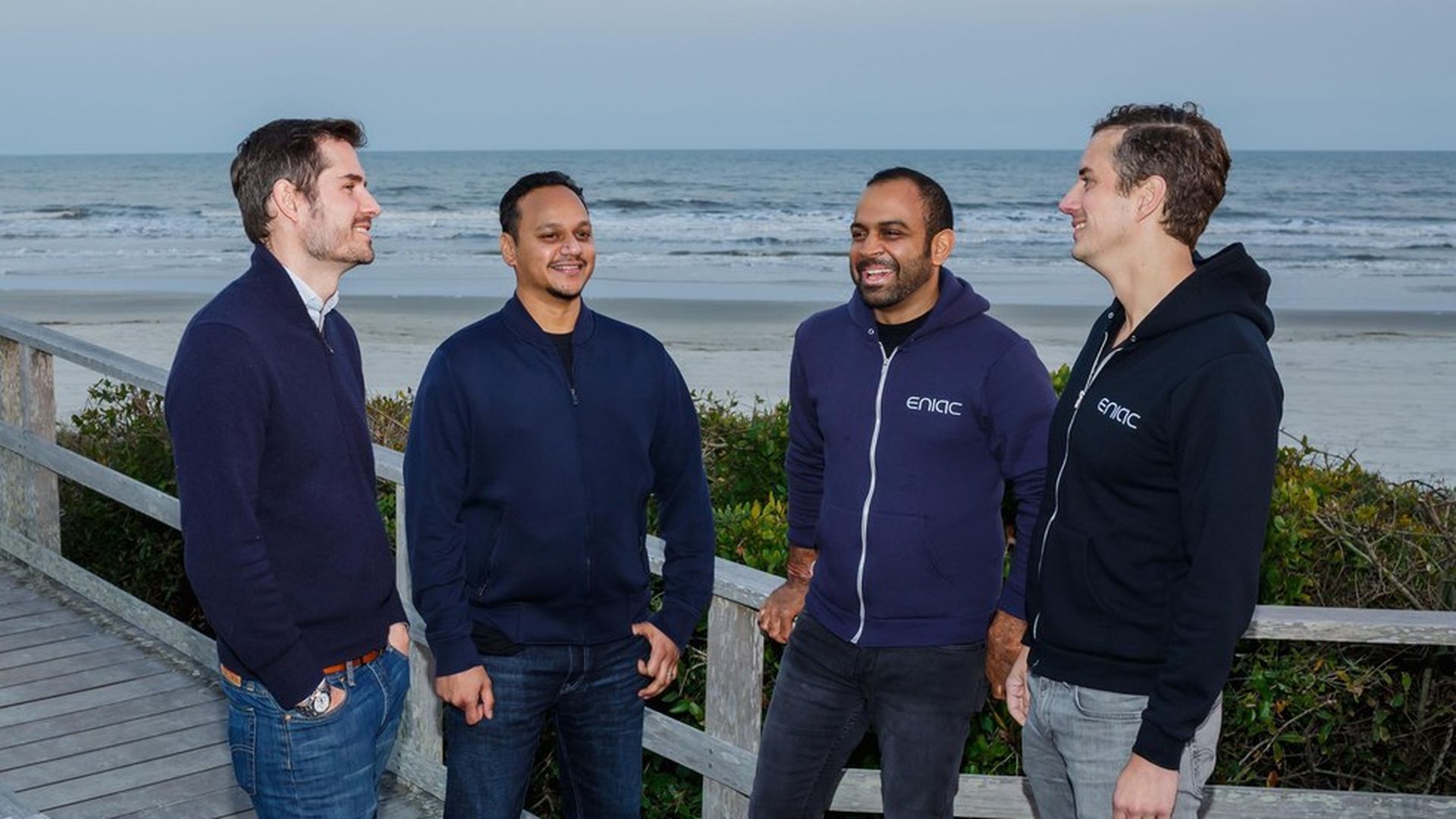
Eniac Ventures, an early-stage VC firm whose investments include Soundcloud and Hyperloop One, has raised $100 million for its fourth, and largest-ever, fund.
Beyond mobile: While the bi-coastal firm originally focused on investing in mobile apps, it's been shifting its attention to merging computer verticals like virtual and augmented reality, artificial intelligence, and robotics.
Fun fact: Eniac's four managing partners first met as engineering students at the University of Pennsylvania. As such, they named the firm after the ENIAC, one of the earliest automated computers, which was built at their alma mater.
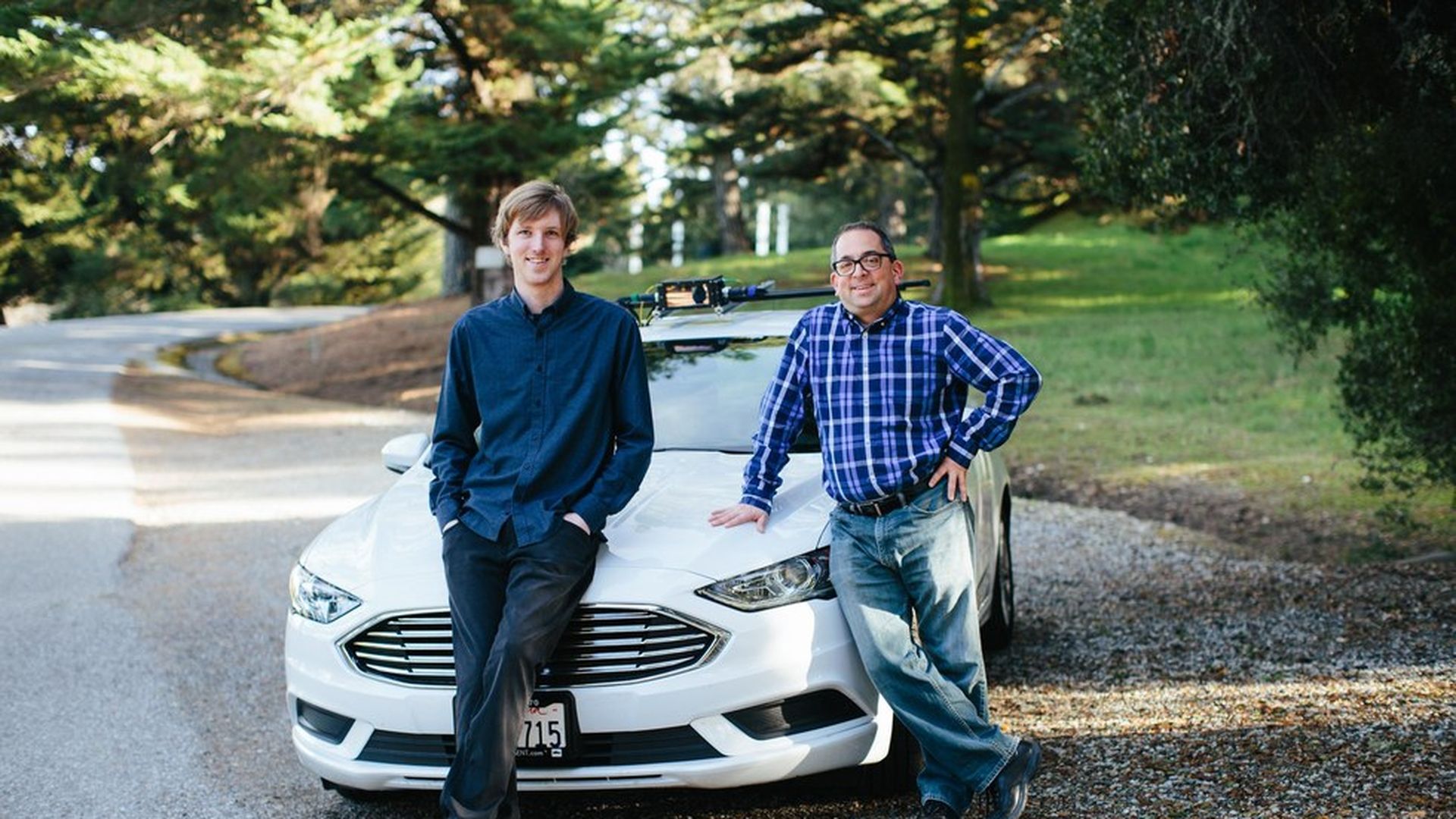
Luminar, a secretive five-year-old Silicon Valley startup, has been trying to improve one of the components central to most self-driving cars. The company has its own take on LiDAR, the laser-based sensor that helps autonomous vehicles "see" the world around them. And according to its 22-year-old CEO, Luminar's technology will pave the way for autonomous cars that are better, cheaper and safe.
Why this matters: Luminar says it's designed-from-scratch LiDAR devices can be cheaper and more accurate.
What if, instead of paying LinkedIn to message someone you really want to reach, you could pay the person instead. That's the premise behind Nextio, a professional social network launching on Thursday.
Why we're watching: Nextio, formerly Telo, is headed by Anoop Gupta, an 18-year Microsoft executive who once served as Bill Gates' technical assistant and later led the company's push into the world of instant messaging and unified communications.
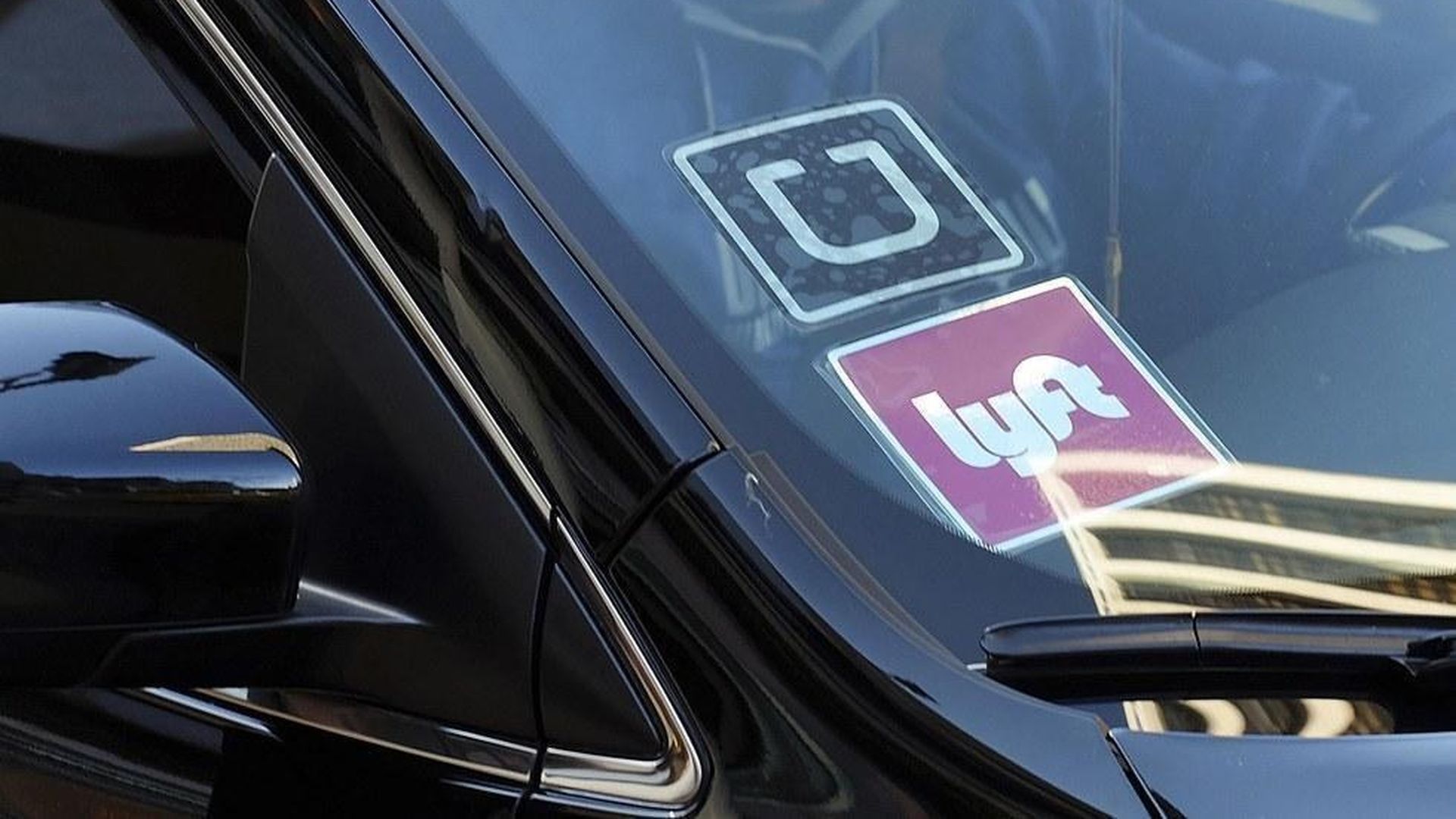
From 2014-2016, Uber reportedly had a secret program, named "Hell," to spoof Lyft accounts and track its main U.S. competitor's drivers, according to The Information.
How it worked: In addition to using fake passenger accounts to see driver locations, Uber noticed that it could track each driver's habits, and even figure out which ones were driving for both services by matching their locations. Uber then targeted these dual drivers with additional promotions to get them to shift more time to Uber, and routed rides to keep them busy and not picking up Lyft passengers.