Monday's technology stories

Judge rules Uber exec can't plead the Fifth to hide document
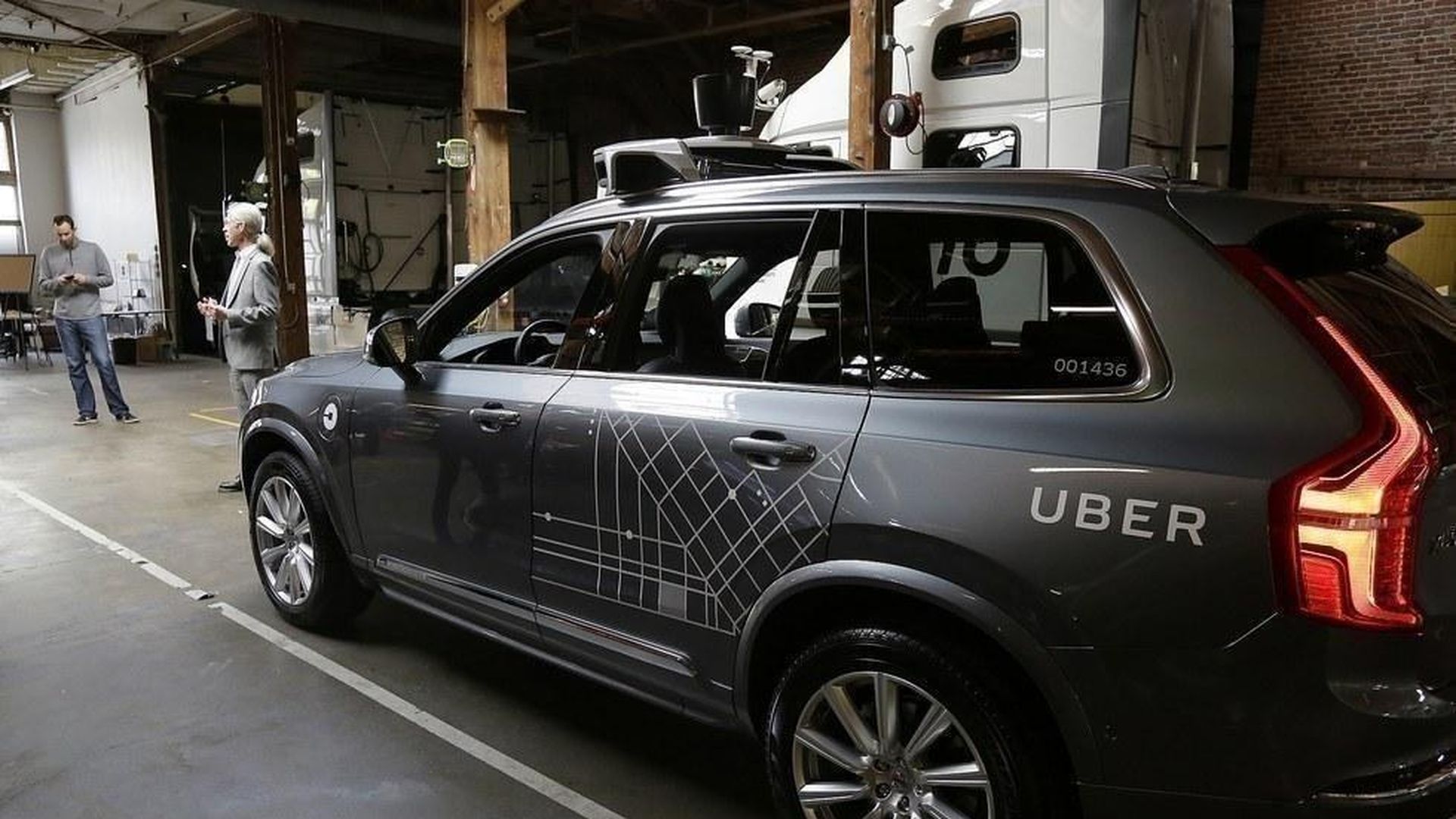
The judge presiding over a trade secret lawsuit against Uber has rejected an exec's attempt to plead the Fifth to conceal a potentially incriminating document, according to court documents filed on Monday.
The document: Waymo, Alphabet's self-driving unit, says former employee Anthony Levandowski downloaded 14,000 files before joining Uber. His lawyers asserted his Fifth Amendment right in March to try and keep a report that may reference those files from turning up in the lawsuit.
Next steps: Both sides will be able to argue for and against the report being submitted as part of the case's public documents, and Levandowski's attorneys can still take this up with the court of appeals.

Napster founder's cancer initiative publishes first scientific paper

Per Techcrunch, the Parker Institute for Cancer Immunotherapy, launched by Napster founder and former Facebook president Sean Parker, has published a paper outlining its first major discovery in Nature. Researchers from Penn and Sloan-Kettering, working together under the Parker Institute, devised a simple blood test that might determine if melanoma patients will be responsive to treatment.
Why it matters: It shows that Parker's unconventional and well-funded plan to end cancer — he put one-twelfth of his $3 billion fortune toward the Parker Institute — has the potential to bring about real results in the field of immunotherapy.
Waymo pushes back on Uber's request to move lawsuit to arbitration
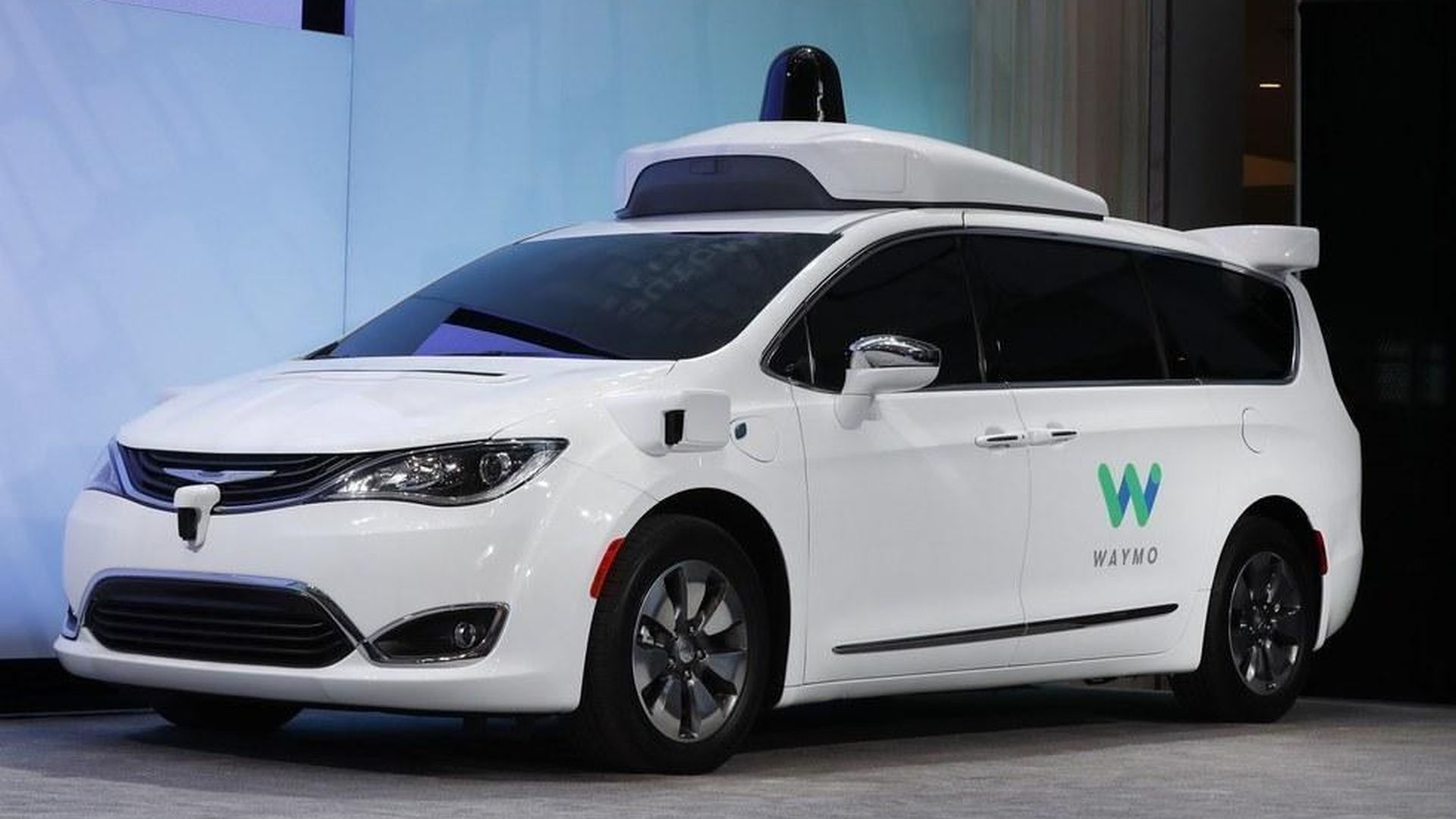
Alphabet's self-driving car unit is pushing back on Uber's request to move a trade secret lawsuit to arbitration. While the ride-hailing company is citing an employment contract's arbitration clause as justification, Waymo says in new court documents that none of the parties in the case signed that contract.
Uber's arbitration request: On March 16, Uber told a federal judge that it will seek to move the lawsuit to private arbitration because Waymo's claims center around the actions of a former employee and his employment contract with Alphabet included an arbitration clause.
Why it matters: It's the latest turn in the ongoing court battle between the two companies over whether a top Uber employee inappropriately used Alphabet's proprietary information. Uber wants to move the lawsuit to arbitration where proceedings aren't out in the public and it doesn't have to worry about making company information widely available.

Samsung says Galaxy S8 pre-orders outpacing last year

Samsung said Monday that pre-orders for its flagship Galaxy S8 and S8+ smartphones are up significantly over last year.
"Pre-orders of the Galaxy S8 and S8+ in the US are outpacing those of the Galaxy S7 and S7 edge with strong double digit growth," a Samsung representative said in a statement to Axios. The majority of customers have opted for the larger-screen S8+, while "midnight black" has been the most popular color.
Samsung launched the phone last month, with U.S. shipments slated to start April 21. Among its features are an edge-to-edge screen with no physical home button and a new voice assistant, known as Bixby.
Why it matters: Consumer reaction to the Galaxy S8 is critical for Samsung after last year's disastrous Galaxy Note 7 debacle. Most customers traded in their recalled Note 7 for a Galaxy S7, but this shows new customers are also sticking by Samsung.
Microsoft buys startup Deis to boost its Azure cloud effort

Microsoft made a small but strategic acquisition on Monday, scooping up Deis, the maker of what's known as a container technology called Kubernetes.
"Container technologies let organizations more easily build, deploy and move applications to and from the cloud," Microsoft executive VP Scott Guthrie said in a blog post announcing the deal. "At Microsoft, we've seen explosive growth in both interest and deployment of containerized workloads on Azure, and we're committed to ensuring Azure is the best place to run them."
Why it matters: Microsoft's cloud-based operating system, Azure, is increasingly important to the company's future and the source of much of its growth.

Job applications via Snapchat? McDonald's is lovin' it

McDonald's is now letting applicants in Australia apply for a job through Snapchat, per Fortune. The fast-food chain's "Snaplications" asks applicants to send in a 10-second Snapchat video using a filter that shows them wearing a McDonald's uniform. The video will be used for the first round of interviews.
"We're looking for that positivity, bubbly personality, someone we think would be good in a customer service role," Shaun Ruming, chief operating officer of McDonald's Australia, told Australian news site News.com.au. "Based on what my daughter sends to her friends, you do get a bit of a glimpse [from a 10-second video]."
Why this matters: This type of social media integration offers companies a new way to brand themselves to younger employees. It also underscores the increasingly pervasive role social networks are playing in corporate initiatives.
Startup aims to rank Silicon Valley companies on diversity
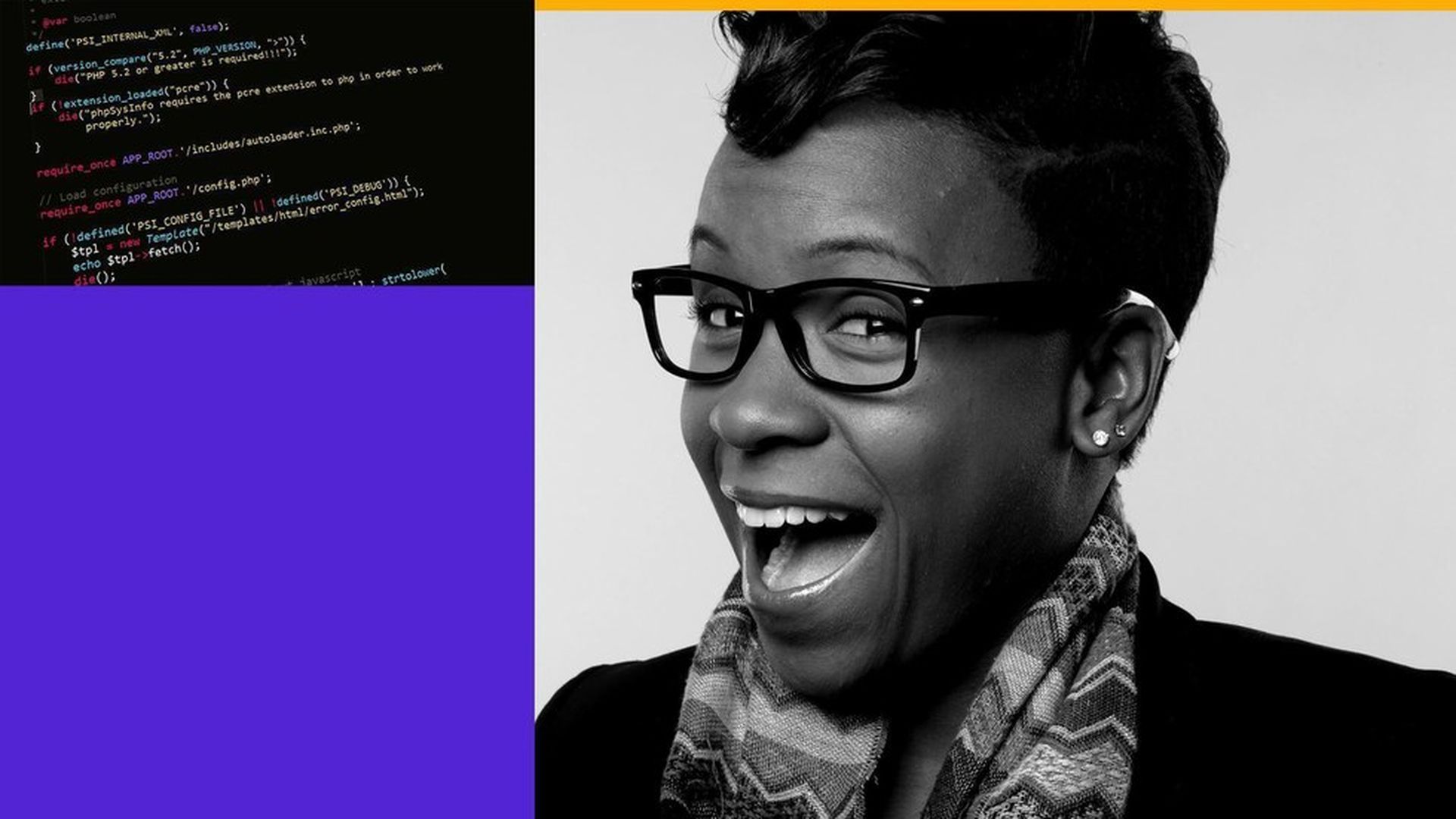
There is a lot of talk in Silicon Valley. And a lot of hand wringing. What there isn't always enough of is accountability.
Stephanie Lampkin is trying to change that. She is CEO of Blendoor, a startup that helps companies measure just how well they are doing across a range of tangible benchmarks. On Friday, Blendoor ranked 138 Silicon Valley companies on just how well their diversity efforts are doing. The inaugural rankings, published Friday, gave the highest marks to HP, PayPal, Cisco, Apple and Yelp.
How they build a score: Blendoor tracks a variety of metrics on companies' recruitment, retention, leadership and impact. Among the types of things that it looks at are both the actual percentages of diverse candidates screened for a job, hired and promoted, as well as characteristics that go to the type of environment the company is creating.

Wall Street has gone gaga for robot stocks
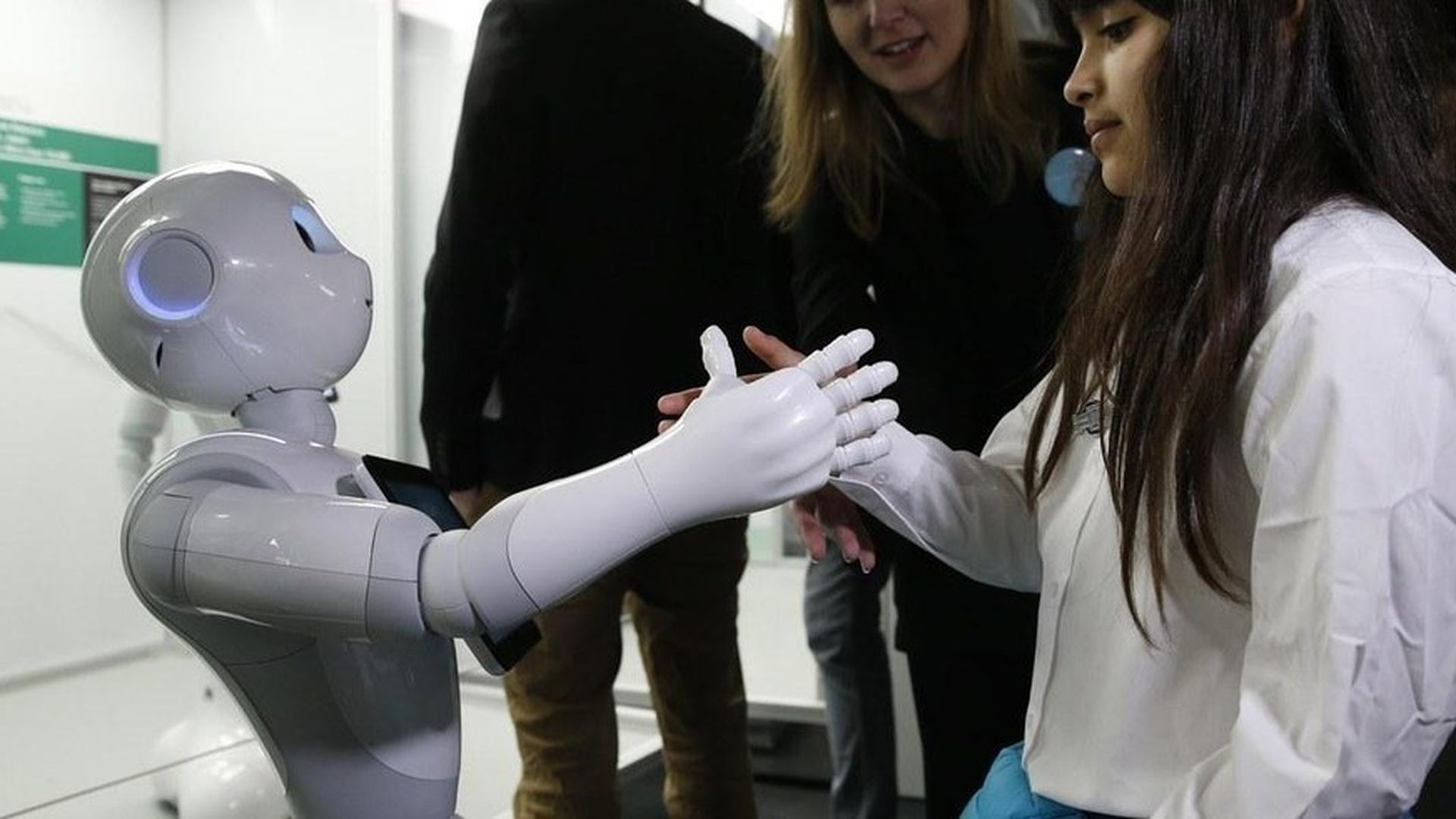
Cumulative flows to funds that invest in robotics companies have exploded from less than $200 million in September of last year to $1.12 billion today, as Bank of America strategist Michael Hartnett points out in a research note. This sudden interest has helped propel robotics stocks in 2017, with the Robo Global Robotics and Automation ETF better than doubling the performance of this S&P 500 year-to-date.
Why it matters: The rapid rise of investor interest in these companies means that there will be plenty of capital available to businesses looking to profit from automating the U.S. economy.