Tuesday's technology stories

Self-driving car companies tell Congress what keeps them up at night
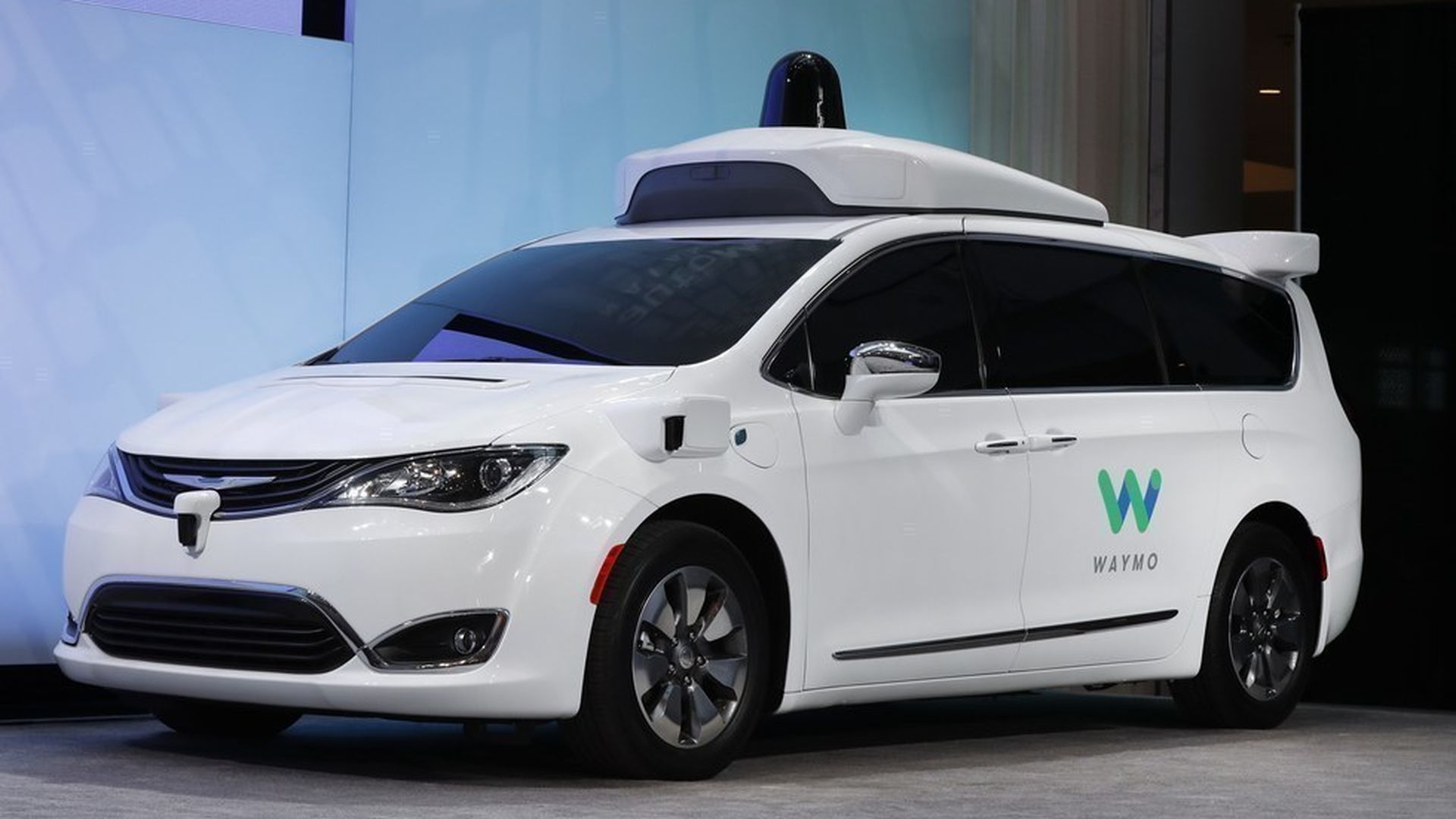
Traditional carmakers and Silicon Valley startups told Congress on Tuesday why they're worried about policies that could limit the nascent market for self-driving cars:
- They say regulations shouldn't tie them down to one type of technology. "We wouldn't want to see government taking steps specify specific technology or a specific solution," said Mike Ableson, a General Motors executive.
- They want congressional action to be carefully calibrated. "We would not like Congress to engage in traditional rulemaking because that would stifle development," said Volvo's Anders Karrberg. Joseph Okpaku, of Lyft, warned of "even ... the most well intended law inadvertently precluding or restricting potential innovation to make this technology even safer."
Why it matters: The success self-driving car plays at Alphabet and Uber, not to mention Detroit's automakers, is intimately tied to policymakers' handling of the new technology. The Obama administration released the first-ever guidelines for autonomous cars last year.What's next: Companies developing self-driving cars may have concerns about certain type of federal action, but they still are supportive of moves that help them avoid a patchwork of state laws. Key lawmakers in both houses of Congress say they want to examine ways to encourage the development of self-driving technology.

Facebook reportedly wants to cozy up to music labels
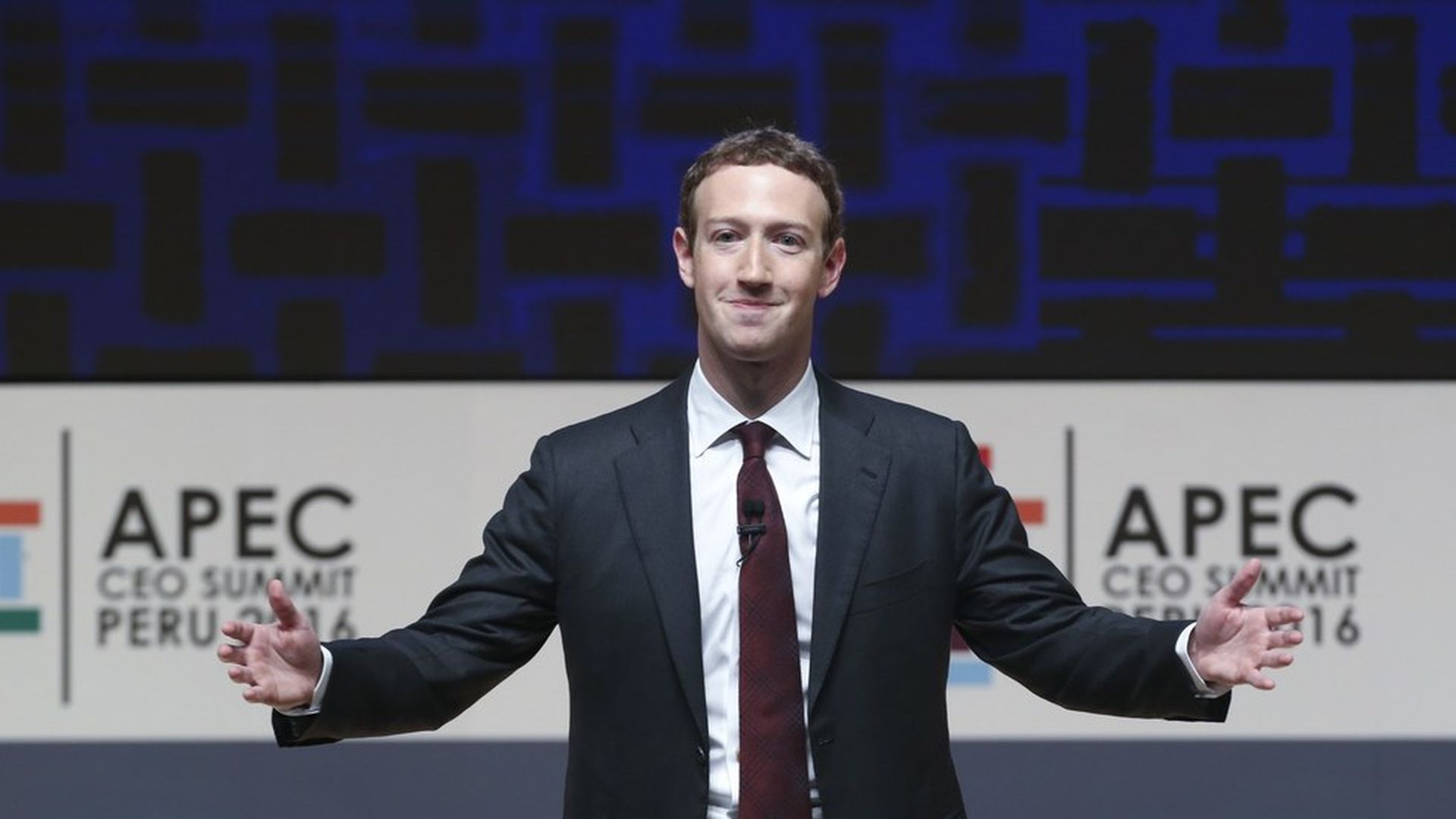
Facebook is courting music labels with the goals of inking licensing deals for videos its users post on the service, according to Bloomberg.
Taking on YouTube: Facebook's main interest in music comes from its focus on video, and on that front YouTube is it's main rival. The Google-owned service offers music artists and labels a revenue source through the ads its places on music videos. It also has a paid music service that competes with the likes of Spotify and Apple Music. Facebook declined to comment.
Why it matters: For Facebook, a deal that would give it access to music artists' videos would draw users even more to the service. For music labels, this could mean significant additional revenue as Facebook now has almost 2 billion monthly active users. It could also mean more pressure on YouTube, which they have criticized for being too lax about copyright infringements, as Bloomberg notes. On the flip side, free music on Facebook could also undo the gains the music industry has made through paid music services.
Lawmakers eye self-driving cars
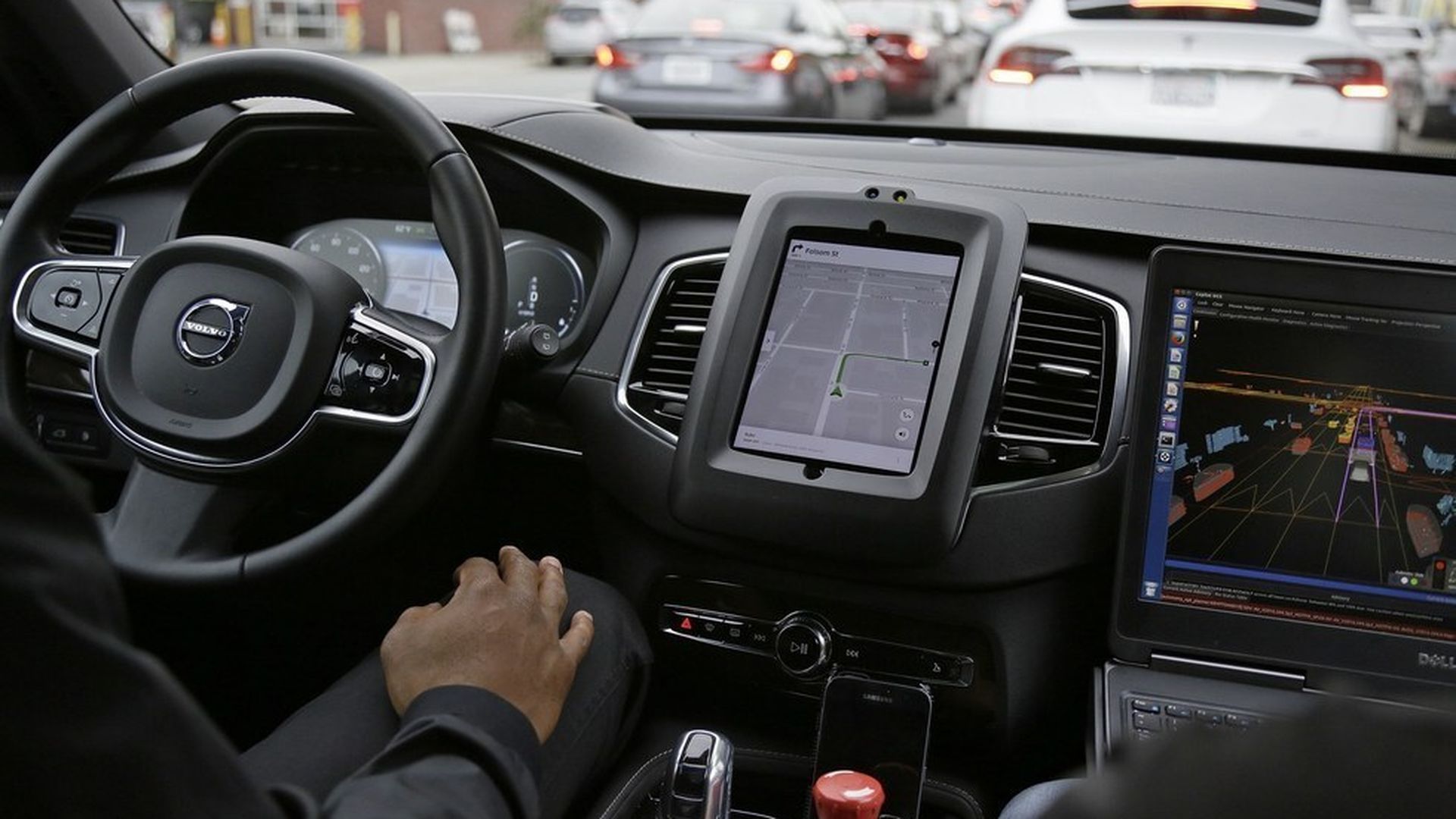
Washington lawmakers are getting the ball rolling on promised efforts to hasten the rollout of self-driving cars.
- Senate: Commerce Committee Chairman John Thune and Democrat Gary Peters said Monday they hope to release a bill together by the end of the year on self-driving vehicles. "Left on its own, the slow pace of regulation could become a significant obstacle to the development" of self-driving cars, the two said in a statement; of particular interest is "ways to improve regulatory flexibility for testing and development of self-driving vehicles without changes to regulations that would affect conventional autos."
- House: Tuesday hearing will focus on on the deployment of autonomous vehicles. Republican lawmakers have indicated that they want to take hands-off approach. "You don't want to have the government say this is what the design is going to be," said Ohio Rep. Bob Latta, who chairs the subcommittee of the House Energy and Commerce Committee that will host the hearing. "The private sector can come up with the designs."
The context: Silicon Valley and Detroit aren't slowing down when it comes to getting self-driving cars — and trucks — on the road. Regulators have started to grapple with the issues, and many companies want the federal government to help them avoid a patchwork of state laws that would make it hard for the market to grow.
What we're watching: How lawmakers address the potential impact of autonomous vehicles on employment, which very much remains an open question.

Conservatives line up behind Ohlhausen for FTC Chair
Conservative groups have thrown their support behind acting FTC Chairwoman Maureen Ohlhausen amid rumors that Utah attorney general Sean Reyes is gaining traction for the permanent role.
Ken Blackwell, who was a senior domestic policy advisor to the Trump transition team, said in a Sunday blog post that "it is time to cement her leadership by naming her permanent chair — which many leading conservatives have advocated."
"The time has come for our government officials to be more circumspect in their advocacy for government intervention…Ohlhausen's understanding that there are limits on what regulators can and should do, and the harm that too much government action can have, is precisely what makes her a great chair."
In context: Speculation swirled that Ohlhausen was not the leading candidate for the top FTC role when she was merely named acting chair while Ajit Pai, her counterpart at the FCC, was elevated to permanent chair. She's made a point in recent weeks to crystalize her commitment to a business-first, free-market agenda and what she calls "regulatory humility."
The rub: Ohlhausen takes a traditional Republican approach to antitrust, but some antitrust experts tell Axios that may not square with Trump's more populist view that doesn't rule out some government intervention to keep dominant players in check. In a letter to the FTC last year, Reyes suggested re-opening a Google investigation.

Google Maps wants to become a social network
Google Maps launched its new feature for all iOS and Android devices Monday that allows users to create lists of places, share them with others, and follow the lists of friends and family. There are three different categories of lists: "Favorites," "Starred places," and "Want to Go" — all of which can be made public to any Google user. You can also personalize the names of different locations, like renaming that breakfast place you love as "Go-To brunch spot: order french toast."
The new feature has been in testing since the fall, and is hoped to give the app a more social feel. Zach Maier, Google Maps' head product manager, said that so far Maps has been focused on getting people from point A to point B without getting lost. Now, "we want to help people break out of their routine and do something new."
It isn't Google's first attempt to make its core products more social. With Maps, Google has been taking steps lately to add new features, like hailing an Uber or Lyft ride from within the app, The Verge notes. As TechCrunch points out, the new feature will compete with Foursquare, which has offered list-making tools for some time, and other "bucket list" companies on the App Store.
Sonos joins list of Brexit price hikers
Home sound system maker Sonos is raising its prices by up to 25% in the U.K., thanks to Brexit. The company says that the "significant change" in the exchange rate from dollars to pounds has made its existing price range "unsustainable." The changes will go into effect February 23.
Sonos isn't the only one: As TechCrunch points out, the company is not alone in its adjustment of local pricing following Brexit's impact on exchange rates. Last month, Apple raised prices of its U.K. apps by 25%, and increased its local pricing for Macs in October. Microsoft has also ramped up cloud product pricing, with prices up to 22% higher since January.