Wednesday's technology stories

Yahoo says email accounts may have been compromised

Yahoo is warning users that their accounts may have been subjected to "malicious activity" between 2015 and 2016, per AP. The news comes in the midst of the company's investigation into a massive security breach that exposed 1 billion users' data — such as email addresses, birthdates, and answers to security questions — several years ago.
In an email to users Wednesday, Yahoo said that based on the information they have collected so far, the company thinks that "forged cookies" — strings of data that enable people to access accounts without re-entering their passwords — were used in the breach. Yahoo has yet to announce how many people were affected, but has said they believe a "state-sponsored actor" is responsible.
Why this matters: The first wave of news surrounding Yahoo's mega-breach threatened the company's proposed deal to sell its core Internet business to Verizon. Earlier today, Bloomberg reported that the deal is still happening, but Verizon has lowered the price by $250 million.

Facebook adds Snapchat-like video features to feed

- Sound will autoplay for videos in newsfeed: About 60% of videos on Snapchat play with the sound on, giving Snapchat a leg up for video advertisers. Facebook reportedly had an 80% video sound off rate.
- Vertical Video: Snapchat championed vertical video, and began pushing it in the market in 2015, when they said vertical video yields the best-performing shows and ads and ads are viewed 9x more frequently when shot vertically over horizontally. Facebook began testing in-feed vertical video in 2016 and the feature will now be available on iPhone and Android devices.
- Watch and Scroll: It's now possible to minimize the video so that it keeps playing in the corner of your screen while you browse other stories in News Feed. This is something publishers have been long-experimenting, to help increase video engagement numbers as viewers navigate their sites. CNN.com and YouTube have similar watch and scroll video features.
Why it matters:
Facebook is scrambling to optimize its video viewing experience to be able to increase the competitiveness of video advertising in its ad auction and to compete with other platforms to win video advertising dollars. 2017 is supposed to be a slow growth year for Facebook advertising, and revenues are expected to come down significantly.

Self-driving car companies tell Congress what keeps them up at night
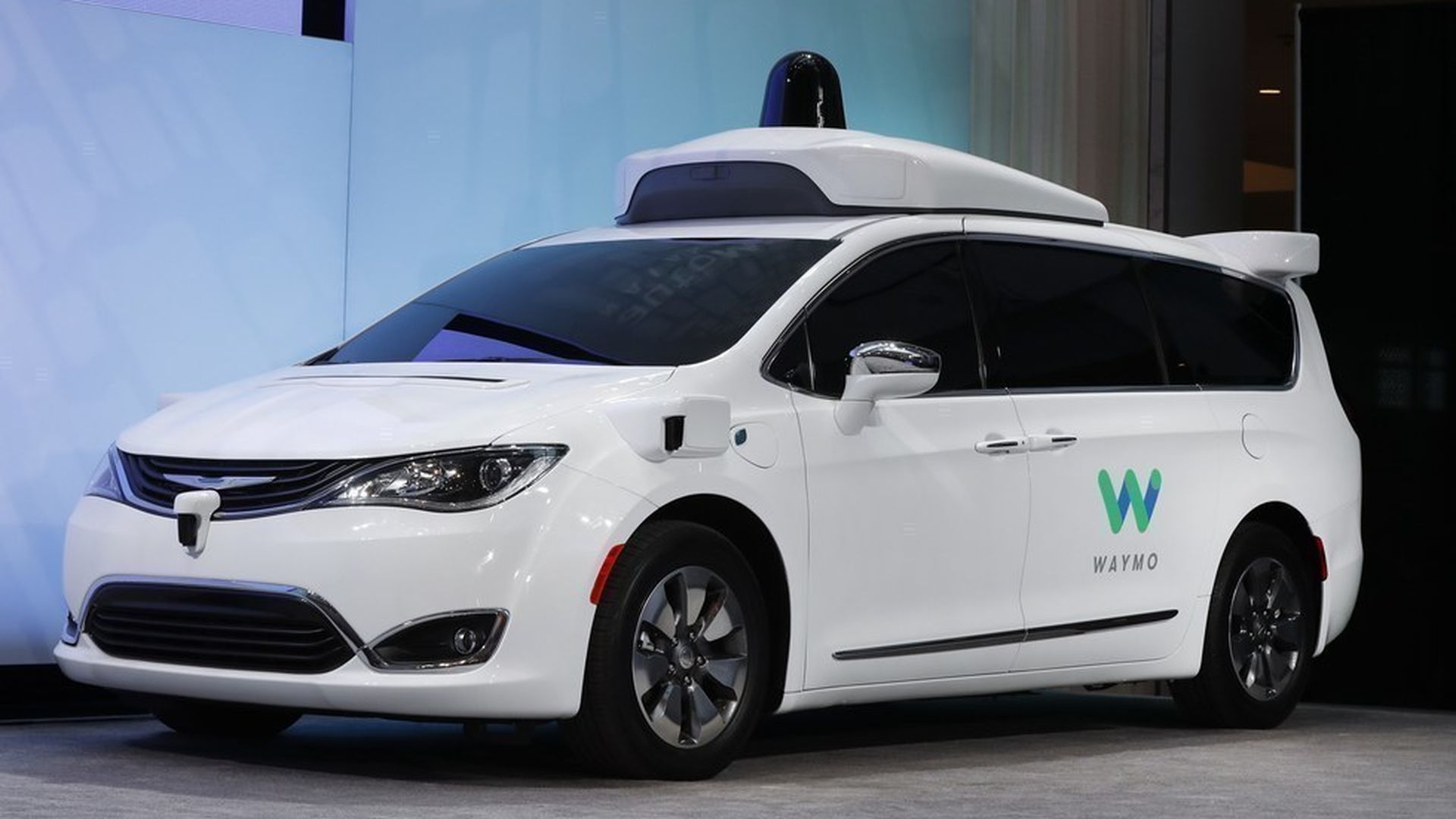
Traditional carmakers and Silicon Valley startups told Congress on Tuesday why they're worried about policies that could limit the nascent market for self-driving cars:
- They say regulations shouldn't tie them down to one type of technology. "We wouldn't want to see government taking steps specify specific technology or a specific solution," said Mike Ableson, a General Motors executive.
- They want congressional action to be carefully calibrated. "We would not like Congress to engage in traditional rulemaking because that would stifle development," said Volvo's Anders Karrberg. Joseph Okpaku, of Lyft, warned of "even ... the most well intended law inadvertently precluding or restricting potential innovation to make this technology even safer."
Why it matters: The success self-driving car plays at Alphabet and Uber, not to mention Detroit's automakers, is intimately tied to policymakers' handling of the new technology. The Obama administration released the first-ever guidelines for autonomous cars last year.What's next: Companies developing self-driving cars may have concerns about certain type of federal action, but they still are supportive of moves that help them avoid a patchwork of state laws. Key lawmakers in both houses of Congress say they want to examine ways to encourage the development of self-driving technology.