Friday's technology stories

A timeline of Snap's advertising, from launch to IPO
While we still don't know exactly how much of Snap's $404 million of 2016 revenue stems from advertising, Recode reported that Snap aimed to make $300-$350 million in advertising sales last year, a huge increase from the $59.2 million in ad revenue Snap made in 2015.
To understand just how quickly the company has ramped up advertising efforts to appeal to investors ahead of its IPO, we've listed a timeline of Snapchat's key moments and advertising milestones.

Microsoft pushes for Trump travel order relief
Add this to your list of how tech is responding to President Trump's ban on refugees and immigrant travel from seven majority-Muslim countries: Microsoft has asked the administration to consider a process for making exceptions for certain individuals affected by the order.
The request came in a letter Microsoft exec Brad Smith sent to Secretary of State Rex Tillerson and Secretary of Homeland Security John Kelly that emphasizes the impact the executive order has had on Microsoft's workforce and on other "responsible applications for entry into the country."
- Microsoft has 76 employees — and 41 dependents — who have "nonimmigrant visas to live and work in the United States" and are affected by the order.
- Smith said that "even among just our own employees, we have one individual who is unable to start her new job in the U.S.; others who have been separated from their spouses; and yet another employee who is confronted with the gut-wrenching decision of whether to visit her dying parent overseas."
- Microsoft has been active in several venues in expressing concerns about the ban. "At the outset, we recognize that this proposal will not and should not end the broader debate and deliberations regarding last week's executive order," the company said in a blog post about the letter.
The bigger picture: Tech companies are under a lot of pressure, including from their own employees, to speak out against Trump's ban. In framing their response, they've toe'd the line between expressing concern for their own employees and the larger impact on migrants and U.S. permanent residents affected by the executive order.
Uber CEO quits Trump council
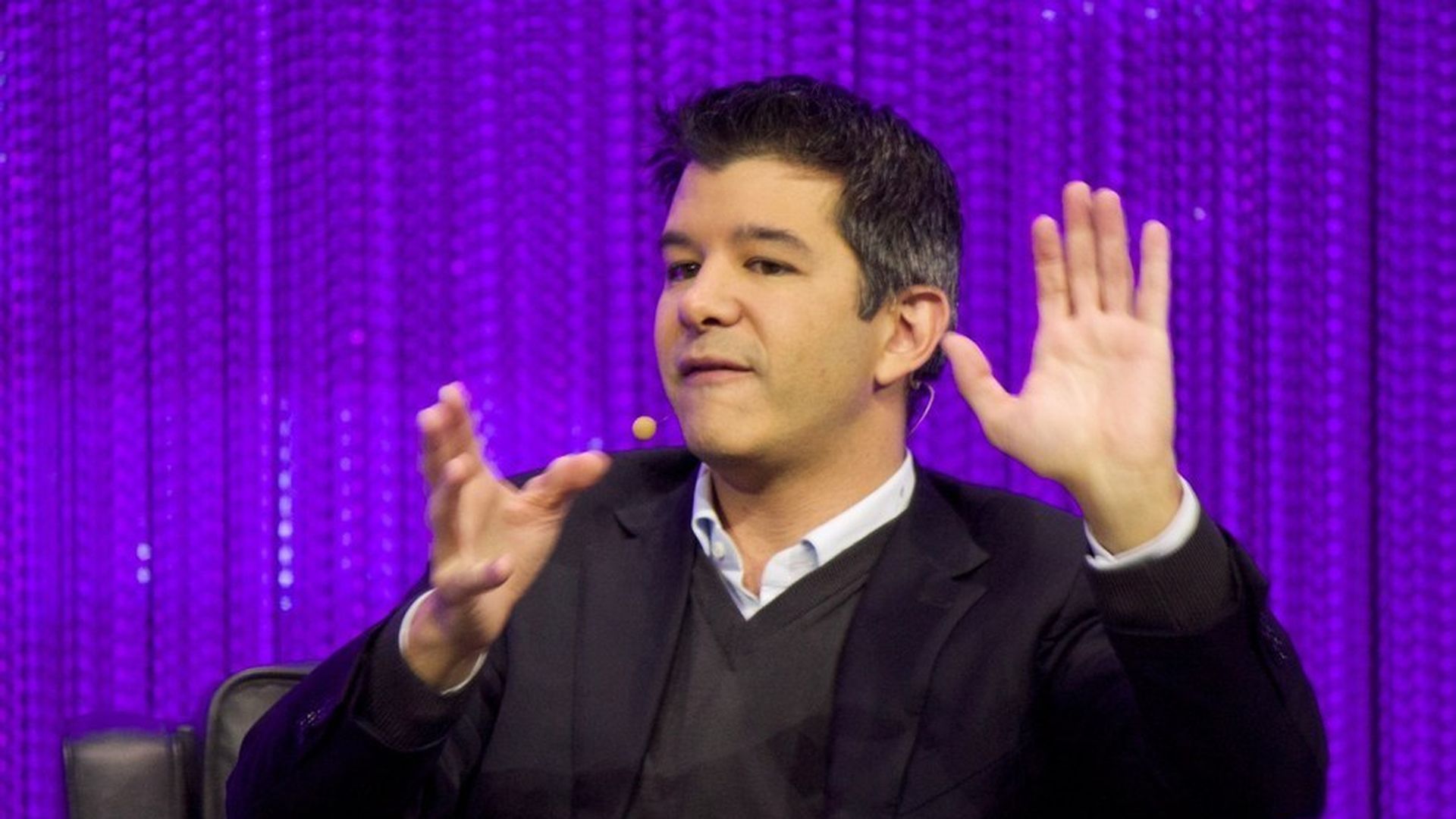
Uber CEO Travis Kalanick will no longer be a part of a council of business leaders advising the Trump administration.
Kalanick said in an internal memo obtained by Axios that he had spoken to Trump briefly "about the immigration executive order and its issues for our community." He also said that signing on to the council "was not meant to be an endorsement of the President or his agenda but unfortunately it has been misinterpreted to be exactly that." The news of his departure was first reported by Recode.
Why this matters: This comes amid public pressure on Uber because Kalanick's ties to Trump. That, along with what was seen by some as trying to break a taxi strike during protests about Trump's immigration order this weekend, resulted in many users deleting the application.
Timing is everything: The council of CEOs is meeting with Trump tomorrow morning. Kalanick had promised to raise his concerns over the travel ban with Trump.

Google dethrones Apple
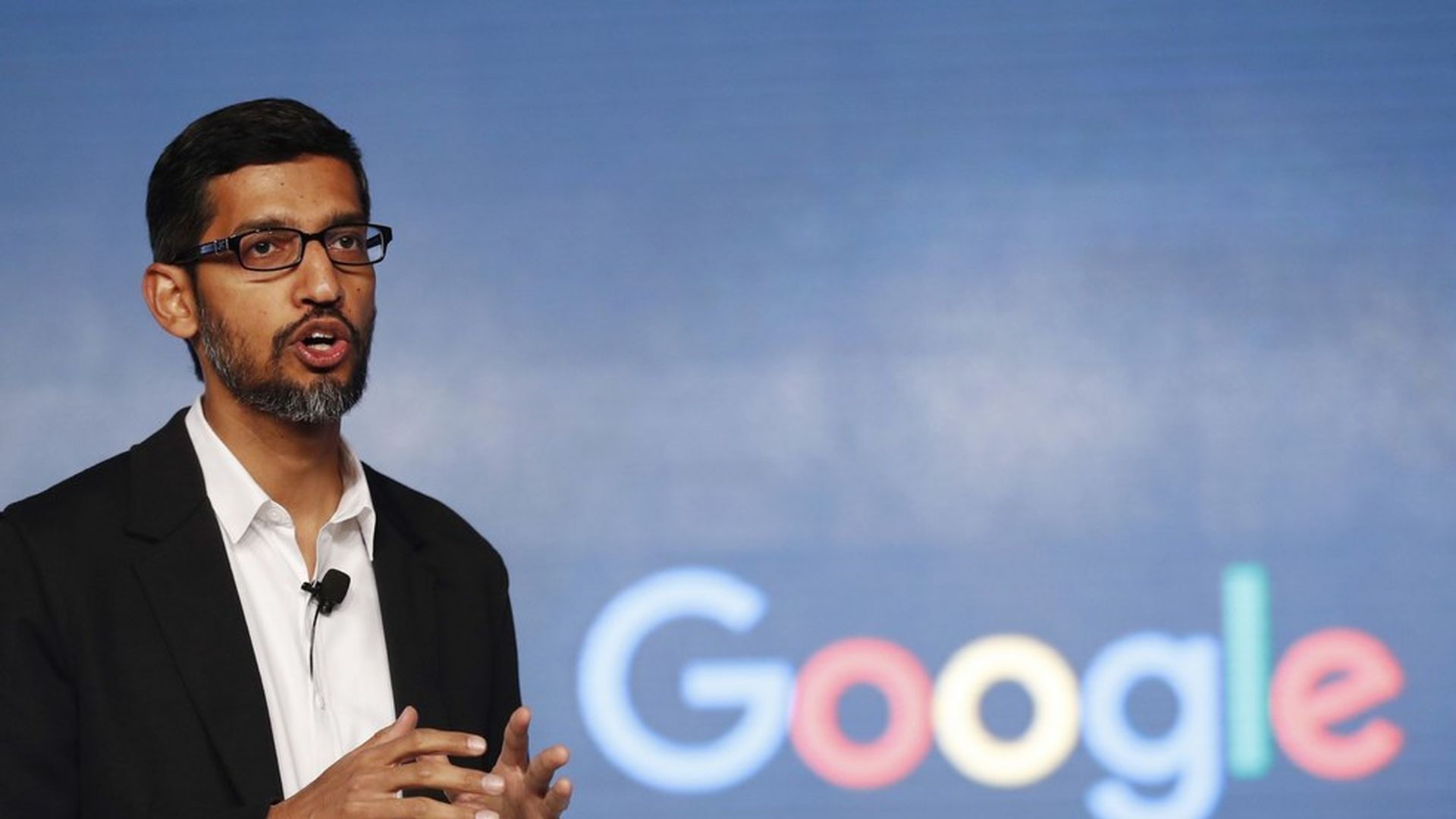
Google has surpassed Apple as the world's most valuable brand, according to the latest Brand Finance Global 500 report, per MarketWatch. Google, which hasn't been in the No. 1 spot since 2011, saw its brand value rise 24% to $109.5 billion in 2017 from $88.2 billion in 2016. Brand Finance cites its "unchallenged" search business as the leading source of its successful advertising income.
Meanwhile, Apple has slipped into the second spot with a 2017 brand value of $107.1 billion, down 27% from $145.9 billion in 2016. The report says that Apple has lost its "luster" and is now forced to compete on a higher playing field with a number of new Chinese brands.
"Put simply, Apple has over-exploited the goodwill of its customers, it has failed to generate significant revenues from newer products such as the Apple Watch and cannot demonstrate that genuinely innovative technologies are in the pipeline" wrote Brand Finance.

Trump effect: Samsung may build U.S. factory
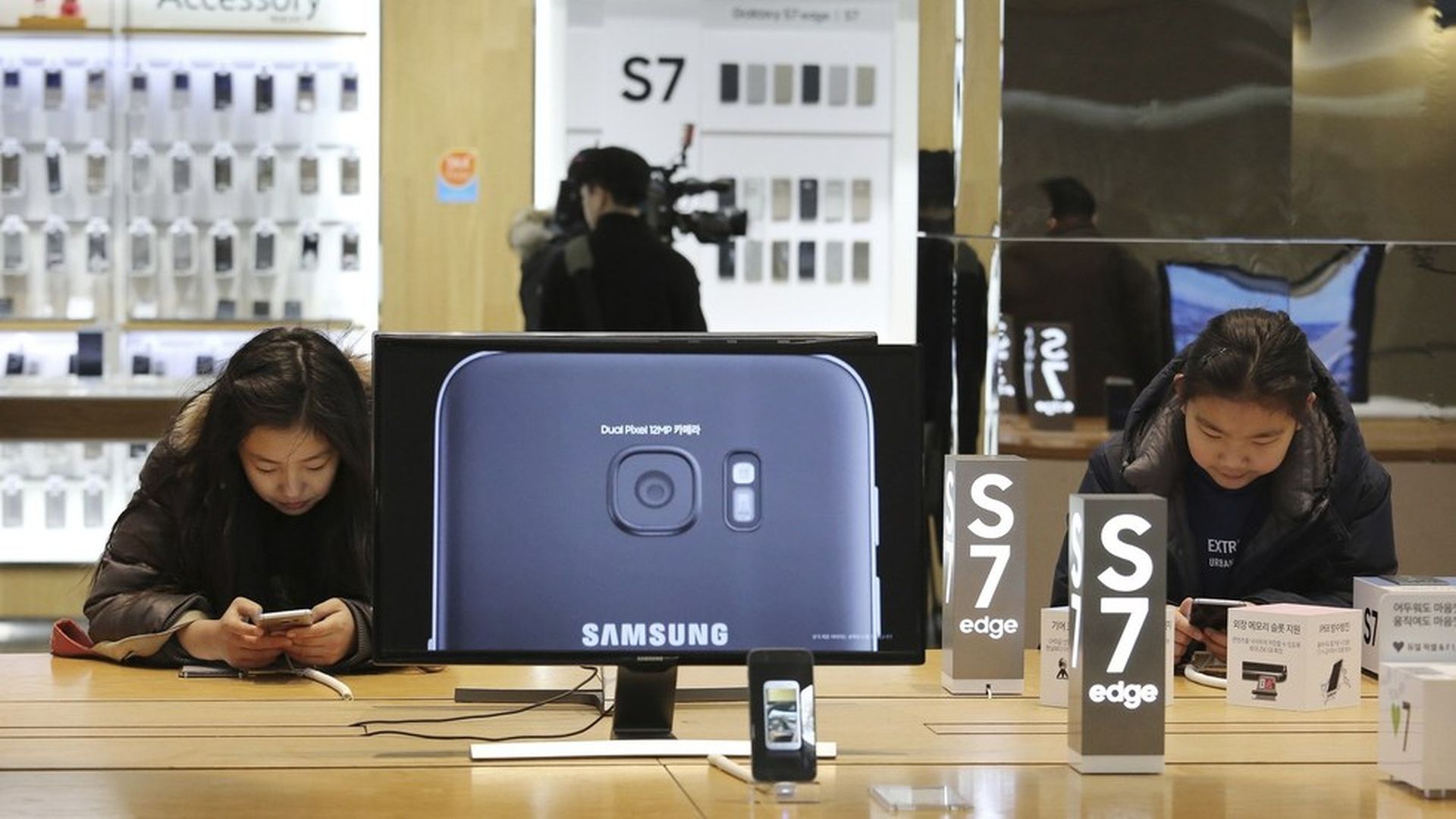
Samsung is considering constructing a U.S. factory to produce home appliances, per Reuters. If the plan comes to fruition, Samsung would join a handful of other firms that make appliances in the United States.
A win-win: Companies can grab headlines with news of even considering bringing production to the U.S., and the Trump White House benefits from the ability to take credit. These moves may not add up to significant job growth, but it's hard to beat the PR.
(The second sentence has been corrected to say several firms make appliances in the U.S. The previous version said Samsung would be only one of two major companies with factories in the U.S.)