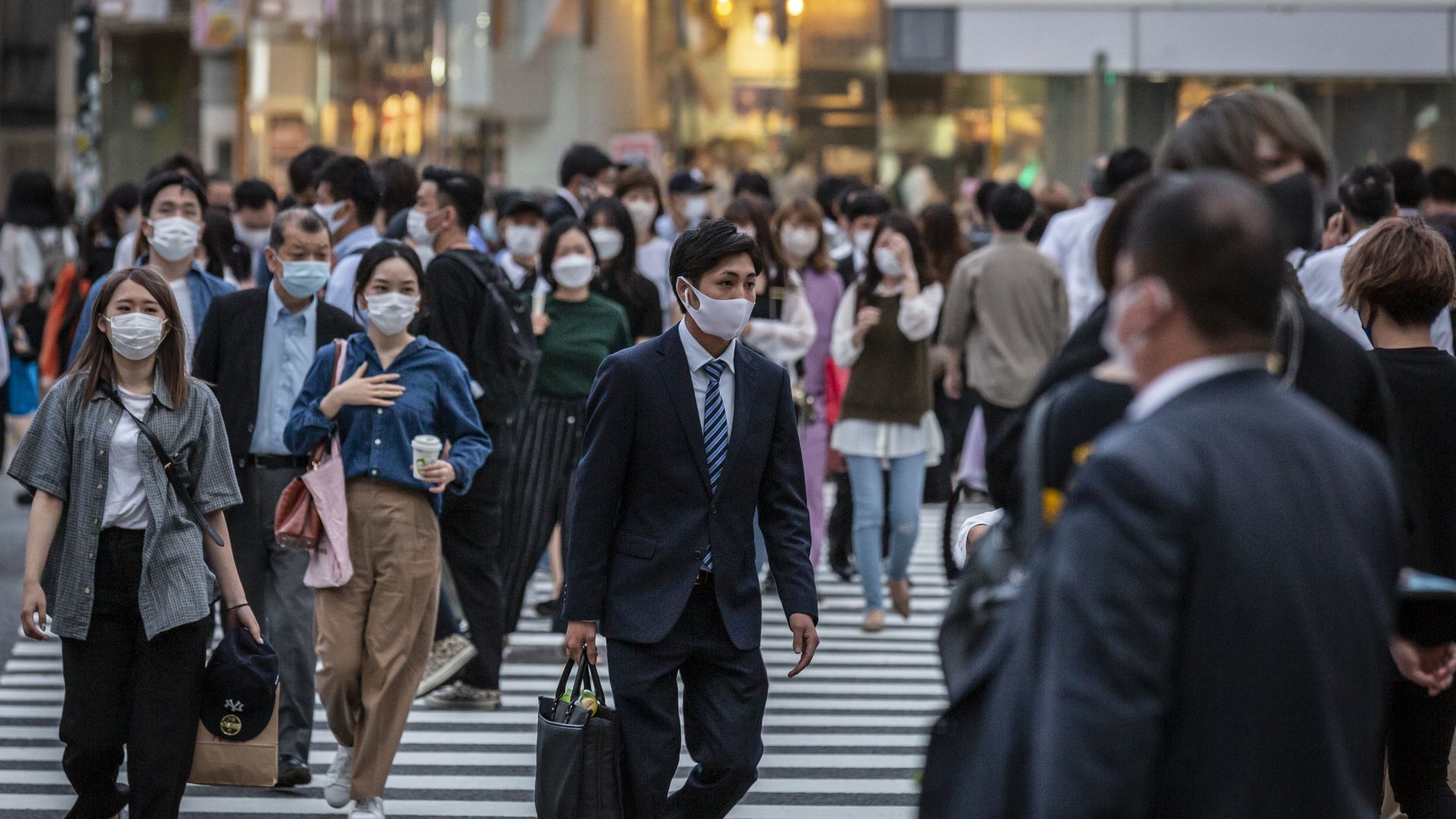
Japan on Friday extended a state of emergency in Tokyo and other areas of the country through at least June 20 in response to rising coronavirus cases, Reuters reports.
Why it matters: The country is set to host the 2020 Summer Olympics in July, though many, including doctors associations, scientists and high-profile business executives, have called for the games to be canceled to avoid a larger outbreak.
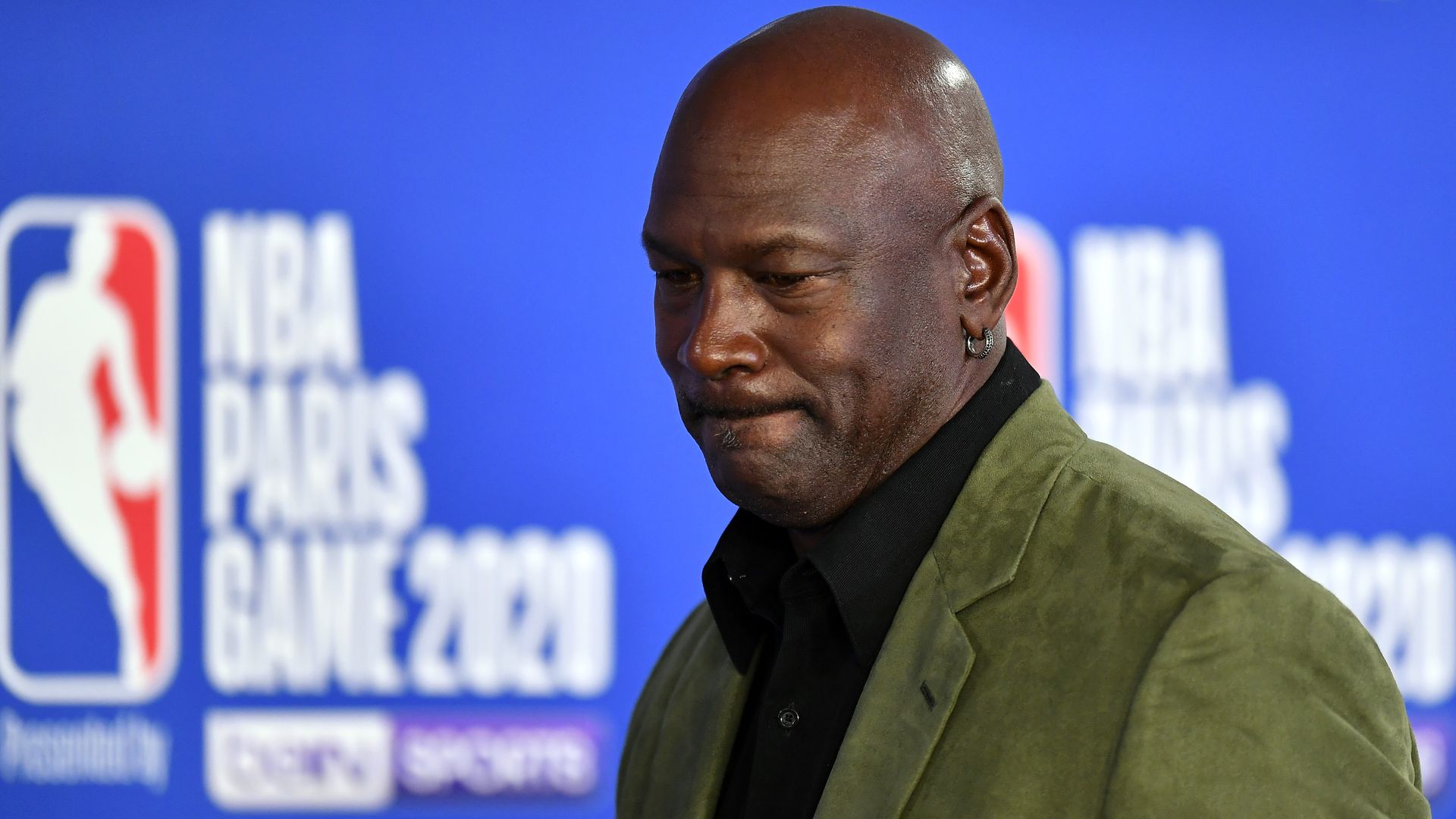
Michael Jordan and Nike’s Jordan Brand will give $1 million to Atlanta-based Morehouse College's journalism and sports program, the institution announced Friday.
Why it matters: The gift to the private and historically Black liberal arts college is part of Jordan Brand's "Black Community Commitment," which seeks to help shape the narrative of the Black experience in media and popular culture.
The New York Knicks will only sell playoff tickets to vaccinated fans if they advance past round one, the team announced Friday, though it did not say how it would verify if a fan has been vaccinated.
Why it matters: The team hosted the Atlanta Hawks at Madison Square Garden for games one and two and welcomed more than 15,000 fans each game, making them the largest indoor events in New York City since the start of the coronavirus pandemic, the team said.
The 105th Running of the Indianapolis 500 takes place Sunday (12:45pm ET, NBC), back in its normal Memorial Day weekend slot after moving to August last year.
Why it matters: 135,000 fans (40% capacity) will be in attendance at the enormous Indianapolis Motor Speedway, making this the largest sporting event since the pandemic began.
When the Ivy League announced in February that it was canceling its spring sports seasons, thousands of athletes were impacted.
Between the lines: Lacrosse being called off for the second straight year was a particularly tough blow, as it is one of the few team sports where the Ivy League routinely competes for national championships.
Only about 2% of college athletes who recovered from COVID-19 were later diagnosed with myocarditis, or inflammation of the heart, according to a new study published Thursday in JAMA Cardiology.
Why it matters: The study, with some of the most comprehensive data yet on the cardiac condition connected to COVID-19, reveals its prevalence is less than previously recorded.