Tennessee became the 15th state to pass a bill allowing college athletes to profit off their name, image and likeness, and it's the sixth set to take effect on July 1, 2021.
Yes, but: If NCAA president Mark Emmert gets his way, a broader, nationwide measure will be enacted before that date. That seems unlikely, but he plans to meet with Congress this week.
Major U.S. sports leagues took a $13+ billion revenue hit in 2020, but that didn't stop the world's top athletes from earning historic sums of money.
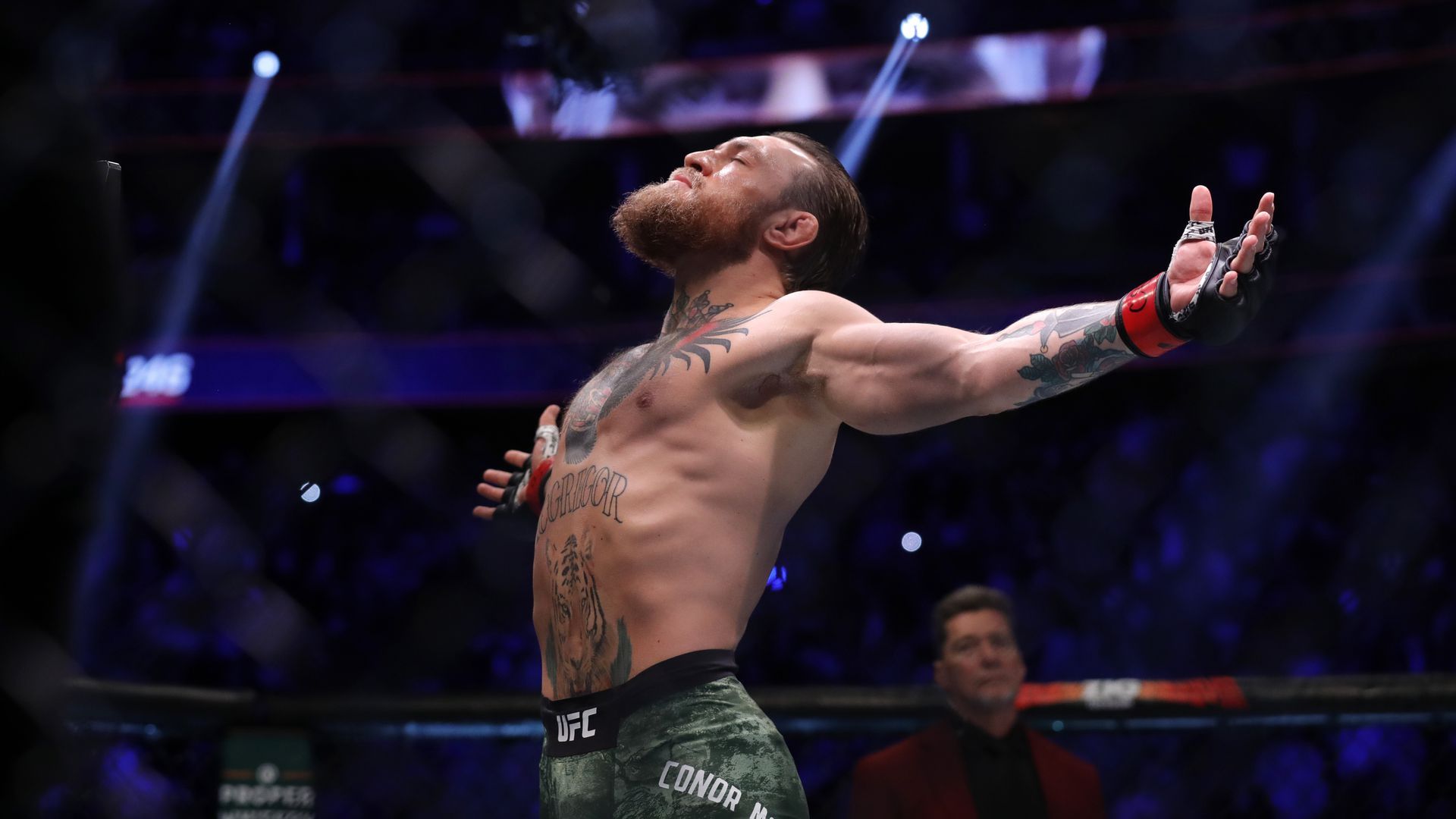
Driving the news: A record four athletes earned more than $100 million in the past year, per Forbes' 2021 calculations, which includes endorsement deals, business ventures and salaries.
Buzzer, a mobile platform that wants to reinvent how fans consume live sports, has signed deals with three sports leagues — the NBA, NHL and PGA Tour — in the last several weeks.
In addition, the startup has hired Shirin Malkani, the former senior VP of global media distribution for the NBA, as its chief commercial officer.
Malkani, who helped broker the NBA's TV deals with ESPN and Turner, is an important hire for Buzzer as it navigates the complex world of live sports rights.
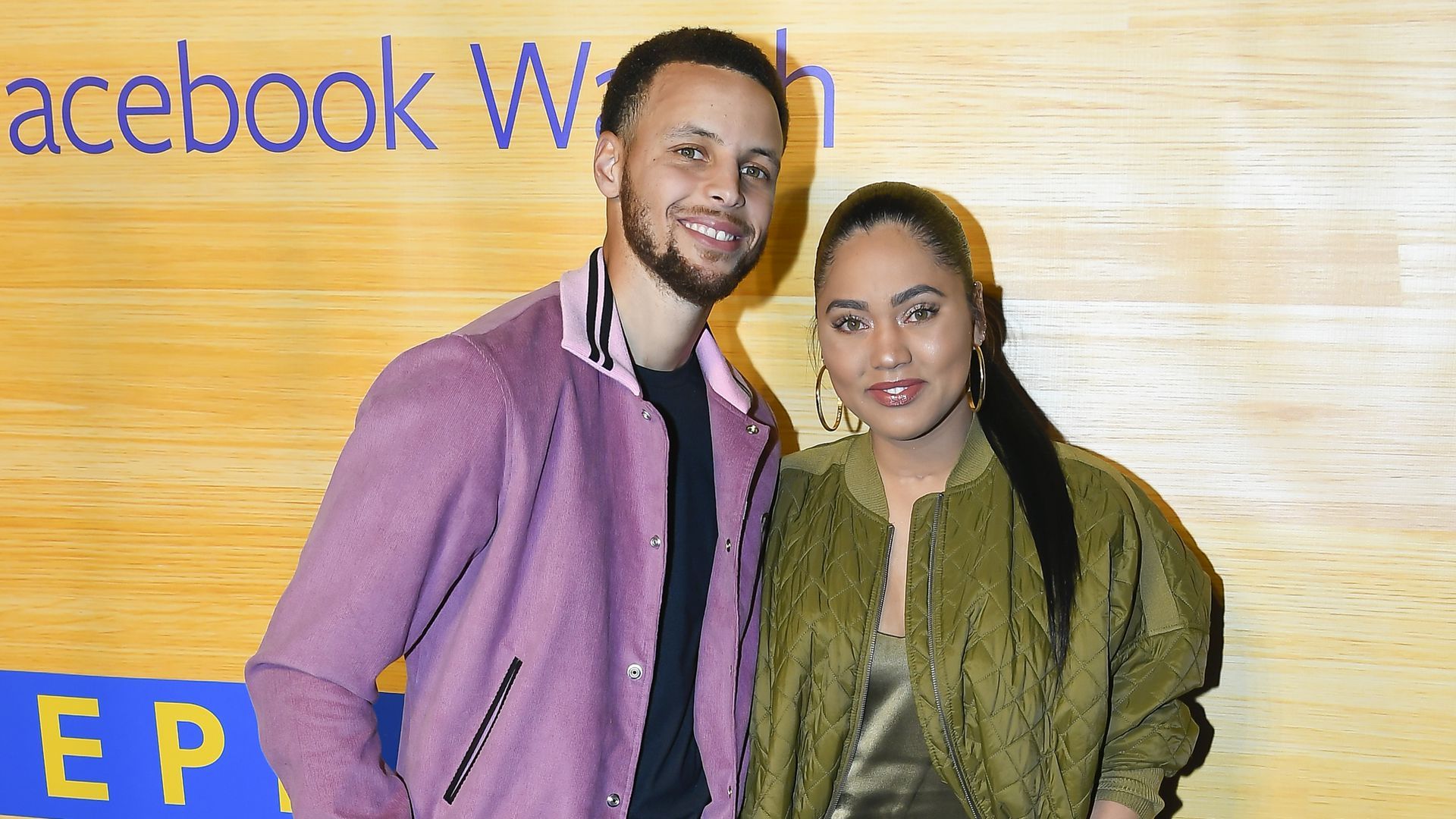
Stephen and Ayesha Curryare joining the advisory council for Goldman Sachs' One Million Black Women initiative, Axios is first to report.
Why it matters: The initiative has committed to invest more than $10 billion in Black women over the next 10 years. It comes as banks and large companies are increasingly putting money behind rhetoric about advancing racial equity.
Nielsen likely undercounted TV audiences during the pandemic, according to a review by the Media Ratings Council, the de facto industry watchdog.
Why it matters: Viewership numbers dictate advertising dollars, and networks use that money to pay leagues for the right to air live sports. That money then trickles down to players in the form of salaries.
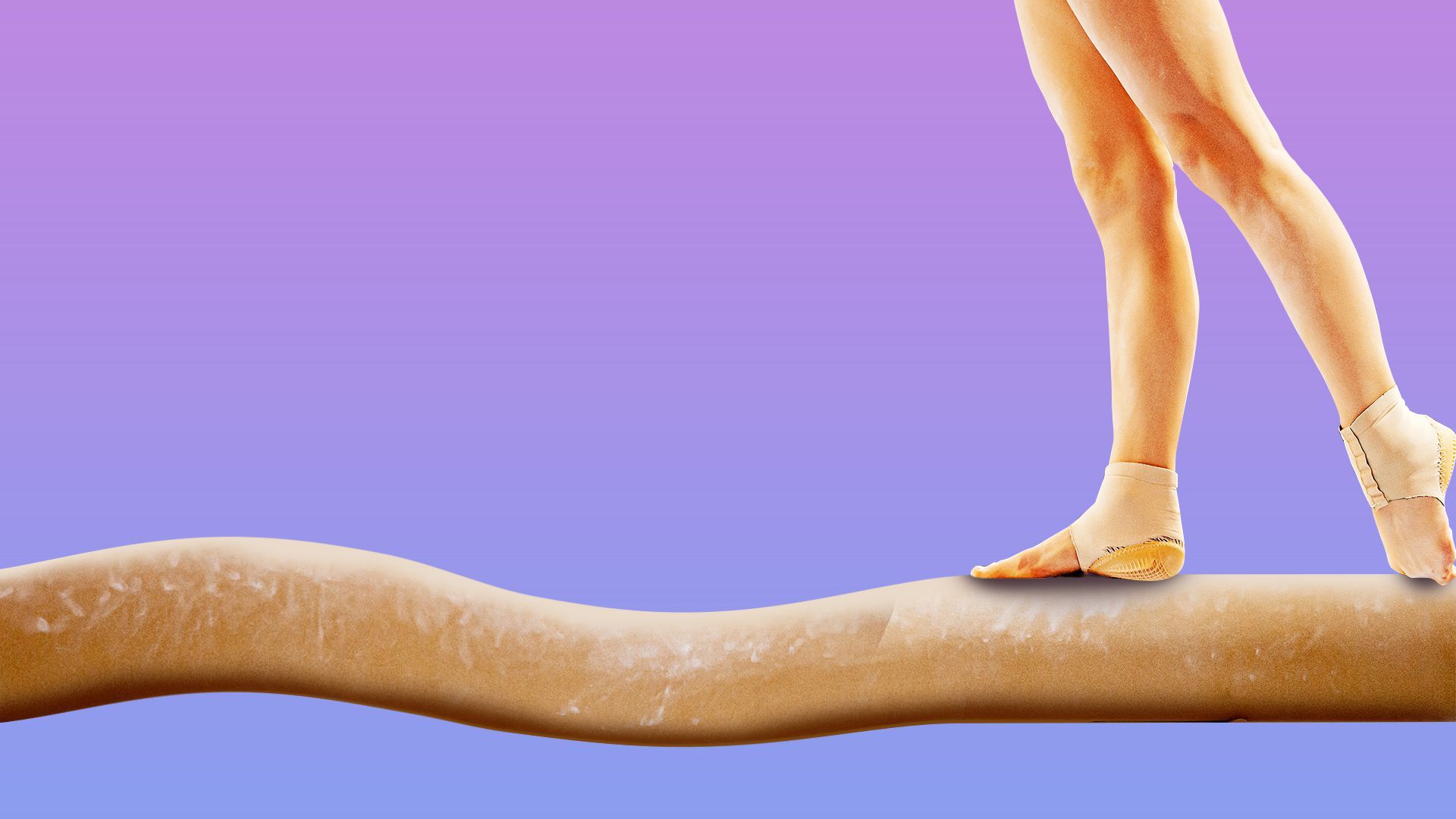
The status quo of elite female gymnastics, which has been questioned for decades, may finally be ready to change.
The state of play: Gymnastics is steeped in tradition, but the Larry Nassar scandal has led to a reexamination of many of its outdated norms, and there have already been some encouraging signs of change.
57% of U.S. adults believe proof of COVID-19 vaccination should be required to attend a sporting event, per the latest Axios-Ipsos survey. Coincidentally, 58% of American adults have received at least one shot, which President Biden hopes to increase to 70% by July 4.
What they're saying: The fully vaccinated NIAID director Anthony Fauci told CNN he "would not hesitate to go to an outdoor baseball game. My risk would be extremely low, particularly if I wear a mask."